
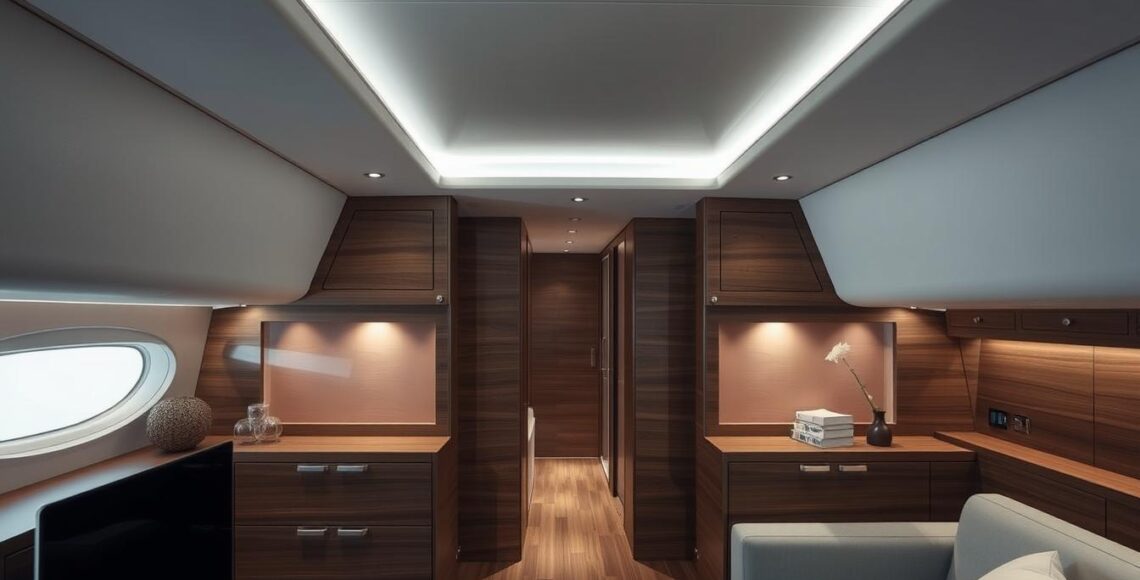
Tag: Millwork Design

hidden access panels

Hidden Elements: Designing Access Panels That Disappear Into Millwork

We know how key a seamless design is in high-end cabinetry. Architects and contractors aim for a clean look in custom millwork. Hidden access panels help us keep the design smooth while still being functional. They make the space look cohesive and polished.

Concealed access solutions are vital for this goal. They let us hide access points, making the space flow better. In high-end cabinetry, detail and precision are everything. With the right hidden access panels, we can make a space that exceeds our clients’ expectations.

We aim to guide architects and contractors on hidden access panels. By looking at the benefits and design principles of concealed access, we can create amazing spaces. These spaces will show our expertise and attention to detail.

Key Takeaways

  • We can achieve a clean, uninterrupted look in custom millwork with hidden access panel solutions.
  • Concealed access panels are a crucial element in maintaining functionality while keeping the design intact.
  • Hidden access panels can create a sense of continuity and flow in the space.
  • Panel design is critical in creating a cohesive and polished look.
  • High-end custom cabinetry manufacturing requires attention to detail and precision.
  • Collaboration and expertise are essential in creating exceptional spaces that meet the needs of our clients.

Understanding Hidden Access Panels in Modern Design

Exploring modern design, we see the importance of hidden access panels. They blend well with the design around them, making spaces look good and work well. These panels have evolved to hide important systems, keeping the area looking neat.

Hidden access panels bring many benefits. They make rooms look better, work better, and are safer. Designers hide access points to make spaces look sleek and modern. The panel mechanisms used are key for smooth and lasting performance.

Evolution of Access Panel Design

Access panel design has changed a lot over time. We’ve moved from visible panels to hidden ones. This change aims to make designs more integrated and smooth.

Benefits of Concealed Access Solutions

Concealed access solutions have many pluses. They make spaces look better, work better, and are safer. By hiding access points, designers can make areas look more unified and attractive.

Current Market Trends

Today, there’s a big push for hidden access panels in design. Architects and contractors want to make high-end custom cabinets. They need solutions that blend well and hide important parts.

Essential Design Principles for Seamless Integration

Seamless integration is key for hidden access panels. We must think about panel size, material, and finish. Also, the type of invisible hardware and mechanisms matter. These design principles help architects and contractors make panels that look like they’re part of the millwork.

For access solutions, the hardware and mechanisms are crucial. Options include push-to-open mechanisms and soft-close hinges. These invisible hardware choices help the panels look seamless. It’s also important to match the panels with the surrounding millwork for design continuity.

Some key considerations for seamless integration include:

  • Panel size and material
  • Type of hardware and mechanisms used
  • Finish and color of the panel
  • Design continuity with surrounding millwork

By considering these factors and applying the essential design principles, we can make hidden access panels that are both functional and beautiful. They enhance the space’s overall look.

Materials and Mechanisms for Invisible Hardware

Choosing the right materials and mechanisms is key for invisible hardware. The design of the panel plays a big role in this choice. A good design can hide access to important parts well, while a bad one can mess up the whole system.

We look for materials that are strong and look good. This is where mechanical access solutions help. They let us make hidden panels that work well and look nice. Important things to think about include:

  • Premium material selection, such as high-quality metals and woods
  • Hardware systems and components, like hinges and latches
  • Surface treatment options, including finishes and coatings

By thinking about these points, we can make hidden panels that are both useful and look good. They blend panel design and mechanical access perfectly.

Planning Perfect Panel Placement

Creating hidden access panels that blend into millwork requires careful planning. Seamless integration is crucial. We look at the panel’s location, size, and orientation to match the design.

Architects and contractors can make a design look good and work well with the right access solutions. For example, a panel can give access to electrical or plumbing without ruining the look of the space.

To keep the design looking good, we think about how the panels fit into the big picture. We pick materials and finishes that match the millwork. We also make sure the panel’s size and shape fit with the design around it.

  • Considering the frequency of access needed
  • Choosing a location that minimizes visual impact
  • Ensuring that the panel is easily operable

By following these steps, we make hidden access panels that are both useful and stylish. They help make the design look cohesive and appealing.

Technical Specifications for Hidden Access Panels

When we design and install hidden access panels, we must focus on safety, function, and durability. It’s key to grasp the role of panel mechanisms and invisible hardware in seamless integration. Our aim is to guide architects and contractors in creating panels that meet all standards and regulations.

The specs for hidden access panels cover size, load-bearing, and safety. These aspects are crucial for the panels’ performance and lifespan. Knowing these specs helps us craft solutions that are both useful and look great, using panel mechanisms and invisible hardware for a perfect finish.

Size and Dimension Guidelines

The size of hidden access panels depends on their use and where they’re placed. We must think about space and access needs when designing. Here are some basic guidelines to keep in mind:

  • Minimum panel size: 12 inches x 12 inches
  • Maximum panel size: 48 inches x 48 inches
  • Panel thickness: 1/2 inch to 1 inch

Load-Bearing Considerations

Hidden access panels need to handle different loads like weight and pressure. The panel’s strength depends on its material, size, and how it’s mounted. Important factors to consider are:

  • Material selection: Pick materials that can handle expected loads, like solid core or plywood
  • Panel reinforcement: Add materials like metal frames or brackets to boost the panel’s strength

Safety Requirements

Safety is paramount when making and installing hidden access panels. The panels must prevent accidents and ensure easy access. Key safety points include:

  • Secure mounting: Make sure the panel is firmly attached to the structure to avoid falls or collapses
  • Soft-close mechanisms: Use soft-close mechanisms to stop the panel from slamming shut, reducing injury risk

By following these technical specs, we can make hidden access panels that are safe, durable, and look good. We use concealed access, panel mechanisms, and invisible hardware for a seamless look.

Installation Methods for Flawless Integration

To get hidden access panels to work well, you need to install them right. This means planning and doing the job carefully. It makes sure the panels fit well and look good in the space. We’ll talk about the important parts of installing, like getting ready before you start, mounting step by step, and dealing with common problems.

Getting ready before you start is key. You need to check if the panels fit with the space’s design. This includes looking at the site, checking the panel sizes, and getting all the tools and materials ready. Then, you can follow a clear mounting guide, keeping in mind the panel’s needs and the area’s details.

Some issues you might face include making sure everything is straight, handling cables and wires, and keeping the finish smooth. Knowing these problems and how to fix them helps architects and builders. This way, the hidden panels work well and look good, blending in with the design.

By using these installation steps and thinking about the project’s needs, we can make hidden access panels work perfectly. This creates a design that looks great and meets everyone’s needs.

Installation AspectConsiderations
Pre-installation preparationSite conditions, panel dimensions, tools and materials
Step-by-step mounting processPanel requirements, millwork considerations, alignment and finishing
Common installation challengesAlignment, cable and wiring management, flush finish

Maintaining Design Continuity Across Millwork

To make a design look good, keeping design continuity is key. This means looking at material, finish, and style. It helps create a smooth look that makes the space better.

Using concealed access helps the hidden panels fit in. This keeps the panel design looking right.

We think a good millwork system should focus on design continuity. This makes the hidden panels part of the design. It’s done by picking materials and finishes that match the rest of the millwork.

  • Material selection: Choosing materials that match the surrounding millwork
  • Finish and style: Ensuring that the finish and style of the concealed access panels align with the overall design
  • Panel design: Designing the concealed access panels to blend in with the surrounding millwork

By focusing on design continuity and using concealed access, architects and contractors can make top-notch custom cabinetry. It meets client needs and looks great.

Design ElementConsiderations
MaterialMatch surrounding millwork
Finish and StyleAlign with overall design
Panel DesignBlend in with surrounding millwork

Innovative Solutions for Mechanical Access Requirements

We’re always looking to improve design and function. That’s why we focus on mechanical access solutions. Our custom cabinetry meets the needs of architects and contractors. We use our knowledge of mechanical access, panel mechanisms, and invisible hardware to make designs that work well and look great.

Smart Integration Technologies

Smart technologies are changing how we handle mechanical access. We use things like sensors and automated systems to make hidden panels that look good and work well. Our team works with clients to find the best solutions for their needs.

Custom Solutions for Complex Spaces

Complex spaces need special solutions. Our team has a lot of experience with custom cabinetry for these areas. We use top materials and panel mechanisms to make panels that are both useful and nice to look at. With invisible hardware, we make designs that are smooth and high-quality.

We’re known for our innovation and quality in custom cabinetry. We work with architects and contractors to create designs that fit each project’s needs. We use mechanical access, panel mechanisms, and invisible hardware to make designs that are both functional and beautiful.

Conclusion: The Future of Seamless Access Panel Design

Hidden access panels are becoming more important in high-end custom cabinetry. They offer a way to create spaces that look great and work well. Architects and contractors can use these panels to make rooms more beautiful.

We see a bright future for hidden access panels. They will keep getting better at blending into the room’s design. With new technologies and designs, the possibilities are endless. We’re excited to see how they will change the industry.

Hidden access panels are not just useful; they show our dedication to great design. By focusing on seamless solutions, we help bring amazing ideas to life. This creates spaces that amaze and inspire everyone who sees them.

FAQ

What are hidden access panels and how do they benefit modern design?

Hidden access panels are a design solution that blends access points into millwork. This creates a clean look. They offer better looks, function, and safety than traditional panels.

What are the essential design principles for achieving seamless integration of hidden access panels?

Key design principles include panel size, material, and finish. Also, the type of hardware and mechanisms matter. Invisible hardware and design continuity are crucial for a cohesive look.

What materials and mechanisms are used for invisible hardware in hidden access panels?

Choosing the right materials and mechanisms is key. Premium materials, specialized hardware, and surface treatments are important. They make the panels functional and attractive.

How do you plan for perfect panel placement to achieve seamless integration?

Planning panel placement is crucial. Consider location, size, and orientation. Access needs, design, and space constraints must be thought of.

What are the technical specifications and safety requirements for hidden access panels?

Panels must meet size, load-bearing, and safety standards. These ensure they work well, last long, and are safe for users.

What are the key installation methods for flawless integration of hidden access panels?

Proper installation is key. It includes preparation, mounting steps, and solving common issues. Correct methods ensure panels are installed right and securely.

How can design continuity be maintained across millwork when incorporating hidden access panels?

Keeping design continuity is vital. Consider material, finish, and style. This ensures panels match the millwork for a cohesive look.

What innovative solutions are available for mechanical access requirements in hidden access panels?

New tech offers smart integration and custom solutions for complex spaces. These innovations improve function and look while meeting standards and rules.
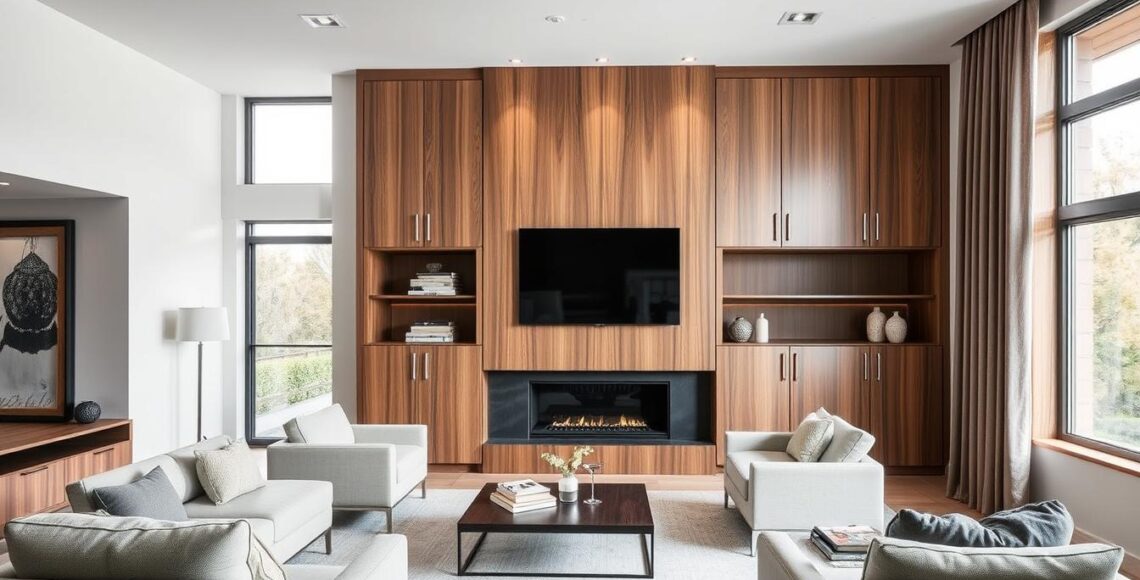
HVAC millwork integration

Designing Around HVAC: Solutions for Millwork in Modern Homes

We know how key it is to blend heating, ventilation, and air conditioning systems into modern homes. They must work well and look good. We tackle the challenges of HVAC millwork integration, focusing on air circulation and vent integration for the best design.

When we talk about HVAC millwork integration, we aim for both looks and function. We design and install systems that are not just useful but also beautiful. By paying attention to air circulation and vent integration, we craft systems that are seamless and meet the needs of architects and contractors.

We aim to offer expert advice on HVAC millwork integration. Our goal is to connect architectural dreams with real-world manufacturing. With precision and expertise, we create top-notch custom cabinetry that our clients love.

Introduction to HVAC Millwork Integration

In this article, we dive into the challenges and solutions of HVAC millwork integration. We share insights on air circulation, vent integration, and other crucial factors for the best HVAC design. We cover the latest standards and best practices, helping architects and contractors to design systems that are both functional and beautiful.

Key Takeaways

  • Importance of considering air circulation in HVAC millwork integration
  • Role of vent integration in achieving optimal HVAC design
  • Need for balancing form and function in HVAC millwork integration
  • Importance of precision and expertise in creating high-end custom cabinetry manufacturing solutions
  • Latest industry standards and best practices for HVAC millwork integration
  • Benefits of considering HVAC millwork integration in modern home design

Understanding the Challenges of HVAC Millwork Integration

Integrating HVAC systems with millwork in modern homes can be tough. Architects and contractors must balance looks with technical needs for a smooth blend. For example, return air solutions can be hidden in design to boost airflow. Mechanical integration helps keep HVAC systems out of sight.

Design hurdles include tight spaces and looks that matter. Cabinet ventilation is tricky, needing smart planning for airflow without ruining the design. Early planning helps us find solutions that work well and look good.

Common Design Obstacles

  • Limited space for HVAC systems
  • Aesthetic constraints, such as hiding ductwork and vents
  • Ensuring proper airflow and ventilation

Knowing these challenges helps us find solutions like return air and mechanical integration. This way, we make spaces that are both beautiful and functional. As we explore HVAC millwork integration, it’s clear that careful planning and detail are key.

Impact on Home Aesthetics

A well-designed HVAC system can really change a home’s look. With mechanical integration and smart return air solutions, we can make spaces that are both beautiful and functional. This enhances the home’s living experience.

The Evolution of HVAC Design in Modern Architecture

Looking at HVAC design’s evolution, we see big changes over time. These changes come from new tech and different building styles. Now, we focus on cooling solutions that are better for the planet, like radiant and evaporative cooling. These can easily fit into today’s buildings.

Now, HVAC design is key in building planning. By adding HVAC design early on, architects and builders make buildings that save energy and are good for the environment. Important things to think about in HVAC design are:

  • Energy efficiency
  • Sustainability
  • Aesthetics
  • Functionality

Thinking about these points helps make buildings that look good and feel right. Using new cooling solutions and HVAC design cuts down energy use. It also helps the planet.

The need for green and energy-saving buildings is growing. HVAC design’s evolution is key to modern architecture’s future. By using new HVAC design and cooling solutions, we can build better. These buildings are good for now and the future.

Essential Components of Effective Airflow Management

Effective airflow management is key for a healthy and comfy indoor space. We think a good system should ensure air circulation is top-notch. This way, it avoids stagnation and contamination risks. Architects and contractors can craft systems that fit today’s homes by focusing on airflow management’s core parts.

When setting up an airflow system, return air matters, as does where supply vents go and how air moves. These elements help make a balanced system. This system ensures airflow is just right and comfort is maintained. Knowing how these parts work helps us build systems that keep air quality high and pollution low.

  • Return air considerations: This means looking at where return air vents and grilles are placed and how they’re designed.
  • Supply vent placement: It’s about putting supply vents in the best spots for airflow and circulation.
  • Circulation patterns: Designing the system to encourage good air flow and avoid still spots.

By keeping these points in mind and using them in system design and setup, we can make indoor spaces healthy and comfy. These spaces will meet the needs of today’s homes.

Custom Millwork Solutions for HVAC Systems

We create custom millwork that fits perfectly with HVAC systems. This makes buildings look better and work better. We work with architects and contractors to make sure our millwork meets each project’s needs.

Our custom millwork has many benefits, including:

  • Improved airflow and circulation
  • Enhanced visual appeal
  • Increased energy efficiency
  • Customized to fit unique building designs

Our team uses special terms and data to make sure our work is precise. We make sure our millwork looks great and works well. This is how we provide top-notch custom cabinetry.

Reports show that our millwork can make HVAC systems better. It can make buildings look amazing and work well too. Architects and contractors can make buildings that are both beautiful and functional.

Working with us means your buildings will have the latest in millwork and HVAC. This leads to better comfort, more energy savings, and lower maintenance costs.

BenefitsDescription
Improved AirflowCustom millwork solutions can improve airflow and circulation, resulting in a more comfortable indoor environment.
Enhanced Visual AppealOur custom millwork solutions can enhance the visual appeal of a building, creating a unique and stunning aesthetic.
Increased Energy EfficiencyBy optimizing HVAC system performance, our custom millwork solutions can increase energy efficiency and reduce energy costs.

Balancing Form and Function in Cabinet Ventilation

We aim to find the perfect mix of form and function in cabinet ventilation. This means creating a system that offers great airflow and looks good in the room. Proper vent integration is key to making this happen.

To get this balance right, we look at several things. We consider decorative vents, the materials we use, and how well the system works. For example, decorative vents can add beauty to the room while also working well. We choose materials like wood or metal for vents that look good and last long.

Some important things to think about for cabinet ventilation include:

  • Choosing the right type of vent, such as a slotted or louvered vent
  • Selecting materials that are durable and easy to clean
  • Ensuring proper vent integration to maintain optimal airflow

By thinking about these points and using the right materials and designs, we can make a ventilation system that works well and looks great.

MaterialBenefits
WoodNatural aesthetic, durable
MetalModern look, easy to clean

Strategic Placement of Mechanical Integration Points

When it comes to mechanical integration, careful planning is key. It ensures HVAC systems work well and look good. We focus on placing mechanical parts in the best spots to blend them with the design.

Key things to think about include:

  • Access points for maintenance and repair
  • Visual impact on the overall aesthetic of the space
  • Functional requirements, such as airflow and circulation patterns

By planning carefully, we make HVAC systems that work great. They meet the needs of everyone involved. As we improve HVAC design, we must focus on smart placement and planning.

Innovative Cooling Solutions for Built-in Cabinetry

We know how important it is to control temperature and manage moisture in built-in cabinetry. Innovative cooling solutions help with this, improving air quality and making the cabinetry last longer.

These solutions can be added in different ways, like advanced ventilation and materials that conduct heat well. They make the cabinetry work better and keep the air inside healthier.

Temperature Control Methods

Keeping the right temperature is key for built-in cabinetry to last. We use thermostats, heat sensors, and special insulation to do this. This way, we stop damage from too much heat or cold, keeping things in great shape.

Moisture Management Techniques

Managing moisture is also vital for built-in cabinetry. Too much moisture can cause warping, rot, and mold. We fight this with dehumidifiers, waterproof coatings, and materials that don’t get damaged by moisture.

By adding these cooling solutions, we make built-in cabinetry not just look good but also work well and last long. It’s perfect for kitchens, offices, or fancy closets. Our solutions make sure your cabinetry is a valuable asset for years.

We focus on creating cooling solutions that fit each project’s needs. By using the latest tech and careful craftsmanship, we go beyond what our clients expect. We improve both the look and function of their spaces.

Maximizing Space Efficiency Through Smart Design

We aim to build modern structures with less space. To do this, we focus on smart design. This means using small HVAC systems and smart ventilation.

By choosing these options, we keep the air flowing well. This is key for good ventilation.

Some important points for better space use are:

  • Compact HVAC systems that take up less space
  • Clever ventilation solutions that improve airflow and cut down on ductwork
  • Smart design that focuses on using space wisely and avoiding waste

By using these ideas in our designs, we make buildings that are both useful and look good. We keep improving building design, always focusing on using space well and smartly.

Together, we can make buildings that are both beautiful and practical. They show the best of both worlds, where smart design and space efficiency meet.

Design PrincipleSpace Efficiency Benefit
Compact HVAC systemsReduced footprint, increased floor space
Clever ventilation solutionsOptimized airflow, reduced ductwork
Smart design principlesPrioritized space efficiency, minimized waste

Modern Materials and Technologies in HVAC Integration

We are seeing big changes in HVAC integration thanks to new materials and tech. These changes bring many benefits, like better efficiency and looks. Let’s dive into the latest in modern materials and their role in HVAC.

New materials in HVAC make systems more efficient and green. For instance, advanced grilles help air flow better and cut energy use. Also, smart controls are added to HVAC systems for better performance.

Advanced Technologies for Improved Performance

Key techs like advanced sensors, smart controls, and strong materials are leading HVAC innovation. These tools help make HVAC systems more efficient, green, and responsive. They help us build buildings that are comfy, healthy, and save energy.

As we explore new limits with modern materials and tech, we open doors to more innovation in HVAC. By embracing these changes and tackling their challenges, we can make our built environment better for the future.

Maintenance Considerations for Integrated Systems

Maintenance is key for integrated systems to work well and last long. We design and install these systems with easy maintenance in mind. This way, we make systems that are both efficient and long-lasting.

Being proactive with maintenance helps avoid big problems. This is vital for integrated systems, where one issue can affect everything. By focusing on maintenance, we keep our systems running smoothly and efficiently.

Access Point Planning

Planning for access is crucial in maintenance. Easy access points make maintenance quicker and simpler. This includes features like removable panels and accessible filters.

By planning for access, we save time and effort. This helps keep our systems in top shape.

Cleaning Requirements

Cleaning is another important factor for integrated systems. We design systems that are easy to clean. This reduces the chance of dust and dirt causing problems.

Features like washable filters and smooth surfaces help. Cleaning becomes easier, preventing issues and keeping systems running well.

Service Schedules

Service schedules are essential for maintenance. They help us stay on track with routine maintenance. This prevents problems before they start.

By creating a schedule for our systems, we ensure everything is well-maintained. This includes regular filter changes and software updates. Staying on schedule helps our systems last longer and saves on repairs.

Future Trends in HVAC and Millwork Design

Looking ahead, sustainable design and smart building technologies will shape the industry. We’ll see more focus on energy saving and eco-friendly options. This includes using green roofs and solar panels to cut down on carbon emissions.

Some key HVAC design trends include:

  • More use of renewable energy sources like solar and wind power
  • Better insulation and air sealing to lower heat loss and gain
  • Efficient heating and cooling systems like heat pumps and radiant floor heating

Reports show these trends will change building design and construction. Sustainable design and smart tech will make buildings more energy-efficient, healthy, and comfy for people.

It’s crucial to keep up with HVAC and millwork advancements. This way, we can build sustainable buildings that meet future needs.

TrendDescription
Sustainable DesignFocus on energy saving and eco-friendly solutions
Smart Building TechnologiesAdvanced materials and tech to lower carbon footprint

Conclusion: Creating Seamless Integration for Modern Living

Creating seamless integration of HVAC systems and millwork in modern homes is key. It balances function and beauty. Architects and designers can solve unique challenges with custom millwork solutions.

These solutions improve a space’s look and enhance airflow, ventilation, and temperature control. The success depends on smart placement of mechanical parts, choosing top-notch materials, and new cooling methods. This ensures both beauty and efficiency.

The future of HVAC and millwork design will bring new technologies and systems. This will help homeowners live comfortably and save energy. Their homes will fit perfectly into their modern lifestyle.

Following best practices and keeping up with trends is crucial. This way, professionals can create amazing results. They ensure homes are stylish, comfortable, and functional.

FAQ

What are the common design obstacles in HVAC millwork integration?

Common obstacles include limited space and aesthetic constraints. Technical needs like ensuring airflow and ventilation are also key.

How can return air solutions improve HVAC millwork integration?

Return air solutions can enhance airflow. They also help reduce the visual impact of HVAC systems.

What are the essential components of effective airflow management?

Key components include return air considerations and supply vent placement. Circulation patterns are also crucial for optimal airflow.

How can custom millwork solutions benefit HVAC systems?

Custom millwork solutions offer improved aesthetics and functionality. They allow for bespoke solutions tailored to each project’s needs.

How can decorative vent options and material selection guidelines help balance form and function in cabinet ventilation?

Decorative vents and material guidelines help design systems that look good and work well. They ensure optimal airflow and ventilation.

Why is the strategic placement of mechanical integration points important for HVAC design?

Strategic placement ensures HVAC systems work efficiently. It also minimizes visual impact and maximizes functionality.

What innovative cooling solutions are available for built-in cabinetry?

Innovative solutions include temperature control and moisture management. These can be integrated into cabinetry for optimal cooling and ventilation.

How can smart design help maximize space efficiency in HVAC integration?

Smart design uses compact HVAC systems and clever ventilation. This minimizes space needs while maintaining airflow and ventilation.

What are some of the latest advances in modern materials and technologies for HVAC integration?

Advances include advanced grille systems and smart controls. These improve efficiency and aesthetics in HVAC systems.

What maintenance considerations are important for integrated HVAC systems?

Important considerations include access planning, cleaning, and service schedules. These ensure the system performs well and lasts long.

What are some of the future trends in HVAC and millwork design?

Future trends include sustainable design and smart building technologies. These advancements will enhance HVAC system performance and functionality.