
Tag: Technical framework

safety engineering

Technical Framework for Kitchen Safety Design

We prioritize safety engineering in our kitchen design approach, focusing on hazard prevention to minimize risks and ensure a safe working environment. By integrating safety engineering into our design, we create spaces that are functional and safe for users. Our goal is to leverage precision safety engineering to bring your kitchen design vision to life, emphasizing hazard prevention and safety engineering principles.

As we design kitchens, we consider the importance of safety engineering in preventing accidents and ensuring a secure environment. This involves implementing measures to mitigate potential hazards, creating a reliable and safe kitchen space. Our approach to kitchen safety engineering is centered around hazard prevention, identifying and addressing potential risks to create a secure environment.

Our team works together to bridge architectural vision with manufacturing reality, using precision and expertise to create high-end custom cabinetry manufacturing solutions. We believe that safety engineering is a critical aspect of kitchen design, and we strive to create spaces that are both functional and safe.

Key Takeaways

  • We prioritize safety engineering in our kitchen design approach to minimize risks and ensure a safe working environment.
  • Hazard prevention is a critical aspect of our safety engineering principles, focusing on identifying and mitigating potential hazards.
  • Our goal is to create kitchen spaces that are both functional and safe for users, leveraging precision safety engineering to bring your design vision to life.
  • We consider the importance of safety engineering in preventing accidents and ensuring a secure environment.
  • Our team works together to bridge architectural vision with manufacturing reality, using precision and expertise to create high-end custom cabinetry manufacturing solutions.
  • We believe that safety engineering is a critical aspect of kitchen design, and we strive to create spaces that are both functional and safe, emphasizing hazard prevention and safety engineering principles.

Fundamentals of Kitchen Safety Engineering

Kitchen safety engineering is a critical aspect of designing and building kitchens, as it ensures the well-being of users and prevents accidents. We believe that a safe kitchen is a functional and efficient one, and that’s why we emphasize the importance of core safety principles and risk assessment methodology in our designs.

Emergency access is a crucial aspect of kitchen safety, as it allows users to quickly and safely exit the kitchen in case of an emergency. This can be achieved through the installation of emergency exits, fire alarms, and sprinkler systems. Fire safety is also a top priority, with measures such as fire suppression systems and heat detection systems in place to prevent and respond to fires.

Core Safety Principles

Our core safety principles include the design of safe and accessible kitchen layouts, the installation of safety equipment such as fire extinguishers and first aid kits, and the implementation of emergency procedures such as evacuation plans and fire drills.

Risk Assessment Methodology

Our risk assessment methodology involves identifying potential hazards in the kitchen, assessing the likelihood and impact of these hazards, and implementing measures to mitigate or eliminate them. This includes the use of safety data sheets, hazard assessments, and regular safety inspections.

By understanding and implementing these fundamentals, we can create kitchens that are safe, functional, and compliant with industry standards. Our goal is to provide kitchens that meet the needs of users while minimizing the risk of accidents and injuries.

Structural Integrity in Kitchen Design

We recognize the importance of structural integrity in kitchen design, as it directly impacts the safety and functionality of the space. A well-designed kitchen with structural integrity can provide a safe and stable working environment, minimizing the risk of accidents and injuries. By prioritizing structural integrity in our kitchen design, we can create spaces that are not only aesthetically pleasing but also safe and durable.

Industry guidelines for kitchen design and construction emphasize the need for structural integrity. This includes ensuring that the kitchen can withstand various loads and stresses without compromising its safety or functionality. Some key considerations for achieving structural integrity in kitchen design include:

  • Using high-quality materials and construction methods
  • Designing the kitchen layout to minimize stress and strain on the structure
  • Ensuring that all components, including cabinets and appliances, are properly installed and secured

By incorporating these considerations into our kitchen design, we can create spaces that are both beautiful and functional, while also prioritizing the safety and well-being of users. As we continue to push the boundaries of kitchen design, structural integrity remains a critical aspect of our work, and one that we are committed to upholding.

Advanced Fire Safety Systems Implementation

As we design kitchens, we must prioritize fire safety, integrating advanced systems to protect users and prevent damage. Fire safety is a critical component of kitchen design, and electrical protection plays a key role in preventing electrical shocks and fires.

Our approach to fire safety involves a multi-faceted strategy, including:

  • Fire suppression technologies to quickly extinguish fires
  • Heat detection systems to identify potential fire hazards
  • Emergency evacuation planning to ensure a safe and rapid response

Fire Suppression Technologies

These technologies are designed to quickly and effectively extinguish fires, minimizing damage and risk. By incorporating fire suppression systems into our kitchen design, we can create a safer environment for users.

fire safety systems

Heat Detection Systems

Heat detection systems are crucial in identifying potential fire hazards, allowing for prompt action to prevent fires. This technology is an essential part of our fire safety strategy, ensuring the protection of users and property.

By integrating these advanced fire safety systems into our kitchen design, we can provide a safe and secure environment that meets industry standards for fire safety and electrical protection.

Electrical Protection Framework

We recognize the importance of electrical protection in kitchen design, as it ensures the safety of users from electrical shocks and fires. A comprehensive electrical protection framework is crucial in minimizing the risk of electrical hazards and creating a secure kitchen environment. This framework includes circuit protection systems, which prevent electrical overloads and short circuits, as well as grounding requirements, which protect against electrical shocks.

Proper electrical protection is essential in kitchens, where the risk of electrical accidents is higher due to the presence of water and heat. By implementing effective electrical protection measures, we can prevent electrical fires and ensure the safety of kitchen users. Additionally, ventilation safety is also a critical consideration, as proper ventilation systems can remove heat, moisture, and pollutants from the kitchen, reducing the risk of electrical hazards.

Circuit Protection Systems

These systems are designed to prevent electrical overloads and short circuits, which can cause electrical fires and shocks. By installing circuit protection systems, we can ensure that the electrical supply to the kitchen is safe and reliable.

Grounding Requirements

Proper grounding is essential in preventing electrical shocks and fires. By ensuring that all electrical equipment is properly grounded, we can protect kitchen users from electrical hazards and create a safe and secure kitchen environment.

Appliance Safety Integration

This involves ensuring that all electrical appliances in the kitchen are safe and compliant with industry standards. By integrating appliance safety into the electrical protection framework, we can minimize the risk of electrical accidents and create a secure kitchen environment.

Ventilation Safety Architecture

As we design kitchens, ventilation safety is a critical aspect to consider. A well-designed ventilation system can remove heat, moisture, and pollutants from the kitchen, minimizing the risk of accidents and injuries. By prioritizing ventilation safety in our kitchen design, we can create a safe and comfortable working environment that protects users and prevents damage to property.

According to industry standards and guidelines, a good ventilation system should be able to remove at least 100 cubic feet of air per minute from the kitchen. This can be achieved through a combination of proper ventilation design and regular maintenance. Some key considerations for ventilation safety include:

  • Airflow rates and patterns
  • Heat and moisture removal
  • Pollutant removal and filtration

By considering these factors and incorporating them into our kitchen design, we can create a safe and healthy environment for users. As we emphasize the importance of ventilation safety, we can also reduce the risk of accidents and injuries, and create a more comfortable and productive workspace.

By working together to prioritize ventilation safety in our kitchen design, we can create a better and safer environment for everyone. With the right design and maintenance, we can ensure that our kitchens are not only functional and efficient but also safe and healthy.

FactorImportanceConsiderations
Airflow rates and patternsHighProper ventilation design, regular maintenance
Heat and moisture removalHighProper insulation, ventilation system design
Pollutant removal and filtrationHighProper filtration systems, regular maintenance

Emergency Access and Control Systems

When it comes to kitchen design, emergency access and control systems play a vital role in ensuring user protection and safety. We prioritize the implementation of these systems to provide a safe and rapid response in case of an emergency. By integrating emergency access and control systems into our kitchen design, we can minimize the risk of accidents and injuries, ultimately creating a secure environment that protects users and prevents damage to property.

Our approach to emergency access and control systems involves several key components, including emergency shutdown protocols, access point design, and safety control integration. These components work together to provide a comprehensive safety framework that addresses various emergency scenarios. For instance, emergency shutdown protocols enable swift and safe shutdown of equipment and systems in case of an emergency, while access point design ensures that emergency responders can quickly and easily access the kitchen area.

Key Components of Emergency Access and Control Systems

  • Emergency shutdown protocols
  • Access point design
  • Safety control integration

By incorporating these components into our kitchen design, we can ensure that our emergency access and control systems provide effective user protection and emergency access. This not only enhances the overall safety of the kitchen but also provides peace of mind for users and stakeholders. As we continue to innovate and improve our kitchen design, we remain committed to prioritizing emergency access and control systems, recognizing their critical role in preventing accidents and ensuring a safe and secure environment.
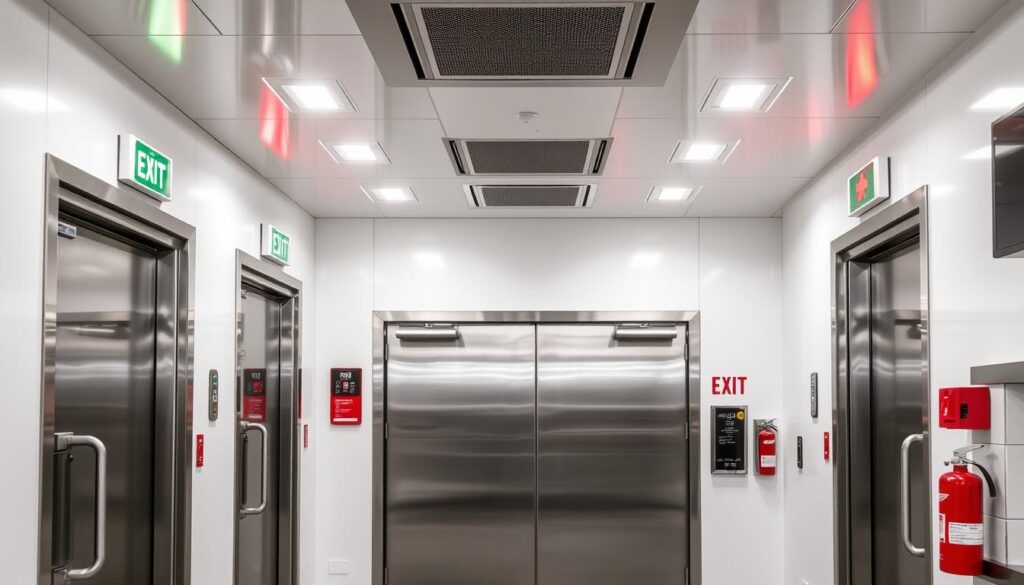
emergency access systems

User Protection Mechanisms

As we design kitchens, we must prioritize user protection mechanisms to ensure a safe and secure environment. This involves integrating various features that minimize the risk of accidents and injuries. By focusing on user protection, we can create kitchens that are not only functional but also safe for users.

Our approach to user protection involves a combination of anti-slip solutions, ergonomic safety features, and protection from sharp edges and corners. These features are critical in preventing accidents and ensuring that users can move freely and safely within the kitchen.

Key Features of User Protection Mechanisms

  • Anti-slip flooring to prevent slips and falls
  • Ergonomic design to reduce strain and discomfort
  • Protection from sharp edges and corners to prevent injuries

By incorporating these features into our kitchen design, we can provide a high level of user protection and create a safe and secure environment for users. Our goal is to bridge architectural vision with manufacturing reality through precision and expertise, and user protection mechanisms are a critical aspect of this process.

Hazard Prevention Through Design

As we prioritize kitchen safety engineering, hazard prevention becomes a critical aspect of our design process. By identifying and mitigating potential hazards, we can create a secure and reliable kitchen environment. This approach involves a comprehensive analysis of the kitchen design, identifying potential hazards and implementing measures to mitigate or eliminate them.

Our goal is to minimize the risk of accidents and injuries, creating a safe and healthy working environment for users. To achieve this, we follow industry standards and guidelines for hazard prevention, ensuring that our designs meet the highest safety standards.

Some key considerations in hazard prevention through design include:

  • Electrical safety features, such as grounding and circuit protection
  • Fire safety systems, including suppression technologies and heat detection
  • Ventilation systems, designed to remove hazardous fumes and particles

By incorporating these features into our kitchen designs, we can significantly reduce the risk of accidents and injuries. As we continue to prioritize hazard prevention through design, we can create safer, more reliable kitchen environments for users.

Conclusion: Implementing Kitchen Safety Engineering

In conclusion, kitchen safety engineering is a vital element in designing functional and secure kitchens. By prioritizing safety, we can create environments that protect users and prevent damage to property. Our comprehensive approach to kitchen safety engineering involves analyzing the design, identifying potential hazards, and implementing measures to mitigate or eliminate them.

Through integrating safety engineering principles, we can minimize the risk of accidents and injuries, ensuring a safe and comfortable working environment. From fire suppression systems to ergonomic features, every aspect of the kitchen design is thoughtfully considered to enhance user protection. By maintaining a focus on safety engineering, we can bridge the gap between architectural vision and practical manufacturing reality, delivering kitchens that are not only beautiful but also exceptionally safe.

As we continue to evolve kitchen design, safety engineering will remain a top priority, guiding us towards creating spaces that prioritize the well-being of all who use them. By upholding industry standards and best practices, we can elevate the level of kitchen safety, providing our clients with the peace of mind they deserve.

material selection

Technical Framework for Kitchen Material Selection

We recognize the significance of a well-structured material selection process in kitchen design, as it directly impacts the overall aesthetic and functional quality of the space. Our collective expertise in custom cabinetry manufacturing enables us to provide a comprehensive framework for kitchen material selection, ensuring that architects and contractors can make informed decisions. The process of material selection is crucial, as it involves evaluating various kitchen materials to determine their suitability for specific applications.

As we delve into the world of kitchen materials, we will explore the various options available, including their characteristics, benefits, and limitations. Our goal is to provide a technical framework that streamlines the material selection process, facilitating the creation of high-end custom cabinetry solutions that meet the precise needs of our clients. By understanding the importance of material selection, we can ensure that the chosen kitchen material aligns with the desired aesthetic and functional requirements, ultimately enhancing the overall quality of the kitchen space.

The material selection process is a critical component of kitchen design, as it involves evaluating various factors, including durability, sustainability, and cost. By considering these factors, architects and contractors can select kitchen materials that not only meet but exceed their clients’ expectations. Our technical framework is designed to provide a structured approach to material selection, ensuring that all relevant factors are considered and that the chosen kitchen material is suitable for the intended application.

Key Takeaways

  • Material selection is a critical component of kitchen design, impacting the overall aesthetic and functional quality of the space.
  • A comprehensive framework for kitchen material selection is essential for making informed decisions.
  • Various kitchen materials have distinct characteristics, benefits, and limitations that must be evaluated.
  • Durability, sustainability, and cost are key factors to consider in the material selection process.
  • A structured approach to material selection ensures that all relevant factors are considered, resulting in the selection of suitable kitchen materials.
  • Our technical framework is designed to streamline the material selection process, facilitating the creation of high-end custom cabinetry solutions.

Understanding the Fundamentals of Material Selection

When it comes to selecting materials for kitchen projects, we consider several factors that influence the decision-making process. As architects and contractors, we need to balance durability requirements with maintenance needs to ensure the chosen materials meet the desired standards. Our goal is to provide a comprehensive understanding of the factors that influence material selection, enabling informed decisions.

We examine various material properties, including their composition, strength, and durability. Industry standards and classifications also play a crucial role in material selection, as they provide a framework for evaluating and comparing different materials. By considering these factors, we can make informed decisions that meet the needs of our clients and the requirements of the project.

Core Material Properties

Core material properties, such as density, hardness, and thermal conductivity, are essential in determining the suitability of a material for a particular application. For instance, materials with high density and hardness are often preferred for countertops and flooring due to their durability and resistance to wear and tear.

Industry Standards and Classifications

Industry standards and classifications, such as those set by the National Kitchen and Bath Association (NKBA) and the International Organization for Standardization (ISO), provide a framework for evaluating and comparing different materials. These standards and classifications help ensure that materials meet specific requirements for safety, quality, and performance.

Material Performance Metrics

Material performance metrics, including durability requirements and maintenance needs, are critical in evaluating the suitability of a material for a particular application. By considering these metrics, we can select materials that meet the desired standards for performance, safety, and sustainability.

By understanding the fundamentals of material selection, including core material properties, industry standards and classifications, and material performance metrics, we can make informed decisions that meet the needs of our clients and the requirements of the project. This knowledge enables us to balance durability requirements with maintenance needs, ensuring the chosen materials meet the desired standards for performance, safety, and sustainability.

Essential Durability Requirements for Kitchen Materials

We consider practical considerations when selecting kitchen materials, taking into account factors such as environmental conditions, usage, and maintenance. The durability of kitchen materials is crucial to ensure they withstand the test of time and heavy use.

When evaluating the durability of kitchen materials, we must consider installation requirements to ensure a proper fit and finish. This includes assessing the material’s ability to withstand various environmental factors, such as temperature and humidity fluctuations.

Some key factors that affect the durability of kitchen materials include:

  • Material composition and quality
  • Manufacturing process and craftsmanship
  • Installation and maintenance procedures

By considering these factors andpractical considerations, we can select kitchen materials that meet our needs and withstand the demands of a busy kitchen.

As we strive to create high-end custom cabinetry manufacturing solutions, we prioritize the selection of durable kitchen materials that balance form and function.

Our goal is to provide a clear understanding of the durability requirements for kitchen materials, enabling architects and contractors to make informed decisions when selecting materials for their projects. By prioritizing installation requirements and practical considerations, we can ensure that our kitchen materials meet the highest standards of quality and durability.

Material Performance Testing and Quality Assurance

When it comes to selecting materials for kitchen projects, we consider the importance of cost analysis and aesthetic integration. This involves evaluating how different materials will perform over time, taking into account factors such as durability, maintenance, and visual appeal.

A thorough material selection process is crucial for ensuring that the chosen materials meet the required standards. This process involves conducting standard testing procedures to assess the material’s performance, including its resistance to heat, moisture, and wear.

Standard Testing Procedures

These procedures are designed to evaluate the material’s properties, such as its strength, flexibility, and chemical resistance. By conducting these tests, we can determine whether the material is suitable for its intended use.

material testing

Quality Control Methods

Quality control methods are essential for ensuring that the materials meet the required standards. This involves inspecting the materials for any defects or irregularities, and conducting regular tests to ensure that they continue to meet the required standards.

By considering cost analysis and aesthetic integration, we can select materials that not only meet the required standards but also fit within the project’s budget and design requirements. This approach enables us to create high-quality kitchen spaces that are both functional and visually appealing.

Cost Analysis Framework and Budget Considerations

When selecting materials for kitchen projects, we consider various factors that affect the cost, including material selection, installation, and maintenance. Environmental factors also play a significant role in this process, as they can impact the overall cost and sustainability of the project.

A thorough cost analysis framework is essential to ensure that the selected materials meet the budget considerations while also considering environmental factors. This involves evaluating the costs of different materials, including their procurement, installation, and maintenance costs.

Some key considerations in the cost analysis framework include:

  • Material costs: The initial cost of the materials, including any necessary hardware or accessories.
  • Installation costs: The cost of labor and equipment required to install the materials.
  • Maintenance costs: The cost of maintaining the materials over their lifespan, including any necessary repairs or replacements.
  • Environmental factors: The impact of the materials on the environment, including their sustainability, recyclability, and potential for waste reduction.

By considering these factors and environmental factors, we can develop a comprehensive cost analysis framework that helps architects and contractors make informed decisions about material selection and budget considerations.

Environmental Impact Assessment of Kitchen Materials

When selecting materials for kitchen projects, it is essential to consider the environmental impact. We must evaluate the sustainability metrics of various materials, including their carbon footprint and recycling potential. By doing so, we can make informed decisions that balance durability requirements with maintenance needs.

A key factor in environmental impact assessment is the material’s life cycle. We must consider the production process, transportation, installation, and eventual disposal or recycling of the material. This comprehensive approach enables us to identify areas for improvement and reduce the overall environmental footprint of our kitchen projects.

To mitigate the environmental impact of kitchen materials, we can adopt several strategies. These include:

  • Specifying materials with high recyclability and reusability
  • Optimizing material usage to minimize waste
  • Implementing sustainable installation and maintenance practices

By incorporating these strategies into our material selection process, we can reduce the environmental impact of our kitchen projects while meeting durability requirements and maintenance needs.

MaterialRecyclabilityCarbon Footprint
WoodHighLow
SteelHighMedium
PlasticLowHigh

By considering the environmental impact of kitchen materials and adopting sustainable practices, we can create kitchen spaces that are not only functional and aesthetically pleasing but also environmentally responsible.

Advanced Material Selection Methodology

When it comes to selecting materials for kitchen projects, we consider practical considerations such as durability, maintenance, and cost. These factors play a crucial role in determining the suitability of a material for a particular project.

In addition to practical considerations, installation requirements must also be taken into account. This includes factors such as the material’s weight, size, and complexity of installation. By considering these factors, we can ensure that the selected material meets the project’s technical and aesthetic requirements.

Some key factors to consider when selecting materials include:

  • Material properties, such as strength and durability
  • Performance metrics, such as water resistance and thermal insulation
  • Environmental impact, such as sustainability and recyclability

By carefully evaluating these factors and considering practical considerations and installation requirements, we can select materials that meet the project’s needs and ensure a successful outcome.

By following this advanced material selection methodology, architects and contractors can make informed decisions and select materials that balance technical, aesthetic, and environmental requirements.

MaterialPractical ConsiderationsInstallation Requirements
WoodDurability, maintenanceWeight, size, complexity of installation
StoneStrength, water resistanceWeight, size, special handling requirements

Integration of Aesthetic Requirements with Technical Specifications

When selecting materials for kitchen projects, it is essential to consider both technical specifications and aesthetic requirements. A thorough cost analysis can help architects and contractors make informed decisions about the materials they choose. This analysis should take into account not only the initial cost of the materials but also their long-term durability and maintenance requirements.

Aesthetic integration is also crucial, as it can greatly impact the overall look and feel of the kitchen. This includes considering factors such as color, texture, and pattern. By carefully evaluating these factors, architects and contractors can create a kitchen that is both functional and visually appealing. A well-designed kitchen can also increase the value of a property, making it an important consideration for homeowners and investors alike.

Some key factors to consider when evaluating aesthetic integration include:

  • Design compatibility: How well do the materials complement the overall design of the kitchen?
  • Surface treatment options: What options are available for treating the surface of the materials, and how will they impact the aesthetic appeal of the kitchen?
  • Visual performance standards: What standards should be used to evaluate the visual performance of the materials, and how will they impact the overall look and feel of the kitchen?

By considering these factors and conducting a thorough cost analysis, architects and contractors can create a kitchen that meets both technical specifications and aesthetic requirements. This can help to ensure that the kitchen is not only functional but also visually appealing, making it a valuable asset for any property.

MaterialCostAesthetic Appeal
GraniteHighHigh
MarbleHighHigh
LaminateLowLow

Installation Requirements and Technical Constraints

When it comes to installing kitchen materials, environmental factors play a significant role. We must consider the impact of our choices on the environment and ensure that our installation methods are sustainable. This includes taking into account the materials’ properties, performance metrics, and environmental factors such as energy efficiency and waste reduction.

To achieve a successful installation, we must consider the following factors:

  • Material compatibility
  • Performance metrics
  • Environmental factors such as energy efficiency and waste reduction

By considering these factors, we can ensure that our kitchen materials are installed in a way that is both technically sound and environmentally responsible.

Our goal is to provide a clear understanding of the installation requirements and technical constraints, enabling architects and contractors to select materials that meet their needs while also considering environmental factors. By working together, we can create kitchen spaces that are both functional and sustainable.

Maintenance Protocol Development

As we consider the various factors that affect the maintenance of kitchen materials, we must prioritize durability requirements and maintenance needs. This involves developing a comprehensive maintenance protocol that addresses cleaning requirements, long-term care specifications, and repair and replacement guidelines.

When selecting materials for kitchen projects, we must consider the potential maintenance needs and durability requirements. This includes evaluating the material’s resistance to wear and tear, as well as its ability to withstand various cleaning products and methods.

Cleaning Requirements

Cleaning requirements are a critical aspect of maintenance protocol development. Different materials have unique cleaning needs, and failure to follow these requirements can result in damage or deterioration. For example, some materials may require gentle cleaning products, while others can withstand more aggressive cleaning methods.

Long-term Care Specifications

Long-term care specifications are also essential for maintaining the quality and durability of kitchen materials. This includes regular inspections, maintenance, and repairs to prevent damage and extend the material’s lifespan. By prioritizing durability requirements and maintenance needs, we can ensure that our kitchen materials remain functional and aesthetically pleasing for years to come.

Repair and Replacement Guidelines

Finally, repair and replacement guidelines are necessary for addressing any damage or deterioration that may occur. This includes identifying the root cause of the issue, selecting the appropriate repair or replacement method, and ensuring that the material is restored to its original condition. By following these guidelines, we can minimize downtime, reduce costs, and maintain the overall quality of our kitchen materials.

By considering durability requirements and maintenance needs, we can develop a comprehensive maintenance protocol that ensures the long-term quality and functionality of our kitchen materials. This involves evaluating cleaning requirements, long-term care specifications, and repair and replacement guidelines to create a tailored maintenance plan that meets the unique needs of each material.

maintenance protocol development

MaterialCleaning RequirementsLong-term Care SpecificationsRepair and Replacement Guidelines
WoodGentle cleaning productsRegular polishing and waxingRefinishing or replacing damaged areas
StonePH-neutral cleaning productsRegular sealing and cleaningRepairing or replacing cracked or damaged areas
LaminateMild cleaning productsRegular cleaning and maintenanceReplacing damaged or worn-out areas

Risk Assessment and Mitigation Strategies

When selecting materials for kitchen projects, we consider various factors that affect risk assessment and mitigation strategies. Practical considerations play a crucial role in this process, as they help us evaluate the potential risks associated with different materials. For instance, the durability and performance of materials are essential factors to consider, as they can impact the overall safety and functionality of the kitchen.

Another critical aspect is installation requirements, which can significantly influence the risk assessment and mitigation strategies. We must consider the specific installation needs of each material, including any special handling or preparation requirements. By taking these factors into account, we can develop effective risk assessment and mitigation strategies that ensure the successful completion of kitchen projects.

To illustrate this, let’s consider the following factors that affect risk assessment and mitigation strategies:

  • Material properties, such as durability and resistance to heat and moisture
  • Performance metrics, including safety and functionality standards
  • Environmental impact, such as sustainability and recyclability

By carefully evaluating these factors and considering practical considerations and installation requirements, we can develop comprehensive risk assessment and mitigation strategies that ensure the successful completion of kitchen projects.

MaterialPractical ConsiderationsInstallation Requirements
WoodDurability, maintenance requirementsSpecial handling, finishing requirements
StoneHeat resistance, slip resistanceSealing requirements, weight considerations

Conclusion: Implementing Your Material Selection Framework

As we conclude our technical framework for kitchen material selection, it’s essential to highlight the key considerations of cost analysis, aesthetic integration, and environmental factors. These elements are crucial in ensuring the success of any kitchen project, from both a practical and design perspective.

By carefully analyzing the cost analysis of materials, you can optimize your budget and make informed decisions that balance performance and value. Similarly, the aesthetic integration of materials is paramount, as it sets the tone for the overall kitchen design and contributes to the overall visual appeal.

Furthermore, the environmental factors surrounding kitchen materials cannot be overlooked. Sustainability, carbon footprint, and recyclability are increasingly important considerations that demonstrate your commitment to responsible design and environmental stewardship.

Implementing this comprehensive material selection framework empowers architects and contractors to create kitchen spaces that not only meet technical requirements but also align with client expectations and broader sustainability goals. By striking the right balance between cost, aesthetics, and environmental impact, you can deliver exceptional kitchen solutions that stand the test of time.