Tag: kitchen storage solutions

corner cabinet solutions

Corner Solutions: Maximizing Dead Space in Kitchen Cabinetry

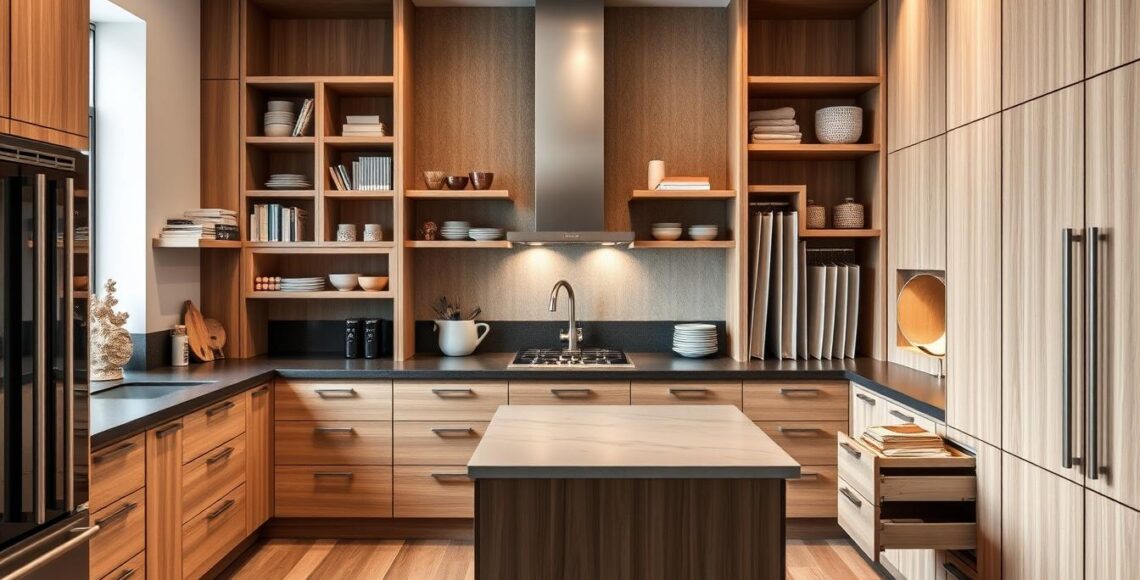
We know how crucial it is to make the most of kitchen space, especially in corners. Corner cabinet solutions offer lots of storage and easy access. This makes the most of space that’s often wasted. Homeowners can improve their kitchen’s look and function with these solutions.

We’re experts in making custom cabinets. We know how to turn design ideas into real products. Our goal is to give high-end solutions that meet the needs of architects and contractors. With the right corner cabinets, we can make kitchens that look great and work well.

Our team uses our knowledge of corner cabinets to help homeowners and designers. We focus on creating kitchens that fit their needs. Our approach combines technical skill with understanding the importance of using every inch of space in kitchen cabinets.

Key Takeaways

  • Corner cabinet solutions can provide ample storage and accessibility in kitchen corners.
  • Corner access and storage mechanisms are essential for maximizing dead space in kitchen cabinetry.
  • Custom cabinetry manufacturing requires precision and expertise to bridge architectural vision with manufacturing reality.
  • High-end corner cabinet solutions can enhance a kitchen’s functionality and aesthetic appeal.
  • Collaboration between architects, contractors, and manufacturers is crucial for delivering successful custom cabinetry projects.
  • By optimizing corner spaces, homeowners can create more efficient and functional kitchens.

Understanding the Challenge of Corner Cabinet Spaces

Kitchen design often faces a big challenge with corner cabinets. These areas can be tough to access and use. That’s why movement systems and hardware solutions are key to making the most of them.

Let’s look at the main problems with corner cabinets:

  • Limited accessibility: Corner cabinets can be hard to reach, making it difficult to store and retrieve items.
  • Inadequate storage: The unique shape of corner cabinets can make it challenging to optimize storage capacity.
  • Poor space utilization: Corner cabinets often result in dead space, which can be frustrating for homeowners and designers alike.

By understanding these challenges, we can find good solutions. This might include using special hardware solutions or movement systems to improve access and use. As we explore corner cabinet design, we’ll look at different ways to solve these problems.

As we continue, it’s key to think about how corner cabinet design affects kitchen function. By focusing on space utilization and using smart hardware solutions and movement systems, we can make kitchens more efficient and beautiful. This meets the needs of both homeowners and designers.

Types of Corner Cabinet Solutions for Modern Kitchens

We know how key it is to use every inch of kitchen space for better storage efficiency. The blind corner can be a big problem, making it hard to reach items. To solve this, many corner cabinet solutions have been created, each with its own benefits.

Popular choices include rotating storage systems. They make it easy to get to items in the corner access. These systems can be tailored to match any kitchen style, blending well with the kitchen’s look.

Choosing the right corner cabinet solution is important. You need to think about your kitchen’s layout, what you’ll store, and how efficient you want it to be. The right choice can make your kitchen more organized and functional.

  • Rotating storage systems for easy corner access
  • Customizable solutions to fit different kitchen layouts and designs
  • Enhanced storage efficiency to maximize corner space

By picking the right corner cabinet solution, we help make kitchens both beautiful and useful. Architects and contractors can create custom cabinets that meet their clients’ needs, ensuring a kitchen that looks great and works well.

The Magic Corner System: Revolutionary Space Utilization

The Magic Corner system is a big change in kitchen cabinets. It offers unmatched access and storage. It uses smart movement systems and hardware to make corner cabinets fully functional and easy to reach. Our team finds it easy to install and maintain, appealing to both homeowners and contractors.

This system stands out in accessibility design. Its clever movement systems make accessing stored items simple. It fits kitchens of all sizes well. You can choose from various hardware options to fit your needs and budget. We’re here to help with your choices.

Some key benefits of the Magic Corner system include:

  • Optimized storage capacity
  • Easy installation and maintenance
  • Customizable hardware solutions
  • Enhanced accessibility design

When looking at the cost of the Magic Corner system, consider its benefits. It might need special hardware and labor. But its long-term advantages and better access make it worth it for many. Our team is ready to give you detailed cost and installation info to help you decide.

Lazy Susan Mechanisms: Traditional Yet Effective

Lazy Susan mechanisms are a classic way to use corner space in cabinets. They offer easy corner access to items stored inside. This setup makes the most of the corner area, turning it into a useful storage system.

Our team helps design and build custom Lazy Susans for various needs and budgets. We focus on creating storage mechanisms that are both useful and look good in kitchens.

Some key benefits of Lazy Susan mechanisms include:

  • Easy access to stored items
  • Maximized corner space
  • Efficient storage system
  • Customizable to meet specific needs and budget requirements

Adding Lazy Susan mechanisms to kitchen cabinets makes storage more efficient. Homeowners can better use their space. Our team is committed to creating top-notch, custom storage solutions for each client’s unique needs.

Pull-Out Corner Storage Systems

Pull-out corner storage systems are a top pick for boosting kitchen storage. They make it easy to access your kitchen items, using space that’s often wasted. This way, you can store all your kitchen essentials efficiently.

The quality of the hardware is key to these systems working well. Choose durable hardware that can handle the weight of what you store. This keeps your system working great for a long time.

Single-Tier vs Multi-Tier Options

You can pick between single-tier and multi-tier systems, based on what you need. Single-tier is good for big items, while multi-tier fits more stuff. Think about the weight and durability of the hardware to pick the right one for your kitchen.

Maintenance Requirements

Keeping your pull-out corner storage system in good shape is important. Clean and check the hardware regularly to avoid damage. This keeps your system running smoothly and efficiently.

Smart Technology Integration in Corner Cabinetry

We lead in adding smart tech to corner cabinets, opening up new ways to make them more useful and easy to use. We use movement systems and sensors to make cabinets that store and get items automatically. This makes it simpler for people to find what they need.

Our team works with architects and contractors to make top-notch corner cabinets with the newest smart tech. We focus on accessibility design and storage efficiency. This helps us build kitchens that are better for the planet.

Smart tech in corner cabinets brings many benefits, including:

  • Automated storage and retrieval systems
  • Optimized storage efficiency
  • Less energy use
  • Better accessibility design for homeowners

Smart tech lets us make corner cabinets that meet changing needs of homeowners and architects. We stay true to our promise of quality and skill.

DIY Corner Cabinet Optimization Tips

Homeowners can make their corner cabinets more useful without hiring a pro. There are many DIY tips and tricks to try. With the right tools and materials, you can turn your corner cabinet into a space-saving gem.

Choosing the right storage is key to optimizing your corner cabinet. Options like pull-out shelves or lazy susans can help. These solutions make your cabinet more functional and help you use every inch of space.

Tools and Materials Needed

  • Measuring tape
  • Drill and bits
  • Screws and hinges
  • Shelves and storage mechanisms

By following these DIY tips and using the right tools, you can make your kitchen more efficient. You’ll get the most out of your corner cabinet and improve your kitchen’s overall space.

Professional Installation vs Self-Installation

Homeowners face a choice when installing corner cabinets: go pro or DIY. DIY might save money, but it’s not always the best for complex systems. These systems need special hardware solutions and a good grasp of accessibility design.

Professional installers focus on getting it right, with an eye for detail and storage efficiency. Our team works with architects and contractors to fit the cabinets perfectly into your kitchen. The perks of going pro include:

  • Correct installation of complex corner cabinet systems
  • Attention to detail and focus on accessibility design
  • Optimization of storage efficiency
  • Seamless integration with the overall kitchen design

Choosing professional installation means your corner cabinets will be installed flawlessly. This creates a kitchen that’s both functional and beautiful, meeting and exceeding your expectations.

Conclusion: Making the Most of Your Kitchen Corners

In the world of kitchen design, using every inch of space is key. This article has shown how corner cabinet solutions can turn unused kitchen corners into useful storage. By focusing on space utilization and storage efficiency, kitchens can look great and work better.

There are many ways to make the most of kitchen corners. From the Magic Corner system to pull-out storage, each option has its own benefits. These solutions help create kitchens that are both beautiful and functional.

Our team is dedicated to improving kitchen design. We offer custom cabinetry manufacturing solutions that turn ideas into reality. We work with architects, contractors, and homeowners to make kitchens that are not only beautiful but also practical.

FAQ

What are the common issues with corner cabinets?

Corner cabinets often have limited access and poor storage. They can also waste space, making kitchens less efficient.

How do the Magic Corner system and Lazy Susan mechanisms work?

The Magic Corner system uses advanced tech to make corner cabinets fully functional. Lazy Susan mechanisms offer a rotating platform for easy access to items.

What are the different types of pull-out corner storage systems available?

There are single-tier and multi-tier pull-out systems. Homeowners can pick what fits their needs best. It’s key to check the system’s weight capacity, durability, and upkeep needs.

How can smart technology be integrated into corner cabinetry?

Smart tech in corner cabinets boosts functionality and access. It includes automated storage and sensors for better efficiency and less energy use.

What are the benefits of professional installation compared to self-installation?

Professional install ensures correct setup, focusing on access and efficiency. It’s crucial for complex systems, where DIY might not work well.
storage calculation

Technical Framework for Kitchen Storage Requirements

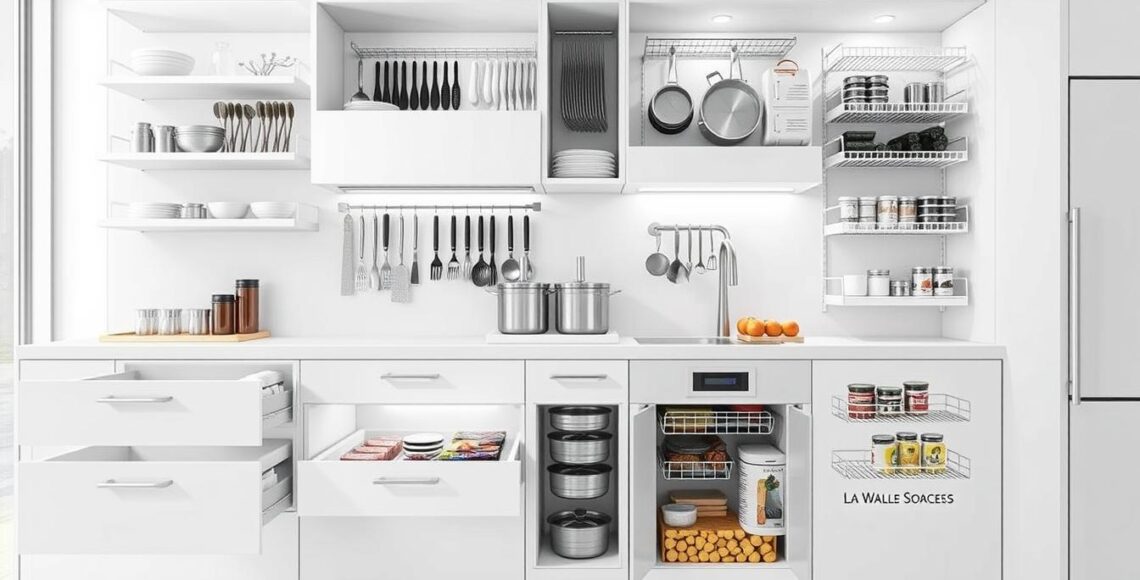
We understand the importance of a well-planned storage system in kitchen design, as it directly impacts the functionality and efficiency of the space. As we work together to create custom cabinetry manufacturing solutions, we recognize the need for precise calculations to ensure our designs meet the specific needs of our clients. This involves careful storage calculation and capacity planning to optimize the use of space.

Our goal is to provide a comprehensive guide to storage calculation, taking into account factors such as capacity planning and usage patterns. By doing so, we can help architects and contractors create high-end custom cabinetry solutions that meet the unique needs of their clients. Effective storage calculation is crucial in achieving this goal, as it enables us to determine the optimal capacity and configuration of storage solutions.

As we delve into the world of kitchen storage, we will explore the technical framework required to create functional and efficient spaces. Our approach will focus on balancing expertise with accessibility, providing clear explanations and measured statements backed by specific data. By considering factors such as storage calculation and capacity planning, we can create custom cabinetry solutions that bridge architectural vision with manufacturing reality.

Key Takeaways

  • Effective storage calculation is crucial in kitchen design
  • Capacity planning is essential for optimizing storage solutions
  • Usage patterns must be considered when designing storage systems
  • Precise calculations are necessary to ensure custom cabinetry meets client needs
  • Storage calculation and capacity planning are critical components of kitchen design
  • High-end custom cabinetry solutions require careful consideration of storage requirements
  • Our approach balances expertise with accessibility, providing clear explanations and practical examples

Understanding the Fundamentals of Kitchen Storage Planning

When it comes to designing a kitchen, storage planning is a crucial aspect to consider. We need to think about the usage patterns of the kitchen and how often certain items are accessed. This helps us determine the best way to organize the space and maximize storage capacity. By considering access frequency, we can create a more efficient and functional kitchen.

A well-planned kitchen storage system takes into account the different zones of the kitchen, such as the cooking zone, preparation zone, and storage zone. Each zone has its own unique requirements and usage patterns. For example, the cooking zone requires easy access to cooking utensils and ingredients, while the storage zone needs to accommodate less frequently used items.

Key Storage Zones in Modern Kitchens

Modern kitchens often feature several key storage zones, including:

  • Cooking zone: stores cooking utensils, pots, and pans
  • Preparation zone: stores ingredients, cutting boards, and knives
  • Storage zone: stores less frequently used items, such as special occasion dishes and cookbooks

Basic Measurement Principles

When designing a kitchen storage system, it’s essential to consider basic measurement principles, such as the height and depth of cabinets, as well as the width of countertops. These measurements will help determine the optimal storage capacity and accessibility of the kitchen.

Storage Hierarchy Concepts

A storage hierarchy is a system that categorizes items based on their usage patterns and access frequency. This helps to prioritize storage space and ensure that the most frequently used items are easily accessible. By implementing a storage hierarchy, we can create a more efficient and organized kitchen storage system.

Essential Tools and Methods for Storage Calculation

We use various tools and methods for storage calculation to create functional and efficient storage systems. Volume calculation is a crucial aspect of this process, as it helps us determine the amount of storage space needed. By considering the specific needs of each zone, we can apply zone organization principles to optimize storage capacity.

When designing a storage system, we consider the importance of kitchen storage in a small space and how it can be applied to larger areas. This involves calculating the volume of each storage module and organizing them into zones to maximize efficiency.

Some key considerations for storage calculation include:

  • Measuring the dimensions of each storage area
  • Calculating the volume of each storage module
  • Organizing storage modules into zones for optimal efficiency

By applying these principles and using the right tools and methods, we can create storage systems that are both functional and efficient, making the most of the available space and meeting the specific needs of each zone through effective zone organization and volume calculation.

Storage ModuleVolume CalculationZone Organization
Upper CabinetLength x Width x HeightKitchen Utensils
Base CabinetLength x Width x HeightCooking Essentials
PantryLength x Width x HeightFood Storage

Analyzing Kitchen Usage Patterns for Optimal Storage

To create an efficient kitchen storage system, we must analyze the usage patterns of the space. This involves understanding how the kitchen is used on a daily basis, including the frequency of access to different areas and the peak usage times. By examining these factors, we can design a storage system that meets the specific needs of the kitchen, reducing congestion and improving workflow.

One key aspect of analyzing kitchen usage patterns is assessing the traffic flow within the space. This includes identifying the most commonly used paths and areas, as well as any potential bottlenecks or congestion points. By understanding the traffic flow, we can design a storage system that minimizes obstacles and allows for easy movement throughout the kitchen.

Traffic Flow Assessment

A traffic flow assessment involves evaluating the movement of people within the kitchen, including the paths they take and the areas they frequent. This can be done by observing the kitchen in use or by creating a diagram of the space and mapping out the typical traffic patterns.

Frequency of Access Mapping

Frequency of access mapping involves identifying the areas of the kitchen that are used most frequently and designing the storage system accordingly. For example, items that are used daily, such as dishes and utensils, should be stored in easily accessible locations, while less frequently used items, such as special occasion dishes, can be stored in less accessible areas.

Peak Usage Time Considerations

Peak usage time considerations involve designing the storage system to accommodate the busiest times of day. For example, if the kitchen is most frequently used during breakfast and dinner, the storage system should be designed to facilitate easy access to the items needed during these times.

By analyzing kitchen usage patterns and considering factors such as traffic flow, frequency of access, and peak usage times, we can create a storage system that is tailored to the specific needs of the kitchen. This can help to reduce congestion, improve workflow, and make the kitchen a more efficient and enjoyable space to use. The usage patterns and access frequency of the kitchen are crucial in determining the optimal storage solution.

kitchen storage optimization

  • Store frequently used items in easy-to-reach locations
  • Use vertical storage to maximize space
  • Label storage containers to facilitate easy identification
  • Consider the workflow of the kitchen and design the storage system accordingly

By following these guidelines and carefully analyzing the usage patterns of the kitchen, we can create a storage system that is both functional and efficient, making the kitchen a more enjoyable and productive space to use.

Zone-Based Storage Organization Framework

We believe that a well-designed kitchen starts with a solid storage organization framework. This is where zone organization comes into play, allowing us to categorize storage into different zones, such as cooking, preparation, and storage. By doing so, we can create a more functional and efficient kitchen layout.

Effective category management is also crucial in this process. By grouping similar items together, we can improve accessibility and reduce clutter. This approach enables us to create a storage system that is both functional and easy to use. Some key considerations for category management include:

  • Grouping frequently used items together
  • Assigning a designated storage space for each category
  • Using labels and signage to facilitate easy identification

By implementing a zone-based storage organization framework and effective category management, we can create a kitchen that is not only beautiful but also highly functional.

Advanced Storage Calculation Techniques for Custom Cabinetry

When it comes to custom cabinetry, precise storage calculation is crucial for creating a functional and safe storage system. We consider the specific needs of our clients, taking into account the materials and construction methods used in our custom cabinetry to ensure they meet the highest standards of quality and durability. This involves careful volume calculation to determine the optimal storage capacity.

To achieve this, we employ advanced techniques such as capacity planning, which enables us to create a storage system that is tailored to our clients’ needs. By analyzing the volume-to-items ratio, we can ensure that the storage system is efficient and effective.

  • Volume-to-items ratio analysis
  • Clearance requirements
  • Weight distribution factors

By carefully considering these factors, we can create a custom cabinetry storage system that is both functional and safe.

Volume-to-Items Ratio Analysis

This involves calculating the optimal volume of storage needed to accommodate the items to be stored. By getting this ratio right, we can ensure that the storage system is efficient and effective.

Clearance Requirements

Adequate clearance is essential for safe and easy access to stored items. We take into account the size and shape of the items to be stored, as well as the space available, to determine the optimal clearance requirements.

Weight Distribution Factors

Weight distribution is critical in custom cabinetry storage systems, as it affects the stability and safety of the system. We carefully calculate the weight distribution of the stored items to ensure that the system can support the weight and maintain its structural integrity.

Implementing Category Management Systems

Effective kitchen storage planning involves implementing category management systems. This approach enables us to create a storage plan that is both flexible and adaptable, meeting the changing needs of our clients. By considering category management, we can ensure that our storage systems are organized and efficient.

Primary Storage Categories

Primary storage categories are the foundation of a well-organized kitchen. These categories include food, cookware, and dinnerware. By assigning a specific storage space for each category, we can maintain a clutter-free kitchen and make the most of our available space. Considering growth allowance is also crucial in this stage, as it allows us to accommodate future expansion and changes.

Secondary Storage Solutions

Secondary storage solutions are designed to support our primary storage categories. These solutions include baskets, bins, and drawers that can be used to store items such as spices, oils, and cleaning supplies. By incorporating secondary storage solutions, we can maximize our storage capacity and keep our kitchen organized.

Some key considerations for implementing category management systems include:

  • Assigning a specific storage space for each category
  • Using secondary storage solutions to support primary categories
  • Considering growth allowance to accommodate future expansion and changes

category management

Growth Allowance and Expansion Planning

As we design a storage system, it’s essential to consider the concept of growth allowance, which enables us to accommodate future expansion and changing needs. By incorporating a growth allowance into our capacity planning, we can create a flexible and adaptable storage plan that meets the evolving requirements of our clients.

When planning for growth allowance, we must consider the overall aesthetic and design of the kitchen, ensuring that our storage systems integrate seamlessly with the surrounding environment. This involves careful consideration of the kitchen’s layout, traffic flow, and frequency of access to different storage areas.

To effectively implement growth allowance and expansion planning, we can follow these key steps:

  • Assess the client’s current and future storage needs
  • Design a flexible storage system that can adapt to changing requirements
  • Incorporate a growth allowance into the capacity planning process

By taking a proactive approach to growth allowance and expansion planning, we can create storage systems that are both functional and aesthetically pleasing, meeting the unique needs of our clients and enhancing their overall kitchen experience.

Technical Specifications for Different Storage Types

When it comes to designing a functional and efficient storage system, we must consider the technical specifications for different storage types. This includes storage calculation and volume calculation to ensure that our storage systems meet the specific needs of our clients.

A thorough storage calculation is crucial in determining the optimal storage capacity for a given space. This involves assessing the available space, the type of items to be stored, and the frequency of access. By considering these factors, we can create a storage system that is both functional and efficient.

Upper Cabinet Calculations

Upper cabinet calculations involve determining the optimal height, width, and depth of the cabinets to maximize storage capacity. This requires careful consideration of the items to be stored, as well as the volume calculation to ensure that the cabinets are proportionate to the available space.

Base Cabinet Requirements

Base cabinet requirements involve assessing the type and quantity of items to be stored, as well as the frequency of access. This information is used to determine the optimal size and configuration of the base cabinets, taking into account the storage calculation and volume calculation to ensure a functional and efficient storage system.

Pantry Space Formulas

Pantry space formulas involve calculating the optimal storage capacity for a given pantry space. This requires consideration of the type and quantity of items to be stored, as well as the volume calculation to ensure that the pantry space is utilized efficiently. By applying these formulas, we can create a pantry space that is both functional and efficient.

Storage TypeStorage CalculationVolume Calculation
Upper CabinetHeight x Width x DepthLength x Width x Height
Base CabinetWidth x Depth x HeightLength x Width x Height
Pantry SpaceLength x Width x HeightVolume = Length x Width x Height

Integration of Smart Storage Solutions

We believe that effective storage systems are crucial for a functional and efficient kitchen. By incorporating smart storage solutions, we can create a space that is both flexible and adaptable, meeting the changing needs of our clients. This is where category management comes into play, allowing us to categorize and prioritize storage needs based on usage and importance.

A well-planned zone organization system is also essential, as it enables us to designate specific areas for different activities and storage needs. This approach helps to maximize space, reduce clutter, and improve overall workflow. By integrating smart storage solutions, we can create a seamless and efficient kitchen environment that enhances the cooking experience.

Some key considerations for integrating smart storage solutions include:

  • Assessing storage needs and categorizing items based on frequency of use
  • Designating specific zones for different activities and storage needs
  • Implementing a category management system to prioritize storage needs
  • Utilizing vertical space and optimizing storage capacity

By incorporating these strategies, we can create a kitchen environment that is both functional and aesthetically pleasing, meeting the unique needs of our clients. Our goal is to provide innovative and effective storage solutions that enhance the overall cooking experience.

Conclusion: Implementing Your Kitchen Storage Framework

In this final section, we have outlined a comprehensive technical framework to help you address your kitchen storage requirements effectively. By understanding the fundamental principles of storage planning, utilizing essential tools and methods, and analyzing usage patterns, you can create a highly efficient and functional storage system tailored to your specific needs.

The key to success lies in implementing a zone-based storage organization framework, leveraging advanced calculation techniques, and integrating smart storage solutions. Careful consideration of capacity planning, growth allowance, and technical specifications for different storage types will ensure your kitchen remains organized and adaptable over time.

Remember, a well-designed kitchen storage system not only improves workflow and reduces clutter but also enhances the overall functionality and value of your kitchen. By following the guidelines presented in this article, you can confidently create a storage framework that optimizes both your kitchen’s efficiency and your family’s lifestyle.

kitchen storage solutions

Maximizing Storage in Irregular Kitchen Layouts: Solutions for Challenging Spaces

We know that irregular kitchen layouts can be tough for storage. We aim to make these spaces work better by creating smart storage solutions. Our custom cabinetry can turn tricky areas into useful spots, thanks to clever space use and corner solutions.

Our team helps architects and contractors solve storage problems in odd-shaped kitchens. We use our skills to make every kitchen a place for storing things. We understand the hurdles of odd kitchen shapes and offer creative solutions. These solutions help make the most of every inch, including corners.

We want to share ideas that make odd spaces work well. By working with us, architects and contractors get our help in making kitchens that look great and work well. Our solutions include smart storage and clever use of corners, making clients happy.

Understanding the Challenges of Irregular Kitchen Layouts

Kitchens with irregular layouts face big storage challenges. These spaces can cut down on storage and make it hard to use the area well. To find good storage solutions, we must understand these challenges and spot problem spots.

Custom storage can solve these issues by offering tailored options for odd spaces. It helps us use every inch of space, making the kitchen more useful. Kitchens with L-shapes, U-shapes, or narrow designs often need special solutions because of their layout.

Common Layout Irregularities

  • L-shapes: These layouts can create dead corners that are hard to reach and use.
  • U-shapes: These layouts can create narrow passages that limit storage options.
  • Narrow kitchens: These layouts can make it hard to fit in standard storage solutions.

Knowing these common layout issues helps us create custom storage solutions. We can use corner cabinets, pull-out drawers, and other creative solutions to make the most of the space.

Impact on Storage Capacity

The effect of irregular kitchen layouts on storage is huge. Bad storage can lead to cluttered countertops, wasted space, and less functionality. By improving storage efficiency, we can make kitchens more functional and efficient for homeowners.

Essential Kitchen Storage Solutions for Awkward Spaces

Dealing with awkward kitchen spaces can be tough. That’s why we focus on cabinet organization and space planning. These help create storage that fits the kitchen’s needs perfectly. This way, every item has its spot, making the space efficient and comfortable.

Ergonomic design is key in kitchen storage. It lets users get to items easily and safely. We design storage keeping the user’s path in mind. This means less bending and stretching.

  • Placing frequently used items in easy-to-reach locations
  • Using pull-out shelves and drawers to reduce bending and stretching
  • Installing cabinets with adjustable shelves to accommodate items of different sizes

By following these ideas, we make kitchens that are both useful and comfy. We’ll keep looking into kitchen storage, especially for tricky spots. This includes custom cabinets and new storage ideas.

Assessing Your Kitchen’s Storage Potential

To make a good storage plan, we need to check the kitchen’s storage space. We measure the space, map out the flow, and find unused areas. This helps us find the best storage for your kitchen, considering its needs and challenges. We aim to use space optimization to make the most of your kitchen’s storage.

We’ll work with you to spot areas for better storage and plan accordingly. We measure your kitchen’s space, including room size, door and window locations, and fixture spots. We also look at how people move around to find the best storage spots.

Measuring Available Space

Measuring your kitchen’s space is key to finding the right storage. We take exact measurements of walls, floors, and ceilings. We also note any plumbing or electrical issues that might affect storage.

Mapping Traffic Flow

Understanding how people move in your kitchen helps us place storage wisely. We study the paths people take and find spots for storage that don’t block the way. This makes your kitchen more accessible and efficient.

Identifying Dead Zones

Finding unused areas in your kitchen is important for better storage. We look at the layout and find spots like corners or areas behind doors that aren’t used. Then, we plan to use these spots for storage with custom storage and corner solutions.

By checking your kitchen’s storage needs and making a plan, we can make your kitchen work better. Our team will help you create a space that’s both functional and beautiful. We’ll use space optimization, corner solutions, and custom storage to make the most of your kitchen.

Smart Corner Cabinet Solutions

We know that corner cabinets can be tough to use in a kitchen. That’s why we create smart solutions to make them useful. We add custom storage like carousel units or lazy Susans. This way, your kitchen becomes more organized and easy to use.

We look at what your kitchen needs and design storage that fits. You might find:

  • Carousel units for easy access to items
  • Lazy Susans for efficient storage and retrieval
  • Custom shelving and drawers to use space well

Our designs make your kitchen more efficient and organized. We aim to provide storage that suits your kitchen’s unique needs. This way, we maximize every corner and make your kitchen better.

Our team works with architects and contractors to create top-notch custom cabinetry. We use our knowledge of kitchen design to make your storage solutions better. This improves your kitchen’s efficiency and functionality.

Vertical Storage Optimization Techniques

Maximizing storage in small kitchens is key. We use vertical space to make kitchens more organized and efficient. This way, we reduce clutter and make the kitchen a better place to work.

We aim to merge design with practicality in our custom cabinetry. Our focus is on making every part of the kitchen useful and easy to access. This ensures a functional and comfortable kitchen space.

Ceiling-Height Cabinets

Ceiling-height cabinets are great for storing items you don’t use often. They keep your kitchen tidy and make cooking and entertaining easier.

Wall-Mounted Options

Wall-mounted shelves and pot racks add more storage. They keep essentials within reach, making your kitchen a more comfortable place to be.

Stackable Storage Systems

Stackable systems are a smart way to save space. They can be tailored to fit your needs, making every inch count. This approach helps us optimize your kitchen’s layout.

Using these techniques, we create kitchens that are both beautiful and practical. Our focus on space, organization, and design ensures a kitchen that’s a joy to use.

Custom Cabinetry for Unusual Angles

We specialize in making custom storage for odd-shaped spaces. We help kitchens with weird angles by creating smart storage solutions. Our team is great at turning design ideas into real cabinets.

We design and build cabinets that fit your kitchen perfectly. This makes your kitchen more organized and useful. Our custom storage solutions solve the problems of irregular spaces and boost storage efficiency.

Some benefits of our custom cabinetry include:

  • Maximized storage capacity
  • Improved organization and functionality
  • Enhanced aesthetic appeal

Our experts work with architects and contractors to create custom cabinets. We understand the challenges of odd spaces. This lets us make custom storage that improves storage efficiency and kitchen function.

Space-Saving Solutions for Narrow Kitchens

Narrow kitchens need creative ideas to fit more storage without feeling cramped. We can do this by optimizing space, using corner solutions, and organizing cabinets smartly.

Optimizing Storage Capacity

To use space well, we can install pull-out pantry systems, slim carts, and storage between cabinets. These ideas help us use every inch, making our kitchen more efficient and tidy.

Key Space-Saving Solutions

  • Pull-out pantry systems for easy access to food and cooking essentials
  • Slim rolling carts for additional counter space and storage
  • Between-cabinet storage for maximizing vertical space

By using these space-saving ideas, we can make a narrow kitchen both useful and cozy. It’s all about smart space use, corner solutions, and cabinet organization to fit our needs perfectly.

Maximizing Under-Counter Space

Under-counter space in kitchens is often wasted. But, with the right custom storage solutions, it can be used better. Pull-out drawers or shelves help us reach items easily and boost storage efficiency.

A good cabinet organization system changes a kitchen’s function. We design it based on the kitchen’s needs. This might include adjustable shelves, drawer dividers, or special storage for often-used items.

Maximizing under-counter space has many benefits:

  • More storage space
  • Easier access to stored items
  • Better storage efficiency in the kitchen

By choosing custom storage and focusing on cabinet organization, we make kitchens more useful and tidy. This way, we use every inch of space wisely.

Innovative Solutions for Dead Corner Spaces

Dead corner spaces are a common challenge in kitchens. But, with innovative solutions, we can turn these areas into functional storage spaces. By using corner solutions, we can make our kitchens more efficient and organized.

This approach helps reduce clutter and improves the kitchen’s look. It’s all about making the most of the space we have.

One key aspect is ergonomic design. Installing solutions like lazy susans or magic corner units helps. They make it easier to work without bending or stretching.

These solutions can be customized for each kitchen. This ensures the space is used to its full potential.

Corner Solution Options

  • Lazy Susan installations: These rotating shelves provide easy access to stored items, making them ideal for corner spaces.
  • Magic corner units: These units use a combination of shelves and baskets to maximize storage capacity in dead corner spaces.
  • Pull-out corner systems: These systems allow for easy access to stored items, making them perfect for kitchens with limited space.

By using these corner solutions, we can make our kitchens more functional and efficient. We focus on space optimization and ergonomic design. This way, we turn dead corner spaces into valuable storage areas, improving the kitchen’s usability.

Budget-Friendly Storage Alternatives

Optimizing kitchen storage doesn’t have to be expensive. There are many affordable ways to improve space and organization. These solutions help make our kitchens more efficient and organized, using every inch of space.

DIY projects and temporary storage options are great for saving money. Old furniture can be repurposed, and affordable materials can be used for custom storage. Stackable containers and hanging organizers are also cost-effective ways to increase storage.

DIY Solutions

  • Repurposing old furniture, such as turning an old dresser into a kitchen island
  • Using affordable materials, like plywood or MDF, to build custom storage units
  • Creating a pegboard for hanging frequently used items, like pots and pans

Affordable Organizers

Affordable organizers like baskets, bins, and dividers can greatly improve kitchen organization. They help keep our kitchens tidy and make the most of our space. This leads to better space optimization.

By using these budget-friendly solutions, we can make our kitchens more functional and efficient. Whether we want to organize cabinets, increase storage, or use space better, there are many affordable options. These solutions help us achieve our goals without spending a lot of money.

Implementing Your Storage Plan

Maximizing storage in irregular kitchen layouts starts with a good plan. Our team of experts can create a customized storage plan for your kitchen. This plan includes custom storage solutions that use your space wisely.

Good space planning is key to a functional kitchen. We design a storage plan that streamlines your workflow and cuts down on clutter. Our focus on ergonomic design ensures every part of your kitchen is comfortable and easy to use.

When putting your storage plan into action, consider these points:

  • Look at your kitchen’s storage potential and find areas to improve
  • Choose storage solutions that match your lifestyle and cooking habits
  • Add custom storage like pull-out pantries or adjustable shelving to use space better

Together, we can make your kitchen both beautiful and functional. Our space planning and ergonomic design skills ensure your kitchen becomes a storage haven. It will make cooking and entertaining a pleasure.

Conclusion: Transforming Your Irregular Kitchen into a Storage Haven

Turning an irregular kitchen into a storage haven is a journey of planning and creativity. We use our skills in custom cabinetry manufacturing and space optimization to tackle your kitchen storage solutions challenges. Our aim is to make your kitchen both beautiful and useful.

We work together to find the best solutions for your kitchen’s layout. We look for unused spots and come up with custom storage ideas. Whether it’s corner cabinets, vertical storage, or solutions for tight spaces, we’re here to help. Our goal is to make your kitchen both functional and stylish.

Starting this journey with us means unlocking your kitchen’s full potential. We’ll turn it into a place that meets your cooking and organizing needs. Together, we’ll face any challenges and create a kitchen that’s both beautiful and practical.