
Tag: Woodworking Tips

wood grain matching

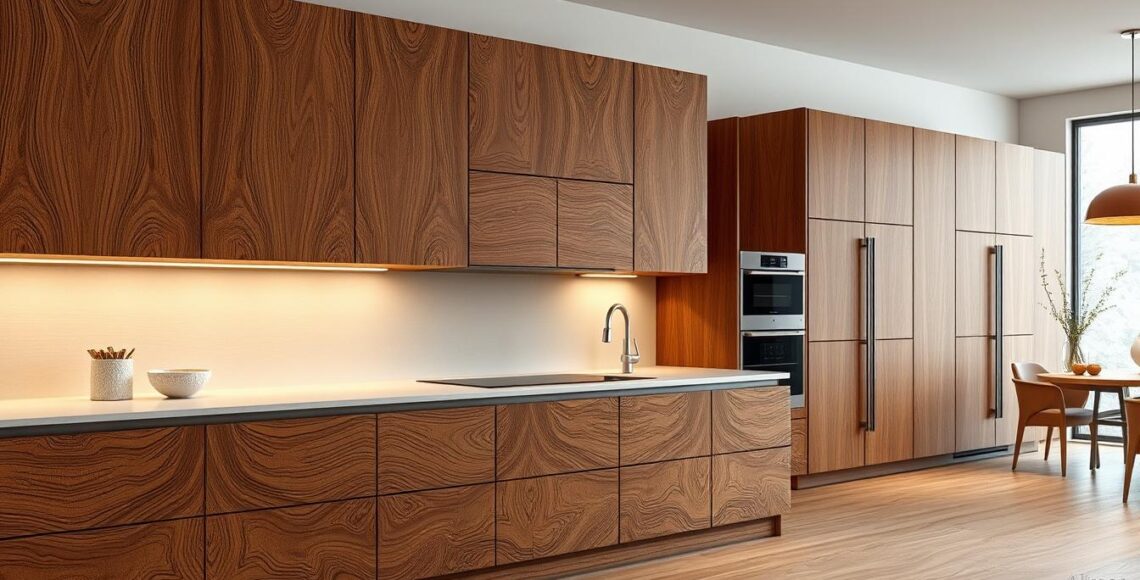
Seamless Transitions: Matching Wood Grains Across Large Cabinet Runs

We know how key it is to have smooth transitions in cabinets. This is true for both looks and function. Matching wood grains across big cabinet areas is a big challenge. It needs a lot of skill and precision to make it look right.

Matching wood grains is like an art. It’s about picking and arranging wood so the grain patterns blend well. This is key in making custom cabinets. We aim to mix design ideas with real-world making, ensuring top quality and looks, including matching wood grains.

In the world of custom cabinets, matching wood grains is very important. It helps make sure the cabinets look good and work well. By getting good at matching wood grains, we can make cabinets that are both beautiful and useful.

Key Takeaways

  • Seamless transitions between cabinet sections are crucial for aesthetic and functional reasons, requiring expertise in wood grain matching.
  • Wood grain matching is an art that requires precision and expertise to create visual continuity.
  • Visual continuity is essential in custom cabinetry manufacturing to bridge architectural vision with manufacturing reality.
  • Mastering wood grain matching is critical for creating cabinet runs that are both functional and visually stunning.
  • Wood grain matching requires careful selection and arrangement of wood pieces to create a smooth flow of grain patterns.
  • Custom cabinetry manufacturing demands attention to detail, including wood grain matching, to ensure the highest quality and aesthetics.
  • By prioritizing wood grain matching and visual continuity, we can create cabinet runs that exceed our clients’ expectations.

Understanding Wood Grain Matching Fundamentals

Wood grain patterns are complex and vary naturally. We study different grain types to match them well in large projects. Choosing the right wood is key to the final look.

Matching wood grain involves several factors. The type of wood, cutting methods, and desired pattern are important. For example, oak and maple have unique patterns that can be highlighted or toned down. The aim is to make the wood look cohesive and beautiful.

Types of Wood Grain Patterns

There are many wood grain patterns, including:

  • Straight grain patterns, found in pine and spruce
  • Irregular grain patterns, common in oak and ash
  • Figured grain patterns, seen in maple and cherry

Natural Variation in Wood Species

Wood species naturally vary, with features like knots and color changes. These can be good or bad, depending on the wood’s use. For instance, a wood with a unique knot might be sought after, while too many mineral streaks might not be suitable.

Knowing about wood grain patterns and natural variations helps us choose the right wood and cutting methods. This skill is crucial for creating top-notch custom cabinets that architects and contractors demand.

The Science Behind Perfect Wood Grain Matching

Getting wood grain to match perfectly is all about material sourcing. Different types of wood have their own grain patterns and properties. This affects how the wood looks in the end. By picking the right materials, we can make sure the grain looks consistent, creating a beautiful and unified look.

The grain direction is also key. It impacts the wood’s strength, stability, and how it looks. Knowing how wood works with its grain direction helps us choose the best materials. This knowledge helps us turn our design ideas into reality, making top-notch custom cabinets.

  • Wood species and their unique grain patterns
  • Grain direction and its impact on strength and stability
  • Material sourcing and selection

By carefully checking these factors and using our knowledge, we make cabinets that go beyond what our clients hope for. We mix beauty with function perfectly.

Essential Tools and Technologies for Grain Pattern Analysis

We know how important technology is in wood grain matching. It’s key for veneer selection and panel matching. Advanced tools and technologies have changed how we analyze and match grain patterns. This makes large cabinet runs look seamless.

We use digital matching software solutions for grain pattern analysis. This tech lets us pick the right veneer and panels for our projects. We consider color, texture, and pattern in our choices.

Digital Solutions for Veneer Selection

Some of the digital tools we use include:

  • Computer-aided design (CAD) software for detailed designs and prototypes
  • Grain matching algorithms for analyzing and matching grain patterns
  • Virtual reality (VR) technology for visualizing and interacting with designs

We also use physical measurement tools for accurate wood piece measurements. This includes calipers, micrometers, and other precise instruments.

Photography and Documentation Equipment

We use top-notch photography and documentation equipment to record and compare grain patterns. This includes:

  • High-resolution cameras for detailed images
  • Microscopes for examining grain patterns at a microscopic level
  • Specialized software for analyzing and comparing images

With these tools and technologies, we ensure precise veneer selection and panel matching. This results in seamless transitions and top-notch quality in our custom cabinetry.

Material Selection and Sourcing Strategies

We know how key material selection and sourcing are for wood grain matching success. Sequence matching is a vital step. It involves arranging wood pieces in a specific order for a seamless grain pattern. This process needs careful planning and execution, considering each wood species’ unique traits.

Choosing the right wood is crucial. We look at grain pattern, color, and texture to meet standards. Our team collaborates with suppliers to find top-quality wood that meets our high standards.

Important factors in material selection and sourcing include:

  • Wood species and grade
  • Grain pattern and direction
  • Color and texture
  • Sustainability and environmental impact

By selecting and sourcing materials with care, we ensure our wood grain matching is of high quality.

Our focus on sequence matching and wood selection ensures every detail is considered. This approach guarantees the best results for our clients.

Advanced Techniques in Veneer Sequence Matching

We focus on making seamless transitions in custom cabinetry. One key method we use is veneer sequence matching. This involves picking and arranging veneer sheets for grain patterns and visual continuity. This way, we create stunning, high-end cabinetry that meets exact architectural visions.

Our team uses advanced techniques for perfect wood grain matches. These include:

  • Book matching methods, which arrange veneer sheets in a pattern for a mirrored look.
  • Slip matching applications, which need careful veneer sheet placement for continuous grain patterns.
  • End matching procedures, which match grain patterns at the end of one sheet with the start of another.

By mastering these techniques, we ensure our custom cabinetry has grain patterns that are stunning and consistent. This focus on detail makes us stand out in the industry. It allows us to deliver top-notch results that meet the highest visual continuity standards.

Our dedication to precision and expertise helps us bring architectural visions to life. This results in custom cabinetry that goes beyond our clients’ expectations.

Planning Large Cabinet Runs for Visual Continuity

Creating large cabinet runs needs visual continuity. Panel matching is key here. It means picking and arranging panels for a smooth grain pattern. The right materials are also crucial for matching grain patterns perfectly.

Planning a large cabinet run well requires careful thought and detail. You must think about the material, grain pattern, and look you want. With good planning, architects and contractors can make cabinets that are both beautiful and useful.

Important things to think about for large cabinet runs include:

  • Panel matching: selecting and arranging panels to create a continuous grain pattern
  • Material sourcing: sourcing the right materials to ensure seamless grain pattern matching
  • Grain pattern: considering the type of grain pattern desired and how it will be achieved

By keeping these points in mind and planning well, architects and contractors can make amazing large cabinet runs.

Manufacturing Processes for Seamless Integration

We know that making custom cabinets work together well needs a lot of care. We pick the veneer carefully to match grain patterns. We also make sure the sequence matches to keep things looking good.

Our making process starts with CNC cutting. We use top software to cut down on waste. Then, we plan how to put everything together to meet our quality standards.

CNC Cutting Specifications

Our CNC tools are set up for exact cuts and smooth finishes. We check our tools often to keep them working right.

Assembly Sequence Planning

Our skilled team plans how to put everything together. They focus on matching grain patterns for a smooth look.

Quality Control Checkpoints

We check our work often to make sure it’s top-notch. We look at the veneer and sequence matching to ensure everything is perfect.

Common Challenges in Wood Grain Matching

Working with wood can bring challenges in matching grain patterns. It’s key to know the grain direction and pick the right wood species. Dealing with natural wood variations is a big hurdle.

Common issues include natural variations in wood, installation issues, and color matching problems. To tackle these, we must carefully consider the grain direction and wood selection. The right wood species can help reduce natural variations.

Dealing with Natural Variations

To handle natural wood variations, choose the right wood species and think about the grain direction. This approach can make the wood look more uniform.

Addressing Installation Issues

Installation problems can be fixed by aligning and securing the wood properly. This ensures the grain pattern looks even and without gaps.

Solving Color Matching Problems

Color matching issues can be solved by picking wood with similar colors and considering the grain direction. This helps create a unified look and hides color differences.

Understanding wood grain matching challenges helps us create stunning wood patterns. By focusing on grain direction and wood selection, we can enhance our projects’ beauty.

Maintaining Consistency Across Multiple Cabinet Sections

Striving for excellence in custom cabinetry means keeping everything consistent. Visual continuity and panel matching are key to a cohesive look. We make sure the wood grain flows smoothly, creating a professional finish.

We focus on visual continuity by picking and arranging wood grain patterns carefully. We consider the wood’s natural variations and how cutting affects the grain. This way, we achieve a balanced and appealing look for the cabinet.

Panel matching is also vital for consistency. We match the grain patterns of panels to create a seamless joint. Using digital software and precise tools, we ensure perfect panel matching quality.

By emphasizing visual continuity and panel matching, we create top-notch custom cabinets. Our skill and attention to detail help turn architectural dreams into reality. This results in truly exceptional products.

Conclusion: Achieving Excellence in Cabinet Design Through Precise Grain Matching

To excel in cabinet design, you need to understand wood grain matching well. This includes finding the right materials and using sequence matching techniques. Every step is crucial for creating beautiful, custom cabinets.

We’ve looked at the basics of wood grain patterns and how cutting affects them. We’ve also talked about the tools and tech for analyzing grain. Plus, we’ve covered the science behind matching grains, choosing materials, and advanced veneer sequencing.

The secret to success is careful planning and quality control. This ensures that grain patterns are consistent in large cabinet projects. By perfecting these methods, designers and makers can create cabinets that impress clients and set new standards in the field.

FAQ

What are the different types of wood grain patterns?

Wood grain patterns can be straight, irregular, or figured. Each type of wood has its own unique grain. This can change how the wood looks and how well it matches.

How do natural variations in wood species affect the wood grain matching process?

Wood’s natural features like knots and color changes can affect matching. It’s important to know these variations when picking and arranging wood for a smooth look.

What is the impact of cutting techniques on the appearance of wood grain?

How wood is cut can change its grain’s look. Cutting methods like sawing or slicing can make different patterns. This affects how the wood looks together.

What are the essential tools and technologies used in grain pattern analysis?

For analyzing grain patterns, we use digital software, physical tools, and cameras. These help pick the right wood for a seamless look.

How do material selection and sourcing strategies impact the wood grain matching process?

Choosing the right materials and where to get them is key. It helps create a smooth grain pattern in custom cabinets.

What are the advanced techniques used in veneer sequence matching?

Techniques like book matching and slip matching are used. They help make grain patterns look continuous and smooth.

How does the planning process for large cabinet runs impact visual continuity?

Planning for big cabinet projects needs careful panel matching and material picking. This ensures the grain flows well across the cabinets.

What are the key manufacturing processes involved in achieving seamless integration?

Important steps include CNC cutting and planning the assembly. These, along with choosing the right veneer, help make cabinets that look great together.

What are some common challenges in wood grain matching, and how can they be addressed?

Challenges include dealing with wood’s natural differences and matching colors. Knowing grain direction and picking the right wood helps solve these problems.

How can consistency be maintained across multiple cabinet sections?

Keeping cabinets consistent is key for a unified look. Focus on matching panels and ensuring grain patterns flow smoothly between sections.

wood panel warping

Material Movement: Preventing Wood Panel Warping in Custom Cabinetry

We know how important it is to stop material movement in custom cabinets. It can really mess up how they look and work. Wood moving around is a big problem, and we need to control moisture to stop panels from warping. By understanding how wood moves and controlling moisture, we can keep our cabinets looking great.

When we make high-end custom cabinets, we focus on controlling moisture. This helps prevent wood movement from ruining our designs. We make sure our cabinets last long, even when the weather changes.

We aim to make custom cabinets that impress our clients. Knowing about wood movement and moisture control is key to this. By working together and sharing our knowledge, we can make cabinets that are both stunning and strong, with little chance of warping or damage.

Key Takeaways

  • Effective moisture control is crucial in preventing wood panel warping
  • Understanding wood movement is essential for maintaining design integrity
  • Proper moisture control techniques can mitigate the risk of warping
  • Wood movement can significantly affect the aesthetic and structural integrity of cabinets
  • Moisture control and wood movement prevention are critical in custom cabinetry manufacturing
  • Collaboration and shared expertise are key to creating high-end custom cabinetry solutions
  • Wood movement prevention requires a deep understanding of wood panel behavior and environmental factors

Understanding Wood Panel Warping: Fundamental Concepts

Exploring custom cabinetry means learning about wood panel warping. This issue affects how long and how well our work lasts. In panel construction, keeping materials stable is key to avoiding warping.

Warping can happen for many reasons, like changes in temperature and humidity. We need to know about panel deformation, what causes warping, and how it affects cabinets. This knowledge helps us make better custom cabinets.

Types of Panel Deformation

  • Shrinkage: occurs when wood loses moisture, causing it to shrink and potentially warp.
  • Swelling: happens when wood absorbs moisture, leading to expansion and possible warping.
  • Cupping: a type of warping that occurs when wood panels curve or bend due to uneven moisture distribution.

Common Causes of Warping

Warping can be caused by many things, like poor material stability during making. Other reasons include not drying wood enough, bad storage, and extreme weather.

Impact on Cabinet Structure

Warping can really hurt a cabinet’s look and function. By focusing on material stability and understanding warping, we make cabinets that last and look great.

The Science Behind Wood Movement in Panel Construction

Wood movement is key in panel making, and knowing the science is crucial. Wood changes size with moisture levels. Good climate control and wood engineering help panels handle changes well.

Looking into wood movement science, we see how temperature and humidity affect panels. Key factors include:

  • Moisture content: Wood grows and shrinks with moisture changes, affecting size and stability.
  • Temperature: Temperature changes cause wood to expand and contract, leading to movement and warping.
  • Wood species: Each wood type moves differently, impacting stability.

Knowing these factors helps us control wood movement. Wood engineering is key in making panels that handle environmental changes well. This ensures our custom cabinets are solid and last long.

Our team is committed to top-notch, custom cabinetry. We use wood engineering and climate control to make panels strong and beautiful. This ensures our cabinets are stable and look great for years.

Critical Factors Affecting Material Stability

Preventing warping in custom cabinetry involves several key factors. Thoughtful panel design and effective humidity management are crucial. These elements are vital for material stability.

A stable material can handle different environmental conditions well. We need to think about how temperature changes, humidity, and wood types affect materials.

Temperature Fluctuations

Temperature changes can make materials expand and contract. This can cause warping and other issues. Knowing how materials react to temperature changes helps us design panels that resist these effects.

Humidity Levels

Managing humidity is key to keeping materials stable. Wood, for example, shrinks or swells with humidity changes. By controlling humidity, we can stop warping and keep panels stable.

Wood Species Characteristics

Each wood species has its own stability traits. Some woods warp more than others, while some resist humidity and temperature changes better. Choosing the right wood for our panels helps avoid warping and ensures stability.

By focusing on these factors in our panel design and humidity management, we can make custom cabinetry that lasts. Understanding the complex links between materials, environment, and design helps us achieve our architectural goals.

Professional Moisture Control Techniques

In the world of custom cabinetry, controlling moisture is key. It helps keep materials stable. By using the right moisture control, we can avoid warping and keep wood panels strong.

Monitoring wood moisture is a big part of this. Too much moisture can cause wood to warp. We use special tools like moisture meters to check the wood’s moisture level. This helps us keep the wood stable and prevent warping.

Proper storage and handling are also crucial. We store wood in dry, well-ventilated areas. We also use covers to keep moisture out. These steps help keep our wood panels stable and prevent warping.

The benefits of these techniques are clear:

  • Less risk of warping and damage
  • Stable materials
  • Longer-lasting wood panels
  • Better quality custom cabinets

We use these methods to make sure our cabinets are top-notch. As experts, we know how important moisture control and material stability are. We’re dedicated to giving our clients the best products.

Advanced Panel Design Strategies

Advanced panel design strategies are key to preventing wood panel warping. Understanding wood movement is essential. It helps us develop ways to lessen its impact on panel construction.

Wood movement can cause panels to warp, affecting their quality. But, we can design panels to minimize these effects. For example, using the right edge treatments can help.

Techniques like edge gluing, nailing, and screwing can strengthen panels. This reduces warping risks.

Grain Direction Considerations

Grain direction is vital in panel design. It influences panel stability and warping risk. By considering grain direction, we can make panels more stable and durable.

Panel Size Optimization

Optimizing panel size is also crucial. It helps prevent warping and makes panels more stable. Using software or consulting experts can help achieve this.

By using these advanced strategies, we can make high-quality panels. These panels are less likely to warp. This improves custom cabinetry quality and benefits architects and contractors.

Environmental Management in Workshop Settings

We know how key environmental management is in workshops, especially for custom cabinetry. Good climate control and humidity management systems are vital. They help keep the environment stable, reducing warping risks.

To make this happen, we use several strategies. For example:

  • Installing HVAC systems to control temperature and humidity
  • Using dehumidifiers to manage air moisture
  • Ensuring proper ventilation to avoid moisture buildup

By managing our workshop environment, we make sure our custom cabinetry is top-notch. This is crucial in places with high humidity or extreme temperatures. Here, climate control and humidity management are key to a stable environment.

Our focus on environmental management in workshops ensures our products are of high quality and durable. This approach also makes our manufacturing process more efficient and sustainable. It benefits our products and helps us work better.

Engineered Wood Solutions for Warping Prevention

We know how important wood engineering is in stopping warping in custom cabinets. Engineered wood solutions bring new ways to make wood last longer and resist warping. By using these solutions in our panel designs, we make top-notch custom cabinets for architects and contractors.

We use composite materials to make our wood more stable and less likely to warp. We also use special technologies to make our cabinets even more durable. When designing panels, we think about the wood grain and how big the panels should be to avoid warping.

Composite Materials

Composite materials are a big part of our engineered wood solutions. They help make our cabinets stable and less prone to warping. We use things like medium-density fiberboard (MDF) and plywood in our work.

Stabilization Technologies

Stabilization technologies are key in stopping warping in custom cabinets. We use different methods like mechanical fasteners and adhesives to make our cabinets last longer. By mixing these technologies with our composite materials, we make cabinets that resist warping and damage well.

Performance Comparisons

Our engineered wood solutions outperform traditional wood in many ways. Our composite materials are better at resisting warping and damage, perfect for busy areas. Our stabilization technologies also make our cabinets more durable and stable, keeping them looking good over time.

By combining wood engineering with panel design, we create cabinets that are both useful and look great. We aim to give architects and contractors the best custom cabinet solutions that meet their needs and impress them.

MaterialWarping ResistanceDurability
Composite MaterialsHighHigh
Traditional WoodLowMedium

Installation Best Practices for Minimal Movement

Proper installation is key to reducing wood movement and preventing warping in custom cabinets. We stress the need for moisture control during this step to lower warping risks. By sticking to these tips, installers can make sure cabinets look great and are built to last.

Here are some best practices to follow:

  • Check the installation area for the best temperature and humidity.
  • Choose materials and methods that help control moisture, like sealing gaps and using moisture-resistant adhesives.
  • Think about the wood movement of the materials used, considering the wood type and grain direction.

By using these strategies, we can cut down warping risks and make sure custom cabinets are top-notch. Good moisture control and understanding wood movement are key for lasting results.

Installation FactorBest Practice
Environmental AssessmentMonitor temperature and humidity levels
Material SelectionChoose materials with low moisture absorption
Installation TechniquesUse moisture-resistant adhesives and seal gaps

Climate Control Systems and Their Impact

Climate control systems are key in keeping custom cabinetry stable. They control temperature and humidity, preventing warping. This ensures our creations last longer.

For climate control, precise measurements are crucial. HVAC systems play a big role here. They keep the environment stable, which is vital for wood panels.

Seasonal Adjustments for Optimal Climate Control

To boost material stability, we need to adjust climate control with the seasons. This means changing temperature and humidity settings with outdoor conditions. It helps wood move naturally, not against it.

Some important seasonal adjustments include:

  • Temperature changes: Adjusting settings for outdoor temperature shifts
  • Humidity levels: Keeping moisture or dryness in check
  • Wood species characteristics: Considering how different woods react to climate control

Effective climate control and seasonal adjustments help prevent warping. This keeps our cabinetry looking great and lasting longer.

Long-term Maintenance Strategies

When we talk about panel construction and humidity management in custom cabinets, we must think about long-term care. This care is key to keeping cabinets looking good and working well. It helps avoid damage like warping and cracking.

To keep custom cabinets in top shape, follow these tips:

  • Regularly check the cabinets for damage or wear
  • Keep them clean and dry to avoid moisture buildup
  • Use a dehumidifier to keep humidity levels stable
  • Avoid extreme temperatures or humidity around the cabinets

By following these steps, homeowners can make sure their cabinets last a long time.

Managing humidity is vital for keeping custom cabinets stable. By controlling humidity, you can stop warping and cracking. We’ll keep looking into how panel construction and humidity management help keep cabinets looking great.

Conclusion: Achieving Lasting Stability in Custom Cabinetry

Making high-quality custom cabinetry that lasts needs a detailed approach. It involves wood engineering and smart panel design. Architects, contractors, and manufacturers can make custom pieces that look great and stay strong for years.

Understanding how wood moves, choosing the right materials, and managing the environment are key. With careful panel design, controlling moisture, and installing with the climate in mind, we can beat wood warping. This ensures custom cabinetry lasts longer.

Following these best practices helps the custom cabinetry industry meet high standards. It shows quality and innovation. The journey to making amazing, lasting custom cabinetry begins with knowing wood engineering well. And sticking to proven panel design strategies.

FAQ

What are the most common types of panel deformation in custom cabinetry?

Common panel deformations include cupping, bowing, and twisting. These issues can harm both the look and strength of custom cabinets.

What are the primary causes of wood panel warping in custom cabinetry?

Warping is often due to changes in temperature and humidity. The type of wood used also plays a role. Poor moisture control and design can add to the problem.

How does wood movement impact the overall structure of custom cabinets?

Wood movement can cause gaps and misalignment. This affects both the look and function of the cabinets.

What is the role of wood engineering in managing wood movement in panel construction?

Wood engineering helps design panels that handle environmental changes well. It involves understanding wood movement and controlling moisture to keep materials stable.

How do temperature fluctuations and humidity levels affect the stability of wood panels?

Changes in temperature and humidity can make wood panels expand and warp. Keeping a stable climate is key to preventing these issues.

What are some professional moisture control techniques used in custom cabinetry manufacturing?

Professionals use pre-conditioning, special coatings, and climate control. These methods help keep wood panels at the right moisture level to avoid warping.

How can edge treatment methods and grain direction considerations in panel design help prevent warping?

Using edge banding or veneers and aligning grain direction can help panels resist warping. This keeps the material stable.

What are the benefits of using engineered wood solutions for warping prevention in custom cabinetry?

Engineered wood solutions, like composite materials, offer better stability and warping resistance. They can be used in panel design to improve cabinet performance over time.

How can proper installation practices help minimize wood movement and prevent warping in custom cabinets?

Correct installation, including moisture barriers and proper fastening, can reduce warping risk. It’s important to account for wood movement during installation.

What are the key considerations for maintaining a stable climate in a custom cabinetry workshop?

A stable climate requires proper HVAC and seasonal adjustments. This ensures an ideal environment for wood panels, reducing warping risk during manufacturing.