
Tag: Home automation

smart home integration

Seamless Technology: Integrating Smart Home Systems into Millwork

We aim to connect architectural dreams with real-world manufacturing. This is why we’re diving into smart home integration and its role in modern millwork. It’s key to improve a space’s look and function. System concealment is crucial for this seamless tech.

Exploring smart home systems, we see how tech integration fits into millwork without losing design. Our mission is to offer top-notch custom cabinetry that goes beyond what clients expect. System concealment is a big part of this.

By focusing on tech integration and hiding systems, we make spaces that work well and look great. Our team is all about giving expert advice and help. We make sure our clients get the best for their smart homes.

Key Takeaways

  • We specialize in bridging architectural vision with manufacturing reality through precision and expertise.
  • Tech integration is essential for enhancing the overall aesthetic and functionality of a space.
  • System concealment plays a vital role in achieving seamless technology.
  • Our goal is to provide high-end custom cabinetry manufacturing solutions that meet and exceed our clients’ expectations.
  • We focus on creating spaces that are both functional and visually appealing.
  • Our team is dedicated to providing expertise and guidance throughout the process.

Understanding Smart Home Integration in Modern Millwork

Smart home integration is key in modern millwork, making homes more functional and comfortable. Our team focuses on accessibility design and cooling solutions for a seamless smart home system.

Designing smart homes involves several important steps. These include:

  • Understanding the client’s needs and preferences
  • Choosing the right smart home devices and systems
  • Making sure accessibility design is a priority for easy use
  • Using effective cooling solutions for top system performance

By taking a comprehensive approach, we make homes comfortable, functional, and energy-efficient. Our goal is to innovate in millwork, delivering high-quality and precise work in every project.

We stay updated on the latest trends and best practices. This helps us offer our clients the best smart home solutions. Whether it’s accessibility design or cooling solutions, we aim to meet each client’s unique needs, setting a new standard in smart home integration.

Essential Planning Considerations for Technology-Enhanced Millwork

When planning for technology-enhanced millwork, cable management is key. A good cable management system boosts both looks and function. Our team will help design a system that fits each project’s needs. This way, all cables and wires are hidden but easy to find when needed.

Important points for cable management include:

  • Looking at the cable needs for each project
  • Creating a system that looks good and works well
  • Making sure cables and wires are labeled and tidy for upkeep and fixing

By focusing on cable management, we make millwork that looks great and works well.

Our team is dedicated to helping at every step. We aim for top quality and craftsmanship in every project.

Design Principles for Concealed Technology Solutions

Integrating technology into our homes should be seamless and useful. Concealed technology solutions help us hide equipment and cables while keeping them accessible. Good equipment housing is key, as it hides devices and ensures they don’t overheat.

We look at many things to get a good look, like what materials to use and how to arrange the space. Choosing materials that match the area and planning the space well helps create a beautiful and useful room. Important things to think about include:

  • Material selection for optimal performance and durability
  • Space planning to ensure accessibility and ease of maintenance
  • Aesthetic integration techniques to conceal technology while maintaining a visually appealing environment

Using these design rules, we make homes that are both useful and lovely. Our team helps architects and contractors find this balance. We offer custom solutions that fit each client’s needs.

Advanced Cooling and Ventilation Strategies

Exploring advanced cooling and ventilation strategies is key. It’s important to think about maintenance access. A good system makes it easy to maintain and fix, keeping it running well. Our team will help design and set up cooling and ventilation that fits each project’s needs.

Important things to consider include:

  • Good airflow and ventilation to avoid overheating and moisture
  • Energy-saving options that are good for the environment
  • Working with smart home systems for easy control and monitoring

By focusing on maintenance access and these points, we can make cooling and ventilation better. This improves a building’s performance and makes it more comfortable for people. We aim to offer solutions that are just right for each project, ensuring our clients get the best results.

We’re proud of our knowledge and dedication to quality at our company. Our team will work with you to create cooling and ventilation that suits your needs. With our help, your project will get the care and attention it needs, leading to a great outcome.

Professional Cable Management Solutions

Exploring professional cable management shows how key tech integration is. It makes our living spaces smooth and useful. Our team focuses on designing systems that fit each client’s needs. We use techniques to hide cables and keep areas tidy.

There are important things to think about in cable management. These include:

  • Wire routing: This means planning where wires go to hide them and avoid damage.
  • Power distribution: A good power system is vital for all devices to work right.
  • Future-proofing: We plan for new tech needs to make systems that grow with you.

We tailor our cable management to each client’s needs. Our mix of tech skills and hiding cables makes spaces look great and work well. We aim to keep improving and meet our clients’ high standards.

ServiceDescriptionBenefits
Cable ManagementCustomized cable management solutionsImproved functionality, reduced clutter
Wire RoutingExpert wire routing and placementMinimized visibility, reduced risk of damage
Power DistributionWell-designed power distribution systemsProper powering of devices and appliances

Equipment Housing and Access Point Design

When designing equipment housing and access points, we focus on accessibility design and cooling solutions. A good system makes maintenance easy. This ensures the system works well and efficiently.

Our team helps design equipment housing and access points for each project. We aim to make systems that are both functional and easy to maintain. Accessibility design is a big part of this.

Important things to think about include:

  • Where to place components
  • Features for easy maintenance
  • Cooling to avoid overheating

By thinking about these, we make systems that are efficient, reliable, and simple to keep up.

We want to help architects and contractors. We aim to support them in creating custom cabinetry solutions that fit their needs.

System Integration and Control Interface Solutions

We know how key seamless system integration and control interface solutions are. They make a smart home system work well together. Good cable management ensures all parts work smoothly, giving users a great experience.

Our team will help design a system that fits your needs. We’ll use the latest trends and best practices. This includes planning and doing cable management to keep things tidy and easy to maintain.

  • Scalability and flexibility for future upgrades and expansions
  • Intuitive control interfaces that are easy to use and navigate
  • Robust security measures to protect the system from unauthorized access

By focusing on cable management and system integration, we make smart homes that are not just useful. They also look good and are easy to use.

Maintenance and Upgradeability Considerations

When we talk about smart home integration, maintenance and upgradeability are key. A good system should be easy to maintain and upgrade. This ensures it works well and lasts long. Equipment housing and ventilation design are crucial here.

They protect the system and keep it cool. This helps it run at its best.

Keeping the system in top shape is important. We need to check the equipment housing and ventilation regularly. This helps catch problems early and saves money and time.

Some important maintenance tasks include:

  • Inspecting equipment housing for damage or wear
  • Checking ventilation design for blockages or inefficiencies
  • Updating system software to ensure compatibility and security

Keeping the system updated is also key. This keeps it secure and running smoothly. We should also be able to quickly find and fix problems.

In short, taking care of our smart home systems is essential. By focusing on equipment housing, ventilation, regular checks, updates, and quick fixes, we can enjoy a smooth and reliable experience.

Maintenance TaskFrequencyImportance
Equipment housing inspectionQuarterlyHigh
Ventilation design checkBi-annuallyMedium
System software updateMonthlyHigh

Conclusion: Creating Future-Ready Smart Home Integration

As we wrap up our look at smart home integration in millwork, it’s clear that keeping things simple and tech-friendly is key. Our team has shared the latest trends and best practices. We’ve shown how a well-designed system can meet homeowners’ changing needs.

The world of smart home tech is always changing. It’s important to think about how our designs will hold up in the future. By focusing on easy access and flexibility, we make sure our clients’ systems stay current and useful. This way, we create homes that are not just smart but also comfortable and functional.

As we look ahead, let’s keep exploring new ways to make smart homes better. We should aim for homes that look great and work even better. Together, we can make living spaces that blend technology and design perfectly, improving our lives in every way.

FAQ

How can tech integration and system concealment enhance the overall aesthetic and functionality of a space?

At our company, we focus on making technology invisible in your space. We hide smart home systems in the millwork. This makes your space look better and work better, blending tech with design.

What are the current industry standards and best practices for smart home integration in modern millwork?

The millwork industry has changed a lot with new tech. Our team keeps up with the latest trends. We make sure our solutions fit your needs, from accessibility to smart home systems.

How can a well-designed cable management system enhance the overall aesthetic and functionality of a space?

A good cable management system makes your space look neat and work well. Our experts help plan and set up a system that hides cables but keeps them easy to reach.

What design principles should be considered for concealed technology solutions in millwork?

When hiding tech, think about looks, materials, and space planning. Our team shares the latest design tips. We focus on creating systems that meet your specific needs.

How can advanced cooling and ventilation strategies ensure the long-term performance and reliability of smart home systems integrated into millwork?

Keeping smart home systems running well is key. Our team advises on cooling and ventilation. We focus on easy maintenance and efficient system operation.

What are the key considerations for professional cable management solutions in technology-enhanced millwork?

Good cable management is vital for a smooth space. Our team offers insights on wire routing and power planning. We ensure tech integration is done right.

How can equipment housing and access point design contribute to the overall accessibility and performance of smart home systems in millwork?

Proper design of equipment housing and access points is crucial. Our team helps with component placement and maintenance access. We focus on accessibility and cooling solutions.

What are the key considerations for developing effective system integration and control interface solutions?

Seamless integration and easy control are key for a great smart home experience. Our experts share the latest trends. We focus on cable management for a smooth integration.

How can maintenance and upgradeability considerations enhance the long-term viability of smart home integration in millwork?

Keeping smart home systems up to date is important for their long life. Our team guides on maintenance and updates. We emphasize design for easy access and troubleshooting.
appliance integration

Technical Guide to Seamless Appliance Integration

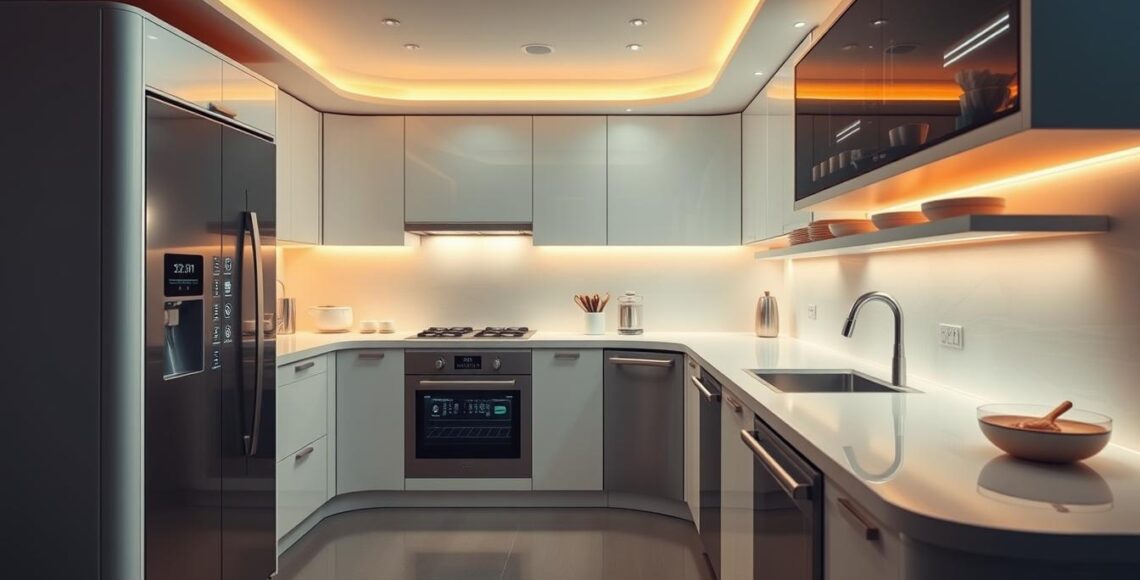
We specialize in high-end custom cabinetry, and we understand the importance of seamless appliance integration in our designs. Appliance integration is a critical aspect of custom cabinetry, as it requires careful planning and execution to ensure a functional and aesthetically pleasing result. Our goal is to provide a comprehensive guide to professional installation standards, focusing on the technical aspects of integrating appliances into custom cabinetry.

As experts in custom cabinetry, we recognize that appliance integration is a key factor in creating a cohesive and functional space. By mastering the art of appliance integration, architects and contractors can create high-end custom cabinetry that meets the needs of their clients. In this article, we will explore the technical aspects of appliance integration, including the benefits and challenges of built-in solutions, and provide practical tips and guidelines for successful implementation.

Our approach to appliance integration is centered on precision and expertise, with a focus on bridging the gap between architectural vision and manufacturing reality. We believe that by working together, architects, contractors, and manufacturers can create custom cabinetry that is both beautiful and functional. In the following sections, we will delve into the details of appliance integration, including planning, installation, and maintenance.

Key Takeaways

  • Seamless appliance integration is critical to high-end custom cabinetry
  • Appliance integration requires careful planning and execution
  • Mastering appliance integration can create a cohesive and functional space
  • Precision and expertise are essential to successful appliance integration
  • Collaboration between architects, contractors, and manufacturers is key to success
  • Custom cabinetry with integrated appliances can enhance the overall aesthetic and functionality of a space

Understanding Appliance Integration Fundamentals

As we delve into the world of appliance integration, it’s essential to grasp the underlying principles that govern this complex process. At its core, appliance integration involves the seamless incorporation of various appliances into a unified system, ensuring efficient operation and optimal performance. To achieve this, we must consider critical factors such as ventilation requirements and power planning, as they play a vital role in determining the success of the integration process.

Proper ventilation requirements are crucial for removing heat and moisture from appliances, thereby preventing damage and ensuring a safe operating environment. Similarly, power planning is essential for guaranteeing that the electrical infrastructure can support the appliances’ power requirements, thus preventing overload and potential hazards. By carefully considering these factors, we can create a harmonious and efficient appliance integration system.

Types of Integrated Appliances

There are various types of integrated appliances, each with its unique characteristics and requirements. These include:

  • Refrigeration units
  • Cooking appliances
  • Dishwashing machines
  • Heating and cooling systems

Benefits of Built-in Solutions

Built-in solutions offer numerous benefits, including enhanced aesthetic appeal, improved functionality, and increased efficiency. By integrating appliances into a unified system, we can create a cohesive and streamlined environment that meets the needs of users while minimizing energy consumption and reducing waste.

Common Integration Challenges

Despite the benefits of appliance integration, there are common challenges that arise during the process. These include compatibility issues, space constraints, and ventilation requirements. By understanding these challenges and developing effective strategies to address them, we can ensure a successful integration process that meets the needs of users and exceeds their expectations.

Essential Pre-Installation Planning Steps

When it comes to appliance integration, careful planning is crucial to ensure a seamless and functional installation. We emphasize the importance of measuring the space, selecting the right appliances, and planning the electrical and plumbing infrastructure. This stage is critical in achieving a successful custom cabinetry project.

To begin, we consider the overall aesthetic and functional goals of the project. This involves assessing the available space, determining the optimal layout, and choosing appliances that fit the desired design and functionality. By doing so, we can ensure that the final result meets the client’s expectations and requirements.

Some key considerations during the pre-installation planning stage include:

  • Assessing the electrical and plumbing infrastructure to ensure it can support the chosen appliances
  • Measuring the space to determine the optimal layout and appliance placement
  • Selecting appliances that fit the desired design and functionality
  • Planning for ventilation and clearance requirements

By following these essential pre-installation planning steps, we can ensure a successful appliance integration project that meets the client’s needs and exceeds their expectations. Our team of experts is dedicated to providing high-quality custom cabinetry solutions that combine functionality and aesthetics.

Comprehensive Power Planning and Electrical Requirements

When it comes to appliance integration, power planning is a critical aspect that cannot be overlooked. We must consider the electrical requirements of each appliance, including circuit load calculations and outlet placement strategies. Proper clearance specifications are also essential to prevent overheating and reduce the risk of electrical fires.

Effective power planning involves calculating the total circuit load to ensure that the electrical system can handle the demand. This includes considering the power requirements of each appliance, as well as any potential backup power considerations. By doing so, we can ensure safe and efficient appliance operation, while also reducing the risk of electrical hazards. Heat management is also crucial, as excessive heat can damage appliances and compromise their performance.

  • Conduct thorough circuit load calculations to determine the total electrical demand.
  • Develop a strategic outlet placement plan to ensure safe and convenient access to power.
  • Consider backup power options, such as generators or uninterruptible power supplies, to ensure continuous operation in the event of a power outage.

By following these guidelines and considering the importance of clearance specifications and heat management, we can ensure that our appliance integration projects are safe, efficient, and effective.

Mastering Ventilation Requirements for Built-in Appliances

When it comes to appliance integration, ventilation is a critical aspect to consider. Proper ventilation is essential for maintaining good indoor air quality and reducing moisture buildup. We will discuss the importance of mastering ventilation requirements for built-in appliances, including the types of ventilation systems and installation considerations.

There are several types of ventilation systems that can be used for built-in appliances, including range hoods, exhaust fans, and whole-house ventilation systems. Each type of system has its own unique characteristics and benefits. For example, range hoods are designed to capture grease and moisture from cooking, while exhaust fans are designed to remove stale air from the kitchen.

Some key considerations for ventilation requirements include:

  • Ventilation rates: The rate at which air is exchanged in the kitchen or other room where the appliance is installed.
  • Installation considerations: The location and type of ventilation system, as well as any local building codes or regulations.
  • Appliance integration: The way in which the ventilation system is integrated with the built-in appliance, such as a range or cooktop.

By mastering ventilation requirements and appliance integration, we can create a healthier and more efficient kitchen environment. This includes reducing moisture buildup, improving indoor air quality, and increasing the overall performance of the appliance.

ventilation requirements

Ventilation SystemVentilation RateInstallation Considerations
Range Hood100-200 CFMInstalled above range or cooktop
Exhaust Fan50-100 CFMInstalled in kitchen or bathroom
Whole-House Ventilation System200-500 CFMInstalled in attic or crawl space

Critical Clearance Specifications and Space Management

When it comes to appliance integration, clearance specifications and space management are crucial for safe and efficient operation. We consider the importance of maintenance access in ensuring easy maintenance and repair of appliances. Proper clearance specifications also enable panel matching, which is essential for a seamless and aesthetically pleasing installation.

To achieve this, we plan the space carefully, taking into account the minimum distance requirements between appliances and other components. This includes access point planning, which involves strategically locating access points for maintenance and repair. By doing so, we can ensure that appliances are easily accessible, reducing the risk of damage or injury.

Future maintenance considerations are also critical in the planning process. We consider the type of maintenance that may be required, such as filter cleaning or replacement, and plan the space accordingly. This includes providing adequate clearance for panel matching and ensuring that access points are easily accessible.

Minimum Distance Requirements

  • Appliances should be installed at a minimum distance of 3 inches from any combustible material.
  • A minimum clearance of 1 inch should be maintained between appliances and any adjacent surfaces.

Access Point Planning

Access points should be strategically located to enable easy maintenance and repair. This includes providing adequate clearance for tools and equipment.

Professional Appliance Integration Techniques

When it comes to achieving seamless custom cabinetry and appliance integration, precision and expertise are essential. We use various techniques to ensure a professional-grade finish, including cabinet modification methods, alignment procedures, and securing mechanisms.

Our team of experts has extensive experience in appliance integration, and we understand the importance of attention to detail. We work closely with architects and contractors to ensure that our custom cabinetry solutions meet their specific needs and requirements.

Cabinet Modification Methods

We use a range of cabinet modification methods to ensure a perfect fit for our appliances. These methods include:

  • Custom cutting and shaping of cabinets
  • Adjustment of cabinet sizes and configurations
  • Installation of specialized hardware and fixtures

By using these methods, we can ensure that our custom cabinetry solutions are tailored to meet the specific needs of our clients.

Alignment Procedures

Proper alignment is critical to ensuring that our appliances function correctly and safely. We use specialized tools and techniques to ensure that our appliances are properly aligned and secured.

Our team of experts is dedicated to providing the highest level of service and support, from initial consultation to final installation. We work closely with our clients to ensure that their custom cabinetry and appliance integration needs are met, and that they are completely satisfied with the final result.

TechniqueDescription
Cabinet ModificationCustom cutting and shaping of cabinets to fit appliances
Alignment ProceduresSpecialized tools and techniques to ensure proper alignment and securing of appliances
Securing MechanismsInstallation of specialized hardware and fixtures to secure appliances in place

Advanced Heat Management Solutions

As we delve into the world of appliance integration, it becomes clear that heat management is a critical aspect of the process. Proper heat management is essential for ensuring the optimal performance and longevity of integrated appliances. We specialize in providing customized heat management solutions, tailored to the specific needs of each client.

Our approach to heat management involves a combination of thermal insulation, ventilation systems, and heat sinks. By carefully selecting and installing these components, we can effectively manage heat generated by high-heat appliances, reducing the risk of damage and improving overall system efficiency. This is particularly important in appliance integration, where multiple appliances are often installed in close proximity.

Some of the benefits of proper heat management in appliance integration include:

  • Improved appliance performance
  • Reduced energy consumption
  • Increased system reliability
  • Enhanced safety

By prioritizing heat management in our appliance integration solutions, we can create systems that are not only functional and efficient but also safe and reliable. Our team of experts is dedicated to providing customized heat management solutions that meet the unique needs of each client, ensuring optimal performance and longevity of integrated appliances.

Custom Panel Matching and Aesthetic Integration

When it comes to custom cabinetry, achieving a seamless look is crucial. This is where custom panel matching comes into play. By selecting the right materials and matching the color and texture of the panels to the surrounding cabinetry, we can create a cohesive and professional-grade finish.

Material selection is a critical aspect of custom panel matching. We consider factors such as durability, maintenance, and aesthetic appeal when choosing the materials for our custom cabinetry. For example, wood veneer can add a touch of elegance to the design, while laminate can provide a more affordable and low-maintenance option.

Key Considerations for Custom Panel Matching

  • Material selection: choosing the right materials for the panels and cabinetry
  • Color and texture matching: ensuring a cohesive look by matching the color and texture of the panels to the surrounding cabinetry
  • Hardware coordination: selecting hardware that complements the design and functionality of the custom cabinetry

By paying attention to these details, we can create custom cabinetry that not only looks great but also functions flawlessly. With our expertise in panel matching and custom cabinetry, we can help architects and contractors bring their vision to life.

custom panel matching

Performance Optimization Strategies

As we strive for seamless appliance integration, performance optimization plays a vital role in ensuring our integrated appliances function at their best. By focusing on performance optimization, we can improve the overall lifespan of our appliances and reduce energy consumption. This is where appliance integration comes into play, as it enables us to create a harmonious and efficient system.

Our approach to performance optimization involves a combination of techniques, including airflow management, energy efficiency tips, and noise reduction methods. By implementing these strategies, we can create an environment that allows our appliances to perform optimally, resulting in a better user experience and reduced maintenance costs.

Airflow Management

Airflow management is critical in maintaining the performance of our integrated appliances. Proper airflow helps to prevent overheating, reduces noise levels, and improves overall efficiency. We recommend ensuring that there is sufficient clearance around appliances and that vents are not obstructed, allowing for optimal airflow.

Energy Efficiency Tips

To optimize energy efficiency, we suggest using appliances with high Energy Star ratings and implementing smart home technology to monitor and control energy usage. Additionally, regular maintenance of appliances can help to prevent energy waste and reduce consumption. By adopting these energy efficiency tips, we can minimize our environmental footprint while reducing energy costs.

Noise Reduction Techniques

Noise reduction is another essential aspect of performance optimization. We recommend using noise-reducing materials, such as sound-absorbing panels, and ensuring that appliances are properly installed and balanced to minimize vibration. By implementing these noise reduction techniques, we can create a more comfortable and peaceful living environment.

By incorporating these performance optimization strategies into our appliance integration plans, we can create a more efficient, sustainable, and enjoyable living space. As we continue to innovate and improve our integration methods, we remain committed to providing the best possible solutions for our clients, focusing on performance optimization and appliance integration.

StrategyBenefits
Airflow ManagementImproved efficiency, reduced noise
Energy Efficiency TipsReduced energy consumption, lower costs
Noise Reduction TechniquesImproved comfort, reduced disturbance

Maintenance Access Planning and Design

When it comes to appliance integration, maintenance access is a crucial aspect to consider. We believe that easy maintenance and repair of appliances are essential for ensuring their longevity and optimal performance. To achieve this, appliance integration must be carefully planned and designed.

Some key considerations for maintenance access planning include:

  • Designing accessible panels and doors to allow for easy maintenance and repair
  • Providing sufficient clearance around appliances for comfortable maintenance and repair
  • Ensuring that maintenance access points are clearly marked and easily accessible

By prioritizing maintenance access planning and design, we can ensure that our appliance integration solutions are not only functional and efficient but also easy to maintain and repair. This is particularly important for appliance integration projects, where maintenance access can make all the difference in the long run.

At our company, we understand the importance of maintenance access and appliance integration in ensuring the overall success of a project. That’s why we work closely with our clients to design and implement customized maintenance access solutions that meet their unique needs and requirements.

Troubleshooting Common Integration Issues

When it comes to appliance integration, we often encounter common issues that can hinder the seamless execution of our design plans. These issues can range from installation problems to performance concerns and aesthetic challenges. In our experience, addressing these challenges requires a deep understanding of appliance integration and custom cabinetry.

Some common integration issues include:

  • Improper measurement and sizing of appliances
  • Inadequate ventilation and clearance
  • Insufficient power supply and electrical requirements

To overcome these challenges, we employ a range of strategies, including careful planning, precise measurement, and collaboration with our clients. By working together, we can ensure that our custom cabinetry and appliance integration solutions meet the highest standards of quality and functionality.

By troubleshooting common integration issues and providing effective solutions, we can create custom cabinetry and appliance integration solutions that exceed our clients’ expectations. Our expertise in appliance integration and custom cabinetry enables us to deliver high-quality results that enhance the overall aesthetic and functionality of any space.

Common IssueSolution
Improper measurement and sizingPrecise measurement and sizing
Inadequate ventilation and clearanceProper ventilation and clearance planning
Insufficient power supply and electrical requirementsAdequate power supply and electrical planning

Conclusion: Achieving Professional-Grade Appliance Integration

In conclusion, seamless appliance integration requires a steadfast commitment to precision, attention to detail, and a deep understanding of the technical nuances involved. By carefully planning power requirements, ensuring proper ventilation, and meticulously managing clearance specifications, we can create integrated solutions that not only function flawlessly but also seamlessly blend with the custom cabinetry design.

Throughout this guide, we’ve explored the essential steps and strategies necessary to achieve professional-grade results. From pre-installation planning to advanced heat management techniques, each section has provided valuable insights and practical advice to help you navigate the complexities of appliance integration. By applying these principles, you can elevate your projects, delivering exceptional outcomes that exceed your clients’ expectations.

Remember, successful integration is not just about the technical aspects – it’s also about maintaining a keen eye for aesthetics and functionality. By carefully selecting materials, coordinating colors and textures, and optimizing performance, you can create built-in solutions that seamlessly blend form and function, elevating the overall design aesthetic.

As you embark on your next appliance integration project, embrace the knowledge and best practices outlined in this comprehensive guide. With a steadfast commitment to quality and a willingness to adapt to the unique challenges of each project, you’ll be well on your way to achieving the level of integration that distinguishes true industry leaders.