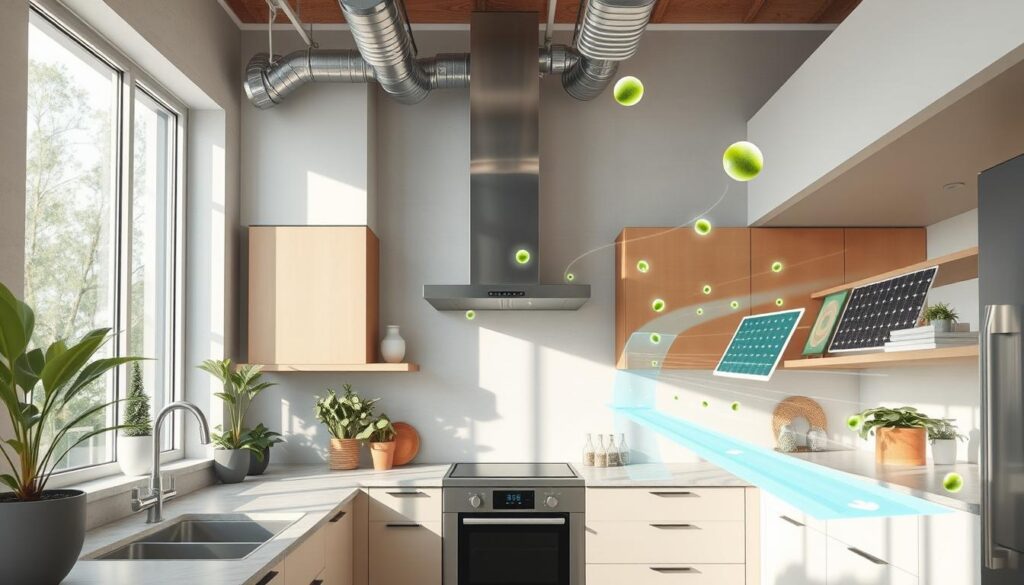
Tag: Indoor Air Quality

humidity control

Environmental Engineering in Kitchen Design

We recognize the significance of environmental engineering in creating functional and healthy kitchen spaces. As we design and build kitchens, humidity control is crucial to prevent mold growth, material damage, and poor indoor air quality. Effective moisture management and material protection are essential to achieving this goal. By integrating humidity control, moisture management, and material protection, we can create kitchens that are both beautiful and functional.

Our expertise in kitchen design and manufacturing enables us to provide high-end custom cabinetry solutions that prioritize precision and expertise. By balancing humidity control, moisture management, and material protection, we can create kitchens that meet the needs of architects and contractors. Our goal is to provide practical solutions that address the challenges of kitchen design and manufacturing.

Key Takeaways

  • Humidity control is essential for preventing mold growth and material damage in kitchens.
  • Effective moisture management is critical to maintaining good indoor air quality.
  • Material protection is necessary to prevent damage from excessive moisture.
  • Integrating humidity control, moisture management, and material protection is key to creating functional and healthy kitchens.
  • High-end custom cabinetry solutions require precision and expertise in kitchen design and manufacturing.
  • Practical solutions that balance humidity control, moisture management, and material protection are essential for meeting the needs of architects and contractors.

Understanding Kitchen Environmental Challenges

Kitchens are unique spaces that require careful consideration of environmental factors to ensure a healthy and safe space for cooking and socializing. We must consider the impact of moisture, heat, and air quality on the overall kitchen environment. Effective ventilation requirements are crucial in maintaining good air quality, which is essential for the health and well-being of occupants.

Moisture accumulation in kitchens can lead to condensation prevention issues, which can damage building materials and compromise indoor air quality. This excess moisture can come from various sources, including cooking, cleaning, and human activity. By understanding these challenges, we can develop strategies to mitigate them and create a healthier kitchen environment. Air quality control is a critical aspect of kitchen design, and it requires careful consideration of ventilation systems, moisture management, and other factors.

To address these challenges, we can implement various solutions, including:

  • Installing effective ventilation systems
  • Using moisture-resistant materials
  • Implementing regular cleaning and maintenance schedules

By taking a proactive approach to kitchen environmental challenges, we can create a safe, healthy, and sustainable space for cooking and socializing.

As we explore the complexities of kitchen environmental challenges, it’s essential to consider the interplay between ventilation requirements, condensation prevention, and air quality control. By understanding these factors and implementing effective solutions, we can create kitchens that are not only functional and beautiful but also healthy and sustainable.

The Science of Humidity Control in Kitchen Spaces

Humidity control is a critical aspect of kitchen design, as it directly impacts climate stability and mold resistance. By understanding the principles of thermodynamics and psychrometrics, we can develop effective strategies for humidity control, including the use of ventilation systems, dehumidifiers, and moisture-resistant materials.

According to experts in kitchen design, such as those at Baruchi Kitchens, a well-designed kitchen should prioritize humidity control to prevent mold growth, material damage, and poor indoor air quality. This can be achieved through a combination of proper ventilation, insulation, and the use of materials with high mold resistance.

Some key considerations for humidity control in kitchen spaces include:

  • Proper ventilation systems to remove excess moisture
  • Use of dehumidifiers to maintain optimal humidity levels
  • Selection of materials with high mold resistance for kitchen surfaces and cabinets

By prioritizing humidity control and climate stability, we can create a healthy and stable kitchen environment that supports the well-being of occupants and the longevity of building materials.

Essential Components of Kitchen Ventilation Systems

Kitchen ventilation systems play a crucial role in maintaining good air quality control and moisture management. A well-designed system should meet specific ventilation requirements, including a range hood with adequate airflow rate and noise level. This is essential for removing moisture and pollutants from the air, creating a healthy environment for occupants.

When designing a kitchen ventilation system, it is essential to consider air exchange calculations to determine the optimal ventilation rate. This involves calculating the volume of air that needs to be exchanged to maintain good air quality and moisture management. By doing so, we can create a system that effectively removes pollutants and excess moisture, reducing the risk of mold and mildew growth.

Some key considerations for kitchen ventilation systems include:

  • Range hood size and airflow rate
  • Air exchange calculations and ventilation rate
  • Moisture-resistant materials for ducts and vents
  • Strategic placement of ventilation systems

By incorporating these essential components into kitchen ventilation systems, we can create a healthy and sustainable environment that prioritizes the well-being of occupants and the longevity of building materials. Effective ventilation requirements and air quality control measures can help reduce the risk of indoor air pollution, while moisture management strategies can prevent damage to building materials and reduce maintenance costs.

kitchen ventilation system

Ventilation ComponentImportance
Range HoodRemoves pollutants and excess moisture
Air Exchange CalculationsDetermines optimal ventilation rate
Moisture-Resistant MaterialsPrevents mold and mildew growth

Modern Materials for Moisture Management

We recognize the importance of material protection in kitchen design, as it directly impacts the overall moisture management and climate stability of the space. By selecting the right materials and applying them correctly, we can prevent moisture accumulation and migration, reducing the risk of mold growth, material damage, and poor indoor air quality.

Some key considerations for modern materials include their ability to withstand high humidity levels, resist water damage, and maintain a stable temperature. This can be achieved through the use of waterproof membranes, moisture-resistant coatings, and other innovative materials. For instance, materials with built-in moisture management properties can help to regulate humidity levels, while those with enhanced climate stability can maintain a consistent temperature, reducing the risk of condensation and moisture-related issues.

When it comes to material protection, we must consider the specific needs of each kitchen space. This may involve assessing factors such as foot traffic, humidity levels, and exposure to water or heat. By taking a tailored approach to material selection and application, we can create a kitchen environment that is not only functional and aesthetically pleasing but also resistant to moisture-related problems, ultimately contributing to improved climate stability.

By prioritizing moisture management and material protection in kitchen design, we can create spaces that are both beautiful and functional, while also promoting a healthy and safe environment for occupants. As we continue to innovate and develop new materials and technologies, we can expect to see even more effective solutions for climate stability and moisture management in kitchen design.

Smart Technology Integration for Climate Stability

We recognize the importance of integrating smart technology to achieve climate stability in kitchen design. By leveraging automated systems, we can optimize ventilation rates, prevent moisture accumulation, and maintain optimal indoor air quality. This is crucial for ensuring a healthy and stable kitchen environment.

Key technologies that contribute to climate stability include humidity control systems, which monitor and adjust moisture levels to prevent condensation and mold growth. Additionally, air quality control systems help remove pollutants and particles from the air, creating a safer breathing environment.

Some of the smart technologies that support climate stability include:

  • Automated ventilation controls that adjust airflow based on occupancy and activity levels
  • Humidity sensing systems that detect moisture levels and trigger ventilation or dehumidification systems as needed
  • Temperature monitoring solutions that maintain optimal temperatures for comfort and food safety

By integrating these technologies, we can create a kitchen environment that prioritizes climate stability, humidity control, and air quality control. This not only enhances the comfort and health of occupants but also helps prevent damage to building materials and equipment.

As we continue to innovate and develop new technologies, we must prioritize climate stability and air quality control in kitchen design. By doing so, we can create healthier, more sustainable, and more efficient kitchen environments that benefit both people and the planet.

TechnologyBenefits
Automated Ventilation ControlsOptimized ventilation rates, reduced energy consumption
Humidity Sensing SystemsPrevention of moisture accumulation, reduced risk of mold growth
Temperature Monitoring SolutionsMaintenance of optimal temperatures, enhanced food safety and comfort

Professional Design Considerations for Condensation Prevention

When it comes to designing a kitchen, condensation prevention is a critical aspect to consider. As we work with architects and contractors, we prioritize moisture management and ventilation requirements to create a healthy and sustainable environment. By integrating these elements into the design, we can prevent moisture accumulation and migration, which is essential for condensation prevention.

To achieve this, we focus on architectural planning and HVAC integration. By carefully planning the layout and design of the kitchen, we can ensure that ventilation requirements are met, and moisture management is effective. This includes considering factors such as air exchange rates, humidity levels, and temperature control.
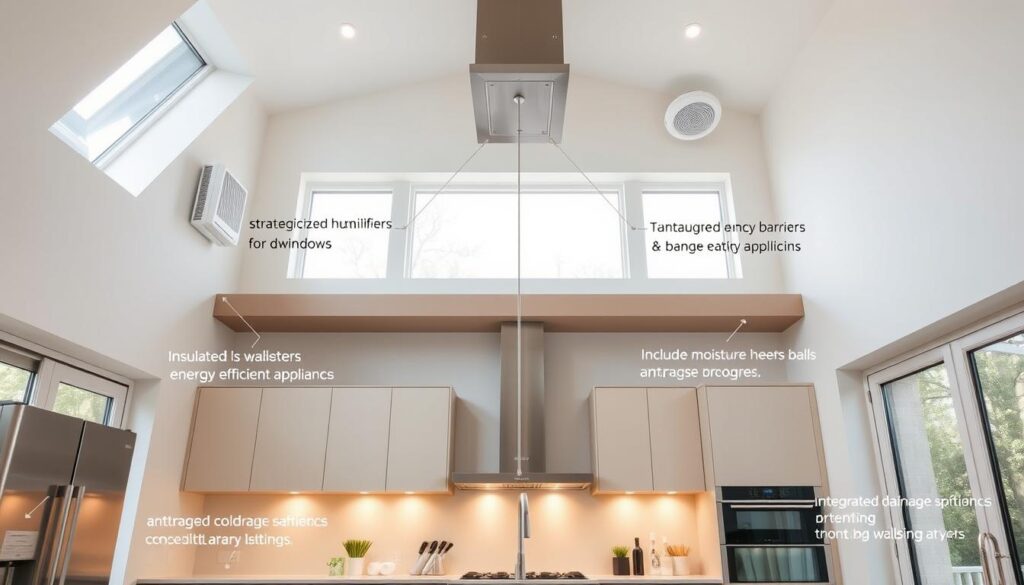
condensation prevention strategies

  • Installing a range hood with adequate ventilation capacity
  • Using materials that are resistant to moisture damage
  • Ensuring proper insulation and sealing of the kitchen

By incorporating these strategies into the design, we can create a kitchen environment that is resistant to condensation and prioritizes the well-being of occupants.

Maintenance Protocols for Air Quality Control

Regular maintenance is crucial for ensuring effective air quality control in kitchen design. This involves cleaning and maintaining ventilation systems, as well as monitoring indoor air quality to prevent moisture accumulation and migration. By developing and implementing effective maintenance protocols, we can create a healthy and sustainable kitchen environment that prioritizes the well-being of occupants and the longevity of building materials.

Some key considerations for maintenance protocols include:

  • Regular cleaning of ventilation systems to prevent dust and debris buildup
  • Monitoring of indoor air quality to detect potential issues before they become major problems
  • Implementation of moisture management strategies to prevent moisture accumulation and migration
  • Ensuring ventilation requirements are met to maintain a healthy and sustainable kitchen environment

By prioritizing air quality control and moisture management, we can create kitchen environments that are not only healthy and sustainable but also functional and efficient. Effective maintenance protocols are essential for achieving this goal.

Sustainable Approaches to Kitchen Environmental Engineering

As we strive to create a healthier and more sustainable environment, it’s essential to consider the impact of our kitchens on the planet. By adopting sustainable approaches to kitchen design, we can reduce our carbon footprint and create a more eco-friendly space. This can be achieved through the use of energy-efficient solutions, such as LED lighting and energy-efficient appliances, which can significantly reduce energy consumption.

Energy-Efficient Solutions

Some examples of energy-efficient solutions include:

  • Using energy-efficient appliances, such as refrigerators and dishwashers
  • Installing LED lighting, which uses significantly less energy than traditional lighting
  • Implementing smart home technology, which can help to optimize energy usage

Eco-friendly Materials

In addition to energy-efficient solutions, using eco-friendly materials is also crucial in creating a sustainable kitchen. This can include materials such as:

  • Bamboo, which is a highly renewable resource
  • Recycled materials, such as recycled glass and metal
  • Sustainably sourced wood, which can help to reduce deforestation

Carbon Footprint Reduction

By implementing sustainable approaches to kitchen design, we can significantly reduce our carbon footprint. This can be achieved through a combination of energy-efficient solutions and eco-friendly materials, as well as by reducing waste and implementing recycling programs.

Conclusion: Creating a Balanced Kitchen Environment

In our journey through the science of humidity control, moisture management, and climate stability in kitchen design, we’ve uncovered the essential elements required to create a harmonious and healthy environment. By understanding the common moisture sources, their impact on building materials, and the health implications of poor air quality, we’ve laid the foundation for effective solutions.

The integration of modern ventilation systems, strategic placement, and automated controls has emerged as a cornerstone of maintaining the delicate balance between humidity, temperature, and air exchange. Coupled with the selection of moisture-resistant materials and smart technology integration, we can now design kitchens that prioritize the well-being of occupants and the longevity of the space.

As architects and contractors, our goal is to bridge the gap between vision and reality, providing high-end custom cabinetry manufacturing solutions that seamlessly integrate environmental engineering principles. By working closely with our partners, we can create kitchen environments that are not only functional and aesthetically pleasing but also sustainable and conducive to a healthy lifestyle.
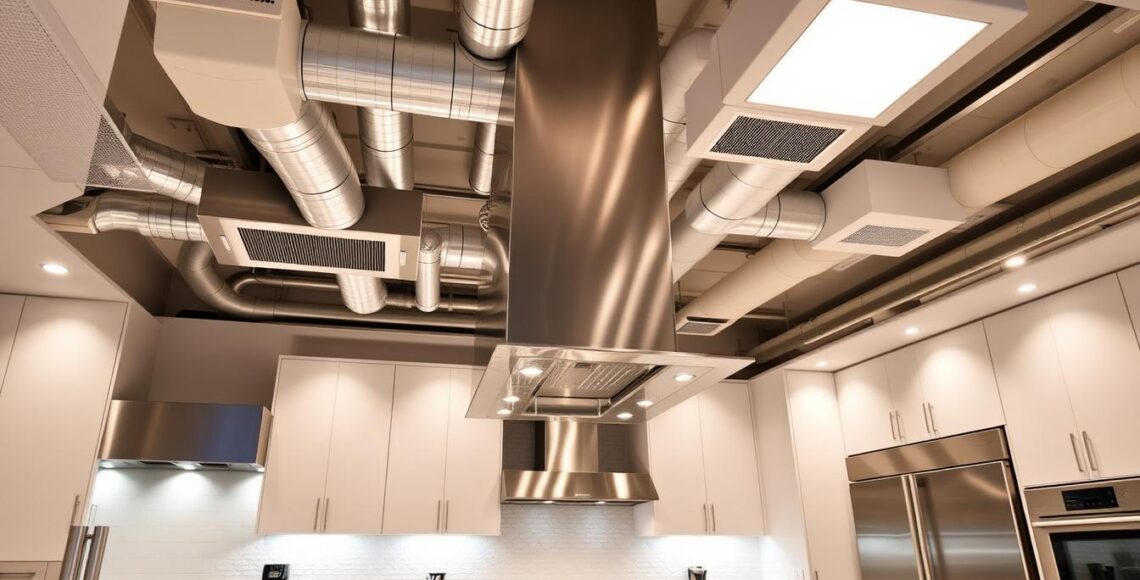
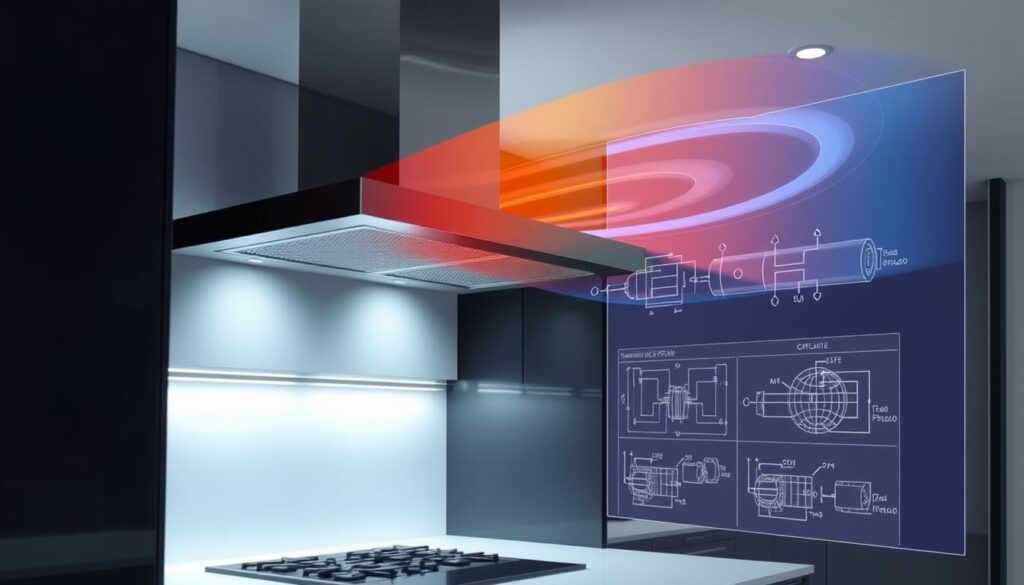
ventilation design

Comprehensive Kitchen Ventilation Engineering

We specialize in creating professional ventilation design solutions that meet the unique needs of each project, taking into account crucial factors such as airflow requirements and duct design to ensure efficient and effective ventilation systems.

Our team collaborates closely with architects and contractors to bridge the gap between architectural vision and manufacturing reality, providing expertise and precision to create functional, safe, and healthy kitchen spaces through meticulous ventilation design.

By considering key elements such as ventilation design, airflow requirements, and duct design, we can create comprehensive kitchen ventilation systems that meet the specific needs of each project, ultimately enhancing the overall quality and functionality of the space.

Key Takeaways

  • We provide professional ventilation design solutions tailored to each project’s unique needs.
  • Our team considers airflow requirements and duct design to ensure efficient ventilation systems.
  • Collaboration with architects and contractors is crucial in bridging architectural vision with manufacturing reality.
  • Effective ventilation design enhances the safety, health, and functionality of kitchen spaces.
  • Our expertise in ventilation design enables us to create comprehensive kitchen ventilation systems that meet specific project needs.
  • By integrating ventilation design, airflow requirements, and duct design, we can create high-quality kitchen spaces.

Understanding Kitchen Ventilation Fundamentals

When it comes to designing effective kitchen ventilation systems, understanding the fundamentals is crucial. We must consider the basic principles of air movement, including the flow of air, pressure, and velocity. This knowledge helps us design systems that meet the unique needs of each kitchen, taking into account ventilation fundamentals and airflow requirements.

A well-designed kitchen ventilation system is essential for maintaining a healthy and safe environment. Health and safety considerations are critical, as poor ventilation can lead to the spread of illnesses and accidents. By grasping these fundamentals, we can create systems that remove heat, moisture, and pollutants from the air, ensuring a safe and comfortable working environment.

Some key factors to consider when designing a kitchen ventilation system include:

  • Airflow rates and patterns
  • Heat and moisture removal
  • Pollutant removal and filtration
  • Noise reduction and acoustic management

By considering these factors and understanding ventilation fundamentals, airflow requirements, and health and safety considerations, we can design effective kitchen ventilation systems that meet the unique needs of each kitchen.

Essential Components of Professional Ventilation Design

When it comes to professional ventilation design, several key components must be considered to ensure a functional and efficient system. Effective duct design is crucial, as it directly impacts the overall performance of the ventilation system. Our team of experts takes into account factors such as duct size, material, and layout to minimize noise control issues and maximize airflow.

A well-designed ventilation system should also incorporate noise control measures to prevent unnecessary sound pollution. This can be achieved through the use of sound-absorbing materials, vibration isolation, and other specialized techniques. By prioritizing professional ventilation design, we can create systems that are both functional and quiet, providing a better working environment for occupants.

Some key considerations for professional ventilation design include:

  • Duct design and layout
  • Noise control measures
  • Airflow management and optimization
  • Material selection and quality

By carefully evaluating these factors and incorporating them into our designs, we can create ventilation systems that meet the unique needs of each space. Whether it’s a commercial kitchen or an industrial facility, our goal is to provide professional ventilation design solutions that are both effective and efficient.

Our team of experts is dedicated to delivering high-quality ventilation design solutions that prioritize duct design, noise control, and overall system performance. By working together, we can create spaces that are safe, healthy, and productive.

Advanced Airflow Calculation Methods

When it comes to designing effective ventilation systems, advanced airflow calculation methods are crucial. Our team uses load assessment techniques to determine the airflow requirements of each kitchen, taking into account factors such as cooking equipment, occupancy, and climate. This information is then used to inform our capacity planning, ensuring that our ventilation systems can handle the required airflow.

Airflow calculation is a critical step in this process, as it allows us to determine the optimal airflow rates for each kitchen. By using advanced calculation methods, we can create ventilation systems that are both efficient and effective. Some of the key considerations in airflow calculation include:

  • Heat gain from cooking equipment
  • Occupancy and ventilation rates
  • Climate and outdoor air requirements

By taking these factors into account, we can ensure that our ventilation systems meet the required performance metrics and standards, such as those set by ASHRAE and NFPA. This not only helps to improve indoor air quality but also reduces the risk of fire and other safety hazards.

airflow calculation

Our team is committed to using the latest advancements in airflow calculation and load assessment to design ventilation systems that meet the unique needs of each kitchen. By combining expertise with cutting-edge technology, we can create systems that are both efficient and effective, providing a safe and healthy environment for kitchen staff and patrons alike.

Strategic Duct System Engineering

As we delve into the world of kitchen ventilation, it becomes clear that duct system engineering plays a vital role in creating efficient and effective ventilation systems. Our team of experts considers factors such as duct size, material, and layout to ensure that our systems are both efficient and easy to install. This strategic approach enables us to minimize energy losses and maximize airflow, resulting in a more functional and efficient ventilation system.

Efficiency testing is a crucial step in our duct system engineering process. We conduct thorough tests to verify that our designs meet industry standards, ensuring that our systems are not only functional but also energy-efficient. By incorporating efficiency testing into our design process, we can identify potential issues and make necessary adjustments to optimize system performance.

Effective installation planning is also essential for a successful ventilation system. Our team works closely with architects and contractors to ensure that our systems are designed with installation in mind. This collaborative approach enables us to create systems that are easy to install, reducing the risk of errors and ensuring a smooth installation process.

Some key considerations in our duct system engineering process include:

  • Duct size and material selection
  • System layout and design
  • Efficiency testing and optimization
  • Installation planning and collaboration

By carefully considering these factors, we can create ventilation systems that are both functional and efficient, meeting the needs of our clients and exceeding industry standards.

Noise Control and Acoustic Management

Effective noise control and acoustic management are crucial components of a well-designed ventilation system. We prioritize noise control to minimize disruptions and ensure a comfortable environment. Our team employs various techniques, including sound attenuation and vibration control methods, to reduce noise levels.

By incorporating sound attenuation techniques, such as acoustic liners and silencers, we can significantly minimize noise levels. Additionally, we utilize vibration control methods, including flexible connections and vibration isolators, to reduce vibration and noise. This comprehensive approach enables us to create ventilation systems that are both functional and quiet.

Our team ensures compliance with local noise regulations, such as those set by OSHA and EPA, to guarantee that our designs meet industry requirements. We strive to create ventilation systems that not only meet but exceed these standards, providing a safe and healthy environment for occupants. By prioritizing noise control and acoustic management, we can create systems that are both efficient and quiet, ultimately enhancing the overall user experience.

Some key considerations for effective noise control and acoustic management include:

  • Sound attenuation techniques, such as acoustic liners and silencers
  • Vibration control methods, including flexible connections and vibration isolators
  • Compliance with local noise regulations, such as those set by OSHA and EPA

By carefully considering these factors and incorporating them into our design process, we can create ventilation systems that are both functional and quiet, providing a comfortable and healthy environment for occupants.

Energy Efficiency Optimization

We prioritize energy efficiency optimization in our ventilation system designs to create functional and sustainable solutions. Our team of experts considers factors such as fan selection, motor efficiency, and control strategies to minimize energy consumption. By conducting efficiency testing, we verify that our designs meet industry standards for energy efficiency and performance optimization.

Our approach to energy efficiency optimization involves a thorough analysis of the ventilation system’s components and their impact on overall energy consumption. We use industry-specific technical terms and clear explanations to design systems that balance energy efficiency with performance optimization. Some key considerations in our design process include:

  • Fan selection and sizing to ensure optimal airflow and energy efficiency
  • Motor efficiency and control strategies to minimize energy consumption
  • System commissioning and testing to verify performance and energy efficiency

By incorporating energy efficiency optimization into our designs, we can create ventilation systems that are both functional and environmentally friendly. Our goal is to provide solutions that meet the needs of our clients while also reducing their environmental footprint. energy efficiency optimization

Our expertise in energy efficiency optimization enables us to provide customized solutions that meet the unique needs of each project. We work closely with our clients to understand their requirements and develop tailored designs that balance energy efficiency with performance optimization. By choosing our services, clients can trust that their ventilation systems will be designed and installed with energy efficiency and sustainability in mind.

Design ConsiderationEnergy Efficiency Benefit
Fan selection and sizingOptimal airflow and reduced energy consumption
Motor efficiency and control strategiesMinimized energy consumption and extended system lifespan
System commissioning and testingVerified performance and energy efficiency

Installation and Implementation Guidelines

When it comes to installing and implementing ventilation systems, we understand the importance of careful planning and execution. Our team of experts provides pre-installation planning services, including site surveys and equipment selection, to ensure that our systems are installed efficiently and effectively.

Effective equipment placement is also crucial to minimize installation costs and maximize system performance. We employ strategies such as optimizing equipment location and layout to achieve this goal. By following our installation guidelines, we can create ventilation systems that are both functional and efficient.

Some key considerations for installation and implementation include:

  • Conducting thorough site surveys to determine the best equipment placement
  • Selecting the right equipment for the specific needs of the project
  • Developing a detailed installation plan to ensure a smooth and efficient process

By following these guidelines and considering these key factors, we can ensure that our ventilation systems are installed and implemented correctly, providing optimal performance and efficiency.

Installation StepDescription
Pre-installation planningConduct site surveys and select equipment
Equipment placementOptimize equipment location and layout
InstallationFollow detailed installation plan

Maintenance and Performance Monitoring

As we emphasize the importance of a well-designed ventilation system, we also recognize the need for regular maintenance and performance monitoring. Our team provides maintenance access to ensure that all components are easily reachable, simplifying maintenance procedures and minimizing downtime. This approach enables us to maximize system performance and extend the lifespan of the ventilation system.

Regular performance optimization is crucial to ensure that the ventilation system operates efficiently. We conduct efficiency testing to identify areas for improvement and implement necessary adjustments to meet industry standards. By doing so, we can guarantee that our ventilation systems provide optimal performance and reliability.

Some key aspects of our maintenance and performance monitoring services include:

  • Developing customized maintenance schedules
  • Conducting routine inspections and repairs
  • Providing training on system operation and maintenance

By incorporating maintenance and performance monitoring into our designs, we can create ventilation systems that are both functional and reliable, meeting the needs of architects and contractors seeking high-end custom solutions.

Conclusion: Ensuring Long-term Ventilation Success

Achieving long-term ventilation success requires a comprehensive approach that integrates expert design, meticulous installation, and proactive maintenance. At Baruchi Kitchens, our team of ventilation specialists works closely with architects and contractors to engineer systems that meet the unique demands of each project. By considering factors like airflow requirements, duct layout, and noise control, we create efficient and reliable ventilation solutions.

Crucial to our approach is the incorporation of maintenance access points and performance optimization strategies. This allows for easy system monitoring and targeted adjustments, ensuring the ventilation success and performance optimization over the lifetime of the installation. Through rigorous testing and compliance with industry standards, we can deliver maintenance access and guarantee the safety and well-being of the occupants.

By partnering with our clients, we bridge the gap between architectural vision and manufacturing reality, creating kitchen spaces that are not only functional but also contribute to the overall comfort and indoor air quality. Our expertise in ventilation engineering empowers us to deliver tailored solutions that exceed expectations and stand the test of time.