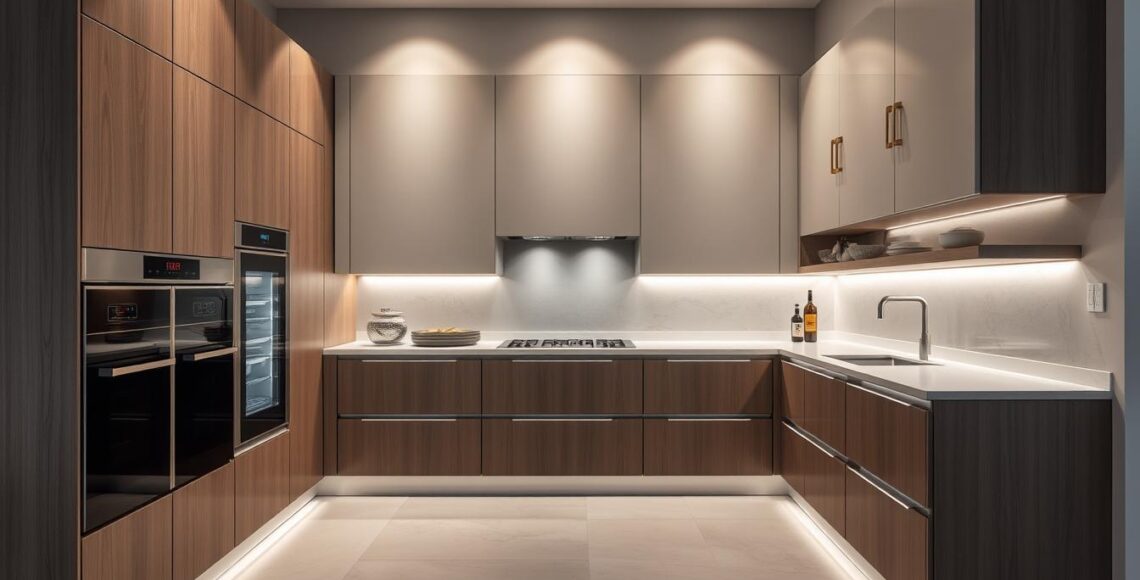
Tag: Home Improvement

tall cabinet installation

Floor-to-Ceiling Precision: Installing Tall Cabinets in Uneven Spaces

We work with architects and contractors to tackle the challenges of uneven spaces. Our goal is to find practical solutions for these issues. We focus on precision and expertise to make sure every installation is top-notch.

Achieving perfect alignment in floor-to-ceiling cabinetry is more than just about the cabinets. It’s about managing uneven surfaces and wall irregularities. We use precise leveling techniques and careful planning to ensure a successful installation.

Introduction to Tall Cabinet Installation

Precision is key in tall cabinet installation, especially when dealing with height variations. By using the right tools and techniques, we can meet the highest standards of quality and performance.

Key Takeaways

  • Tall cabinet installation requires precision and expertise to address height variations and wall irregularities.
  • Advanced leveling techniques are essential for ensuring perfect alignment in floor-to-ceiling cabinetry.
  • Careful planning and consideration of uneven surfaces are crucial for a successful installation.
  • Our approach balances expertise with accessibility, providing practical solutions for overcoming installation challenges.
  • By bridging the gap between architectural vision and manufacturing reality, we can ensure that every installation meets the highest standards of quality and performance.
  • Utilizing the right tools and techniques is essential for a successful tall cabinet installation.

Understanding the Challenges of Tall Cabinet Installation

Installing tall cabinets can be tricky due to wall irregularities. These issues can mess with the alignment solutions and need adjustments for proper fit. It’s key to think about how wall irregularities might affect the installation.

To tackle these problems, we can use several approaches, including:

  • Doing detailed site checks to spot wall irregularities
  • Creating special installation methods for unique sites
  • Using special tools and gear for exact alignment solutions

By understanding the hurdles of wall irregularities and finding ways to overcome them, we can achieve top-notch tall cabinet installations.

ChallengeSolution
Wall irregularitiesCustomized installation methods
Alignment issuesPrecise alignment solutions
Installation challengesSpecialized tools and equipment

Essential Tools and Materials for Professional Installation

Having the right tools and materials is key for a great installation. Our team uses special equipment for leveling techniques and vertical adjustment. This ensures precise adjustments and perfect alignment. We invest in top-quality tools and materials for a superior finish and long-term performance.

Some of the essential tools and materials we use include:

  • Leveling devices for accurate measurements
  • Adjustable feet for vertical adjustment
  • High-strength fasteners for secure installation
  • Custom-made templates for precise fitting

Our team is dedicated to making architectural visions a reality. We use leveling techniques and vertical adjustment equipment. This ensures our installations meet the highest quality and performance standards.

We are committed to giving our clients the best solutions for custom cabinetry. We combine our expertise with the latest technology and top-quality materials. Our goal is to deliver exceptional results that exceed our clients’ expectations and provide long-term satisfaction.

Tool/MaterialPurpose
Leveling devicesAccurate measurements
Adjustable feetVertical adjustment
High-strength fastenersSecure installation

Pre-Installation Assessment and Planning

Before starting the installation, a detailed pre-installation phase is key. This step involves checking the site for any challenges and finding solutions. Our team uses special tools to get accurate measurements and marks.

Planning each installation carefully helps avoid mistakes. This way, we ensure our work meets top quality and precision standards.

Managing gaps is also important in this phase. We look for any gaps or uneven areas and plan how to fix them. Our team uses scribe fitting to make sure the cabinet fits perfectly with the wall.

By planning well, we guarantee a high-quality finish that meets our clients’ expectations.

  • Measuring and marking the site for accurate cabinet placement
  • Creating templates for complex installations
  • Finding support points for structural stability

Our detailed pre-installation process ensures our methods fit each project’s needs. This way, the final result shows our expertise and care.

Advanced Leveling Techniques for Uneven Surfaces

When installing tall cabinets, leveling techniques are key. They ensure the cabinets are perfectly aligned and stable, even on uneven surfaces. Our team has mastered these techniques to handle height variations and other irregularities. This guarantees a professional finish and long-term performance.

We combine traditional methods with modern tools for this task. For instance, we use laser leveling to measure and adjust the cabinet’s position. This method helps us account for even the smallest height variations and ensures a precise fit.

Some important considerations for advanced leveling techniques include:

  • Assessing the surface for any irregularities or obstructions
  • Using specialized tools, such as leveling feet, to adjust the cabinet’s position
  • Verifying the cabinet’s stability and alignment using plumb lines and leveling instruments

By mastering these advanced leveling techniques, we ensure our tall cabinets are installed with precision and care. This is crucial for overcoming height variations and other irregularities. It guarantees a professional finish and long-term performance.

Leveling TechniqueDescription
Laser LevelingUses a laser to accurately measure and adjust the cabinet’s position
Leveling FeetSpecialized tools used to adjust the cabinet’s position and ensure stability
Plumb Lines and Leveling InstrumentsUsed to verify the cabinet’s stability and alignment

Step-by-Step Tall Cabinet Installation Guide

Installing tall cabinets requires precision and expertise. Our team has created a detailed guide for architects and contractors. This guide helps you install cabinets successfully, meeting your specific needs.

The first step is to choose the best installation method for your project. Consider the wall type, floor levelness, and cabinet weight. Using alignment solutions is key to ensure cabinets are level and aligned correctly.

After picking the right method, position the cabinets carefully. Make sure they are level and plumb. Use shims and anchors to secure them to the wall for stability.

Securing and Anchoring Procedures

To secure the cabinets, use screws and anchors together. This creates a strong hold, preventing cabinets from shifting. Fine-tune their position with vertical adjustment for perfect alignment.

Alignment Verification Steps

After installation, check if the cabinets are aligned and level. Use a level and plumb line for this. Following these steps and using the right tools ensures a successful installation.

Managing Gaps and Wall Irregularities

Installing tall cabinets requires careful attention to gaps and wall irregularities for a smooth finish. Our team uses scribe fitting to make a custom fit that hides any flaws. This ensures the cabinets look like they were built into the wall.

Gap management is key, needing precise measurement and planning for a perfect fit. With scribe fitting, we create a mold that fills gaps, making the surface even. This improves the look of the cabinets and makes them last longer.

Common wall issues like uneven surfaces, corners, and edges need special care. We use scribe fitting and custom molding to fix these problems. For example:

  • Uneven surfaces: We make a custom mold to fill gaps and irregularities, making the surface even.
  • Corners: We combine scribe fitting and molding for a seamless joint between the cabinet and wall, removing gaps.
  • Edges: Custom molding gives a precise fit between the cabinet and wall, making the surface smooth.

Our techniques ensure a precise fit and a seamless finish, even in tough spots. Our skill in gap management and scribe fitting lets us offer top-quality, custom cabinetry that fits our clients’ needs.

TechniqueDescription
Scribe FittingA technique used to create a custom mold that fills any gaps or irregularities between the cabinet and the wall.
Custom MoldingA solution used to create a precise fit between the cabinet and the wall, resulting in a smooth, even surface.

Professional Tips for Vertical Adjustment

Installing tall cabinets requires vertical adjustment with great care. We work with architects and contractors to make sure everything is perfect. Our tips help you get it right, using special tools and leveling techniques for a top-notch finish.

Here are some important tips for vertical adjustment:

  • Use a high-quality level to ensure the cabinet is perfectly plumb
  • Employ specialized shims or wedges to fine-tune the adjustment
  • Utilize a laser level to verify the alignment and make any necessary adjustments

By following these tips and using the right tools, you can ensure a professional finish. We aim to deliver the best custom cabinetry solutions. Precision and expertise are key in every step, including vertical adjustment and leveling.

We’re dedicated to helping you succeed with your installations. Together, we can achieve amazing results. We use the best techniques for vertical adjustment and leveling.

Troubleshooting Common Installation Challenges

Installing tall cabinets can be tricky. Our team knows how to fix common problems. We use installation methods that avoid issues.

We have special alignment solutions for precise fitting. Our team also focuses on gap management for looks and function.

Dealing with Plumb Issues

Plumb problems are common. We use advanced tools for perfect alignment and security.

Addressing Weight Distribution

Weight is key during installation. We consider the cabinet’s weight and what it will hold. This ensures safety and stability.

Solving Alignment Problems

Alignment can be tough. But our team has the skills to solve these problems. We aim for top quality and performance.

Conclusion: Ensuring Long-Term Stability and Performance

Installing tall cabinets in uneven spaces needs careful planning and skill. This ensures a tall cabinet installation that looks great and lasts long. Following the steps in this guide helps architects and contractors achieve this goal.

At our company, we focus on making architectural dreams come true. Our expertise in tall cabinet installation helps us create custom solutions. These solutions fit perfectly in your space, no matter how tricky it is. We aim to go beyond your expectations and make your ideas real and useful.

FAQ

What are some common wall and floor irregularities that can impact tall cabinet installation?

Irregularities like uneven surfaces, out-of-plumb walls, and varying floor heights can affect cabinet installation. These issues require special techniques and adjustments for a successful installation.

How do height variations affect the overall installation process?

Height variations can significantly impact the installation. Proper leveling and vertical adjustments are key to aligning cabinets perfectly. Expertise and specialized tools are needed for a professional finish.

What are some essential tools and materials for a professional tall cabinet installation?

For a professional installation, you need specialized leveling tools, vertical adjustment mechanisms, and quality fasteners and anchors. These tools help our team make precise adjustments and ensure the cabinets’ stability.

How do you approach the pre-installation assessment and planning phase?

The pre-installation phase is crucial for identifying challenges and planning solutions. We use measuring and marking techniques, create templates, and identify support points. This careful planning minimizes errors and ensures quality.

What are some advanced leveling techniques for installing tall cabinets on uneven surfaces?

Techniques like using shims, adjustable legs, and specialized hardware are key for uneven surfaces. Our team’s understanding of leveling ensures cabinets are aligned and stable, even in tough environments.

Can you provide a step-by-step guide for the tall cabinet installation process?

Our guide covers the entire installation process, from positioning to final alignment. It shows our commitment to precision and expertise, offering practical solutions for a successful installation.

How do you manage gaps and wall irregularities during the installation process?

Managing gaps and irregularities is critical. We use scribe fitting and custom molding for a seamless finish. This attention to detail ensures a superior finish and long-term performance.

What are some professional tips for achieving accurate vertical adjustment?

Vertical adjustment requires precision and expertise. Our tips on using specialized tools and techniques help ensure a professional finish and long-term performance.

How do you troubleshoot common installation challenges, such as plumb issues, weight distribution, and alignment problems?

Troubleshooting common challenges is essential. Our team’s expertise helps resolve issues like plumb problems, weight distribution, and alignment. This ensures a successful installation that meets high standards.

color psychology

Scientific Approach to Kitchen Color Selection

We believe that a well-designed kitchen is not just about aesthetics, but also about creating a space that influences our mood and behavior through color psychology and visual impact. As we consider the perfect kitchen, we must think about how different colors can impact our mood influence and the overall feel of the space. By understanding the science behind color selection, we can create a kitchen that is both beautiful and functional.

When it comes to kitchen design, color selection is a crucial aspect that can greatly impact the visual impact and mood influence of the space. By considering the psychological effects of color, we can create a kitchen that is not only visually appealing but also enhances our mood and behavior.

Key Takeaways

  • Color psychology plays a significant role in kitchen design, affecting our mood and behavior.
  • Visual impact is crucial in creating a kitchen that is both beautiful and functional.
  • Understanding the science behind color selection can help create a harmonious and inviting kitchen space.
  • Mood influence is a critical aspect of color selection in kitchen design.
  • A well-designed kitchen can enhance our overall well-being and quality of life.
  • By considering color psychology and visual impact, we can create a kitchen that is tailored to our needs and preferences.

The Science Behind Color Perception in Kitchen Spaces

When it comes to kitchen design, color perception plays a crucial role in creating a space that is both aesthetically pleasing and functional. The way we perceive color is influenced by various factors, including light reflection, which can greatly impact the overall ambiance of the kitchen. By understanding how human eyes process color, we can make informed decisions about the color scheme and lighting in our kitchen.

As we consider the importance of lighting in kitchen design, it’s essential to think about space perception and how it can be influenced by the colors we choose. Different colors can create the illusion of more or less space, making it essential to select a color scheme that complements the kitchen’s layout. Additionally, practical considerations such as maintenance and durability should also be taken into account when making color decisions.

Some key factors to consider when selecting a color scheme for your kitchen include:

  • Color temperature: Warm colors can create a cozy atmosphere, while cool colors can make a space feel more modern and sleek.
  • Color saturation: Bright, saturated colors can add energy to a space, while muted colors can create a more subdued atmosphere.
  • Color harmony: Selecting colors that work well together can create a visually appealing and balanced space.

By considering these factors and taking a thoughtful approach to color selection, we can create a kitchen space that is both beautiful and functional. Whether you’re looking to create a cozy and inviting atmosphere or a modern and sleek space, the right color scheme can make all the difference.

Color SchemeLightingSpace Perception
Warm and cozySoft, warm lightingCreates a sense of intimacy and comfort
Cool and modernBright, cool lightingCreates a sense of openness and energy

Color Psychology and Its Impact on Kitchen Design

As we consider the role of color in kitchen design, it’s essential to understand the mood influence of different hues. Colors can evoke emotions and affect our behavior, making it crucial to choose a palette that promotes a positive and inviting atmosphere. When selecting colors, we must also consider the maintenance implications of our choices, as certain colors may be more prone to showing stains or requiring frequent touch-ups.

Aging factors also play a significant role in color selection, as colors can fade or change over time due to exposure to light and other environmental factors. By choosing colors with aging factors in mind, we can ensure that our kitchen design remains beautiful and functional for years to come. Some key considerations include:

  • Lighter colors, which can help reflect light and make a space feel larger
  • Neutral colors, which can provide a versatile backdrop for decorating and accessories
  • Warm colors, which can create a cozy and inviting atmosphere

By carefully considering the mood influence, maintenance implications, and aging factors of our color choices, we can create a kitchen design that is both beautiful and functional, promoting a positive and enjoyable cooking experience.

How Different Colors Affect Appetite and Mood

When it comes to kitchen design, color selection plays a crucial role in influencing our appetite and mood. The visual impact of colors can either stimulate or suppress our appetite, making it essential to choose the right colors for our kitchen. We consider space perception and practical considerations when selecting colors, as they can significantly impact the overall ambiance of the kitchen.

Colors can be broadly categorized into warm, cool, and neutral colors. Each category has a distinct effect on our appetite and mood. For instance, warm colors like red and orange can stimulate our appetite, while cool colors like blue and green can have a calming effect. Neutral colors like beige and white can provide a balance between the two.

Warm Colors and Their Effects

Warm colors can create a cozy and inviting atmosphere in the kitchen, making us feel more comfortable and relaxed. They can also increase our appetite, as they are often associated with feelings of warmth and energy. Some examples of warm colors and their effects include:

  • Red: stimulates appetite and increases energy
  • Orange: promotes social interaction and warmth
  • Yellow: enhances mood and creates a sense of happiness

Cool Colors and Their Influence

Cool colors, on the other hand, can have a calming effect on our mood and appetite. They can create a sense of serenity and tranquility in the kitchen, making it an ideal space for relaxation. Some examples of cool colors and their effects include:

  • Blue: calms the mind and reduces appetite
  • Green: promotes balance and harmony
  • Purple: stimulates creativity and imagination

color palette

Ultimately, the choice of colors for our kitchen depends on our personal preferences and needs. By considering the visual impact, space perception, and practical considerations of different colors, we can create a kitchen that not only looks beautiful but also enhances our appetite and mood.

Light Reflection Coefficients in Kitchen Colors

When designing a kitchen, light reflection plays a crucial role in determining the overall brightness and ambiance of the space. We consider the light reflection coefficients of various kitchen colors to create a harmonious and functional environment. The maintenance implications of certain colors must also be taken into account, as they can affect the durability and appearance of the kitchen over time.

The aging factors of kitchen colors are another important consideration. Some colors may fade or change tone over time, which can impact the overall aesthetic of the kitchen. By understanding the light reflection coefficients and maintenance implications of different colors, we can make informed decisions about our kitchen design. For example, lighter colors tend to have higher light reflection coefficients, making them ideal for smaller kitchens or those with limited natural light.

  • Light reflection coefficients: How much light is reflected by the color, and how it will affect the overall brightness of the kitchen.
  • Maintenance implications: How easy or difficult it is to clean and maintain the color, and how it will hold up over time.
  • Aging factors: How the color will change or fade over time, and how it will impact the overall appearance of the kitchen.

By considering these factors and choosing colors with suitable light reflection coefficients, we can create a kitchen that is both beautiful and functional, with maintenance implications and aging factors that meet our needs and preferences.

Space Perception Through Strategic Color Use

When it comes to kitchen design, space perception plays a significant role in creating a functional and enjoyable space. Strategic color use can greatly impact our perception of space, making small kitchens appear larger and creating visual balance in large spaces. The visual impact of color can also influence our mood, with certain colors evoking feelings of calmness or energy.

To achieve the desired space perception, it’s essential to consider the mood influence of different colors. For instance, light colors can make a room appear more spacious, while dark colors can create a cozier atmosphere. By carefully selecting colors that complement the kitchen’s architecture and design, we can create a space that is both aesthetically pleasing and functional.

Making Small Kitchens Appear Larger

One way to make small kitchens appear larger is by using light colors on walls, ceilings, and floors. This can help create a sense of continuity and make the space feel more open. Additionally, using mirrors and reflective surfaces can help bounce light around the room, creating the illusion of more space.

Creating Visual Balance in Large Spaces

In large kitchens, it’s essential to create visual balance to avoid a sense of emptiness. This can be achieved by using a combination of light and dark colors, as well as adding textures and patterns to create visual interest. By striking a balance between different design elements, we can create a space that feels harmonious and inviting.

Optical Illusions Through Color Placement

Color placement can also be used to create optical illusions, making a room appear larger or smaller than it actually is. For example, using a lighter color on a wall opposite a window can make the room appear more spacious, while using a darker color on a wall adjacent to a window can create the illusion of a smaller space.

By understanding the principles of space perception and visual impact, we can create kitchen designs that are both functional and aesthetically pleasing. By carefully selecting colors and using strategic color placement, we can create a space that is tailored to our needs and preferences, and that makes a lasting impression on all who enter.

Scientific Principles of Color Combinations

When designing a kitchen, color psychology plays a crucial role in creating a harmonious and functional space. We consider the emotional and psychological effects of different colors on occupants, ensuring that our design choices align with the desired atmosphere. Practical considerations, such as the kitchen’s purpose and the amount of natural light it receives, also influence our color selection.

In addition to color psychology, we must consider practical considerations, such as the durability and maintenance requirements of various materials and finishes. For example, a kitchen with high-gloss cabinets may be more prone to showing fingerprints and smudges, requiring more frequent cleaning. Maintenance implications should also be taken into account, as certain colors or materials may be more resistant to stains or scratches than others.

Some key factors to consider when selecting a color combination for your kitchen include:

  • Color harmony: choosing colors that work well together to create a visually appealing atmosphere
  • Lighting: considering the amount and type of lighting in the kitchen, as well as the color temperature of the light sources
  • Materials and finishes: selecting materials and finishes that are durable, easy to maintain, and resistant to stains and scratches

color combinations in kitchen design

Long-term Implications of Color Choices

When designing a kitchen, it’s essential to consider the long-term implications of color choices. Aging factors can significantly impact the appearance and durability of the space. As colors fade or become discolored over time, they can affect the overall aesthetic and resale value of the property.

Maintenance implications are also a crucial consideration. Different colors and materials have varying maintenance requirements, which can impact the practicality of the space. For example, dark colors may show dirt and stains more easily, while light colors may be more prone to fading. Practical considerations such as these can help inform color choices and ensure the kitchen remains beautiful and functional for years to come.

Some key factors to consider when evaluating the long-term implications of color choices include:

  • Color stability and resistance to fading
  • Maintenance requirements and ease of cleaning
  • Resale value and appeal to potential buyers

By considering these factors and choosing colors that balance aesthetic appeal with practical considerations, we can create kitchens that are both beautiful and functional, with a lasting impact that withstands the test of time.

Practical Applications of Color Theory in Kitchens

When designing a kitchen, it’s essential to consider the practical applications of color theory to create a functional and beautiful space. The colors we choose can significantly impact the visual impact of the room, making it feel more spacious or cozy. By understanding how colors affect space perception, we can create a more efficient and comfortable kitchen.

A well-designed kitchen can also influence our mood influence, making it a more enjoyable space to spend time in. To achieve this, we can use a combination of colors for the counters, cabinets, flooring, and walls. For example, a light-colored countertop can make the space feel more open, while a warm-colored cabinet can create a cozy atmosphere.

Some key considerations for practical color applications in kitchens include:

  • Counter and cabinet color coordination to create a cohesive look
  • Flooring and wall color relationships to enhance the overall aesthetic
  • Using color to create a sense of balance and harmony in the space

By applying the principles of color theory in a practical way, we can create a kitchen that is both functional and beautiful, with a visual impact that enhances the overall space perception and mood influence of the room.

ColorVisual ImpactSpace PerceptionMood Influence
LightExpands the spaceMakes the room feel largerCreates a sense of calmness
WarmCreates a cozy atmosphereMakes the room feel smallerEvokes feelings of comfort and relaxation
NeutralProvides balance and harmonyDoes not affect the space perceptionCreates a sense of serenity and calmness

Cultural and Regional Influences on Color Selection

When it comes to kitchen design, color psychology plays a significant role in creating a space that is both aesthetically pleasing and functional. Cultural and regional influences can significantly impact our color selection, and it’s essential to consider these factors when designing a kitchen. For instance, in some cultures, certain colors are associated with good luck or prosperity, while in others, they may be linked to negative emotions.

Practical considerations, such as maintenance implications, should also be taken into account when selecting colors for a kitchen. Different colors can affect the perceived size of a space, with lighter colors making a room appear larger and darker colors making it appear smaller. Additionally, certain colors can be more prone to showing stains or dirt, which can impact the overall maintenance of the space.

Some key factors to consider when selecting colors for a kitchen include:

  • Regional design trends
  • Cultural associations with certain colors
  • Practical considerations, such as maintenance and durability
  • Color psychology and its impact on mood and appetite

By considering these factors and taking a thoughtful approach to color selection, we can create kitchens that are both beautiful and functional, with color psychology, practical considerations, and maintenance implications all taken into account.

Conclusion: Making Science-Based Color Decisions for Your Kitchen

In conclusion, by applying the principles of color psychology, visual impact, and mood, we can create a kitchen that not only looks visually stunning but also enhances our culinary experience. The science-based approach to kitchen color selection ensures that our design choices are purposeful, reflecting our personal style while considering the practical and psychological effects of color.

From understanding how the human eye processes color to recognizing the long-term implications of our choices, this comprehensive guide has equipped us with the knowledge to make informed decisions. By strategically using warm, cool, and neutral tones, we can manipulate the perceived size of our space, create visual balance, and even influence our appetite and overall mood. Ultimately, blending aesthetic preferences with scientific understanding allows us to craft a kitchen that is not just beautiful, but truly reflective of our individual personalities.

appliance integration design

Innovative Solutions for Integrating Appliances in Custom Cabinetry Design

We think seamless integration is crucial for a kitchen that works well and looks good. By looking at appliance specs like size and type, we make sure everything fits right. This way, we turn our clients’ dreams into reality with top-notch custom cabinetry.

Our mission is to offer complete solutions for fitting appliances together smoothly. We focus on how things look and work together. This makes our custom cabinetry not just pretty but also super useful, adding value to homes and making cooking better for our clients.

In the world of custom cabinetry, we see the importance of new ideas that focus on smooth integration and appliance details. This approach helps us build kitchens that are stunning and practical. They become a key part of any home.

Understanding Modern Appliance Integration Design

Exploring custom cabinetry manufacturing, we see the importance of appliance integration in kitchen design. A good kitchen is both beautiful and functional. Appliance integration helps us make a space that works well for homeowners.

Integrating appliances means we must think about ventilation requirements. Good ventilation removes heat, moisture, and smells, making the kitchen comfortable and healthy. We use range hoods, exhaust fans, or other systems for this. Also, panel matching is key for a uniform look in the kitchen.

Important points for modern appliance design include:

  • Looking at the kitchen’s layout and flow to place appliances right
  • Picking appliances that are useful and look good
  • Making sure the design can grow and change with homeowners’ needs

By carefully designing appliances, we make kitchens that are stunning and practical. Our skills in custom cabinetry help make our clients’ dreams real.

Essential Planning Considerations for Cabinet-Appliance Integration

When planning cabinet-appliance integration, clearance planning is key. It’s about making sure there’s enough room between appliances and cabinets. This makes it easier to get to and take care of them. For example, a big fridge might need more space to be easily accessed and maintained.

Utility connections like electrical and plumbing lines are also vital. They need careful planning to ensure appliances work right. Architects and contractors should plan these connections well to make the installation smooth and effective.

Some important things to think about for good clearance planning and utility connections are:

  • Measure the space carefully to ensure enough room between appliances and cabinets
  • Plan the layout of utility connections to keep things tidy and easy to reach
  • Use industry-specific terms and standards for safety and compliance

By keeping these tips in mind, architects and contractors can do a great job on cabinet-appliance projects. They’ll create spaces that are both beautiful and functional for their clients.

Clearance Planning ConsiderationsUtility Connections Considerations
Measure the space carefullyPlan the layout of utility connections
Ensure enough space between appliances and cabinetsUse industry-specific technical terms and standards

Technical Requirements for Successful Integration

Integrating appliances into custom cabinetry requires careful planning. Thermal management is key to prevent overheating. This involves installing insulation and ventilation systems.

Easy access for maintenance and repairs is also crucial. Access panels help achieve this. They allow safe access without removing the entire cabinet.

Here are some important technical requirements for a successful integration:

  • Ventilation and airflow standards to prevent overheating
  • Power supply specifications to ensure compatible voltage and amperage
  • Plumbing requirements for water supply and drainage
  • Heat management solutions to maintain a stable temperature

By focusing on these requirements, we can design a safe and efficient appliance system. It meets the needs of architects and contractors.

Matching Panel Design and Materials

Creating a cohesive kitchen space is all about panel matching. We pick the right materials and designs for the panels. This makes sure they fit well with the kitchen’s look. We also look at the appliance specs to make installation smooth.

The choice of panel materials and designs really matters. For example, glass panels can make a modern kitchen look sleek. But, wood panels might be better for a traditional kitchen. We listen to our clients to offer solutions that fit their needs.

Some popular options include:

  • Wood panels for a traditional look
  • Metal panels for a modern and sleek appearance
  • Glass panels for a contemporary and sophisticated look

By focusing on panel matching and appliance specs, we make kitchens both functional and beautiful. Our team works closely with clients. We make sure every detail is perfect for a smooth installation.

Space Planning and Clearance Requirements

Clearance planning is key for cabinet-appliance integration. It ensures a smooth and functional installation. We follow minimum distance guidelines for appliances and cabinets for easy access and maintenance. For example, a big dishwasher might need more space for easy access and upkeep.

Utility connections are also important in clearance planning. We plan for the space needed for plumbing and electrical connections. This ensures they don’t get in the way of the kitchen’s design and function. With careful planning, we create a kitchen that’s both functional and efficient for our clients.

To make a kitchen space functional and efficient, we consider several factors:

  • Minimum distance guidelines between appliances and cabinets
  • Access points for maintenance, such as access panels
  • Door swing considerations, such as the direction and clearance of doors

By thinking about these factors, we design a kitchen that’s both useful and looks good. We make sure there’s enough clearance and utility connections for a smooth installation.

ApplianceMinimum Distance Requirement
Dishwasher24 inches
Refrigerator30 inches
Oven36 inches

Advanced Solutions for Utility Connections

We know how crucial utility connections are in custom cabinetry design, especially for top-notch appliances. We aim to merge architectural dreams with real-world manufacturing. This means focusing on thermal management for safe and efficient setups.

Some important points for advanced utility connections include:

  • Setting up special electrical circuits for powerful appliances
  • Adding insulation and ventilation for the right temperatures
  • Planning plumbing and gas lines to avoid leaks and dangers

By focusing on thermal management and using the latest utility connections, we make custom cabinets that work well and look great. As experts, we keep up with new utility connections tech to give our clients the best outcomes.

Our skilled team designs and builds custom cabinets that fit each client’s needs. By combining thermal management and utility connections skills, we create amazing spaces that go beyond what our clients hope for.

Troubleshooting Common Integration Challenges

Integrating appliances into custom cabinetry can be tricky. It’s key to think about appliance specs and plan well. We often face issues like size mismatches and alignment problems.

Some common challenges include:

  • Size discrepancies: mismatch between appliance and cabinet sizes
  • Alignment issues: misalignment of appliances and cabinets
  • Temperature control problems: ensuring proper ventilation and airflow

To solve these problems, we need to carefully look at appliance specs and plan the integration. This way, we can make sure the installation goes smoothly. It results in a seamless integration that our clients will love.

By considering appliance specs and planning well, we can tackle common integration challenges. This helps us create a space that is both harmonious and functional. It meets our clients’ expectations perfectly.

Future-Proofing Your Integrated Design

Innovation in custom cabinetry design is key. We must think about the future of integrated appliances. By using panel matching and clearance planning, we make spaces that change with homeowners’ needs.

Smart Home Integration

Smart home tech is getting more popular. It’s important to include it in our designs. For instance, a smart kitchen needs special solutions for smart appliances and devices.

Modular Design Approaches

Modular designs are great for the future. They let us update parts without changing the whole thing. This makes spaces more flexible and personal for homeowners.

Upgradeability Considerations

Upgradeability is crucial in custom cabinetry design. Panel matching and clearance planning help make spaces easy to change. This makes the cabinetry last longer and lets homeowners update their spaces as needed.

By focusing on these points, we can make cabinetry that’s both functional and beautiful. It’s designed to last, meeting homeowners’ needs and exceeding their expectations.

Design ConsiderationBenefits
Panel MatchingCreates a cohesive and harmonious design
Clearance PlanningEnsures sufficient space for appliances and cabinets
Smart Home IntegrationProvides a seamless and efficient user experience

Conclusion: Creating Lasting Value Through Thoughtful Integration

The secret to perfect appliance integration in custom cabinetry design is in the details. It’s about understanding appliance specs and how they match the design vision. This careful approach adds value, making kitchens both functional and beautiful.

Designers and contractors must consider everything from ventilation to size and alignment. They need to know the technical needs well. They also have to choose the right panel design and materials for a unified look.

Looking ahead, smart home tech and modular designs will make kitchens even better. Staying up-to-date with trends helps professionals create amazing spaces. They deliver top-notch results for their clients.

The Hidden Complexities of Waterfall Countertop Installations: Solutions for Perfect Alignment

We know how important precision and skill are in making perfect waterfall countertops. These countertops need careful planning and the right techniques to look great. We consider the thickness of the material and how it’s made to get a smooth finish.

Our team is great at making custom cabinets. We make sure the design and the making of the countertop match perfectly. This way, we get amazing results in installing waterfall countertops. We focus on the details of material thickness and making the countertop to ensure it’s perfect.

Exploring waterfall countertop installations, we’ll look at the details of making the countertop and material thickness. We’ll share examples and facts to show our expertise. Our aim is to help architects and contractors make flawless waterfall countertops. We want to make sure their designs come to life with our precision and skill.

Understanding Waterfall Countertop Installation Fundamentals

Waterfall countertop installations need a deep understanding of key components and design principles. We must look at the countertop material, edge profile, and supporting structure. This helps us tackle the challenges and offer effective solutions.

The process of stone matching is vital for a beautiful result. It involves picking and arranging stone slabs for a smooth transition. Also, the structural support must be well-planned to ensure the countertop’s stability and longevity.

Key Components of Waterfall Edges

The main parts of waterfall edges are the countertop material, edge profile, and supporting structure. These must be chosen and designed to work well together. The countertop material should be durable and look good, while the edge profile should smoothly connect the horizontal and vertical surfaces.

Basic Design Principles

Design principles like proportion and balance are key in waterfall countertop design. The installation should look good and work well, focusing on a smooth transition between parts. By thinking about these principles, we can make installations that are both beautiful and practical.

waterfall countertop installation

Material Considerations and Limitations

Material choices and limitations are important in waterfall countertop design and installation. The weight and thickness of the material must be considered for stability. Understanding these aspects helps us create installations that are both functional and attractive.

Essential Tools and Equipment for Professional Installation

Installing waterfall countertops requires the right tools and equipment for success. We use tools like laser levels and templating systems for precise work. A strong support structure is also key to prevent the countertop from moving or cracking.

Our team uses various installation techniques to ensure top-notch results. Here are some of the tools we rely on:

  • Laser levels for precise alignment
  • Templating systems for accurate template creation
  • Specialized cutting tools for smooth edges
  • Clamping systems for secure countertop installation

Using the right tools, we aim for a professional installation that boosts the countertop’s beauty and function. Our skills in installation techniques and support structure design help us meet our clients’ high expectations.

We strive for a smooth installation process, from start to finish. With our expertise and tools, we help architects and contractors achieve their vision. This results in beautiful and functional spaces that highlight the waterfall countertop’s beauty.

Pre-Installation Planning and Measurements

Planning and measuring before installing a waterfall countertop is key. We carefully check the site for any challenges. We make sure our team is ready by evaluating the material thickness and structural support needed.

Our team uses a detailed site assessment to get all the necessary information. We measure the space, check the walls and floors, and look for any obstacles. This helps us make accurate templates and figure out how much material we need, avoiding waste and making the installation smooth.

Important things to think about during planning include:

  • Checking the material thickness to handle the countertop’s weight and stress
  • Looking at the structural support to avoid sagging or cracking
  • Creating detailed templates for precise cutting of the countertop material
  • Figuring out how much material we need to avoid waste and ensure a smooth installation

By planning and measuring well, we can avoid expensive mistakes and have a perfect installation. Our aim is to offer top-notch, custom cabinetry solutions that fit each project’s unique needs.

Material Selection and Stone Matching Techniques

Creating a stunning waterfall countertop starts with the right materials and matching techniques. We focus on pattern, grain, and color to make it look seamless. This ensures the countertop looks great and flows well.

We use special techniques like book-matching and end-matching. These help keep the pattern and texture smooth. This way, we make sure the stone matching looks good and lasts long. We also pay close attention to seam alignment for a perfect finish.

To make the countertop even more beautiful, we match grains and colors. This means choosing materials that look good together. It helps us create a stunning waterfall countertop that our clients love.

Important things to think about include:

  • Pattern continuation methods
  • Grain matching strategies
  • Color consistency considerations

By focusing on these details and using the right techniques, we make amazing waterfall countertops. They show off our skill and care in every detail.

Support Structure Requirements and Implementation

A well-designed support structure is key for a stable and lasting waterfall countertop. We need to think about the countertop’s weight and stress. Also, we must consider how temperature and humidity changes might affect it.

With a strong support structure, the countertop won’t shift or crack. This makes the installation durable and easy to maintain. The right installation techniques are crucial for a countertop that lasts.

Important things to think about for support structure needs include:

  • Material selection and compatibility
  • Load-bearing capacity and weight distribution
  • Adjustability and flexibility for uneven surfaces

By considering these factors and using the right installation techniques, we can build a support structure that fits each countertop perfectly. This ensures a stable and long-lasting result.

Advanced Seam Alignment Techniques

When we dive into waterfall countertop installation, perfect seam alignment is key. Mastering advanced techniques helps us create countertops that are flawless and durable. These countertops meet the highest quality standards.

We use precision cutting tools, laser levels, and alignment tools for accurate placement. This focus on detail is crucial for a seamless joint. It looks great and works well.

Mitering Best Practices

Mitering is vital for seam alignment. Our team follows best practices for precise cuts and joints. This way, we make joints that are almost invisible.

Seam Positioning Strategies

Seam positioning is also critical. We use laser levels and tools to place seams perfectly. This results in a flawless finish.

Adhesive Selection and Application

Choosing and applying adhesives is key for a successful installation. We pick the best adhesives for each project. Then, we apply them to ensure a strong bond.

By combining these techniques with our installation skills, we create stunning countertops. Our team works hard to exceed client expectations. We focus on quality and craftsmanship, whether it’s for homes or businesses.

Our seam alignment approach is all about precision and detail. We understand materials and techniques well. This expertise helps us make exceptional countertops that last.

Seam Alignment TechniqueDescription
MiteringPrecision cutting technique used to create seamless joints
Seam PositioningUse of laser levels and alignment tools to ensure accurate placement and alignment
Adhesive Selection and ApplicationCareful selection and application of adhesives to ensure a strong and durable bond

Troubleshooting Common Installation Challenges

Installing waterfall countertops can be tricky. We need to know how to handle common problems. Good installation methods and a solid support structure are key to avoiding gaps and ensuring the surface is level. Understanding these issues helps us find ways to fix them and ensure a great installation.

Challenges like uneven walls, gaps, and adjusting the surface level are common. We can use special sealants and fillers to prevent gaps. Shims and leveling tools help make sure the countertop is perfectly level. For uneven walls, we might need creative solutions like custom-cut countertops or adjustable supports.

Gap Prevention Methods

To stop gaps, we use special sealants and fillers during installation. These materials fill gaps, making the joint between the countertop and wall seamless.

Surface Level Adjustment

Adjusting the surface level is crucial for a perfect installation. We use shims and leveling tools to make sure the countertop is level and plumb. This prevents water from pooling and protects the countertop and surrounding areas.

Dealing with Uneven Walls

Uneven walls need creative solutions. We might use custom-cut countertops or adjustable supports. Assessing the wall and finding a tailored solution ensures a successful installation that meets the client’s needs.

Finishing Touches and Surface Treatment

As we near the end of a waterfall countertop installation, focusing on the finishing touches is key. Countertop fabrication techniques like polishing and honing are vital. They improve the countertop’s look and durability. The material thickness and finish greatly affect the countertop’s appearance and function.

We consider each project’s unique needs. We take into account the client’s preferences and the material’s characteristics. For example, a thicker material might need extra support to avoid cracking or breaking. This attention to detail helps us create a beautiful and functional waterfall countertop that our clients love.

Some important things to think about for finishing touches and surface treatment include:

  • Polishing and honing techniques to achieve the desired finish
  • Sealing and protecting the material to prevent damage and stains
  • Ensuring the countertop is level and even to prevent water accumulation and other issues

By carefully focusing on these details, we can deliver a top-notch waterfall countertop. It meets our clients’ needs and goes beyond their expectations.

Conclusion: Ensuring Long-Term Success in Waterfall Countertop Projects

The secret to lasting success in waterfall countertop installation is in the details. Understanding stone matching and seam alignment is key. This way, we can make stunning, long-lasting installations that impress our clients.

At ABC Countertops, our team is all about turning dreams into reality. We use our deep knowledge and skill to make sure every project is top-notch. This shows our dedication to excellence in every waterfall countertop we create.

Our process is all about quality. From the first site visit to the final finish, we aim for perfection. We keep up with the latest in the industry and use the best tools. This lets our clients confidently bring their design dreams to life.

Looking ahead, we’re committed to staying innovative and making our customers happy. This will keep us as the go-to for amazing waterfall countertop installations that last.