Category: Tips

cabinet shop drawings

Essential Shop Drawing Details That Prevent Custom Cabinetry Installation Issues

Accurate shop drawings are key in custom cabinetry making. They lay the groundwork for a project’s success. By offering detailed technical info, we avoid costly mistakes and make the construction smooth.

We aim to teach architects and contractors about custom cabinetry making. We stress the need for precision and skill in our mission. With right shop drawings, we connect the design dream with the real product. This leads to custom cabinetry that meets our clients’ high standards.

By focusing on key shop drawing details, we ensure our cabinetry is made and installed with care. This leads to a project that’s a success.

Understanding the Importance of Cabinet Shop Drawings

Accurate shop drawings are key in custom cabinetry manufacturing. They include important details like how to install, dimensions, and materials. This ensures everyone involved knows what to do, cutting down on mistakes and misunderstandings.

Studies show that good shop drawings can cut installation time by 30% and lower rework costs. They give a clear picture of the design, helping in precise planning and execution. High-quality shop drawings are crucial for turning architectural dreams into reality, following all standards and including material details.

Role in Project Planning

Shop drawings are vital in planning. They let us see the final product and spot problems early. By adding installation guides and dimension standards, we make sure our cabinets fit right and are installed correctly.

Impact on Installation Success

Accurate shop drawings greatly impact installation success. Clear drawings help our teams work better, lowering error chances. This ensures the final product meets our quality standards. Creating detailed shop drawings with all necessary information is key to success.

Cost-Saving Benefits

Investing in good shop drawings saves money. They help us finish projects faster and with less waste. Recognizing the value of shop drawings in achieving project goals and saving costs is essential.

Core Components of Professional Cabinet Documentation

Professional cabinet documentation has key parts that ensure top quality and craftsmanship. Assembly details are vital. They give a clear guide for putting the cabinets together, listing materials and tools needed.

Quality control is also crucial. It checks the cabinets for any flaws before they’re installed. This step prevents problems during installation and makes sure the cabinets meet standards.

Important parts of professional cabinet documentation include:

  • Detailed assembly instructions
  • Quality control checkpoints
  • Precise measurements
  • Material specifications

By including these, cabinet makers can guarantee their products are of the highest quality. They also ensure the cabinets are installed right and efficiently.

Industry experts agree that professional cabinet documentation is the backbone of a successful custom cabinetry manufacturing project. It plays a critical role in ensuring the quality and craftsmanship of the final product.

Precision in Dimensional Specifications

Technical documentation is key in custom cabinetry making. Precision in size is very important. Construction details help make sure everything fits right, avoiding problems and keeping quality high.

Following industry standards is vital for a good fit. By using standard measurements and tolerances, makers can meet the needed specs. Technical documentation helps outline the making process clearly.

Standard Measurement Protocols

Standard measurement rules are crucial for exact sizes. They help avoid mistakes and ensure accuracy. By sticking to these rules, makers can build products that fit perfectly.

Tolerance Guidelines

Tolerance rules are also key for exact sizes. They allow for small errors without lowering quality. Following these rules helps products last longer under daily use.

Critical Dimension Considerations

Considering all important details is the last step for exact sizes. This includes the materials, design, and use of the cabinetry. By thinking about these, makers can meet their clients’ exact needs.

In summary, getting sizes right is essential in custom cabinetry. By using standard measurements, tolerances, and considering all details, makers can create high-quality products. Detailed technical documentation and construction details are also important.

Material Selection and Documentation Requirements

We stress the need for clear material selection and documentation in shop drawings. This avoids confusion and errors. Including material callouts and specification notes helps ensure the right materials are used. It also makes sure the final product meets the standards.

Experts say it’s crucial to think about material selection and documentation to avoid problems. They suggest giving detailed info about the materials. This includes their type, grade, and finish, plus any important specification notes.

Some key things to consider for material selection and documentation are:

  • Material callouts: Clearly identifying the materials used in the project, including their type, grade, and finish.
  • Specification notes: Providing detailed information about the materials, such as their properties, performance characteristics, and any relevant certifications or compliance standards.

By carefully considering material selection and documentation, we ensure our custom cabinetry meets top quality and performance standards.

Essential Construction Details for Seamless Installation

Getting the construction details right is key for a smooth installation. Cabinet makers should include installation guides and size standards. This way, their products are easy to install and cause little disruption. Studies show that correct details can cut installation time by up to 25% and lower rework costs.

We think that important construction details are vital for a smooth install. These include joint specs, where to put hardware, and how to assemble things. These details help architects and contractors plan and do the install well, cutting down on mistakes and delays.

  • Joint specifications: clear joint types and sizes for a solid install
  • Hardware placement: precise spots for hardware to make assembly and adjustments easy
  • Assembly sequence documentation: step-by-step guides for putting together and installing the cabinet parts

By adding these key construction details to their designs, cabinet makers give architects and contractors the info they need. This leads to better finishes and faster installs.

Integration of Mechanical and Electrical Components

Custom cabinetry manufacturing needs careful planning of mechanical and electrical parts. Experts say that technical documentation is key for a working and safe product. They also stress the importance of construction details like where to put utility access points and how to fit appliances.

We focus on a few important things for a good integration:

  • Utility access points: We plan and document these to make maintenance and repairs easy.
  • Appliance accommodation guidelines: These help ensure appliances are installed right and work well.

By including these in our technical documentation and thinking about construction details, we make sure our cabinetry is up to standard. This focus on detail makes us stand out as a manufacturer. We aim to provide top-notch products that meet and exceed our clients’ needs.

Quality Control Checkpoints in Shop Drawings

Quality control is key in custom cabinetry making. Quality control checks help make sure the final product is up to standard. These checks are added to shop drawings to ensure every cabinet detail, like assembly details, is checked and confirmed.

Experts say quality control is crucial to avoid installation problems and keep clients happy. Important checks include:

  • Checking if dimensions are correct
  • Looking at material quality and finish
  • Reviewing how parts are put together and where hardware is placed
  • Testing mechanical and electrical parts

By adding these quality control checks to our shop drawings, we make sure our custom cabinets are top-notch.

At our company, we focus on quality control and assembly details to give our clients the best. We work together to make sure the design becomes a real, functional space.

Quality Control CheckpointPurpose
Dimensional VerificationTo ensure accuracy and precision in cabinet dimensions
Material InspectionTo verify the quality and finish of materials used
Assembly ReviewTo examine assembly details and hardware placement

Common Installation Challenges and Prevention Strategies

When we talk about custom cabinetry, we must face common installation problems. By sticking to installation guidelines and dimension standards, we can avoid many issues. Site preparation, alignment, and troubleshooting are key to a smooth installation.

Some common problems include:

  • Incorrect site preparation, which can lead to uneven flooring and poor cabinet alignment
  • Insufficient alignment and leveling, resulting in cabinets that are not properly secured
  • Lack of troubleshooting guidelines, making it difficult to identify and resolve issues during installation

By focusing on these areas and following installation guidelines, we can reduce installation problems. This ensures our custom cabinetry is easy to install and meets quality standards. It saves time and resources, and improves the final product’s quality.

By sharing our knowledge, we can make sure our custom cabinetry meets our clients’ high expectations. This bridges the gap between design and manufacturing.

Installation ChallengePrevention Strategy
Incorrect site preparationFollow established site preparation requirements
Insufficient alignment and levelingAdhere to alignment and leveling protocols
Lack of troubleshooting guidelinesDevelop and follow comprehensive troubleshooting guidelines

Conclusion: Ensuring Installation Success Through Detailed Documentation

Detailed technical documentation is key to successful custom cabinetry installations. By recording every detail, manufacturers help architects and contractors plan well. This precision prevents costly mistakes and makes installations smoother.

Good documentation includes detailed specs, material choices, and mechanical parts. This ensures the final product meets the architect’s vision. It also builds trust among all project partners.

The quality of shop drawings is crucial for a smooth installation. By focusing on this, custom cabinetry makers can make sure their products fit perfectly. This leads to great results for their clients.
built-in appliance design

Seamless Integration: Making Built-in Appliances Disappear in High-End Kitchens

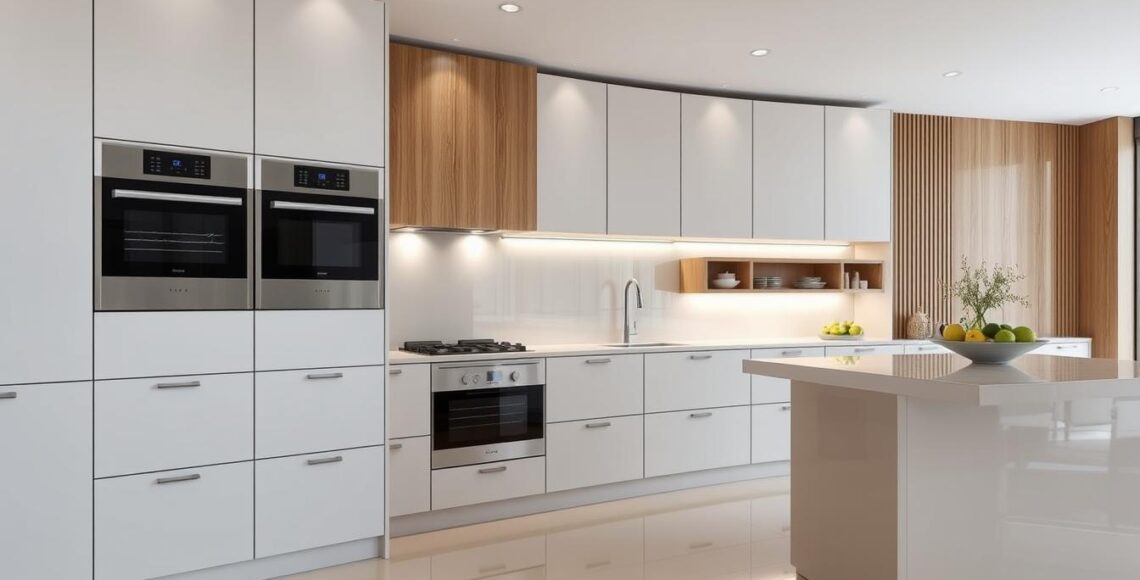
We think seamless integration is key in modern kitchen design. It’s important for a sleek and sophisticated look. Architects and contractors use panel matching and flush installation to create stunning kitchens for discerning homeowners.

Seamless integration is now a must in high-end kitchen design. We’ll look at how to make built-in appliances blend in, creating a clean look. Panel matching and flush installation are key to this, making the kitchen feel elevated.

Now, seamless integration is a must in high-end kitchens, not just a luxury. By mastering panel matching and flush installation, we make kitchens both beautiful and functional. We aim to bring architectural dreams to life, and seamless integration is key to this goal.

Understanding Built-in Appliance Design Fundamentals

Exploring high-end kitchen design, we find built-in appliances key. They boost kitchen function and look. We’ll look at hardware integration and ventilation design to make kitchens both useful and nice to look at.

Designing built-in appliances means thinking about how they fit in. Hiding them behind cabinets makes the kitchen look better. Choosing the right materials is also important. It affects how long the appliances last and how easy they are to clean.

Core Principles of Seamless Integration

To blend appliances into the kitchen, we focus on a few things:

  • Hardware integration: making sure appliances fit with the rest of the kitchen
  • Ventilation design: creating systems that work well and look good
  • Material selection: picking materials that last, are easy to care for, and look good

The Psychology of Hidden Appliances

Hidden appliances make kitchens calm and clean. They reduce clutter, making the space feel bigger and more welcoming. Understanding this helps us design kitchens that are both useful and beautiful.

Planning Your Integrated Kitchen Layout

When designing an integrated kitchen layout, we focus on utility planning. This ensures the space is both functional and efficient. A well-planned kitchen layout can make workflow better and save costs.

Architects and contractors consider the kitchen’s workflow and traffic patterns. They design a layout that reduces clutter and boosts productivity.

To achieve this, we recommend the following tips:

  • Assess the kitchen’s workflow and identify areas where built-in appliances can be seamlessly integrated
  • Consider the placement of appliances, such as a built-in refrigerator, near cooking stations to reduce unnecessary movement
  • Evaluate the kitchen’s traffic patterns and design the layout to minimize congestion

A key aspect of utility planning is balancing appliance placement with the kitchen’s aesthetic. This way, we create a space that’s both functional and beautiful. As we plan the integrated kitchen layout, we must also consider the specific needs of the users.

By carefully considering these factors and incorporating utility planning into the design process, we can create an integrated kitchen layout that is both efficient and beautiful. This meets the needs of architects, contractors, and homeowners alike.

Design ElementUtility Planning Consideration
Appliance PlacementProximity to cooking stations and workflow
Traffic PatternsMinimizing congestion and optimizing movement
Storage RequirementsAssessing user needs and incorporating adequate storage

Essential Components of Flush Installation

Flush installation is key for a seamless look in high-end kitchens. Precise alignment and managing gaps are crucial. Using techniques like laser leveling and precision cutting helps achieve a flawless finish.

Alignment techniques are vital for a successful flush installation. They ensure all components are properly aligned. This requires careful planning and attention to detail.

Panel Matching Techniques

Panel matching techniques are also vital. They involve selecting panels that match the surrounding surfaces. This creates a cohesive and streamlined appearance.

Gap Management Strategies

Gap management strategies prevent errors and ensure a smooth installation. They involve measuring and managing gaps between components. This ensures a precise fit and a seamless look.

Surface Alignment Methods

Surface alignment methods are critical for a seamless look. They involve using techniques to ensure surfaces are properly aligned and secured. This creates a flawless finish that enhances the kitchen’s aesthetic.

Mastering Hardware Integration

In the world of high-end kitchen design, hardware integration is key. It helps create a seamless look. Architects and contractors choose hardware that matches the cabinetry for a cohesive, sophisticated look.

Concealed hinges, for example, offer a clean, minimalist look. They also make the kitchen more functional.

Our team is skilled in hardware integration. We guide on how to blend hinges and handles for a unified look. Here are some best practices:

  • Choose hardware that matches the cabinetry for a seamless look
  • Use techniques that hide hardware for a clean look
  • Pick durable, easy-to-maintain hardware for a long-lasting kitchen

By mastering hardware integration, we make kitchens both functional and beautiful. As we explore new kitchen designs, hardware integration is crucial for a seamless look.

We help architects and contractors create stunning kitchens. Our guidance on hardware integration ensures a cohesive, sophisticated look. This makes the kitchen both functional and visually appealing.

Ventilation Solutions for Seamless Designs

Proper ventilation is key for a healthy and safe kitchen. We focus on ventilation design to make it look seamless. This means we aim for good airflow and hide the vents.

Our method includes hidden exhaust systems for better airflow and less noise. We also use integrated cooling solutions and airflow optimization techniques to improve the design.

Key Considerations for Ventilation Design

  • Airflow and ventilation rates
  • Noise reduction and sound absorption
  • Energy efficiency and sustainability

By focusing on these points, we make kitchens that look great and work well. They are safe, healthy, and functional.

Custom Panel Selection and Implementation

Custom panels are key to a high-end kitchen’s look. We suggest picking panels that match the cabinetry for a unified look. This way, architects and contractors can make sure the panels fit right in.

Custom panels can make a kitchen look better and work better. For example, panels that match the cabinetry make the kitchen look seamless. They also make the kitchen last longer. Important things to think about when choosing custom panels include:

  • Material matching: Picking panels that match the cabinetry.
  • Panel attachment systems: Making sure the panels are well attached to the cabinets.

By following these tips, architects and contractors can make a kitchen that looks great and works well. Custom panels can really enhance the kitchen’s look and feel.

Smart Technology Integration Strategies

As we explore new ideas in high-end kitchens, smart technology integration is key. It makes our kitchens more useful and fun to use. This is thanks to smart tech.

Smart tech aims to make our kitchens easy to use. This means using voice-controlled appliances and smart lighting. For example, smart home devices can connect with kitchen gadgets. This makes our kitchens work together smoothly.

Here are some ways to add smart tech to your kitchen:

  • Look at your kitchen’s layout to see where tech can help
  • Choose appliances and devices that work with smart homes
  • Make sure the controls are easy to use

Using these strategies, we can make kitchens that are both beautiful and high-tech. Smart tech will keep changing kitchen design for the better.

Maintenance Access Planning

Creating seamless integration in high-end kitchens is key. We focus on maintenance access to ensure built-in appliances last long. This planning makes kitchens functional and efficient, with minimal disruption.

We design service points for easy access, allowing for quick maintenance. This includes strategic placement of removable panels. These panels improve access and add a clean, minimalist look. Our design makes kitchens both functional and beautiful.

Service Point Design

A well-designed service point is crucial for built-in appliances. We consider the appliance’s location and create accessible panels. This ensures maintenance is convenient and efficient.

Removable Panel Systems

Removable panel systems are a big part of our plan. They make accessing built-in appliances easy, making maintenance simple. These systems keep kitchens looking good while being functional.

By focusing on maintenance access, we make high-end kitchens both beautiful and practical. Our use of service point design and removable panels ensures appliances are easy to maintain. This makes repairs straightforward.

Lighting Considerations for Integrated Appliances

When designing a high-end kitchen, lighting is key. We focus on both function and beauty. Good lighting makes the kitchen look great and work well.

We look at the kitchen’s needs, like the appliances and countertops. This helps us plan lighting that fits perfectly. We aim to make the appliances blend in.

Task Lighting Solutions

Task lighting helps with visibility and comfort. We use under-cabinet lights, pendant lights, or LED strips. These options are designed to be hidden, matching the kitchen’s look.

Ambient Light Integration

Ambient lighting sets the kitchen’s mood. We use recessed lights, ceiling fixtures, or floor lamps for this. It creates a cozy feel. Balancing task and ambient lighting makes the kitchen work and look good.

Our design includes careful lighting to make the kitchen stunning. We aim to merge design dreams with real-world solutions. Lighting is a big part of this.

Common Integration Challenges and Solutions

When designing high-end kitchens, we often face integration challenges. These can be solved with careful planning and execution. Understanding these challenges helps us find effective solutions for a seamless look.

Common issues include inconsistent design elements, insufficient space, and incompatible materials. To tackle these, we use a phased installation approach. This method improves workflow, reduces errors, and creates a clean look. It’s perfect for high-end kitchens.

Here are some strategies for overcoming integration challenges:

  • Conduct thorough design planning to ensure consistency and cohesion
  • Measure and assess the space to determine the best layout and installation approach
  • Select materials that are compatible and complementary to the overall design

By using these strategies, we can make kitchens that are both functional and beautiful. Overcoming challenges requires precision and expertise in our design and installation.

With careful planning and execution, we can solve integration challenges in high-end kitchens. By focusing on both functionality and aesthetics, we create spaces that are beautiful and meet our clients’ needs.

Conclusion: Creating Your Perfect Integrated Kitchen Space

Creating the perfect integrated kitchen starts with seamless appliance integration. This blend of form and function makes the kitchen a home’s centerpiece. Through the strategies shared, architects and contractors can make kitchens that look great and work well.

The secret to seamless integration is careful planning and precise work. Designers use panel matching, flush installation, and hardware integration to create a unified kitchen. This attention to detail makes the kitchen look effortless and enhances its beauty.

The goal of seamless integration shows the connection between design and manufacturing. This approach allows for kitchens that impress and improve daily life. It’s about creating spaces that are not just functional but also beautiful.

universal design kitchens

Designing for the Future: Universal Design Principles in Modern Kitchen Cabinetry

We think a great kitchen should be both useful and lovely, for everyone, no matter their age or ability. It should be designed with accessibility in mind, making it a space for all. When we plan kitchens for the future, we focus on universal design. This means making kitchens that are easy to use and adapt to, helping people stay independent and dignified.

Our goal in creating universal design kitchens is to make spaces that everyone can use. We aim to mix accessibility with luxury and style. This way, we craft kitchens that are not just useful but also stunning, combining beauty with practicality and a focus on accessibility and aging in place.

In designing kitchens for the future, we must think about everyone’s needs. We aim to create spaces that are easy to use and accessible for all, regardless of age or ability. By carefully applying accessibility design and aging in place principles, we can make kitchens that are both functional and beautiful.

Understanding Universal Design Kitchens: A Modern Necessity

Universal design kitchens are now a must, not just a luxury. They should be functional, efficient, and safe for everyone. By adding ergonomic solutions and adaptable storage, we make kitchens fit for all.

Our team will help you create a kitchen that looks great and works well. We know everyone is different. So, we focus on ergonomic solutions for comfort and adaptable storage for your needs. We aim to design a kitchen that suits you perfectly.

Defining Universal Design in Kitchen Spaces

Universal design in kitchens means making them accessible and enjoyable for all. It’s about creating spaces that are flexible, simple, and easy to use. This way, everyone can use the kitchen without trouble.

The Evolution of Accessible Kitchen Design

Kitchen design has changed a lot, focusing more on accessibility. We see things like touchless faucets and adjustable countertops. These changes make kitchens more accessible for everyone.

Key Benefits for All Users

Universal design kitchens offer many advantages. They include:

  • Increased accessibility and safety
  • Improved functionality and efficiency
  • Enhanced user experience and comfort
  • Increased property value and appeal

Core Principles of Universal Design in Kitchen Planning

We think a great kitchen should be easy for everyone to use, no matter their age or ability. This idea is called inclusive design. It’s key to making kitchens work for everyone.

Our team will help you design a kitchen that follows inclusive design rules. This means your kitchen will be safe, efficient, and easy to use for everyone. Important parts of inclusive design include:

  • Accessible storage and work surfaces
  • Clear navigation and circulation paths
  • Adaptable fixtures and appliances

By using these ideas, we make kitchens that are not just pretty but also useful and safe for everyone.

We aim to mix good design with real-world making skills. This way, we create kitchens that are welcoming and useful for everyone.

Essential Features of Accessible Cabinetry Design

When designing cabinetry for accessibility, it’s key to focus on safety and ease of use. Adding safety features to cabinetry design greatly improves the user experience. It’s important to make sure all users can easily access their cabinets.

Practical Storage Solutions

Practical storage solutions include pull-out and pull-down storage. These can be added to many types of cabinets. They let users get to their cabinet contents without stretching or bending, lowering the risk of accidents.

By adding these safety features, designers can make spaces more accessible and user-friendly.

Optimal Height and Reach Ranges

Choosing the right height and reach ranges is also vital. Cabinets should be at a height that makes it easy for users to access their contents. This can be done with adjustable shelves or pull-out storage.

These features help designers create safe and accessible spaces for everyone.

By focusing on these key features, we can make cabinetry more accessible and safe for everyone. Whether it’s through pull-out storage or the right height, every detail matters. Prioritizing safety ensures our designs are not just functional but also safe and accessible for all.

FeatureDescription
Pull-out and pull-down storageReduces reaching and bending, promoting safety and ease of use
Optimal height and reach rangesEnsures comfortable access to cabinet contents, reducing the risk of accidents and injuries
Hardware selection and placementPrevents accidents and injuries by selecting and placing hardware carefully

Smart Storage Solutions for Universal Accessibility

We think smart storage solutions are crucial for making kitchens accessible to everyone. By adding adjustable parts like shelves and drawers, we make kitchens work for all.

Our team will help you design a smart storage system. It will have adjustable parts to make your kitchen work well for everyone. This means features like:

  • Adjustable shelves for different heights and needs
  • Pull-out and pull-down storage to cut down on reaching and bending
  • Storage at the right height to avoid strain and discomfort

These adjustable parts help make your kitchen both beautiful and useful.

We aim to merge design ideas with real-world manufacturing. This way, we create a kitchen that fits your specific needs and tastes. With our smart storage, your kitchen will be both functional and stunning. It will also be easy for everyone to use.

Ergonomic Considerations in Cabinet Design

When designing kitchen cabinets, we focus on making the space functional and safe for everyone. We use barrier-free access and accessibility design. This way, our kitchens are great for people of all ages and abilities.

We aim to make movement easy and reduce fatigue. We optimize the work triangle to cut down on movement. We also adjust counter heights to fit different needs, so everyone can use the space comfortably.

Optimizing the Work Triangle

We look at the kitchen’s layout to reduce movement. We put often-used items where they’re easy to reach. This makes cooking more comfortable and reduces stretching and bending.

Counter Height Variations and Motion Range Requirements

We also think about counter height variations. This includes adjustable countertops or multiple heights. It ensures everyone can use the space easily. We also make sure there’s safe and easy access to all parts of the kitchen.

By focusing on these ergonomic aspects, we create kitchens that are beautiful and functional. They are safe and easy for everyone to use. This shows our dedication to accessibility and barrier-free access.

Lighting and Visibility Enhancements

Proper lighting is key in kitchen design, especially for aging in place and ergonomic solutions. We think good lighting makes visibility better, cuts down eye strain, and makes kitchens safer and more accessible. Our experts will help you design a lighting plan that fits aging in place and ergonomic solutions. This ensures your kitchen is both useful and safe for everyone.

Some important things to think about for better lighting and visibility include:

  • Task lighting to light up specific work areas
  • Ambient lighting to make the space warm and welcoming
  • Accent lighting to show off design features

By using these lighting strategies, we aim to make your kitchen both stunning and practical. It will have ergonomic solutions that support aging in place. Our goal is to design a kitchen that suits everyone, no matter their age or ability.

Material Selection for Durability and Accessibility

Choosing the right materials for a kitchen is key. It affects how long it lasts, how easy it is to use, and if it’s good for the planet. Look for finishes and textures that are simple to clean and keep up. Also, think about storage that can change to fit your needs.

Designing a kitchen that everyone can use is important. Pick materials that last and are simple to care for. This makes your kitchen look good and work well. For example, smooth surfaces like glass or stainless steel are easy to clean. And, storage that can change helps keep things tidy and easy to reach.

Surface Finishes and Textures

The look and feel of a kitchen depend a lot on its surface finishes and textures. Choose materials with smooth finishes, like glass or stainless steel, for easy cleaning. Adding textures like wood or stone can make the space more interesting to look at.

Maintenance Considerations

Keeping a kitchen clean and in good shape is important. Pick materials that don’t get scratched or stained easily, like quartz or granite. Also, think about storage that can change to help keep things organized and easy to get to.

Sustainable Material Options

Using materials that are good for the planet is a growing trend in kitchen design. Choosing eco-friendly options, like bamboo or recycled glass, makes your kitchen beautiful and sustainable. Adding design elements that are flexible, like adaptable storage, also helps reduce waste and makes the kitchen more accessible.

Safety Features and Emergency Accessibility

When designing a kitchen, safety features are crucial, especially for those with disabilities or mobility issues. A good kitchen design should have safety features for everyone’s safety. This includes emergency alarms, accessible exits, and a safety plan for emergencies.

We help our clients create a safety plan with safety features and emergency access. This ensures their kitchen is safe and easy to use for everyone. We consider each user’s needs, including disabilities or mobility issues, to make a custom solution.

Some important safety features to think about in kitchen design are:

  • Emergency alarms and notification systems
  • Accessible exits and escape routes
  • Safety plans and emergency procedures

By adding these safety features and emergency access to kitchen design, we make a safer space for all. Our team will help you create a safety plan that fits your needs and ensures emergency access.

Technology Integration in Modern Universal Design

Technology is key in making kitchens more accessible and safe. It helps us create spaces that meet everyone’s needs. This includes using adjustable elements and making sure everyone can move around easily.

Modern kitchens use technology to be more functional and open to all. Adjustable parts like pull-out storage make kitchens easy to use for everyone. This makes kitchens welcoming to all users.

Smart Cabinet Systems

Smart cabinets are a big step in making kitchens more accessible. They can be controlled from anywhere, making it simple to get what you need. They also work with voice commands, making things even easier.

Voice-Activated Controls

Voice controls add to the ease of using a kitchen. They let you control appliances and storage with just your voice. This makes kitchens more open to everyone.

Automated Storage Solutions

Automated storage is another way to make kitchens better. It includes adjustable parts like pull-out storage. This makes it easy to find what you need.

By adding these technologies, we can make kitchens that are great for everyone. They are safe, accessible, and meet individual needs. This makes cooking and enjoying meals easier for everyone.

TechnologyBenefits
Smart Cabinet SystemsEnhanced accessibility, ease of use
Voice-Activated ControlsBarrier-free access, ease of use
Automated Storage SolutionsAdjustable elements, ease of use

Cost Considerations and Return on Investment

When designing a universal kitchen, cost considerations and return on investment are key. Adding accessibility design and aging in place features makes your kitchen both functional and valuable.

We think a well-designed kitchen is a smart investment for homeowners. By using accessibility design like wide paths and easy storage, your kitchen stays safe and useful for years.

Here are some ways to add aging in place features to your kitchen:

  • Installing grab bars and non-slip flooring
  • Using easy-to-use hardware and appliances
  • Creating a comfortable and accessible workspace

Our team will help you plan a budget that includes accessibility design and aging in place features. This way, your kitchen will be both accessible and a great investment.

Working with Design Professionals

Creating a universal design kitchen requires working with experts. They should focus on ergonomic solutions and adaptable storage. Our team will help plan your kitchen, ensuring it fits your needs and budget.

To find the right universal design specialists, follow these steps:

  • Research local design firms that specialize in universal design
  • Check for certifications, such as the Certified Aging-in-Place Specialist (CAPS) designation
  • Review portfolios and ask for references to ensure the designer has experience with ergonomic solutions and adaptable storage

Design professionals who know about ergonomic solutions and adaptable storage are key. They help make your kitchen both functional and beautiful. Our team is here to guide you every step of the way.

Conclusion: Creating a Future-Proof Kitchen Space

Designing a future-proof kitchen is key for everyone’s quality of life. It should be accessible and safe for all. By using universal design, your kitchen can grow with you, no matter your age or abilities.

At [Brand Name], we help you design a kitchen that’s ready for tomorrow. We focus on planning, choosing materials, and adding smart tech. This way, your kitchen becomes a place where you can live freely and comfortably, now and in the future.

Choosing a universally designed kitchen is smart for your home’s value and appeal. It’s not just about today; it’s about tomorrow too. Ready to make your kitchen future-proof? Contact us to see how we can make it happen.

appliance integration design

Innovative Solutions for Integrating Appliances in Custom Cabinetry Design

We think seamless integration is crucial for a kitchen that works well and looks good. By looking at appliance specs like size and type, we make sure everything fits right. This way, we turn our clients’ dreams into reality with top-notch custom cabinetry.

Our mission is to offer complete solutions for fitting appliances together smoothly. We focus on how things look and work together. This makes our custom cabinetry not just pretty but also super useful, adding value to homes and making cooking better for our clients.

In the world of custom cabinetry, we see the importance of new ideas that focus on smooth integration and appliance details. This approach helps us build kitchens that are stunning and practical. They become a key part of any home.

Understanding Modern Appliance Integration Design

Exploring custom cabinetry manufacturing, we see the importance of appliance integration in kitchen design. A good kitchen is both beautiful and functional. Appliance integration helps us make a space that works well for homeowners.

Integrating appliances means we must think about ventilation requirements. Good ventilation removes heat, moisture, and smells, making the kitchen comfortable and healthy. We use range hoods, exhaust fans, or other systems for this. Also, panel matching is key for a uniform look in the kitchen.

Important points for modern appliance design include:

  • Looking at the kitchen’s layout and flow to place appliances right
  • Picking appliances that are useful and look good
  • Making sure the design can grow and change with homeowners’ needs

By carefully designing appliances, we make kitchens that are stunning and practical. Our skills in custom cabinetry help make our clients’ dreams real.

Essential Planning Considerations for Cabinet-Appliance Integration

When planning cabinet-appliance integration, clearance planning is key. It’s about making sure there’s enough room between appliances and cabinets. This makes it easier to get to and take care of them. For example, a big fridge might need more space to be easily accessed and maintained.

Utility connections like electrical and plumbing lines are also vital. They need careful planning to ensure appliances work right. Architects and contractors should plan these connections well to make the installation smooth and effective.

Some important things to think about for good clearance planning and utility connections are:

  • Measure the space carefully to ensure enough room between appliances and cabinets
  • Plan the layout of utility connections to keep things tidy and easy to reach
  • Use industry-specific terms and standards for safety and compliance

By keeping these tips in mind, architects and contractors can do a great job on cabinet-appliance projects. They’ll create spaces that are both beautiful and functional for their clients.

Clearance Planning ConsiderationsUtility Connections Considerations
Measure the space carefullyPlan the layout of utility connections
Ensure enough space between appliances and cabinetsUse industry-specific technical terms and standards

Technical Requirements for Successful Integration

Integrating appliances into custom cabinetry requires careful planning. Thermal management is key to prevent overheating. This involves installing insulation and ventilation systems.

Easy access for maintenance and repairs is also crucial. Access panels help achieve this. They allow safe access without removing the entire cabinet.

Here are some important technical requirements for a successful integration:

  • Ventilation and airflow standards to prevent overheating
  • Power supply specifications to ensure compatible voltage and amperage
  • Plumbing requirements for water supply and drainage
  • Heat management solutions to maintain a stable temperature

By focusing on these requirements, we can design a safe and efficient appliance system. It meets the needs of architects and contractors.

Matching Panel Design and Materials

Creating a cohesive kitchen space is all about panel matching. We pick the right materials and designs for the panels. This makes sure they fit well with the kitchen’s look. We also look at the appliance specs to make installation smooth.

The choice of panel materials and designs really matters. For example, glass panels can make a modern kitchen look sleek. But, wood panels might be better for a traditional kitchen. We listen to our clients to offer solutions that fit their needs.

Some popular options include:

  • Wood panels for a traditional look
  • Metal panels for a modern and sleek appearance
  • Glass panels for a contemporary and sophisticated look

By focusing on panel matching and appliance specs, we make kitchens both functional and beautiful. Our team works closely with clients. We make sure every detail is perfect for a smooth installation.

Space Planning and Clearance Requirements

Clearance planning is key for cabinet-appliance integration. It ensures a smooth and functional installation. We follow minimum distance guidelines for appliances and cabinets for easy access and maintenance. For example, a big dishwasher might need more space for easy access and upkeep.

Utility connections are also important in clearance planning. We plan for the space needed for plumbing and electrical connections. This ensures they don’t get in the way of the kitchen’s design and function. With careful planning, we create a kitchen that’s both functional and efficient for our clients.

To make a kitchen space functional and efficient, we consider several factors:

  • Minimum distance guidelines between appliances and cabinets
  • Access points for maintenance, such as access panels
  • Door swing considerations, such as the direction and clearance of doors

By thinking about these factors, we design a kitchen that’s both useful and looks good. We make sure there’s enough clearance and utility connections for a smooth installation.

ApplianceMinimum Distance Requirement
Dishwasher24 inches
Refrigerator30 inches
Oven36 inches

Advanced Solutions for Utility Connections

We know how crucial utility connections are in custom cabinetry design, especially for top-notch appliances. We aim to merge architectural dreams with real-world manufacturing. This means focusing on thermal management for safe and efficient setups.

Some important points for advanced utility connections include:

  • Setting up special electrical circuits for powerful appliances
  • Adding insulation and ventilation for the right temperatures
  • Planning plumbing and gas lines to avoid leaks and dangers

By focusing on thermal management and using the latest utility connections, we make custom cabinets that work well and look great. As experts, we keep up with new utility connections tech to give our clients the best outcomes.

Our skilled team designs and builds custom cabinets that fit each client’s needs. By combining thermal management and utility connections skills, we create amazing spaces that go beyond what our clients hope for.

Troubleshooting Common Integration Challenges

Integrating appliances into custom cabinetry can be tricky. It’s key to think about appliance specs and plan well. We often face issues like size mismatches and alignment problems.

Some common challenges include:

  • Size discrepancies: mismatch between appliance and cabinet sizes
  • Alignment issues: misalignment of appliances and cabinets
  • Temperature control problems: ensuring proper ventilation and airflow

To solve these problems, we need to carefully look at appliance specs and plan the integration. This way, we can make sure the installation goes smoothly. It results in a seamless integration that our clients will love.

By considering appliance specs and planning well, we can tackle common integration challenges. This helps us create a space that is both harmonious and functional. It meets our clients’ expectations perfectly.

Future-Proofing Your Integrated Design

Innovation in custom cabinetry design is key. We must think about the future of integrated appliances. By using panel matching and clearance planning, we make spaces that change with homeowners’ needs.

Smart Home Integration

Smart home tech is getting more popular. It’s important to include it in our designs. For instance, a smart kitchen needs special solutions for smart appliances and devices.

Modular Design Approaches

Modular designs are great for the future. They let us update parts without changing the whole thing. This makes spaces more flexible and personal for homeowners.

Upgradeability Considerations

Upgradeability is crucial in custom cabinetry design. Panel matching and clearance planning help make spaces easy to change. This makes the cabinetry last longer and lets homeowners update their spaces as needed.

By focusing on these points, we can make cabinetry that’s both functional and beautiful. It’s designed to last, meeting homeowners’ needs and exceeding their expectations.

Design ConsiderationBenefits
Panel MatchingCreates a cohesive and harmonious design
Clearance PlanningEnsures sufficient space for appliances and cabinets
Smart Home IntegrationProvides a seamless and efficient user experience

Conclusion: Creating Lasting Value Through Thoughtful Integration

The secret to perfect appliance integration in custom cabinetry design is in the details. It’s about understanding appliance specs and how they match the design vision. This careful approach adds value, making kitchens both functional and beautiful.

Designers and contractors must consider everything from ventilation to size and alignment. They need to know the technical needs well. They also have to choose the right panel design and materials for a unified look.

Looking ahead, smart home tech and modular designs will make kitchens even better. Staying up-to-date with trends helps professionals create amazing spaces. They deliver top-notch results for their clients.

kitchen storage solutions

Maximizing Storage in Irregular Kitchen Layouts: Solutions for Challenging Spaces

We know that irregular kitchen layouts can be tough for storage. We aim to make these spaces work better by creating smart storage solutions. Our custom cabinetry can turn tricky areas into useful spots, thanks to clever space use and corner solutions.

Our team helps architects and contractors solve storage problems in odd-shaped kitchens. We use our skills to make every kitchen a place for storing things. We understand the hurdles of odd kitchen shapes and offer creative solutions. These solutions help make the most of every inch, including corners.

We want to share ideas that make odd spaces work well. By working with us, architects and contractors get our help in making kitchens that look great and work well. Our solutions include smart storage and clever use of corners, making clients happy.

Understanding the Challenges of Irregular Kitchen Layouts

Kitchens with irregular layouts face big storage challenges. These spaces can cut down on storage and make it hard to use the area well. To find good storage solutions, we must understand these challenges and spot problem spots.

Custom storage can solve these issues by offering tailored options for odd spaces. It helps us use every inch of space, making the kitchen more useful. Kitchens with L-shapes, U-shapes, or narrow designs often need special solutions because of their layout.

Common Layout Irregularities

  • L-shapes: These layouts can create dead corners that are hard to reach and use.
  • U-shapes: These layouts can create narrow passages that limit storage options.
  • Narrow kitchens: These layouts can make it hard to fit in standard storage solutions.

Knowing these common layout issues helps us create custom storage solutions. We can use corner cabinets, pull-out drawers, and other creative solutions to make the most of the space.

Impact on Storage Capacity

The effect of irregular kitchen layouts on storage is huge. Bad storage can lead to cluttered countertops, wasted space, and less functionality. By improving storage efficiency, we can make kitchens more functional and efficient for homeowners.

Essential Kitchen Storage Solutions for Awkward Spaces

Dealing with awkward kitchen spaces can be tough. That’s why we focus on cabinet organization and space planning. These help create storage that fits the kitchen’s needs perfectly. This way, every item has its spot, making the space efficient and comfortable.

Ergonomic design is key in kitchen storage. It lets users get to items easily and safely. We design storage keeping the user’s path in mind. This means less bending and stretching.

  • Placing frequently used items in easy-to-reach locations
  • Using pull-out shelves and drawers to reduce bending and stretching
  • Installing cabinets with adjustable shelves to accommodate items of different sizes

By following these ideas, we make kitchens that are both useful and comfy. We’ll keep looking into kitchen storage, especially for tricky spots. This includes custom cabinets and new storage ideas.

Assessing Your Kitchen’s Storage Potential

To make a good storage plan, we need to check the kitchen’s storage space. We measure the space, map out the flow, and find unused areas. This helps us find the best storage for your kitchen, considering its needs and challenges. We aim to use space optimization to make the most of your kitchen’s storage.

We’ll work with you to spot areas for better storage and plan accordingly. We measure your kitchen’s space, including room size, door and window locations, and fixture spots. We also look at how people move around to find the best storage spots.

Measuring Available Space

Measuring your kitchen’s space is key to finding the right storage. We take exact measurements of walls, floors, and ceilings. We also note any plumbing or electrical issues that might affect storage.

Mapping Traffic Flow

Understanding how people move in your kitchen helps us place storage wisely. We study the paths people take and find spots for storage that don’t block the way. This makes your kitchen more accessible and efficient.

Identifying Dead Zones

Finding unused areas in your kitchen is important for better storage. We look at the layout and find spots like corners or areas behind doors that aren’t used. Then, we plan to use these spots for storage with custom storage and corner solutions.

By checking your kitchen’s storage needs and making a plan, we can make your kitchen work better. Our team will help you create a space that’s both functional and beautiful. We’ll use space optimization, corner solutions, and custom storage to make the most of your kitchen.

Smart Corner Cabinet Solutions

We know that corner cabinets can be tough to use in a kitchen. That’s why we create smart solutions to make them useful. We add custom storage like carousel units or lazy Susans. This way, your kitchen becomes more organized and easy to use.

We look at what your kitchen needs and design storage that fits. You might find:

  • Carousel units for easy access to items
  • Lazy Susans for efficient storage and retrieval
  • Custom shelving and drawers to use space well

Our designs make your kitchen more efficient and organized. We aim to provide storage that suits your kitchen’s unique needs. This way, we maximize every corner and make your kitchen better.

Our team works with architects and contractors to create top-notch custom cabinetry. We use our knowledge of kitchen design to make your storage solutions better. This improves your kitchen’s efficiency and functionality.

Vertical Storage Optimization Techniques

Maximizing storage in small kitchens is key. We use vertical space to make kitchens more organized and efficient. This way, we reduce clutter and make the kitchen a better place to work.

We aim to merge design with practicality in our custom cabinetry. Our focus is on making every part of the kitchen useful and easy to access. This ensures a functional and comfortable kitchen space.

Ceiling-Height Cabinets

Ceiling-height cabinets are great for storing items you don’t use often. They keep your kitchen tidy and make cooking and entertaining easier.

Wall-Mounted Options

Wall-mounted shelves and pot racks add more storage. They keep essentials within reach, making your kitchen a more comfortable place to be.

Stackable Storage Systems

Stackable systems are a smart way to save space. They can be tailored to fit your needs, making every inch count. This approach helps us optimize your kitchen’s layout.

Using these techniques, we create kitchens that are both beautiful and practical. Our focus on space, organization, and design ensures a kitchen that’s a joy to use.

Custom Cabinetry for Unusual Angles

We specialize in making custom storage for odd-shaped spaces. We help kitchens with weird angles by creating smart storage solutions. Our team is great at turning design ideas into real cabinets.

We design and build cabinets that fit your kitchen perfectly. This makes your kitchen more organized and useful. Our custom storage solutions solve the problems of irregular spaces and boost storage efficiency.

Some benefits of our custom cabinetry include:

  • Maximized storage capacity
  • Improved organization and functionality
  • Enhanced aesthetic appeal

Our experts work with architects and contractors to create custom cabinets. We understand the challenges of odd spaces. This lets us make custom storage that improves storage efficiency and kitchen function.

Space-Saving Solutions for Narrow Kitchens

Narrow kitchens need creative ideas to fit more storage without feeling cramped. We can do this by optimizing space, using corner solutions, and organizing cabinets smartly.

Optimizing Storage Capacity

To use space well, we can install pull-out pantry systems, slim carts, and storage between cabinets. These ideas help us use every inch, making our kitchen more efficient and tidy.

Key Space-Saving Solutions

  • Pull-out pantry systems for easy access to food and cooking essentials
  • Slim rolling carts for additional counter space and storage
  • Between-cabinet storage for maximizing vertical space

By using these space-saving ideas, we can make a narrow kitchen both useful and cozy. It’s all about smart space use, corner solutions, and cabinet organization to fit our needs perfectly.

Maximizing Under-Counter Space

Under-counter space in kitchens is often wasted. But, with the right custom storage solutions, it can be used better. Pull-out drawers or shelves help us reach items easily and boost storage efficiency.

A good cabinet organization system changes a kitchen’s function. We design it based on the kitchen’s needs. This might include adjustable shelves, drawer dividers, or special storage for often-used items.

Maximizing under-counter space has many benefits:

  • More storage space
  • Easier access to stored items
  • Better storage efficiency in the kitchen

By choosing custom storage and focusing on cabinet organization, we make kitchens more useful and tidy. This way, we use every inch of space wisely.

Innovative Solutions for Dead Corner Spaces

Dead corner spaces are a common challenge in kitchens. But, with innovative solutions, we can turn these areas into functional storage spaces. By using corner solutions, we can make our kitchens more efficient and organized.

This approach helps reduce clutter and improves the kitchen’s look. It’s all about making the most of the space we have.

One key aspect is ergonomic design. Installing solutions like lazy susans or magic corner units helps. They make it easier to work without bending or stretching.

These solutions can be customized for each kitchen. This ensures the space is used to its full potential.

Corner Solution Options

  • Lazy Susan installations: These rotating shelves provide easy access to stored items, making them ideal for corner spaces.
  • Magic corner units: These units use a combination of shelves and baskets to maximize storage capacity in dead corner spaces.
  • Pull-out corner systems: These systems allow for easy access to stored items, making them perfect for kitchens with limited space.

By using these corner solutions, we can make our kitchens more functional and efficient. We focus on space optimization and ergonomic design. This way, we turn dead corner spaces into valuable storage areas, improving the kitchen’s usability.

Budget-Friendly Storage Alternatives

Optimizing kitchen storage doesn’t have to be expensive. There are many affordable ways to improve space and organization. These solutions help make our kitchens more efficient and organized, using every inch of space.

DIY projects and temporary storage options are great for saving money. Old furniture can be repurposed, and affordable materials can be used for custom storage. Stackable containers and hanging organizers are also cost-effective ways to increase storage.

DIY Solutions

  • Repurposing old furniture, such as turning an old dresser into a kitchen island
  • Using affordable materials, like plywood or MDF, to build custom storage units
  • Creating a pegboard for hanging frequently used items, like pots and pans

Affordable Organizers

Affordable organizers like baskets, bins, and dividers can greatly improve kitchen organization. They help keep our kitchens tidy and make the most of our space. This leads to better space optimization.

By using these budget-friendly solutions, we can make our kitchens more functional and efficient. Whether we want to organize cabinets, increase storage, or use space better, there are many affordable options. These solutions help us achieve our goals without spending a lot of money.

Implementing Your Storage Plan

Maximizing storage in irregular kitchen layouts starts with a good plan. Our team of experts can create a customized storage plan for your kitchen. This plan includes custom storage solutions that use your space wisely.

Good space planning is key to a functional kitchen. We design a storage plan that streamlines your workflow and cuts down on clutter. Our focus on ergonomic design ensures every part of your kitchen is comfortable and easy to use.

When putting your storage plan into action, consider these points:

  • Look at your kitchen’s storage potential and find areas to improve
  • Choose storage solutions that match your lifestyle and cooking habits
  • Add custom storage like pull-out pantries or adjustable shelving to use space better

Together, we can make your kitchen both beautiful and functional. Our space planning and ergonomic design skills ensure your kitchen becomes a storage haven. It will make cooking and entertaining a pleasure.

Conclusion: Transforming Your Irregular Kitchen into a Storage Haven

Turning an irregular kitchen into a storage haven is a journey of planning and creativity. We use our skills in custom cabinetry manufacturing and space optimization to tackle your kitchen storage solutions challenges. Our aim is to make your kitchen both beautiful and useful.

We work together to find the best solutions for your kitchen’s layout. We look for unused spots and come up with custom storage ideas. Whether it’s corner cabinets, vertical storage, or solutions for tight spaces, we’re here to help. Our goal is to make your kitchen both functional and stylish.

Starting this journey with us means unlocking your kitchen’s full potential. We’ll turn it into a place that meets your cooking and organizing needs. Together, we’ll face any challenges and create a kitchen that’s both beautiful and practical.

Coordinating Trades in Kitchen Renovations: Solutions for Common Installation Conflicts

Kitchen renovation coordination can be tricky, especially with many trades involved. It’s key to schedule and sequence installations well for a smooth project. Our experience in custom cabinetry helps us solve common installation problems.

We aim to make architectural dreams a reality with precision and skill. Focusing on coordination, scheduling, and sequence helps us tackle challenges. Our goal is to guide you through trade coordination and avoid conflicts for a great kitchen renovation.

We’ve learned a lot from managing complex kitchen projects. Good coordination, scheduling, and sequence planning are crucial. They help avoid delays, save money, and ensure quality. In this article, we’ll share our knowledge and offer tips to overcome installation conflicts and achieve a successful kitchen renovation.

Understanding the Complexity of Kitchen Renovation Coordination

Kitchen renovation coordination is complex and needs careful planning. We know how important it is to understand this to get good results. Architects and contractors can handle challenges better and avoid delays by knowing the details.

Effective conflict resolution is key in kitchen renovation projects. It helps solve problems quickly, avoiding cost overruns and delays. A good site coordination plan is essential. It outlines who does what and has a strong workflow management system to keep tasks on track.

Key Trades Involved in Kitchen Renovations

The main trades in kitchen renovations are electrical, plumbing, and mechanical. Knowing where these trades overlap is crucial for a smooth project. For example, electrical and plumbing work must be coordinated to avoid problems.

Common Points of Trade Overlap

Some common areas where trades overlap include:

  • Electrical and plumbing installations
  • Mechanical system integration
  • Flooring and cabinet installations

Critical Path Dependencies

Identifying critical path dependencies is important for managing the project timeline. It involves looking at the task sequence and finding the most important ones. This way, architects and contractors can plan better and use resources wisely.

Pre-Construction Planning: Setting the Foundation for Success

We know how key pre-construction planning is in kitchen makeovers. A clear trade scheduling and installation sequence help architects and contractors work together smoothly. This reduces the chance of delays and conflicts.

Our team is ready to create a detailed pre-construction plan for your project. This plan will outline a project schedule, spot potential risks, and have a backup plan. Good trade scheduling means resources are used well and there’s less downtime.

A smart installation sequence is also key. It makes sure each trade is done in the right order, avoiding extra work and delays. With solid pre-construction planning, we can turn your vision into reality. This means delivering top-notch custom cabinetry that meets your needs.

  • Defining project scope and objectives
  • Establishing a realistic timeline and budget
  • Identifying potential risks and developing mitigation strategies
  • Coordinating with all stakeholders, including architects, contractors, and suppliers

By sticking to these steps and focusing on pre-construction planning, we make sure our kitchen renovation projects are done right. They’re completed efficiently, effectively, and to the highest quality standards.

Creating an Effective Trade Schedule Timeline

Effective site coordination is key for a successful kitchen renovation. A well-planned trade schedule timeline helps ensure all trades work together smoothly. This way, the project finishes on time.

Creating a good trade schedule timeline starts with setting a work sequence. You need to know the critical steps and add extra time for surprises. This helps manage the project timeline well, making sure all trades work together.

Sequence of Work Guidelines

  • Identify critical path dependencies
  • Allocate buffer time for unexpected delays
  • Establish a sequence of work guidelines for all trades

Our team can create a custom trade schedule timeline for your project. We consider your project’s specific needs. This way, your kitchen renovation will be done on time and within budget.

Following these guidelines helps architects and contractors succeed in their kitchen renovation projects. With good site coordination, workflow management, and mechanical systems integration, you can meet your project goals and deliver quality results.

Mechanical, Electrical, and Plumbing Integration Strategies

We know how key effective MEP integration is in kitchen makeovers. By crafting special electrical planning plans, architects and builders can make sure all systems work well together. This avoids problems and keeps the project flowing smoothly.

Our skilled team can create custom plumbing integration plans for your project. We focus on your specific needs and goals. This includes:

  • Working with trades to install things on time and right
  • Doing detailed site checks to spot any issues early
  • Creating detailed plans to lower risks and follow rules

By focusing on MEP integration, we aim to make your kitchen renovation projects top-notch.

Integration StrategyBenefits
Customized electrical planningMinimized conflicts, improved workflow
Tailored plumbing integrationEnhanced efficiency, reduced risks

Managing Space Conflicts Between Different Trades

Effective site coordination is key in handling space issues between trades. Architects and contractors can avoid delays and keep the workflow smooth. Reports show that good planning can cut conflict chances by up to 30%.

Our team crafts space management plans for each project. We focus on ceiling and wall cavity coordination, floor plan optimization techniques, and access point planning. This way, we make sure all trades have enough room to work. It reduces conflicts and boosts site coordination.

Important steps for managing space conflicts include:

  • Coordinating installations to avoid overlap
  • Optimizing floor plans to cut down on congestion
  • Planning access points for better workflow

By focusing on conflict resolution and site coordination, we aim for projects that are on time, within budget, and top quality.

Communication Protocols for Successful Kitchen Renovation Coordination

Good communication is key to a successful kitchen renovation. We need clear rules to keep everyone informed and working together. This means using digital tools, writing down what we need, and having daily meetings.

Digital tools help us manage the work and keep the site running smoothly. They let architects, contractors, and workers work together better. This cuts down on mistakes and delays. Tools like project management software and communication apps are very helpful.

Digital Tools for Trade Management

  • Project management software to track progress and deadlines
  • Communication platforms for real-time collaboration and issue resolution
  • Data sharing systems to ensure accurate and up-to-date information

Keeping detailed records is also important. We need to track progress, changes, and any problems. This makes sure we follow the rules and everyone knows what’s happening.

Documentation Requirements

Having regular meetings is another key part of good communication. These meetings help us talk about how things are going, solve problems, and make sure we’re all on the same page. This way, we build trust and work together towards our goals.

Resolving Common Installation Conflicts on Site

When we bring architectural dreams to life, we sometimes face installation conflicts. Our team is ready to help architects and contractors find solutions. We focus on conflict resolution strategies that fit each project. This way, we can solve problems fast and keep the installation sequence moving.

Studies show that conflict resolution is key to a smooth construction process. By working together, we can spot and fix issues early. This teamwork is what drives our mission to make architectural visions a reality with precision and skill.

Here are some important steps for conflict resolution:

  • Clear communication and documentation
  • Regular site meetings and updates
  • Being proactive in finding and fixing problems

Quality Control Measures Across Trade Work

We aim to provide top-notch custom cabinetry solutions. Quality control is key to meeting standards. Our team focuses on quality control, including inspections, documentation, and compliance checks. This ensures all work is done to the highest level, showing our dedication to precision and skill.

Our quality control is based on workflow management. This helps us manage processes, spot issues early, and fix them fast. It prevents mistakes, cuts down on rework, and makes sure work is done well and quickly. By combining quality control with workflow management, we promise our clients the best products and services.

Key Quality Control Measures

  • Regular inspection checkpoints to verify compliance with industry standards and regulations
  • Documentation procedures to record and track all aspects of the trade work, including materials, labor, and timelines
  • Compliance verification processes to ensure that all work meets the required standards and regulations

By using these quality control steps, we ensure our work is top-notch. Our team is committed to outstanding results. We believe our quality control approach is crucial to achieving this goal.

Emergency Response Protocols for Installation Issues

Even with the best plans, installation problems can still happen. It’s key to have emergency plans ready for conflict resolution and to avoid delays. Our team can create emergency plans that fit your project’s needs, ensuring smooth site coordination.

Studies on project management show the need for being ready for surprises. With a plan, architects and contractors can tackle issues fast. This helps avoid delays and cost increases. Important parts of emergency plans include:

  • Spotting risks and finding ways to lessen them
  • Setting up clear ways to report problems
  • Having a backup plan for unexpected delays

By focusing on conflict resolution and site coordination, we help you manage kitchen renovation projects well. Our knowledge in custom cabinetry lets us offer specific help and advice at every project stage.

Conclusion: Mastering Multi-Trade Kitchen Renovation Management

Mastering kitchen renovation coordination is key to successful projects. It ensures they are done on time, within budget, and meet high standards. By using the strategies and best practices from this article, architects and contractors can handle multi-trade challenges well.

Good planning, detailed trade scheduling, and clear communication are crucial. They help integrate the work of different tradespeople smoothly. This way, professionals can avoid delays and keep the project moving forward.

Understanding the industry’s complexities is vital. It’s also important to use the latest tools and techniques. Our team is here to help you turn your vision into reality. We offer solutions that improve the customer experience and boost your reputation.

Critical Milestones: Timeline Planning for Custom Cabinetry Projects

A well-planned custom cabinetry timeline is key to any project’s success. Our team works hard to turn architectural dreams into reality. We focus on the timeline to avoid delays and ensure quality results that meet our clients’ needs.

We plan every custom cabinetry project carefully, from the first meeting to the final installation. Breaking the project into phases helps us manage it well. This includes choosing materials, preparing the site, and installing the cabinetry. We work closely with our clients to make sure their vision is brought to life.

By focusing on planning and managing the timeline, we avoid delays. Our goal is to deliver outstanding results. In the next sections, we’ll share more about planning custom cabinetry projects. This will help architects and contractors plan with confidence.

Understanding the Custom Cabinetry Timeline: A Comprehensive Overview

Custom cabinetry projects need a solid manufacturing schedule for timely completion. We team up with architects and contractors to craft a installation timeline that fits their needs and deadlines.

Custom cabinetry projects usually take 6 to 12 weeks. This depends on the design’s scope and complexity. Our experts will help you from the start to the end, making the process smooth and efficient.

Typical Project Duration Expectations

The time it takes for a custom cabinetry project varies. Here are some general guidelines:

  • Simple designs: 6-8 weeks
  • Medium-complexity designs: 8-10 weeks
  • High-complexity designs: 10-12 weeks

Key Phases of Cabinet Production

The cabinet production process has several key phases. These include design, material selection, and manufacturing. Each phase is crucial for the manufacturing schedule and installation timeline.

Factors Affecting Timeline Length

Several factors can change a custom cabinetry project’s timeline. These include design changes, material availability, and production capacity. Our team works with clients to spot risks and find ways to avoid them. This ensures a smooth and efficient project timeline.

Initial Consultation and Design Phase

We start by meeting with architects and contractors for an initial consultation. We work together to understand their vision and what they need for the custom cabinetry project. This is a key step to make sure the project is possible and meets their expectations.

Our team of experts helps with design choices, picking materials, and setting a budget. These are all important for getting design approval.

Next, we dive into project planning to make a detailed design plan. This includes 3D renderings and specific details. This plan is the base of the project, covering the scope, timeline, and budget.

By working closely with our clients, we make sure the final product is what they want and more.

Some important parts of our initial consultation and design phase are:

  • Talking about design options and materials
  • Creating a detailed design plan and 3D renderings
  • Setting a project timeline and budget
  • Working with architects and contractors for a unified vision

We aim to give our clients a smooth and efficient experience, from the first meeting to the final installation. By focusing on design approval and project planning, we make sure every part of the custom cabinetry project is well thought out and done right.

Material Selection and Sourcing Process

The material selection and sourcing process is key in a custom cabinetry project. Our team will help you choose the right materials. They must meet the project’s needs for both function and look. This step is vital in the coordination schedule, affecting the project’s timeline.

We offer many wood and finish options, like exotic hardwoods and custom finishes. Our team will help pick the best materials for your project. They consider things like sustainability and durability. The schedule will be adjusted to get the materials on time.

Wood and Finish Options

We have a variety of wood species and finishes to choose from, including:

  • Oak
  • Maple
  • Cherry
  • Walnut

Our team will help you find the perfect wood and finish for your needs.

Hardware Selection Timeline

Choosing the right hardware is also important. We’ll help you pick the perfect hardware for your cabinetry. It must fit the project’s needs for both function and look. The hardware selection timeline will be part of the overall schedule for a smooth project.

Special Material Considerations

We also consider special material needs, like sustainability and durability. Our team will help choose the best materials for your project. They consider environmental impact and long-term performance. The schedule will be adjusted to ensure timely delivery of the materials.

Project Planning and Documentation Requirements

Effective project planning is key for a successful custom cabinetry project. We help clients create a detailed plan. This includes a timeline, budget, and what needs to be done.

Our team makes sure all important documents are ready before we start. This includes permits and approvals.

During site preparation, we take precise measurements and create templates. This helps us avoid problems and adjust the plan if needed.

Some important parts of our planning and documentation are:

  • Creating a detailed project schedule
  • Setting a budget and scope of work
  • Getting the necessary permits and approvals
  • Preparing the site, including measurements and templating

By working closely with our clients and following a strict planning and documentation process, we ensure their project is done on time and within budget. It will also meet their exact needs.

Manufacturing Schedule Breakdown

We know how crucial a well-planned manufacturing schedule is for quality custom cabinetry. Our team works closely with clients. We make sure every part, from custom doors to hardware, meets our high standards.

Our manufacturing schedule is made for a smooth and efficient process. It has many quality control checks. This helps us catch and fix any problems quickly, so the final product is just what our clients want.

Custom Component Production

We create custom parts like doors, drawers, and shelves. We use top-notch materials and precise craftsmanship. This ensures every part meets our quality standards.

Quality Control Checkpoints

Our quality control has many checks. We inspect raw materials, semi-finished parts, and finished products. This way, we can quickly find and fix any issues, making sure the final product is perfect.

Assembly Process Timeline

Our assembly timeline is carefully planned. We make sure every part is put together correctly and efficiently. We mix traditional craftsmanship with modern technology for perfect joints and finishes.

By sticking to our manufacturing schedule and quality control, we ensure every custom cabinetry project is top-notch. It meets our high standards and exceeds our clients’ expectations.

Site Preparation Guidelines

Proper site preparation is key for a successful custom cabinetry installation. We team up with our clients to get the site ready for installation. This includes removing old cabinets and preparing walls and floors.

This step is vital for a smooth installation process. It directly affects the installation timeline.

Our team will help you through the site preparation. This includes measuring and templating for a perfect fit. We catch any issues early and fix them before starting, keeping the project on track.

  • Clear the area where the cabinets will be installed, removing any debris or obstacles.
  • Verify that the walls and floors are level and secure, making any necessary adjustments before installation.
  • Plan for the installation timeline, taking into account the time required for site preparation, cabinet delivery, and the actual installation process.

By following these guidelines and working together, we ensure your custom cabinetry project is done efficiently. We focus on site preparation and a well-planned installation timeline.

Coordination Between Stakeholders

Getting everyone on the same page is key for a custom cabinetry project to succeed. We keep the lines of communication open with designers, contractors, and clients. A detailed coordination schedule makes sure everything runs smoothly and on time.

Our team works hand in hand with designers to set up a designer communication schedule. We share updates and progress reports regularly. This teamwork helps us tackle any issues or changes quickly, keeping the project moving forward.

We also make sure contractors fit into the contractor integration timeline seamlessly. This ensures the custom cabinetry is installed right on schedule.

We make sure to get client approval at key points in the project. Keeping our clients in the loop and happy is important to us. This way, we can make any needed changes and deliver a top-notch custom cabinetry solution that meets their dreams.

  • Improved communication among stakeholders
  • Enhanced project efficiency
  • Increased client satisfaction

By focusing on coordination and client approval, we guarantee every custom cabinetry project meets the highest standards. We make sure it meets the unique needs and expectations of our clients.

Delivery and Installation Planning

We know how crucial timely delivery and installation are in custom cabinetry projects. Our team works closely with clients to find a delivery and installation time that fits their schedule. We consider the delivery timing and installation timeline carefully. This ensures a smooth process that doesn’t disrupt the client’s work.

Our team coordinates with architects, contractors, and clients for a seamless process. We use technical terms and clear explanations to keep everyone informed. For instance, we give detailed info on the installation timeline, including how long it will take and any prep work needed.

Some important things we consider in our planning include:

  • Ensuring the custom cabinetry is properly packed and transported to the site
  • Working with contractors and architects for a smooth installation
  • Keeping clients updated on the delivery timing and installation timeline

By working together, we make sure the delivery and installation go smoothly. We aim to match the client’s vision with the reality of manufacturing. Our precision and expertise help us plan the delivery timing and installation timeline carefully.

Quality Assurance and Inspection Protocols

As we near the end of our custom cabinetry project, our team does a detailed quality check. We look for any damage or defects in the custom cabinetry. This ensures our clients get a perfect final product.

Our quality control process is detailed and includes many checks. We do a final inspection to make sure everything meets our high standards. This includes the materials and the craftsmanship.

Pre-Installation Checks

Before we install the custom cabinetry, we do a series of checks. These checks include:

  • Verifying the accuracy of the cabinetry’s dimensions and design
  • Inspecting the materials and finishes for any defects or damage
  • Confirming that all hardware and components are properly installed and functioning correctly

Post-Installation Verification

After installing the custom cabinetry, we do a thorough check. This includes a final inspection to make sure it’s installed right. We check if it’s level and securely fastened.

By following strict quality control and inspection protocols, we ensure our custom cabinetry is top-notch. It meets the highest standards and exceeds our clients’ expectations.

Managing Timeline Adjustments and Contingencies

Effective project planning is key for a successful custom cabinetry project. We know changes can happen, and timeline adjustments might be needed. Our team is flexible and adaptable, keeping the project on track and meeting client expectations.

We create a backup plan for possible issues, like design changes or material shortages. This plan includes:

  • Regular talks with clients to update on project progress and solve concerns
  • Finding and fixing potential problems before they start
  • Making timeline adjustments when needed to keep the project on schedule

By working closely with our clients and using project planning and timeline adjustments, we ensure the final product meets their needs and goes beyond their expectations.

We aim to offer top-notch custom cabinetry solutions that match architectural dreams with real-world manufacturing. By focusing on project planning and being proactive with timeline adjustments, we achieve outstanding results and build lasting relationships with our clients.

Project PhaseTimeline Adjustment Strategy
DesignRegular design reviews and revisions as needed
ManufacturingImplementation of lean manufacturing principles to optimize production
InstallationCoordinated installation scheduling to minimize delays

Conclusion: Ensuring Your Custom Cabinetry Project’s Success

The success of your custom cabinetry project depends on careful planning and attention to detail. By following the steps in this article, you can ensure your project is done on time and within budget. It will also meet your expectations fully.

At ABC Custom Cabinetry, we aim to make your vision a reality. Our team of experts has the experience and knowledge to guide you through every step. Whether you’re an architect, contractor, or homeowner, you can count on us to deliver top-notch custom cabinetry.

Starting your custom cabinetry project? Remember, good communication and teamwork are crucial. Working with our team, you’ll manage the custom cabinetry timeline smoothly. This way, your project success is guaranteed.

custom cabinet hardware

Specifying Custom Cabinetry Hardware: A Technical Guide for Architects

Choosing custom cabinet hardware can be tricky with so many options and technical needs. Our team of experts is here to help. We aim to guide architects through the technical side of custom cabinetry hardware. This ensures your designs fit perfectly and look great.

Reports show that custom cabinetry hardware is key in luxury interior design. It needs careful planning and installation. We’ll cover the important parts of custom cabinetry hardware, like choosing the right hardware. This way, architects can design spaces that are both unique and useful for their clients.

In this guide, we’ll dive into the technical details of custom cabinetry hardware. We’ll use examples and industry terms to make it clear. Our knowledge in custom cabinet hardware and selection will help architects make better choices. This leads to cabinetry that is not only high-quality but also meets client expectations.

Understanding Custom Cabinet Hardware Fundamentals

Understanding custom cabinet hardware is key for architects. We’ll look at the basics of hardware in custom cabinets. This includes door mechanisms and choosing the right hardware. The American National Standards Institute (ANSI) has guidelines for these aspects.

Exploring custom cabinet hardware means looking at different parts and materials. Material selection is important for quality and durability. Common materials are stainless steel, brass, and aluminum.

Types of Hardware Components

  • Door hinges
  • Drawer slides
  • Handles and knobs

Choosing the right hardware is crucial. It affects both function and look of the cabinets. For example, soft-close mechanisms make doors quiet and smooth. High-quality handles and knobs add elegance.

Material Considerations

Material choice is critical in custom cabinet hardware. It affects how well the hardware works and lasts. Architects should think about corrosion resistance, durability, and upkeep when picking materials. The right materials and components ensure top-quality cabinets.

Essential Factors in Hardware Selection Process

When picking custom cabinetry hardware, we look at a few key things. Functionality and aesthetics are very important. They affect how well the cabinet works and how it looks. A study by the National Kitchen and Bath Association (NKBA) shows that custom pulls and drawer slides are vital.

Choosing the right custom pulls and drawer slides is crucial. We check things like how strong they are, how much they can hold, and how easy they are to use. Here are some important things to think about:

  • Material and finish
  • Weight capacity and durability
  • Ease of installation and maintenance
  • Aesthetics and design compatibility

By carefully picking these factors, we make sure the custom cabinetry works well and looks great.

Hardware ComponentMaterial OptionsWeight Capacity
Custom PullsBrass, Bronze, Stainless SteelUp to 50 lbs
Drawer SlidesSteel, Aluminum, WoodUp to 100 lbs

Load-Bearing Specifications and Technical Requirements

When we talk about custom cabinetry hardware, load-bearing specs and tech requirements are key. We need to make sure the hardware can handle the load it’s meant for. This ensures safety and durability. The International Code Council (ICC) gives us guidelines on load-bearing specs and tech requirements.

The load capacity of custom cabinetry hardware is very important. Proper hardware installation is crucial to make sure it can handle the load. We need to look at weight capacity guidelines and stress testing parameters to figure out the max load it can handle.

Weight Capacity Guidelines

The weight capacity guidelines help us figure out the max load custom cabinetry hardware can handle. These guidelines consider the type of hardware, its material, and its use. For example, hardware for heavy-duty places like commercial kitchens needs to handle more load than residential hardware.

Stress Testing Parameters

Stress testing parameters help us see how well custom cabinetry hardware performs under different loads and conditions. These parameters help us know if the hardware can handle stress and fatigue over time. By looking at these parameters, we can pick hardware that meets the load capacity and tech requirements.

By following load-bearing specs and tech requirements, we can make sure our custom cabinetry hardware is safe and durable. Hardware installation is a big part of this. We need to work with architects and contractors to make sure the hardware is installed right and works as it should.

Hardware TypeLoad CapacityStress Testing Parameters
Heavy-Duty Hinges500 lbs100,000 cycles
Standard Hinges200 lbs50,000 cycles

Premium Door Mechanism Options

Premium door mechanisms are key in high-end interior design. They offer both better functionality and looks. Soft-close and push-to-open systems are popular for their ability to improve design and function in custom cabinets.

These mechanisms come with enhanced durability and smooth operation. They are a top choice for architects and contractors looking for high-end custom cabinetry. They work well in different cabinets, like kitchen, bathroom, and closet systems.

Using premium door mechanisms in custom cabinetry designs helps us create top-notch solutions. These meet the high standards of our discerning clients.

Premium door mechanisms are a key component of high-end custom cabinetry, offering a unique blend of form and function that can elevate the overall design and functionality of a room.

As we explore new designs in custom cabinetry, premium door mechanisms will become even more crucial. They help us create innovative and practical solutions for architects, contractors, and homeowners.

Advanced Drawer Slide Technologies

Advanced drawer slide technologies are key in custom cabinetry. They bring better function, durability, and looks. This makes them great for architects and contractors wanting unique, useful spaces.

Ball-Bearing Systems

Ball-bearing systems use ball bearings to cut down on friction. This makes drawers move smoothly and quietly. It’s perfect for places that get a lot of use.

Soft-Close Mechanisms

Soft-close mechanisms let drawers close slowly and quietly. This helps avoid damage and injury. It’s great for busy areas like kitchens and bathrooms.

Push-to-Open Solutions

Push-to-open solutions get rid of handles or knobs. This makes the look sleek and modern. It also makes it easy to get into the drawer.

Using advanced drawer slide technologies in custom cabinetry lets architects and contractors make beautiful, functional spaces. With ball-bearing systems, soft-close mechanisms, and push-to-open solutions, the options are endless.

  • Enhanced functionality
  • Increased durability
  • Improved aesthetics
  • Smooth and quiet operation

Choosing the right advanced drawer slide technologies helps architects and contractors make custom cabinetry that’s both beautiful and functional. This meets and exceeds their clients’ needs.

Custom Cabinet Hardware Finishes and Materials

Custom cabinet hardware’s finishes and materials are key to its design and function. Thinking about hardware finishes and material considerations is crucial. We need to balance durability, looks, and upkeep. The American Society for Testing and Materials (ASTM) offers guidelines for these aspects, including metal types and properties.

Metal Types and Properties

Brass, bronze, and stainless steel are common metals in custom cabinet hardware. Each metal has special qualities like corrosion resistance and strength. These qualities make them perfect for various uses.

Protective Coatings

The protective coating also matters a lot. Powder coating, electroplating, and anodizing are common ones. These coatings offer benefits like corrosion and scratch resistance, and they keep the color looking good.

Environmental Resistance Factors

It’s also key to think about how the hardware will handle humidity, temperature, and chemicals. Choosing hardware that stands up to these factors helps keep the cabinetry looking and working well for a long time.

Installation Specifications and Best Practices

Proper hardware installation is key for the safety, durability, and function of custom cabinetry. The National Association of the Remodeling Industry (NARI) stresses the importance of following best practices. They recommend checking the NARI guidelines for detailed installation specs.

For a successful installation, consider these important factors:

  • Load-bearing capacity
  • Material compatibility
  • Stress testing parameters

By following these guidelines and sticking to best practices in hardware installation, architects and contractors can make high-quality custom cabinetry. This meets the needs of their clients. As professionals, we know how crucial precision and expertise are in turning architectural dreams into reality.

Durability Testing and Quality Assurance Protocols

Custom cabinetry hardware is key, but we must focus on its durability and quality. At our company, we make sure our products pass durability testing to meet top standards.

The International Organization for Standardization (ISO) sets rules for quality assurance protocols. These include cycle testing and standards for resisting corrosion. These are crucial for checking how well custom cabinetry hardware works and lasts.

Cycle Testing Methods

Cycle testing makes hardware go through lots of use to see how it holds up. It finds weak spots and makes sure our products can handle daily life.

Corrosion Resistance Standards

Standards for resisting corrosion are vital. They help ensure our hardware won’t get damaged by moisture or humidity. Following these standards means our products stay strong and work well for a long time.

By focusing on durability testing and quality assurance protocols, we improve the quality and performance of custom cabinetry hardware. This gives our clients durable and lasting solutions for their designs.

Integration with Different Cabinet Styles

Custom cabinetry hardware needs to fit well with various cabinet styles. We work with architects and contractors to make sure our hardware matches different designs. This includes modern, traditional, and transitional styles.

Integrating hardware with different cabinet styles has many benefits. It improves both function and looks. Homeowners get more storage and a consistent look. Our team looks at the cabinet’s design, material, and finish to make sure everything fits well together.

Some popular cabinet styles we work with include:

  • Modern: known for clean lines, simple designs, and focus on function.
  • Traditional: has classic looks, detailed designs, and a cozy feel.
  • Transitional: mixes modern and traditional, offering a balanced look.

We tailor our solutions to fit each cabinet style’s unique features. Whether it’s a modern kitchen or a traditional bedroom, our hardware fits perfectly. This enhances both function and beauty in the space.

Maintenance Requirements and Long-Term Performance

Regular maintenance is key to keeping custom cabinetry hardware in top shape. We suggest setting up a schedule to check and clean the hardware often. This helps avoid damage and keeps it working well for longer.

Our experience shows that maintenance requirements depend on the hardware type and how much it’s used. For example, places with lots of people passing through need more cleaning. We can give specific advice on long-term performance and upkeep based on these factors.

Preventive Maintenance Schedules

  • Inspect hardware components every 6 months
  • Clean hardware with a soft cloth and mild detergent
  • Apply lubricant to moving parts as needed

By sticking to these steps, architects and contractors can make sure the custom cabinetry hardware they choose meets maintenance requirements. This boosts the user experience and saves money on repairs and replacements.

Replacement Considerations

When it’s time to replace hardware, matching the original specs and materials is crucial. We advise keeping records of each project’s hardware, including the brand, model, and when it was installed. This makes future replacements and upkeep easier.

Conclusion: Ensuring Success in Custom Cabinet Hardware Specification

Specifying custom cabinet hardware is key for safety, durability, and function in top architectural projects. We’ve looked at what matters when picking the right hardware. This includes understanding the parts, technical needs, and how to install them.

Architects and contractors can make cabinets that look great and work well by focusing on important details. They need to think about how much weight the hardware can hold, the finishes available, and how it fits with different cabinet styles. Testing and quality checks also play a big role in making sure the hardware lasts and makes users happy.

The success of custom cabinet hardware comes from combining the designer’s dream with what’s possible in making and installing it. With the right knowledge and following standards, experts can create hardware that goes beyond what clients expect.

The Hidden Complexities of Waterfall Countertop Installations: Solutions for Perfect Alignment

We know how important precision and skill are in making perfect waterfall countertops. These countertops need careful planning and the right techniques to look great. We consider the thickness of the material and how it’s made to get a smooth finish.

Our team is great at making custom cabinets. We make sure the design and the making of the countertop match perfectly. This way, we get amazing results in installing waterfall countertops. We focus on the details of material thickness and making the countertop to ensure it’s perfect.

Exploring waterfall countertop installations, we’ll look at the details of making the countertop and material thickness. We’ll share examples and facts to show our expertise. Our aim is to help architects and contractors make flawless waterfall countertops. We want to make sure their designs come to life with our precision and skill.

Understanding Waterfall Countertop Installation Fundamentals

Waterfall countertop installations need a deep understanding of key components and design principles. We must look at the countertop material, edge profile, and supporting structure. This helps us tackle the challenges and offer effective solutions.

The process of stone matching is vital for a beautiful result. It involves picking and arranging stone slabs for a smooth transition. Also, the structural support must be well-planned to ensure the countertop’s stability and longevity.

Key Components of Waterfall Edges

The main parts of waterfall edges are the countertop material, edge profile, and supporting structure. These must be chosen and designed to work well together. The countertop material should be durable and look good, while the edge profile should smoothly connect the horizontal and vertical surfaces.

Basic Design Principles

Design principles like proportion and balance are key in waterfall countertop design. The installation should look good and work well, focusing on a smooth transition between parts. By thinking about these principles, we can make installations that are both beautiful and practical.

waterfall countertop installation

Material Considerations and Limitations

Material choices and limitations are important in waterfall countertop design and installation. The weight and thickness of the material must be considered for stability. Understanding these aspects helps us create installations that are both functional and attractive.

Essential Tools and Equipment for Professional Installation

Installing waterfall countertops requires the right tools and equipment for success. We use tools like laser levels and templating systems for precise work. A strong support structure is also key to prevent the countertop from moving or cracking.

Our team uses various installation techniques to ensure top-notch results. Here are some of the tools we rely on:

  • Laser levels for precise alignment
  • Templating systems for accurate template creation
  • Specialized cutting tools for smooth edges
  • Clamping systems for secure countertop installation

Using the right tools, we aim for a professional installation that boosts the countertop’s beauty and function. Our skills in installation techniques and support structure design help us meet our clients’ high expectations.

We strive for a smooth installation process, from start to finish. With our expertise and tools, we help architects and contractors achieve their vision. This results in beautiful and functional spaces that highlight the waterfall countertop’s beauty.

Pre-Installation Planning and Measurements

Planning and measuring before installing a waterfall countertop is key. We carefully check the site for any challenges. We make sure our team is ready by evaluating the material thickness and structural support needed.

Our team uses a detailed site assessment to get all the necessary information. We measure the space, check the walls and floors, and look for any obstacles. This helps us make accurate templates and figure out how much material we need, avoiding waste and making the installation smooth.

Important things to think about during planning include:

  • Checking the material thickness to handle the countertop’s weight and stress
  • Looking at the structural support to avoid sagging or cracking
  • Creating detailed templates for precise cutting of the countertop material
  • Figuring out how much material we need to avoid waste and ensure a smooth installation

By planning and measuring well, we can avoid expensive mistakes and have a perfect installation. Our aim is to offer top-notch, custom cabinetry solutions that fit each project’s unique needs.

Material Selection and Stone Matching Techniques

Creating a stunning waterfall countertop starts with the right materials and matching techniques. We focus on pattern, grain, and color to make it look seamless. This ensures the countertop looks great and flows well.

We use special techniques like book-matching and end-matching. These help keep the pattern and texture smooth. This way, we make sure the stone matching looks good and lasts long. We also pay close attention to seam alignment for a perfect finish.

To make the countertop even more beautiful, we match grains and colors. This means choosing materials that look good together. It helps us create a stunning waterfall countertop that our clients love.

Important things to think about include:

  • Pattern continuation methods
  • Grain matching strategies
  • Color consistency considerations

By focusing on these details and using the right techniques, we make amazing waterfall countertops. They show off our skill and care in every detail.

Support Structure Requirements and Implementation

A well-designed support structure is key for a stable and lasting waterfall countertop. We need to think about the countertop’s weight and stress. Also, we must consider how temperature and humidity changes might affect it.

With a strong support structure, the countertop won’t shift or crack. This makes the installation durable and easy to maintain. The right installation techniques are crucial for a countertop that lasts.

Important things to think about for support structure needs include:

  • Material selection and compatibility
  • Load-bearing capacity and weight distribution
  • Adjustability and flexibility for uneven surfaces

By considering these factors and using the right installation techniques, we can build a support structure that fits each countertop perfectly. This ensures a stable and long-lasting result.

Advanced Seam Alignment Techniques

When we dive into waterfall countertop installation, perfect seam alignment is key. Mastering advanced techniques helps us create countertops that are flawless and durable. These countertops meet the highest quality standards.

We use precision cutting tools, laser levels, and alignment tools for accurate placement. This focus on detail is crucial for a seamless joint. It looks great and works well.

Mitering Best Practices

Mitering is vital for seam alignment. Our team follows best practices for precise cuts and joints. This way, we make joints that are almost invisible.

Seam Positioning Strategies

Seam positioning is also critical. We use laser levels and tools to place seams perfectly. This results in a flawless finish.

Adhesive Selection and Application

Choosing and applying adhesives is key for a successful installation. We pick the best adhesives for each project. Then, we apply them to ensure a strong bond.

By combining these techniques with our installation skills, we create stunning countertops. Our team works hard to exceed client expectations. We focus on quality and craftsmanship, whether it’s for homes or businesses.

Our seam alignment approach is all about precision and detail. We understand materials and techniques well. This expertise helps us make exceptional countertops that last.

Seam Alignment TechniqueDescription
MiteringPrecision cutting technique used to create seamless joints
Seam PositioningUse of laser levels and alignment tools to ensure accurate placement and alignment
Adhesive Selection and ApplicationCareful selection and application of adhesives to ensure a strong and durable bond

Troubleshooting Common Installation Challenges

Installing waterfall countertops can be tricky. We need to know how to handle common problems. Good installation methods and a solid support structure are key to avoiding gaps and ensuring the surface is level. Understanding these issues helps us find ways to fix them and ensure a great installation.

Challenges like uneven walls, gaps, and adjusting the surface level are common. We can use special sealants and fillers to prevent gaps. Shims and leveling tools help make sure the countertop is perfectly level. For uneven walls, we might need creative solutions like custom-cut countertops or adjustable supports.

Gap Prevention Methods

To stop gaps, we use special sealants and fillers during installation. These materials fill gaps, making the joint between the countertop and wall seamless.

Surface Level Adjustment

Adjusting the surface level is crucial for a perfect installation. We use shims and leveling tools to make sure the countertop is level and plumb. This prevents water from pooling and protects the countertop and surrounding areas.

Dealing with Uneven Walls

Uneven walls need creative solutions. We might use custom-cut countertops or adjustable supports. Assessing the wall and finding a tailored solution ensures a successful installation that meets the client’s needs.

Finishing Touches and Surface Treatment

As we near the end of a waterfall countertop installation, focusing on the finishing touches is key. Countertop fabrication techniques like polishing and honing are vital. They improve the countertop’s look and durability. The material thickness and finish greatly affect the countertop’s appearance and function.

We consider each project’s unique needs. We take into account the client’s preferences and the material’s characteristics. For example, a thicker material might need extra support to avoid cracking or breaking. This attention to detail helps us create a beautiful and functional waterfall countertop that our clients love.

Some important things to think about for finishing touches and surface treatment include:

  • Polishing and honing techniques to achieve the desired finish
  • Sealing and protecting the material to prevent damage and stains
  • Ensuring the countertop is level and even to prevent water accumulation and other issues

By carefully focusing on these details, we can deliver a top-notch waterfall countertop. It meets our clients’ needs and goes beyond their expectations.

Conclusion: Ensuring Long-Term Success in Waterfall Countertop Projects

The secret to lasting success in waterfall countertop installation is in the details. Understanding stone matching and seam alignment is key. This way, we can make stunning, long-lasting installations that impress our clients.

At ABC Countertops, our team is all about turning dreams into reality. We use our deep knowledge and skill to make sure every project is top-notch. This shows our dedication to excellence in every waterfall countertop we create.

Our process is all about quality. From the first site visit to the final finish, we aim for perfection. We keep up with the latest in the industry and use the best tools. This lets our clients confidently bring their design dreams to life.

Looking ahead, we’re committed to staying innovative and making our customers happy. This will keep us as the go-to for amazing waterfall countertop installations that last.


Preventing Common Material Failures in High-End Cabinetry: A Guide for Architects

As architects, we know how key it is to pick the right materials for our designs. The right materials make sure our cabinetry lasts long and looks great. This is why choosing the right materials is so important.

We specialize in making high-end cabinets and know that the materials used are key to their durability. By knowing what each material can do, architects can make better choices. This helps avoid common problems and makes sure their designs last.

In this guide, we’ll share examples and technical terms to help architects deal with the complex world of materials. We aim to connect the architect’s vision with the reality of making high-end cabinets.

Understanding High-End Cabinetry Materials and Their Properties

Architects must know the traits of various materials for top-notch cabinetry. Studies highlight the importance of material properties for quality and performance. We’ll explore the features of premium hardwoods, engineered materials, and metals in high-end cabinetry.

Our aim is to offer advice on material testing and material standards. This ensures chosen materials meet the luxury standards. By grasping material properties, architects can pick the finest for their designs.

Premium Hardwoods and Their Characteristics

Premium hardwoods are favored for their distinct traits and beauty. Key features include:

  • Grain pattern and texture
  • Color and finish options
  • Durability and resistance to wear and tear

Engineered Materials and Composites

Engineered materials and composites are also popular in high-end cabinetry. They offer versatility and performance. Key traits include:

  • Moisture resistance and stability
  • Weight and density
  • Cost and sustainability

Architects can make better choices by knowing material properties. This includes considering material testing and material standards. It ensures materials meet luxury materials standards.

Critical Factors in Material Selection Process

Architects have to think about many things when making high-end cabinets. They need to pick materials that are both good quality and work well. By looking at material specifications, they can choose wisely.

Important things to think about when picking materials include:

  • Durability: cabinet durability is key for lasting designs
  • Quality: quality control checks are needed to ensure materials are up to standard
  • Functionality: the materials should work well and fit the design’s needs

Architects can pick materials that last and meet their design goals. We focus on material specifications, cabinet durability, and quality control to make top-notch custom cabinets.

We aim to help architects make smart choices about materials. This way, the final product will be of the highest quality and last long. Together, we can make cabinets that impress and last.

Environmental Impact on Material Performance

As architects, we must think about how the environment affects material performance. This is key to making sure our designs last. Studies show that the environment can greatly impact how well materials work in cabinetry. For example, too much moisture can cause warping, cracking, or even mold.

We need to pick materials that can handle the environment they’ll be in. This means looking at moisture resistance, finish durability, and material standards. For example, materials that resist moisture well are best for humid or coastal areas.

Temperature and Humidity Considerations

Changes in temperature and humidity can really affect how materials perform. For instance, temperature changes can make materials expand or contract, causing problems. High humidity can also damage finishes, making them wear out faster.

UV Exposure Effects

UV light can also harm material performance, especially finish durability. UV rays can make finishes fade, crack, or become brittle. This can ruin the look and lifespan of the cabinetry.

Chemical Resistance Requirements

We also need to think about chemical resistance when choosing materials. This is crucial in areas where the cabinetry will face harsh chemicals or cleaning products. By picking materials that are both chemical resistant and moisture resistant, we meet material standards and ensure our designs last.

By taking these environmental factors into account and choosing the right materials, we can make cabinetry that looks great and lasts long. Whether it’s moisture resistance, finish durability, or chemical resistance, focusing on material performance is essential for our designs’ longevity.

Common Failure Points in High-End Cabinetry

As architects, we know how key it is to avoid material failures in high-end cabinetry. Experts say spotting common failure points is vital for keeping cabinets durable and ensuring quality. By knowing these points, we can act early to stop failures and make our designs last longer.

Common issues include poor material selection, inadequate construction methods, and insufficient quality control measures. To avoid these, we can take a few steps:

  • Do detailed material testing and checks to meet quality standards
  • Use strong quality control steps to find and fix problems early
  • Work closely with skilled makers and suppliers to meet our design needs

By focusing on quality and choosing the right materials, we can lower the chance of failures. This way, our high-end cabinetry will meet top standards of durability and performance. As we aim for new heights in design, staying focused on quality is crucial.

With careful planning, focus on details, and a strong quality control commitment, we can make cabinetry that goes beyond what clients expect. By teaming up, we can make the gap between design dreams and real manufacturing smaller. This leads to amazing spaces that last for years.

Failure PointPrevention Strategy
Material FailureConduct thorough material testing and inspection
Cabinet DurabilityImplement robust quality control protocols
Quality ControlCollaborate with experienced manufacturers and suppliers

Material Testing and Quality Assurance Protocols

As architects, we know how vital it is to use the right materials in high-end cabinetry. Material testing and quality control are key steps. We test materials thoroughly to spot any problems and make sure they meet standards.

We use various testing methods, like laboratory tests and on-site inspections. These help us see how materials perform in different conditions. We also set quality standards to check if materials meet them.

Standard Testing Methods

  • Visual inspections
  • Physical tests, such as tensile strength and impact resistance
  • Chemical tests, such as moisture content and pH levels

Our testing and quality checks ensure materials in high-end cabinetry are up to standard. This boosts the quality of the cabinetry and prevents common failures. We also keep records of the testing and inspection process.

Performance Benchmarks

We set performance benchmarks for materials to meet quality standards. These include durability, sustainability, and looks. By checking materials against these benchmarks, we ensure they meet standards and perform well.

Our focus on material testing and quality assurance shows our commitment to quality cabinetry. By focusing on quality control and standards, we make sure our cabinetry looks good and lasts long.

Moisture Management and Prevention Strategies

As architects, we know how key moisture management is in making high-end cabinets. Experts say it’s vital to stop material failures. This can save a lot of money by avoiding costly fixes and replacements. Good moisture management means our designs last longer and look better.

Choosing the right materials is all about moisture resistance. It affects how well the cabinets work and look. We use vapor barriers, sealants, and ensure good air flow. We also install systems to catch moisture early. These steps help keep the cabinets in top shape and meet high standards.

  • Using high-quality vapor barriers and sealants to prevent moisture ingress
  • Ensuring proper ventilation to reduce humidity and prevent moisture buildup
  • Installing moisture detection systems to monitor moisture levels and prevent damage

By using these methods, we make sure our cabinets are both durable and moisture-resistant. They meet the highest standards and make our clients very happy.

Finish Selection and Application Methods

As architects, we know how key finish selection and application methods are in high-end cabinetry. Studies show these factors greatly affect material performance in cabinetry. The finish’s durability is crucial, as it impacts the design’s lifespan.

Material standards are also vital for finish quality. Following these standards ensures the finish meets the needed specs. Quality control is essential too, helping us catch and fix any issues early on.

When picking a finish, consider a few important things:

  • Color and texture
  • Durability and resistance to wear and tear
  • Compatibility with the underlying material
  • Environmental impact and sustainability

By carefully choosing the right finish, we can make sure our designs are top-notch.

Structural Design Considerations for Material Longevity

Architects designing high-end cabinetry must think about how to make materials last longer. They need to consider the materials used, how durable the cabinets will be, and the quality control in making them. This way, they can create cabinets that look great and last a long time.

Load-Bearing Calculations

Calculating the weight that cabinetry must hold is key. This includes the weight of materials, hardware, and any extra features like drawers or shelves. By doing these calculations, architects make sure the cabinets can handle the expected weight and stress. This ensures the cabinets are durable.

Joint Design Specifications

Choosing the right joints for cabinetry is crucial. Architects decide on the joints for shelves, drawers, and doors. The right joints make the cabinetry strong and durable, ready to handle stress and weight. This is important for quality control, ensuring the cabinets are made well.

When picking joint designs, consider:

  • The type of material used
  • The weight and stress the joint must handle
  • The desired durability and quality level

cabinet durability

Hardware Integration Guidelines

Guidelines for integrating hardware are also vital. Architects choose the hardware for connecting cabinet parts, like hinges and handles. The right hardware makes the cabinets functional and durable, ready for stress and weight. This is important for material specifications, ensuring the hardware fits well with the materials.

MaterialCabinet DurabilityQuality Control
WoodHighStringent
Engineered MaterialsMediumStandard
MetalLowBasic

Conclusion: Ensuring Long-Term Success in High-End Cabinetry Projects

Ensuring the long-term success of high-end cabinetry is key for architects and contractors. It’s important to think about the materials and how they handle the environment. This way, you can make custom solutions that last.

Our research shows that understanding materials and their challenges is crucial. Choosing the right hardwoods and engineered composites is important. So is how you use hardware and finishes. Every choice affects the cabinetry’s performance and how long it lasts.

By following this guide, architects can make better material choices. They can manage moisture and design for strength. With quality, precision, and detail, your projects will bring lasting value and happiness to your clients.