Category: Uncategorized

island optimization

Kitchen Island Engineering: Size and Function Analysis

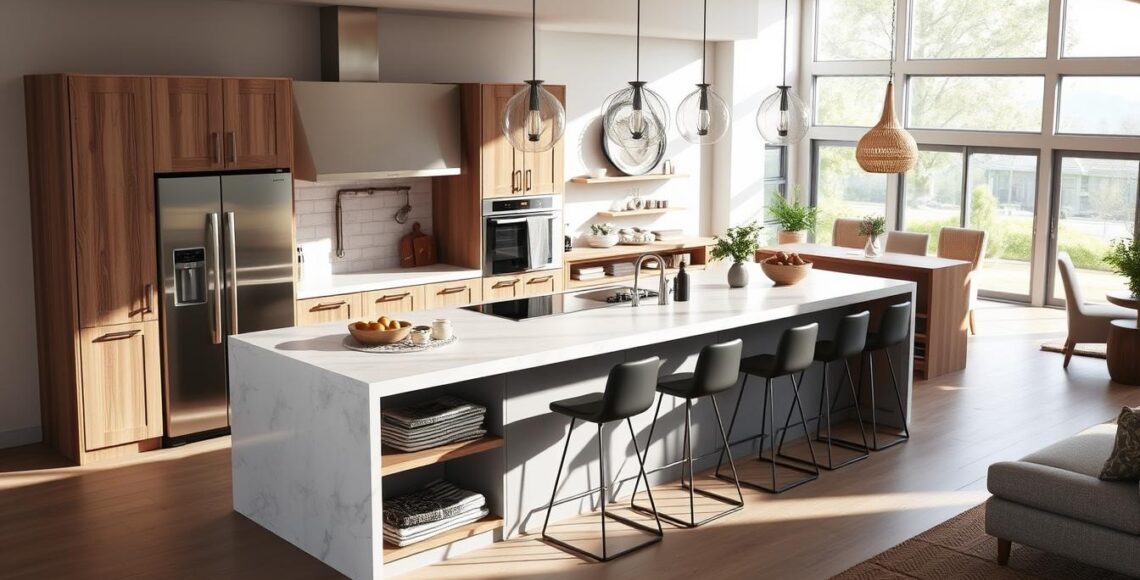
We specialize in kitchen island engineering, focusing on island optimization to enhance your kitchen experience. Our team bridges architectural vision with manufacturing reality through precision and expertise, ensuring your kitchen island meets your specific needs. Kitchen island engineering involves analyzing size and function to achieve optimal island optimization.

Our approach to kitchen island engineering emphasizes the importance of size and function analysis. By understanding how these elements impact your kitchen workflow, we can design and build a kitchen island that is both functional and efficient. This is where our expertise in island optimization comes into play, as we work to create a seamless integration of form and function.

As we explore the world of kitchen island engineering, we consider the core functions of kitchen islands and how they impact your overall kitchen experience. Our goal is to provide you with a comprehensive understanding of what makes a kitchen island truly functional and efficient, and how island optimization can enhance your kitchen workflow.

Key Takeaways

  • We specialize in kitchen island engineering with a focus on island optimization.
  • Size and function analysis are crucial in achieving optimal island optimization.
  • Our team bridges architectural vision with manufacturing reality through precision and expertise.
  • Kitchen island engineering involves understanding how size and function impact kitchen workflow.
  • Island optimization is key to creating a seamless integration of form and function in your kitchen.
  • Our approach emphasizes the importance of functional and efficient design in kitchen island engineering.

Understanding Kitchen Island Fundamentals

When designing a kitchen island, it’s essential to consider the core functions it will serve. A well-designed island can significantly enhance the overall workspace efficiency of the kitchen. Our team will work closely with you to determine the best design principles for your kitchen island, taking into account the traffic flow and how the island will impact the kitchen’s workflow.

A key aspect of kitchen island design is providing additional counter space, storage, and seating. By carefully planning the island’s layout, we can create a functional and aesthetically pleasing space that meets your needs. Some key considerations include:

  • Counter space: providing ample space for food preparation and cooking
  • Storage: incorporating cabinets, drawers, and shelves to keep kitchen essentials within easy reach
  • Seating: adding a comfortable seating area for casual dining or socializing

By understanding the core functions of a kitchen island and carefully planning its design, we can create a space that enhances the overall traffic flow and workspace efficiency of the kitchen, making it a more enjoyable and functional space for cooking and entertaining.

Essential Space Requirements for Kitchen Islands

When designing a kitchen island, it’s crucial to consider the space requirements to ensure functionality and comfort. We work closely with our clients to determine the optimal size and layout, taking into account storage integration and seating ergonomics. This collaborative approach allows us to create a kitchen island that meets the specific needs of each client.

A well-designed kitchen island should have ample storage integration options, including cabinets, drawers, and shelves. This not only helps keep the kitchen organized but also provides easy access to frequently used items. Additionally, seating ergonomics play a vital role in creating a comfortable and functional space. By carefully planning the seating area, we can ensure that it is both aesthetically pleasing and ergonomic.

To achieve the perfect balance between form and function, we consider various factors, including the kitchen’s workflow, traffic patterns, and the client’s lifestyle. By doing so, we can create a kitchen island that is not only beautiful but also highly functional, with storage integration and seating ergonomics that meet the client’s unique needs.

Traffic Flow Analysis and Island Placement

When designing a kitchen island, it’s essential to consider the traffic flow in the kitchen. Our team conducts a thorough analysis of the kitchen layout, taking into account clearance guidelines, movement patterns, and access point planning to determine the optimal location for the island. This careful planning ensures that the island does not obstruct the flow of traffic or create bottlenecks, resulting in a kitchen that is safe, efficient, and easy to navigate.

Effective traffic flow analysis involves understanding how people move through the kitchen and identifying potential congestion points. By considering the utility planning of the kitchen, including the location of appliances, sinks, and cooking stations, we can create a layout that minimizes conflicts and maximizes efficiency. This approach enables us to design a kitchen island that not only provides additional counter space and storage but also enhances the overall functionality of the kitchen.

Clearance Guidelines

To ensure safe and efficient traffic flow, we follow established clearance guidelines for kitchen islands. These guidelines recommend a minimum clearance of 36-42 inches between the island and surrounding cabinets or appliances. By adhering to these guidelines, we can create a kitchen that is comfortable to navigate, even in high-traffic areas.

Movement Patterns

Understanding movement patterns in the kitchen is crucial for effective island placement. We analyze the paths that people take when moving through the kitchen, including the “work triangle” between the sink, stove, and refrigerator. By considering these movement patterns, we can position the island in a way that minimizes conflicts and enhances the overall workflow of the kitchen.

Access Point Planning

Access point planning is another critical aspect of island placement. We consider the location of doors, windows, and other access points in the kitchen, ensuring that the island does not obstruct these areas. By carefully planning the island’s location, we can create a kitchen that is safe, efficient, and easy to navigate, with ample space for food preparation, cooking, and socializing.

Structural Engineering Considerations

When designing a kitchen island, structural support is crucial to ensure the island’s safety and durability. Our team of experts will work with you to determine the necessary structural support for your island, considering factors such as the island’s size, material, and intended use.

We will explore various options for supporting the island, including legs, brackets, and cabinets. Proper installation is also essential to ensure the island’s stability and longevity. By prioritizing structural support, we can create a kitchen island that is both functional and safe.

Some key considerations for structural support include:

  • Load capacity: The island’s ability to support weight and withstand stress.
  • Material selection: Choosing materials that provide adequate structural support and durability.
  • Installation methods: Ensuring proper installation to prevent damage and ensure stability.

By working together, we can create a kitchen island that meets your needs and provides the necessary structural support for years to come.

Advanced Island Optimization Techniques

To maximize the potential of your kitchen island, we’ll explore advanced techniques that enhance workspace efficiency and storage integration. By implementing these strategies, you can create a kitchen that is truly efficient, functional, and enjoyable to use.

Our team will introduce you to various models and methods that prioritize workspace efficiency, ensuring that your kitchen island is optimized for daily use. This includes considering the flow of traffic, the placement of appliances, and the allocation of storage space.

Optimizing Storage and Utility

Effective storage integration is crucial for maintaining a clutter-free and organized kitchen. We’ll discuss various storage solutions, such as cabinets, drawers, and shelves, and provide guidance on how to choose the best options for your needs.

Additionally, we’ll examine utility distribution planning, which involves strategically placing outlets, lighting, and plumbing fixtures to support your kitchen island’s functionality. By carefully planning these elements, you can create a kitchen that is both beautiful and functional.

Implementing Workspace Efficiency Models

To achieve optimal workspace efficiency, consider the following key factors:

  • Task zones: Designate specific areas for food preparation, cooking, and cleaning to minimize movement and maximize productivity.
  • Workflow: Plan the layout of your kitchen island to facilitate a smooth workflow, reducing congestion and improving overall efficiency.
  • Storage allocation: Assign storage space based on the frequency of use, reserving easily accessible areas for frequently used items.

By incorporating these advanced island optimization techniques, you can create a kitchen that is tailored to your needs, enhancing your overall cooking experience and increasing your enjoyment of the space.

Ergonomic Design Principles

When designing a kitchen island, it’s essential to consider ergonomic design principles to create a space that is both comfortable and functional. We work with our clients to determine the optimal counter height, seating arrangements, and work triangle integration to ensure a safe and efficient workspace.

Seating ergonomics play a crucial role in kitchen island design, as it directly affects the user’s comfort and productivity. By incorporating seating ergonomics into the design, we can create a workspace that promotes workflow efficiency and reduces the risk of injury.

Counter Height Standards

Counter height standards are a critical aspect of ergonomic design, as they can significantly impact the user’s comfort and efficiency. A counter height that is too low or too high can lead to discomfort and fatigue, ultimately affecting workspace efficiency.

Seating Arrangements

Seating arrangements are another essential aspect of ergonomic design, as they can greatly impact the user’s comfort and productivity. By incorporating seating arrangements that promote good posture and reduce fatigue, we can create a workspace that is both efficient and enjoyable to use.

Work Triangle Integration

Work triangle integration is a fundamental principle of ergonomic design, as it ensures that the most frequently used elements, such as the sink, stove, and refrigerator, are strategically located to minimize movement and maximize efficiency. By incorporating work triangle integration into the design, we can create a workspace that is both functional and efficient.

seating ergonomics

By prioritizing ergonomic design principles, including seating ergonomics and workspace efficiency, we can create a kitchen island that is safe, efficient, and enjoyable to use. Our team of experts will work with you to design a kitchen island that meets your unique needs and promotes a comfortable and productive workspace.

Ergonomic Design PrincipleBenefits
Seating ErgonomicsPromotes comfort and productivity, reduces risk of injury
Workspace EfficiencyMinimizes movement, maximizes efficiency, and reduces fatigue
Work Triangle IntegrationEnsures strategic location of frequently used elements, minimizes movement, and maximizes efficiency

Mechanical Systems Integration

When it comes to kitchen island design, utility planning is a crucial aspect to consider. We work closely with our clients to determine the optimal placement and installation of mechanical systems, such as plumbing and electrical components. This ensures that these systems are safe, efficient, and easy to maintain.

Some key considerations for mechanical systems integration include:

  • Hidden plumbing and electrical components to maintain a sleek and streamlined appearance
  • Proper installation to prevent leaks and electrical hazards
  • Easy access to mechanical systems for maintenance and repairs

By prioritizing utility planning and mechanical systems integration, we can create a kitchen island that is both functional and safe. Our team of experts will work with you to design and install a kitchen island that meets your unique needs and preferences.

Our goal is to provide a seamless and integrated design that enhances the overall functionality and aesthetic of your kitchen. With careful planning and attention to detail, we can create a kitchen island that is both beautiful and functional.

Storage Solutions and Space Maximization

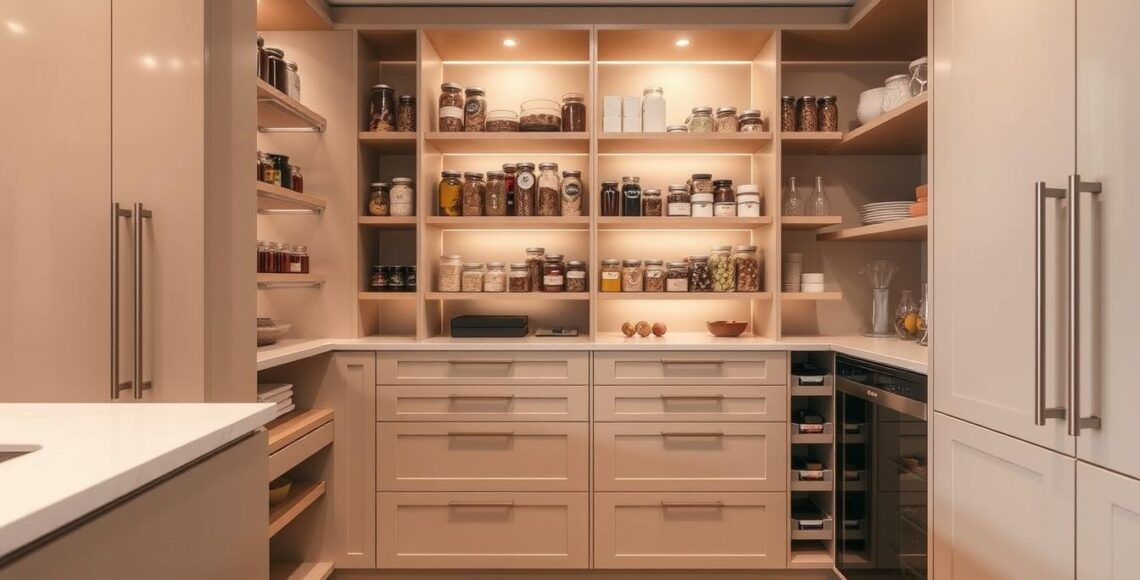
When it comes to designing a kitchen island, storage solutions and space maximization are crucial considerations. We work with our clients to determine the optimal cabinet configuration, drawer system planning, and specialty storage features to create a functional and efficient kitchen island. By prioritizing storage integration, we can help homeowners make the most of their kitchen space.

Cabinet Configuration Options

There are various cabinet configuration options to choose from, including adjustable shelves, pull-out drawers, and hidden compartments. We help our clients explore these options to find the best fit for their needs. For example, a kitchen island with a mix of open and closed storage can provide a balance of accessibility and concealment.

Drawer System Planning

A well-planned drawer system can make a significant difference in the functionality of a kitchen island. We consider factors such as drawer size, material, and hardware to create a customized drawer system that meets our clients’ needs. By incorporating storage integration principles, we can design a drawer system that maximizes storage space while maintaining ease of use.

Specialty Storage Features

In addition to standard cabinet and drawer configurations, we also offer specialty storage features such as wine racks, spice racks, and trash pull-outs. These features can add a touch of elegance and functionality to a kitchen island, while also providing additional storage space. By incorporating these features, we can create a kitchen island that is both beautiful and functional, with a focus on storage integration.

Ventilation and Electrical Requirements

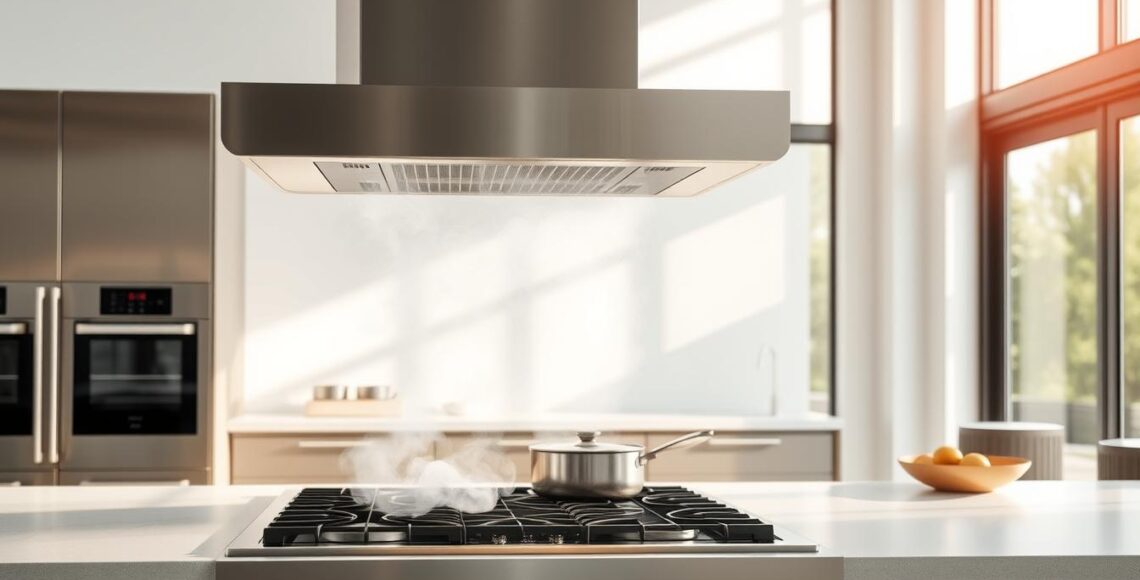
When designing a kitchen island, it’s essential to consider the ventilation requirements to ensure a safe and healthy environment. We work with our clients to determine the optimal ventilation solutions, including range hoods and exhaust fans, to remove cooking fumes and moisture from the air.

Proper electrical installation is also crucial to power the appliances and lighting on the island. Our team will assess the electrical requirements and provide recommendations for the most efficient and safe solutions. This may include installing outlets, switches, and lighting fixtures that meet the specific needs of the kitchen island.

Some key considerations for ventilation and electrical requirements include:

  • Range hood installation and ductwork
  • Exhaust fan placement and sizing
  • Electrical outlet placement and quantity
  • Lighting fixture selection and installation

By prioritizing ventilation and electrical requirements, we can create a kitchen island that is both functional and safe. ventilation requirements

Our team of experts will work with you to design and install a kitchen island that meets your specific needs and ventilation requirements, ensuring a healthy and safe cooking environment.

Material Selection and Durability Factors

When designing a kitchen island, we consider the importance of material selection and durability factors to ensure the structure provides adequate structural support and withstands the test of time. Our team works closely with clients to determine the optimal materials for the countertop, base structure, and surface treatment, taking into account factors such as maintenance, durability, and aesthetic appeal.

A key aspect of material selection is choosing the right countertop material. Options such as granite, quartz, and ceramic offer unique benefits and drawbacks. For example, ceramic and quartz countertops are highly durable and resistant to scratches and heat, making them ideal for busy kitchens. We also consider the base structure and surface treatment, ensuring that the materials chosen provide the necessary support and durability for the island.

Some popular material options for kitchen islands include:

  • Granite: a durable, natural stone option
  • Quartz: a low-maintenance, engineered stone option
  • Ceramic: a durable, non-porous option

By prioritizing material selection and durability factors, we can create a kitchen island that is both functional and long-lasting, providing years of reliable service and aesthetic appeal.

MaterialDurabilityMaintenance
GraniteHighMedium
QuartzHighLow
CeramicHighLow

Conclusion: Implementing Your Island Optimization Strategy

As we’ve explored throughout this article, the optimization of a kitchen island is a multifaceted process that requires careful consideration of various factors. From determining the appropriate size and function to ensuring efficient traffic flow and structural integrity, each element plays a crucial role in creating a truly remarkable kitchen island design.

At our team of experts, we understand that bridging the gap between architectural vision and manufacturing reality is essential. That’s why we work closely with our clients to develop a comprehensive island optimization strategy tailored to their specific needs and goals. By leveraging our industry expertise and applying best practices in kitchen island engineering, we can help you create a space that not only looks stunning but also functions seamlessly within your kitchen.

Whether you’re in the planning stages or ready to take the next step, we encourage you to reach out and let us guide you through the process. Together, we can transform your kitchen into a true culinary oasis, where form and function coexist in perfect harmony.


waste management

Engineering Effective Waste Management Solutions

We recognize the significance of waste management in modern construction, as it directly impacts both the environment and project efficiency. As we work together to address these challenges, our goal is to provide practical solutions that balance environmental responsibility with cost-effectiveness. Effective waste management is crucial for any construction project, and we will explore the key components of engineering effective waste management solutions, including waste management.

As we delve into the world of waste management, it becomes clear that finding the right balance between environmental sustainability and project requirements is essential. We will examine the various aspects of waste management, from understanding modern challenges to implementing advanced techniques, all while focusing on waste management.

Our approach to waste management is centered around providing expertise and practical solutions to help architects and contractors navigate the complexities of construction projects. By working together, we can create effective waste management solutions that meet the needs of both the environment and the project.

Key Takeaways

  • Effective waste management is essential for modern construction projects
  • Waste management solutions must balance environmental responsibility with cost-effectiveness
  • Understanding modern waste management challenges is crucial for finding the right solutions
  • Advanced techniques, such as waste management, can help improve project efficiency
  • Collaboration and expertise are key to creating effective waste management solutions
  • Waste management is a critical aspect of any construction project

Understanding Modern Waste Management Challenges

We recognize that modern waste management challenges are complex and multifaceted. As we delve into these challenges, it becomes clear that effective solutions require a deep understanding of the issues at hand. This includes examining the role of recycling systems and space optimization in mitigating the effects of waste management.

By understanding the intricacies of these challenges, we can develop targeted solutions that address the unique needs of each project. For instance, implementing efficient recycling systems can significantly reduce waste volumes, while space optimization can help streamline waste processing operations.

  • Environmental impact: reducing waste volumes and promoting sustainable practices
  • Regulatory compliance: adhering to relevant laws and regulations
  • Operational efficiency: optimizing space optimization and recycling systems to minimize costs and maximize productivity

By addressing these challenges and incorporating effective recycling systems and space optimization strategies, we can develop sustainable waste management solutions that benefit both the environment and the bottom line.

Core Components of Construction Waste Management

We recognize that effective construction waste management is crucial for maintaining a safe and healthy working environment. At the heart of this process are several key components, including ventilation requirements. By prioritizing these requirements, we can ensure that our waste management solutions are both effective and sustainable.

Proper ventilation requirements play a vital role in removing airborne contaminants and reducing the risk of respiratory problems. This is particularly important in construction sites where dust, debris, and other pollutants can be prevalent. By incorporating adequate ventilation systems, we can minimize the risks associated with poor air quality and create a healthier working environment.

Some of the key considerations for construction waste management include:

  • Assessing ventilation requirements to determine the most effective solutions
  • Implementing ventilation systems that meet or exceed industry standards
  • Regularly maintaining and monitoring ventilation systems to ensure optimal performance

By focusing on these core components, including ventilation requirements, we can develop comprehensive construction waste management strategies that prioritize both efficiency and sustainability. As we continue to navigate the complexities of construction waste management, it is essential that we remain committed to finding innovative solutions that balance our needs with the need to protect the environment.

Advanced Space Optimization Techniques for Waste Processing

As we delve into the world of waste management, it becomes clear that space optimization plays a crucial role in creating efficient systems. By applying principles of spatial planning, we can design facilities that maximize productivity while minimizing waste. This approach is particularly important when considering luxury apartment interior design, where every inch counts.

Effective access planning is also vital in ensuring that waste processing facilities operate smoothly. By strategically locating equipment and designing traffic flow, we can reduce congestion and increase overall efficiency. This, in turn, leads to cost savings and a reduced environmental impact.

space optimization techniques

Spatial Planning Fundamentals

When it comes to spatial planning, there are several key considerations. These include:

  • Equipment placement: strategically locating equipment to minimize movement and maximize productivity
  • Traffic flow: designing traffic flow to reduce congestion and increase efficiency
  • Storage: optimizing storage solutions to minimize waste and reduce costs

Equipment Placement Strategies

By carefully planning equipment placement, we can create a more efficient and productive waste processing system. This involves considering factors such as equipment size, capacity, and maintenance requirements.

Essential Ventilation Systems and Air Quality Control

When it comes to waste management, ventilation requirements are crucial in maintaining a safe and healthy working environment. Proper ventilation helps to prevent the accumulation of harmful gases and particles, reducing the risk of respiratory problems and other health issues. By prioritizing ventilation requirements, we can ensure that our waste management systems are both effective and sustainable.

A well-designed ventilation system can help to remove pollutants and contaminants from the air, improving overall air quality. This is especially important in waste management facilities, where the risk of pollution is higher. By controlling ventilation requirements, we can prevent the spread of pollutants and maintain a clean and healthy environment.

To achieve effective ventilation, several factors must be considered, including:

  • Airflow rates and patterns
  • Ventilation system design and installation
  • Regular maintenance and upkeep

By considering these factors and prioritizingventilation requirements, we can create a safe and healthy working environment, while also reducing the risk of pollution and environmental harm.

Calculating Waste Management Capacity Requirements

When developing effective waste management solutions, calculating capacity requirements is crucial. This involves assessing the volume of waste generated and determining the necessary capacity to manage it efficiently. We use capacity calculation methods to ensure that our waste management systems can handle the expected volume of waste.

Our approach to capacity calculation involves several key steps, including:

  • Volume assessment: We assess the amount of waste generated and the frequency of waste generation.
  • Peak load planning: We identify the maximum amount of waste that will be generated at any given time and plan our capacity accordingly.
  • Scalability considerations: We consider the potential for future growth and ensure that our waste management systems can be scaled up or down as needed.

By following these steps and using capacity calculation methods, we can create waste management systems that are tailored to the unique needs of each project, ensuring that they are both efficient and effective.

Implementing Effective Recycling Systems

As we strive to minimize waste and maximize the recovery of valuable materials, implementing effective recycling systems is crucial. We believe that by applying the right principles, we can create recycling systems that are both efficient and effective. Our approach involves understanding the intricacies of material separation, selecting the right processing equipment, and optimizing recovery rates.

When it comes to recycling systems, material separation protocols play a vital role. This involves identifying and separating different types of materials, such as plastics, metals, and glass, to ensure that they can be processed correctly. By implementing effective material separation protocols, we can increase the quality of recyclable materials and reduce contamination rates.

Key Considerations for Recycling Systems

  • Material separation protocols
  • Processing equipment selection
  • Recovery rate optimization

To further enhance the effectiveness of recycling systems, we must consider integration methods that allow for seamless interaction with existing infrastructure. This involves assessing the current waste management landscape and identifying opportunities for improvement. By integrating recycling systems with existing infrastructure, we can create a more efficient and sustainable waste management process.

By adopting a holistic approach to recycling systems, we can create a more circular economy that minimizes waste and maximizes the recovery of valuable materials. Our goal is to provide effective recycling systems that not only reduce waste but also contribute to a more sustainable future.

Access Planning and Safety Protocols

As we prioritize effective waste management solutions, access planning plays a critical role in ensuring the safe and efficient movement of personnel and equipment. By incorporating access planning into our waste management strategies, we can minimize risks and prevent accidents.

Some key considerations for access planning include:

  • Clear pathways for personnel and equipment
  • Safe storage and handling of waste materials
  • Regular maintenance and inspection of equipment and facilities

By prioritizing access planning and safety protocols, we can create a more efficient and effective waste management system. This not only benefits the environment but also ensures the well-being of personnel involved in waste management operations.

As we continue to develop and implement waste management solutions, it is essential to consider the importance of access planning and safety protocols. By doing so, we can create a safer, more efficient, and more effective waste management system.

Odor Control and Environmental Protection Measures

Effective waste management solutions require careful consideration of odor control and environmental protection measures. As we strive to create systems that are both effective and environmentally responsible, we must prioritize these aspects. Odor control is a critical component of this effort, as it directly impacts the quality of life for individuals living and working near waste management facilities.

There are several approaches to achieving effective odor control, including chemical treatment systems and biological filtration methods. These methods can be used alone or in combination to minimize the impact of waste on the environment. By implementing these measures, we can reduce the risk of environmental pollution and create a healthier environment for everyone.

Chemical Treatment Systems

Chemical treatment systems involve the use of chemicals to neutralize or eliminate odors. These systems can be effective, but they require careful monitoring and maintenance to ensure they are working properly. Regular monitoring is essential to prevent the release of harmful chemicals into the environment.

Biological Filtration Methods

Biological filtration methods, on the other hand, use natural processes to break down and eliminate odors. These methods are often more environmentally friendly and can be more cost-effective in the long run. By leveraging the power of nature, we can create more sustainable waste management solutions.

Ultimately, effective odor control and environmental protection measures require a comprehensive approach that takes into account the unique needs and challenges of each waste management facility. By working together and sharing our expertise, we can create solutions that benefit both the environment and the communities we serve.

Integration Methods for Existing Infrastructure

We recognize the importance of integrating waste management solutions with existing infrastructure, ensuring efficiency and effectiveness. By prioritizing integration methods, we can create tailored solutions for each project. Our approach involves assessing the existing infrastructure and identifying opportunities for integration.

Some key considerations for integration methods include:

  • Assessing the existing infrastructure and identifying opportunities for integration
  • Designing waste management systems that complement the existing infrastructure
  • Implementing integration methods that minimize disruptions to ongoing operations

By taking a thoughtful and collaborative approach to integration methods, we can create waste management solutions that meet the unique needs of each project. Our goal is to provide effective and efficient solutions that support the success of our clients.

integration methods

Our team of experts is dedicated to providing innovative and practical solutions for waste management integration. We work closely with our clients to understand their needs and develop tailored solutions that meet their goals.

Technology and Automation in Waste Management

We are witnessing a significant transformation in the waste management industry, driven by technological advancements and automation. This shift enables the development of more efficient and effective solutions, allowing us to create waste management systems that are both efficient and sustainable. By leveraging technology, we can minimize waste and maximize the recovery of valuable materials, ultimately contributing to a more environmentally friendly approach.

Effective space optimization is crucial in waste management, as it enables the efficient use of resources and facilities. By implementing smart technologies, such as sensors and monitoring systems, we can optimize waste processing and storage, reducing costs and environmental impact. Furthermore, the integration of recycling systems into waste management operations can significantly increase the recovery of valuable materials, reducing the amount of waste sent to landfills.

Smart Monitoring Systems

Smart monitoring systems play a vital role in modern waste management, providing real-time data on waste generation, collection, and processing. This information enables us to identify areas for improvement, optimize routes, and reduce costs. By leveraging these systems, we can create more efficient and effective waste management operations, ultimately contributing to a more sustainable future.

Automated Sorting Technologies

Automated sorting technologies are revolutionizing the waste management industry, enabling the efficient and accurate separation of materials. These technologies use advanced sensors and artificial intelligence to identify and sort materials, reducing the need for manual sorting and increasing the recovery of valuable materials. By integrating automated sorting technologies into waste management operations, we can increase the efficiency and effectiveness of recycling systems, ultimately contributing to a more circular economy.

Conclusion: Building Sustainable Waste Management Solutions

As we conclude our comprehensive guide to engineering effectivewaste managementsolutions, it’s clear that sustainability must be the driving force behind our efforts. By prioritizing eco-friendly practices and innovativerecycling systems, we can create waste management systems that are both efficient and responsible.

Throughout this article, we’ve explored the core components of modern waste management, from understanding industry challenges to implementing advanced space optimization techniques and essential ventilation systems. Now, it’s time to synthesize these insights and build a roadmap for a more sustainable future.

By carefully calculating waste management capacity requirements, integrating effective recycling protocols, and leveraging the power of technology and automation, we can minimize the environmental impact of waste while ensuring compliance with regulatory standards. Proactive odor control and air quality management further strengthen our commitment to protecting the surrounding ecosystem.

As leaders in the waste management industry, it’s our duty to spearhead this movement towards sustainability. By collaborating with architects, contractors, and waste management experts, we can engineer holistic solutions that not only solve immediate challenges but also pave the way for a cleaner, greener tomorrow.

flooring selection

Technical Guide to Kitchen Flooring Selection

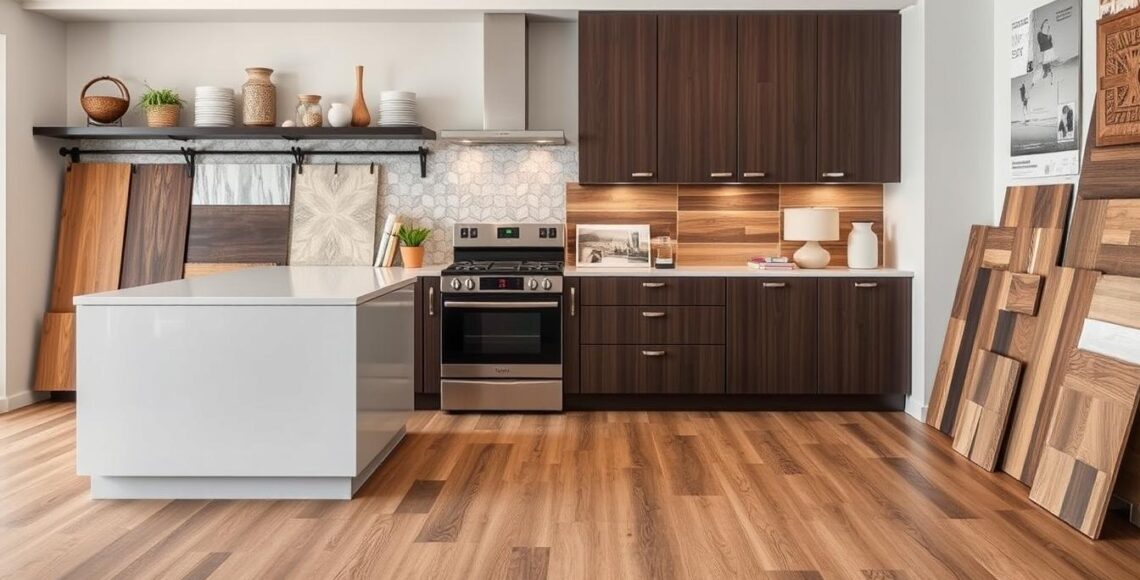
We approach kitchen flooring selection with a focus on durability requirements, understanding that a well-chosen floor can withstand the demands of a busy kitchen. As we explore the world of kitchen flooring, we consider factors such as moisture resistance, a critical aspect of kitchen flooring selection. Our goal is to provide a comprehensive overview of the technical aspects of kitchen flooring selection, ensuring that architects and contractors have the expertise needed to make informed decisions.

When it comes to kitchen flooring selection, we prioritize expertise and practical problem-solving, recognizing that every project is unique. By balancing technical expertise with accessibility, we aim to provide solutions that meet the needs of our clients. With a focus on kitchen flooring selection, durability requirements, and moisture resistance, we can help architects and contractors achieve their vision.

Key Takeaways

  • Consider durability requirements when selecting kitchen flooring
  • Moisture resistance is a critical factor in kitchen flooring selection
  • A well-chosen kitchen floor can withstand the demands of a busy kitchen
  • Expertise and practical problem-solving are essential in kitchen flooring selection
  • Kitchen flooring selection requires a balance of technical expertise and accessibility
  • Durability requirements and moisture resistance are key considerations in kitchen flooring selection
  • Architects and contractors can benefit from a comprehensive guide to kitchen flooring selection

Understanding Kitchen Flooring Requirements

When it comes to selecting the right kitchen flooring, we must consider several key factors that impact the overall functionality and safety of the space. A thorough traffic pattern analysis is essential to determine the amount of foot traffic the floor will endure, which in turn affects the type of flooring material that can be used. For instance, a kitchen with high traffic volume may require a more durable flooring option, such as ceramic or porcelain tiles, to withstand the wear and tear.

Additionally, load-bearing considerations play a crucial role in kitchen flooring selection. The weight of appliances, cabinets, and other kitchen elements must be taken into account to ensure the flooring can support the load. This is particularly important in commercial kitchens or large residential kitchens with heavy-duty appliances. By considering these factors, we can determine the most suitable flooring option for a particular kitchen, taking into account the slip rating and other essential requirements.

Furthermore, environmental factors such as moisture levels, temperature fluctuations, and exposure to direct sunlight can significantly impact the performance and longevity of kitchen flooring. For example, a kitchen with high humidity levels may require a flooring material with a high moisture resistance to prevent water damage and warping. By understanding these factors, we can make informed decisions about the best kitchen flooring options for a particular space.

  • Traffic pattern analysis to determine the right flooring material
  • Load-bearing considerations to ensure the flooring can support heavy appliances and cabinets
  • Environmental factors such as moisture levels and temperature fluctuations
  • Slip rating to ensure the flooring provides adequate traction and safety

By carefully evaluating these factors, we can select a kitchen flooring option that meets the unique needs of the space, providing a safe, functional, and aesthetically pleasing environment for cooking and entertaining.

Essential Technical Specifications for Kitchen Flooring Selection

When selecting kitchen flooring, it is crucial to consider the essential technical specifications that ensure the chosen option meets the required standards and performs optimally. We emphasize the importance of understanding technical specifications, as they directly impact the flooring’s durability and maintenance needs.

A comprehensive evaluation of maintenance needs is vital, as it helps determine the most suitable flooring option for a particular kitchen. This assessment should include factors such as traffic patterns, load-bearing requirements, and environmental conditions.

In addition to maintenance needs, installation methods play a significant role in the overall performance and longevity of the flooring. Proper installation ensures a secure and even surface, reducing the risk of damage and wear.

By considering these technical specifications, maintenance needs, and installation methods, we can make an informed decision when selecting kitchen flooring, ultimately ensuring a durable and functional surface that meets our requirements.

Moisture Resistance Classifications and Standards

When it comes to kitchen flooring, moisture resistance is a critical factor to consider. We need to examine the various classifications and standards for moisture resistance, including water absorption rates, vapor permeability metrics, and waterproofing requirements. By understanding these factors, we can select a flooring option that can withstand the humid environment of a kitchen.

Moisture resistance is essential in kitchen flooring as it helps prevent water damage and reduces the risk of mold and mildew growth. Water absorption rates are a key factor in determining the moisture resistance of a flooring material. Materials with low water absorption rates are more resistant to moisture and less prone to water damage.

Water Absorption Rates

Water absorption rates are measured by the amount of water a material can absorb over a given period. Materials with high water absorption rates are more susceptible to water damage and may require additional waterproofing measures. moisture resistance

Vapor Permeability Metrics

Vapor permeability metrics measure the ability of a material to allow water vapor to pass through it. Materials with high vapor permeability are more resistant to moisture and can help prevent water damage. We consider vapor permeability metrics when selecting a flooring material for a kitchen.

Waterproofing Requirements

Waterproofing requirements vary depending on the type of flooring material and the kitchen’s specific conditions. We must consider the waterproofing requirements of a flooring material to ensure it can withstand the humid environment of a kitchen. By understanding moisture resistance classifications and standards, including water absorption rates, vapor permeability metrics, and waterproofing requirements, we can make an informed decision when selecting a kitchen flooring material.

Slip Resistance and Safety Standards

When it comes to kitchen flooring, slip resistance is a critical factor to consider, as it directly impacts the safety of the kitchen environment. We must ensure that the flooring material chosen meets specific safety standards to minimize the risk of accidents. Regular maintenance needs should also be taken into account to prevent the buildup of substances that can compromise slip resistance.

To achieve optimal slip resistance, we can consider the following factors:

  • Texture and finish of the flooring material
  • Coefficient of friction
  • Cleanliness and maintenance protocols

By selecting a flooring option that meets these safety standards and considering the maintenance needs, we can create a safe and secure kitchen environment. As we emphasize the importance of slip resistance, we also recognize the need for ongoing maintenance to ensure the flooring continues to meet these standards.

Ultimately, the choice of kitchen flooring material should be guided by a thorough understanding of the safety standards and maintenance needs associated with each option. By making an informed decision, we can create a kitchen environment that is both functional and safe.

Material-Specific Performance Metrics

We consider various factors when selecting kitchen flooring, including material-specific performance metrics. These metrics help us evaluate the suitability of different materials for our specific needs. Material-specific performance metrics include ceramic and porcelain specifications, natural stone properties, resilient flooring characteristics, and hardwood technical requirements.

Understanding these performance metrics is crucial in making an informed decision. For instance, ceramic and porcelain specifications can affect the flooring’s durability and resistance to moisture. Natural stone properties, on the other hand, can impact the flooring’s aesthetic appeal and maintenance requirements.

Ceramic and Porcelain Specifications

Ceramic and porcelain specifications are essential in determining the flooring’s performance. These specifications include water absorption rates, vapor permeability metrics, and waterproofing requirements. We must consider these factors to ensure the flooring can withstand the kitchen’s humid environment.

Natural Stone Properties

Natural stone properties, such as density and porosity, can affect the flooring’s performance. We must evaluate these properties to determine the stone’s suitability for our kitchen flooring needs.

Resilient Flooring Characteristics

Resilient flooring characteristics, including thickness and flexibility, can impact the flooring’s performance. We must consider these characteristics to ensure the flooring can withstand the kitchen’s heavy foot traffic.

Hardwood Technical Requirements

Hardwood technical requirements, such as moisture content and installation methods, can affect the flooring’s performance. We must evaluate these requirements to determine the hardwood’s suitability for our kitchen flooring needs.

The following table summarizes the material-specific performance metrics for each type of flooring:

MaterialSpecificationsPropertiesCharacteristicsTechnical Requirements
Ceramic and PorcelainWater absorption rates, vapor permeability metricsDensity, porosityThickness, flexibilityMoisture content, installation methods
Natural StoneDensity, porosityWater absorption rates, vapor permeability metricsThickness, flexibilityMoisture content, installation methods
Resilient FlooringThickness, flexibilityDensity, porosityWater absorption rates, vapor permeability metricsMoisture content, installation methods
HardwoodMoisture content, installation methodsDensity, porosityThickness, flexibilityWater absorption rates, vapor permeability metrics

Substrate Preparation and Technical Requirements

Proper substrate preparation is crucial for a successful kitchen flooring installation. We emphasize the importance of substrate preparation, as it directly affects the performance and longevity of the flooring. To ensure a solid foundation, we must consider several key factors, including moisture testing protocols, leveling standards, and underlayment specifications.

Our approach to substrate preparation involves a thorough assessment of the existing substrate, followed by the implementation of necessary corrections to meet the required standards. This may include moisture testing protocols to determine the moisture levels in the substrate, as well as leveling standards to ensure the substrate is even and level. Additionally, we specify underlayment specifications to provide a smooth, stable surface for the flooring installation.

Some key considerations for substrate preparation include:

  • Conducting thorough moisture testing to identify potential issues
  • Applying leveling compounds to achieve the required standards
  • Installing underlayment materials to provide a stable surface
  • Ensuring compliance with relevant installation methods and standards

By prioritizing substrate preparation and adhering to established technical requirements, we can guarantee a successful installation and optimal performance of the kitchen flooring. This, in turn, will provide a safe, durable, and aesthetically pleasing surface for years to come.

Our team of experts is dedicated to delivering high-quality substrate preparation and installation services, ensuring that every project meets the highest standards of quality and craftsmanship. With a focus on attention to detail and a commitment to excellence, we strive to provide the best possible outcomes for our clients.

FactorRequirementStandard
Moisture TestingConduct thorough moisture testingASTM F2170
LevelingAchieve level surfaceASTM F2419
UnderlaymentInstall underlayment materialASTM F1482

Temperature Resistance and Thermal Properties

When selecting kitchen flooring, it’s essential to consider the temperature resistance and thermal properties of the material. We examine the various temperature resistance and thermal properties of different flooring options to provide a comprehensive overview. By understanding these properties, we can select a flooring option that can withstand the temperature fluctuations in a kitchen environment.

The temperature resistance of a flooring material is critical, as it affects the material’s durability and performance. Different materials have varying levels of temperature resistance, and some are more suitable for kitchen environments than others. For example, materials with high thermal properties can withstand extreme temperature changes, making them ideal for kitchens with high-traffic and heavy appliance use.

Some key factors to consider when evaluating the temperature resistance and thermal properties of kitchen flooring include:

  • Durability requirements: The flooring material should be able to withstand the expected wear and tear, including temperature fluctuations.
  • Thermal shock resistance: The material should be able to resist sudden changes in temperature without compromising its integrity.
  • Heat resistance: The material should be able to withstand high temperatures, such as those generated by appliances or cooking surfaces.

By considering these factors and evaluating the temperature resistance and thermal properties of different flooring options, we can make an informed decision and select a material that meets our durability requirements and provides long-term performance.

Professional Installation Methods and Standards

When it comes to kitchen flooring installation, we understand the importance of professional installation methods and standards. A successful installation requires careful planning, precise execution, and attention to detail. This includes considering adhesive requirements, which vary depending on the type of flooring material and substrate.

Installation pattern guidelines also play a crucial role in ensuring a visually appealing and functional floor. We recommend following established guidelines to achieve a professional-looking result. Additionally, joint specifications are critical to prevent water damage and ensure a long-lasting floor.

To ensure a proper installation, we consider the following key factors:

  • Adhesive requirements: selecting the right adhesive for the flooring material and substrate
  • Installation pattern guidelines: following established patterns to achieve a professional-looking result
  • Joint specifications: properly sealing joints to prevent water damage
  • Maintenance needs: planning for regular maintenance to extend the life of the floor

By following these professional installation methods and standards, we can ensure a successful kitchen flooring installation that meets our clients’ needs and exceeds their expectations.

Maintenance Protocols and Chemical Resistance

When it comes to kitchen flooring, maintenance protocols and chemical resistance are crucial considerations. We must examine the various maintenance protocols and chemical resistance requirements for different flooring options to ensure a comprehensive understanding of the technical aspects of kitchen flooring selection.

Regular maintenance is essential to extend the lifespan of kitchen flooring. This includes periodic maintenance requirements such as sweeping, mopping, and cleaning spills immediately. Additionally, cleaning product compatibility is vital to prevent damage to the flooring material. It is essential to choose cleaning products that are compatible with the flooring material to avoid damaging the surface.

A key aspect of maintenance protocols is chemical resistance. Kitchen flooring is exposed to various chemicals, including cleaning products, food spills, and other substances. Therefore, it is crucial to select a flooring material with high chemical resistance to prevent damage. Refinishing specifications are also important, as they provide guidance on how to refinish the flooring material when it becomes worn or damaged.

Some key factors to consider when evaluating maintenance protocols and chemical resistance include:

  • Material composition and properties
  • Manufacturers’ recommendations for maintenance and cleaning
  • Industry standards and certifications for chemical resistance
  • Cost and feasibility of maintenance and refinishing

maintenance protocols

By considering these factors and selecting a flooring material with high chemical resistance and compatible maintenance protocols, we can ensure a durable and long-lasting kitchen floor that meets our needs and expectations.

Flooring MaterialMaintenance RequirementsChemical ResistanceRefinishing Specifications
CeramicRegular sweeping and moppingHigh resistance to chemicalsCan be refinished with a ceramic refinishing kit
HardwoodRegular sweeping and polishingMedium resistance to chemicalsCan be refinished with a hardwood refinishing kit
Natural StoneRegular sealing and cleaningHigh resistance to chemicalsCan be refinished with a natural stone refinishing kit

Life-Cycle Cost Analysis and Durability Ratings

When selecting kitchen flooring, life-cycle cost analysis is crucial in determining the overall cost of ownership. This analysis considers the initial cost, maintenance, and replacement costs over the flooring’s lifespan. We consider durability ratings to ensure the flooring can withstand the demands of a busy kitchen.

Key factors in life-cycle cost analysis include moisture resistance and temperature resistance. Flooring with high moisture resistance can withstand spills and cleaning, reducing maintenance costs. Similarly, flooring with high temperature resistance can endure extreme temperatures, increasing its lifespan.

  • Initial cost: The upfront cost of the flooring material.
  • Maintenance cost: The cost of cleaning, repairing, and replacing the flooring over its lifespan.
  • Replacement cost: The cost of replacing the flooring at the end of its lifespan.

By considering these factors and evaluating the life-cycle cost analysis and durability ratings, we can select a kitchen flooring option that meets our specific needs and budget.

Conclusion: Making an Informed Kitchen Flooring Selection

In conclusion, selecting the right kitchen flooring requires a thorough understanding of technical specifications and performance criteria. By assessing factors like moisture resistance, slip rating, and maintenance needs, we can ensure a durable and functional kitchen environment that meets our unique requirements. Through careful analysis of industry standards and practical installation guidelines, homeowners and contractors can make an informed decision that balances aesthetic appeal with long-term reliability and cost-effectiveness. With the comprehensive knowledge provided in this technical guide, we are well-equipped to choose the perfect kitchen flooring solution that stands the test of time.

functionality balance

Form vs Function: Engineering the Perfect Balance

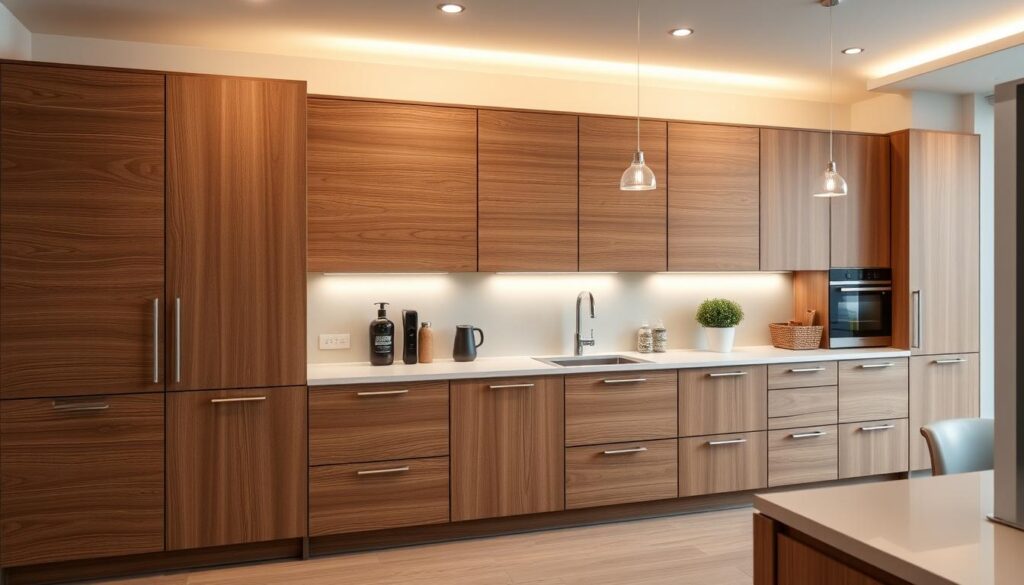
We believe that achieving the perfect balance between form and function is crucial in creating high-end custom cabinetry solutions that meet the needs of architects and contractors. Our team of experts works to ensure that every piece of cabinetry is not only visually stunning but also functional and efficient, which is why we focus on design efficiency in our manufacturing process. By combining industry-specific technical terms with clear explanations, we create solutions that embody functionality balance.

As we strive to bridge architectural vision with manufacturing reality, we prioritize precision and expertise in our craft. Our goal is to create custom cabinetry that not only enhances the aesthetic appeal of a space but also optimizes its functionality, ultimately achieving a perfect harmony between form and function through design efficiency and functionality balance.

Key Takeaways

  • Design efficiency is crucial in creating high-end custom cabinetry solutions
  • Functionality balance is essential for optimizing the use of space
  • Our team of experts prioritizes precision and expertise in manufacturing
  • Combining form and function creates a perfect harmony in custom cabinetry
  • Industry-specific technical terms and clear explanations ensure effective solutions
  • Functionality balance and design efficiency are key to achieving high-end custom cabinetry solutions

Understanding the Fundamentals of Design Efficiency

Design efficiency is a crucial aspect of creating custom cabinetry solutions that meet the needs of architects and contractors. We understand that design efficiency is not just about aesthetics, but also about functionality and workspace optimization. Our team of experts uses precise measurements and clear cause-effect structures to ensure that every piece of cabinetry is designed with efficiency in mind.

To achieve design efficiency, we consider several key factors, including:

  • Space planning and layout
  • Material selection and usage
  • Construction methods and techniques
  • Functional requirements and user needs

By considering these factors, we can create custom cabinetry solutions that are both functional and visually appealing. Our goal is to bridge the gap between architectural vision and manufacturing reality, using precision and expertise to deliver high-quality solutions that meet the needs of our clients.

As we continue to explore the fundamentals of design efficiency, we will examine the core principles of efficient design, the role of engineering in design, and how to measure design effectiveness. By understanding these concepts, we can create custom cabinetry solutions that are tailored to the specific needs of architects and contractors, while also promoting workspace optimization and design efficiency.

Our approach to design efficiency is centered around the needs of our clients, and we strive to deliver solutions that are both functional and sustainable. By prioritizing design efficiency and workspace optimization, we can create custom cabinetry solutions that enhance the overall functionality and aesthetic appeal of a space.

The Science Behind Functionality Balance

When it comes to custom cabinetry solutions, aesthetic integration and functional requirements are two crucial aspects that must be balanced. Our team of experts understands the importance of creating solutions that are both visually stunning and highly functional. By considering the aesthetic integration of the cabinetry, we can ensure that it complements the overall design of the space, while also meeting the functional requirements of the users.

To achieve this balance, we use industry-specific technical terms and clear explanations to guide our design process. This approach enables us to create custom cabinetry solutions that are tailored to the specific needs of architects and contractors. Whether it’s a modern kitchen or a traditional office space, our solutions are designed to provide a seamless blend of form and function.

Some key considerations in achieving functionality balance include:

  • Space planning and optimization
  • Material selection and durability
  • Hardware and mechanism integration

By carefully evaluating these factors, we can create custom cabinetry solutions that meet thefunctional requirementsof the users while also providing a high level ofaesthetic integration.

Bridging Aesthetic Appeal with Practical Requirements

When it comes to creating custom cabinetry solutions, we understand the importance of bridging aesthetic appeal with practical requirements. Our team of experts works closely with architects and contractors to design and manufacture high-end custom cabinetry that meets their needs. We believe that visual harmony is essential in creating a space that is both beautiful and functional.

To achieve this, we consider various factors, including material selection and visual impact. We use precise measurements and clear cause-effect structures to ensure that every piece of cabinetry is designed with both aesthetic appeal and practical requirements in mind. Our goal is to provide practical solutions that meet the needs of our clients, while also creating a space that is visually stunning.

visual harmony in custom cabinetry

  • Material selection: We choose materials that are not only visually appealing but also durable and functional.
  • Visual impact: We consider the visual impact of the cabinetry on the overall space, taking into account factors such as color, texture, and pattern.
  • Structural integrity: We ensure that the cabinetry is structurally sound and able to withstand the demands of daily use.

By considering these factors and working closely with our clients, we are able to create custom cabinetry solutions that achieve visual harmony and provide practical solutions for their needs.

Workspace Optimization Strategies

As we strive to create custom cabinetry solutions that meet the needs of architects and contractors, workspace optimization plays a critical role. Our team of experts understands the importance of optimizing the workspace to improve efficiency and productivity. By doing so, we can create solutions that are both functional and efficient, while also meeting the aesthetic requirements of the client.

A key aspect of workspace optimization is finding the right design compromise. This involves balancing the needs of the client with the practical requirements of the workspace. We use industry-specific technical terms and clear explanations to ensure that every piece of cabinetry is designed with workspace optimization in mind.

Some strategies for workspace optimization include:

  • Assessing the workflow and identifying areas for improvement
  • Implementing efficient storage solutions
  • Optimizing the layout to reduce waste and improve productivity

By implementing these strategies, we can create workspaces that are both functional and efficient, while also meeting the aesthetic requirements of the client.

StrategyBenefits
Assessing the workflowIdentifies areas for improvement, reduces waste
Implementing efficient storage solutionsImproves productivity, reduces clutter
Optimizing the layoutReduces waste, improves workflow

Creating Visual Harmony in Functional Spaces

When designing custom cabinetry solutions, we prioritize aesthetic integration to create visually stunning spaces. Our team of experts understands the importance of visual harmony in functional design, ensuring that every piece of cabinetry is both aesthetically pleasing and highly functional.

By integrating color, texture, and pattern, we can create solutions that meet the needs of architects and contractors. We use precise measurements and clear cause-effect structures to ensure that every design element contributes to the overall visual harmony of the space.

Color Theory in Functional Design

Color theory plays a crucial role in creating visual harmony. We select colors that complement the surrounding environment, taking into account the natural light, materials, and textures used in the space.

Texture and Pattern Integration

Texture and pattern integration add depth and visual interest to a space. We carefully choose materials and patterns that work together to create a cohesive look, ensuring that the overall design is both functional and aesthetically pleasing.

Spatial Flow and Movement

Spatial flow and movement are essential considerations in functional design. We design custom cabinetry solutions that promote efficient movement and workflow, creating a seamless and harmonious experience for users.

By prioritizing aesthetic integration and visual harmony, we create custom cabinetry solutions that meet the needs of architects and contractors, while also enhancing the overall functionality and beauty of the space.

Engineering Solutions for Complex Design Challenges

We understand that creating custom cabinetry solutions requires a deep understanding of design efficiency and functional requirements. Our team of experts uses industry-specific technical terms and clear explanations to ensure that every piece of cabinetry is designed with efficiency and functionality in mind.

By using precise measurements and clear cause-effect structures, we can create solutions that are both functional and efficient, while also meeting the aesthetic requirements of the client. Some key considerations for engineering solutions include:

  • Material selection and durability
  • Structural integrity and stability
  • Surface treatments and finishes

Our approach to engineering solutions is centered around design efficiency and functional requirements, ensuring that every piece of cabinetry meets the needs of architects and contractors. We use data and research to inform our design decisions, and our team of experts is dedicated to delivering high-quality solutions that exceed client expectations.

By partnering with us, architects and contractors can trust that their custom cabinetry solutions will be designed and manufactured with precision and expertise, meeting the highest standards of design efficiency and functional requirements.

Design ConsiderationImportance
Material selectionHigh
Structural integrityHigh
Surface treatmentsMedium

Balancing Cost with Quality in Design Implementation

When it comes to creating custom cabinetry solutions, balancing cost with quality is crucial. We understand the importance of finding practical solutions that meet the needs of architects and contractors without compromising on quality. By making a design compromise, we can create solutions that are both cost-effective and high-quality.

Our team of experts uses industry-specific technical terms and clear explanations to ensure that every piece of cabinetry is designed with cost and quality in mind. We consider budget allocation strategies, value engineering approaches, and long-term investment considerations to create solutions that meet the needs of our clients.

Budget Allocation Strategies

  • Identifying areas where costs can be reduced without compromising quality
  • Allocating budget to high-priority features and components
  • Exploring alternative materials and designs that meet quality standards

By taking a thoughtful and informed approach to design implementation, we can create custom cabinetry solutions that balance cost with quality, meeting the needs of architects, contractors, and their clients.

Innovation in Form and Function Integration

As we continue to push the boundaries of design and manufacturing, innovation plays a crucial role in creating custom cabinetry solutions that meet the needs of architects and contractors. Our team of experts understands the importance of functionality balance and aesthetic integration in creating solutions that are both visually stunning and highly functional.

We use precise measurements and clear cause-effect structures to ensure that every piece of cabinetry is designed with innovation and functionality in mind. By integrating form and function, we can create solutions that are both aesthetically pleasing and highly functional.

Emerging Technologies

Emerging technologies such as 3D printing and computer-aided design (CAD) software are revolutionizing the way we design and manufacture custom cabinetry. These technologies enable us to create complex designs and shapes with precision and accuracy, allowing for greater functionality balance and aesthetic integration.

Future Design Trends

Future design trends are shifting towards sustainability and eco-friendliness. As a result, we are seeing a growing demand for custom cabinetry solutions that are not only functional and aesthetically pleasing but also environmentally friendly. Our team of experts is committed to staying ahead of the curve and incorporating these trends into our designs, ensuring that our solutions meet the needs of architects and contractors while also promoting sustainability.

By embracing innovation and emerging technologies, we can create custom cabinetry solutions that are truly unique and functional, with a perfect functionality balance and aesthetic integration.

Sustainable Approaches to Functional Design

As we strive to create custom cabinetry solutions that meet the needs of architects and contractors, we recognize the importance of sustainable approaches to functional design. By optimizing the workspace and using sustainable materials, we can create solutions that are both functional and environmentally friendly. Our team of experts understands the value of workspace optimization in improving efficiency and productivity, while also reducing waste and minimizing environmental impact.

Some key strategies for achieving sustainable functional design include:

  • Using recycled and recyclable materials
  • Implementing energy-efficient practices in the manufacturing process
  • Designing products with longevity and durability in mind

By incorporating these strategies into our design process, we can create custom cabinetry solutions that not only meet the needs of our clients but also contribute to a more sustainable future. Our commitment to design efficiency and sustainability sets us apart as a leader in the industry, and we are dedicated to continuing to innovate and improve our practices.

sustainable design

Conclusion: Mastering the Art of Balance in Design

As we conclude our exploration of the delicate balance between form and function in design, it’s clear that mastering this equilibrium is the key to creating custom cabinetry solutions that truly resonate with architects and contractors. By understanding the core principles of efficient design, leveraging the science behind functionality, and bridging aesthetic appeal with practical requirements, our team of experts has honed the art of balance in every project we undertake.

Whether it’s optimizing workspace layouts, crafting visually harmonious functional spaces, or engineering solutions for complex design challenges, our commitment to balancing design compromise and visual harmony is unwavering. We meticulously consider factors like material selection, structural integrity, and surface treatments to ensure that each piece of cabinetry not only looks stunning but also delivers the performance and durability our clients demand.

By continuously innovating and embracing sustainable approaches to functional design, we stay ahead of the curve, anticipating the evolving needs of the industry and providing custom cabinetry solutions that stand the test of time. This relentless pursuit of balance is what sets us apart and solidifies our reputation as the go-to partner for architects and contractors seeking the perfect blend of form and function.

acoustic control

Sound Engineering in Open Plan Kitchens

We recognize the significance of sound engineering in open plan kitchens, where sound absorption and acoustic control play a crucial role in creating a harmonious environment. As we design or renovate these spaces, it’s essential to consider the acoustic implications, ensuring that the kitchen’s functionality is not compromised by noise.

Industry reports highlight the impact of poor acoustic control on kitchen functionality, emphasizing the need for effective sound engineering solutions. By incorporating sound absorption and acoustic control methods, we can minimize disruptions and create a more enjoyable living space.

Our goal is to provide expertise and guidance on acoustic control solutions, focusing on sound absorption and overall acoustic control. By working together, we can bridge the gap between architectural vision and manufacturing reality, creating high-end custom cabinetry manufacturing solutions that meet the needs of architects and contractors.

Key Takeaways

  • Sound engineering is critical in open plan kitchens to ensure a harmonious environment.
  • Sound absorption and acoustic control are essential for minimizing disruptions.
  • Poor acoustic control can negatively impact kitchen functionality.
  • Effective sound engineering solutions can enhance the overall living space.
  • Collaboration between architects, contractors, and manufacturers is vital for successful acoustic control.
  • Industry-specific technical terms and measured statements can help guide acoustic control decisions.

Understanding the Acoustic Challenges of Open Plan Kitchens

Open plan kitchens present a unique set of acoustic challenges due to their open nature, making noise reduction a crucial consideration. As we navigate these spaces, it’s essential to identify common noise sources and understand how open layouts affect sound propagation. By doing so, we can begin to address these challenges through strategic material selection and noise reduction techniques.

Some common noise sources in kitchen environments include appliances, foot traffic, and conversation. The impact of open layouts on sound propagation is significant, as sounds can travel freely without barriers. To mitigate this, it’s vital to measure acoustic performance in these spaces, identifying areas of improvement and opportunities for noise reduction.

Common Noise Sources in Kitchen Environments

  • Appliances: refrigerators, dishwashers, and ovens
  • Foot traffic: movement of people within the kitchen
  • Conversation: noise generated by occupants

Impact of Open Layouts on Sound Propagation

Open layouts can significantly affect sound propagation, allowing sounds to travel freely without barriers. This can lead to increased noise levels and decreased acoustic comfort. By understanding the impact of open layouts, we can begin to develop strategies for material selection and noise reduction, ultimately improving the overall acoustic environment.

Measuring Acoustic Performance in Open Spaces

Measuring acoustic performance in open plan kitchens is crucial for identifying areas of improvement and opportunities for noise reduction. By using specialized equipment and techniques, we can assess the acoustic environment and develop targeted strategies for improvement. This may involve the use of sound-absorbing materials, acoustic panels, or other material selection solutions.

The Science Behind Effective Acoustic Control Methods

Effective acoustic control in open plan kitchens relies on a deep understanding of acoustic principles. This includes knowing how sound waves propagate, how different materials absorb or reflect sound, and how to manage sound levels through strategic design and material selection. By grasping the science behind acoustic control, architects and contractors can design kitchens that not only look great but also sound great.

Acoustic control is crucial in open plan kitchens, where sound can easily travel and become distracting. Sound management strategies can help minimize echo and reverberation, creating a more pleasant environment for cooking, dining, and socializing. Some key considerations for acoustic control include the use of sound-absorbing materials, strategic placement of appliances and fixtures, and careful design of the kitchen layout.

Some effective methods for acoustic control include:

  • Using sound-absorbing materials, such as acoustic panels or sound-absorbing ceiling tiles
  • Strategic placement of appliances and fixtures to minimize noise
  • Careful design of the kitchen layout to reduce echo and reverberation

By incorporating these acoustic control methods, architects and contractors can create open plan kitchens that are not only visually stunning but also acoustically pleasing.

Through a combination of sound management strategies and careful design, it is possible to create open plan kitchens that are both functional and enjoyable. By understanding the science behind acoustic control, we can create kitchens that are tailored to the needs of homeowners, providing a space that is perfect for cooking, dining, and socializing.

Essential Material Selection for Sound Management

When it comes to sound management in open plan kitchens, material selection plays a crucial role. The right materials can significantly reduce noise levels, creating a more comfortable and functional space. We consider the acoustic properties of various materials to make informed design decisions.

Effective sound absorption is key to minimizing echo and reducing overall noise levels. By understanding the different material options available, we can create a tailored solution for each project. This includes exploring sound-absorbing surface materials, floor and ceiling treatment options, and wall covering solutions.

Sound-Absorbing Surface Materials

  • Acoustic panels for walls and ceilings
  • Sound-absorbing fabrics for furniture and decor
  • Specialized materials for flooring and countertops

sound absorption materials

Practical Applications

By incorporating these materials into our design, we can create a space that is both functional and aesthetically pleasing. For example, using sound-absorbing panels on walls and ceilings can minimize echo and reduce the overall noise level, while also adding a decorative element to the space.

Strategic Layout Planning for Optimal Acoustics

We understand that the layout of an open plan kitchen can greatly impact its acoustics. By incorporating principles of zone separation and acoustic control into the design phase, architects and contractors can create more functional and enjoyable spaces. This approach involves considering the placement of noise sources, such as appliances, and creating zones within the space to separate different activities.

A well-planned layout can help reduce noise levels and improve overall acoustic comfort. For instance, a luxury apartment interior design that incorporates acoustic control methods can create a more peaceful living environment. Some key considerations for strategic layout planning include:

  • Identifying noise sources and their locations
  • Creating zones for different activities, such as cooking and dining
  • Using zone separation techniques to minimize noise transfer between zones

By taking a strategic approach to layout planning, we can create open plan kitchens that are not only visually appealing but also acoustically comfortable.

Through careful planning and attention to detail, we can balance the needs of different activities and create a harmonious living environment. By prioritizing acoustic control and zone separation, we can create spaces that are both functional and enjoyable.

Advanced Ventilation Systems and Their Acoustic Impact

When it comes to kitchen design, ventilation systems play a crucial role in maintaining a comfortable and quiet environment. Ventilation acoustics is a critical aspect of this, as it directly affects the overall noise levels in the space. By incorporating advanced ventilation systems, including quiet hood technologies and carefully designed ducting, we can significantly reduce noise levels and improve the overall acoustic experience.

One of the key considerations in ventilation acoustics is noise reduction. This can be achieved through the use of quiet hood technologies, which are designed to minimize noise levels while maintaining efficient airflow. Additionally, ducting considerations are essential for noise control, as poorly designed ducts can amplify noise levels. By balancing airflow and sound levels, we can create a comfortable and quiet environment that meets the needs of architects and contractors seeking high-end custom cabinetry manufacturing solutions.

To achieve optimal ventilation acoustics, it’s essential to consider the following factors:

  • Quiet hood technologies: These technologies are designed to minimize noise levels while maintaining efficient airflow.
  • Ducting considerations: Poorly designed ducts can amplify noise levels, so it’s essential to consider ducting when designing a ventilation system.
  • Balancing airflow and sound levels: By balancing airflow and sound levels, we can create a comfortable and quiet environment that meets the needs of architects and contractors.

By incorporating these factors into the design of a ventilation system, we can create a space that is not only functional but also comfortable and quiet. This is particularly important in kitchen environments, where noise levels can be a significant issue. By prioritizing ventilation acoustics and noise reduction, we can create a space that meets the needs of architects, contractors, and homeowners alike.

Appliance Selection and Isolation Techniques

When it comes to creating a quiet kitchen environment, appliance isolation plays a crucial role. We recommend selecting appliances with built-in noise reduction features, such as silent motors or sound-absorbing materials. Additionally, structural considerations should be taken into account, including the use of anti-vibration mounts to minimize sound propagation.

Some key factors to consider when choosing appliances for sound control include:

  • Decibel ratings: Look for appliances with low decibel ratings to minimize noise levels.
  • Vibration reduction: Opt for appliances with anti-vibration features to reduce sound transmission.
  • Material selection: Choose appliances made with sound-absorbing materials to reduce noise levels.

By considering these factors and employing effective appliance isolation techniques, we can create a quieter kitchen environment that meets our clients’ needs. Structural considerations should also be taken into account to ensure that the appliances are installed in a way that minimizes sound propagation.

appliance isolation

Structural Modifications for Enhanced Sound Control

When it comes to achieving optimal sound control in open plan kitchens, we often focus on material selection and layout planning. However, sometimes, structural modifications are necessary to create a quieter environment. This is where structural considerations come into play, as they can significantly impact the overall acoustic performance of the space.

By incorporating sound absorption techniques into the design, architects and contractors can reduce echo and reverberation, creating a more comfortable space for occupants. Some effective structural modifications include floating floor systems, acoustic ceiling treatments, and wall reinforcement methods.

Floating Floor Systems

Floating floor systems can help reduce noise transmission between floors, making them an effective solution for multi-story homes or commercial spaces. By decoupling the floor from the surrounding structure, we can minimize the transfer of vibrations and Vibration-Induced Noise (VIN).

Acoustic Ceiling Treatments

Acoustic ceiling treatments, such as drop ceilings or suspended ceilings, can help absorb sound waves, reducing reverberation and echo in the space. These treatments can be particularly effective in open plan kitchens, where sound can travel more freely.

Wall Reinforcement Methods

Wall reinforcement methods, such as adding mass or using resilient channels, can help reduce sound transmission through walls. By increasing the wall’s mass or using materials with high sound absorption coefficients, we can minimize the transfer of sound waves between spaces.

By incorporating these structural modifications into the design, we can create open plan kitchens that are not only aesthetically pleasing but also acoustically comfortable. By considering structural considerations and sound absorption techniques, architects and contractors can create spaces that meet the needs of occupants while also enhancing the overall acoustic performance of the space.

Zoning Strategies for Acoustic Separation

We recognize the importance of zoning strategies in achieving effective acoustic separation in open plan kitchens. By creating distinct zones within the space, designers can help contain noise and improve overall acoustic comfort. This approach requires careful planning and consideration of the kitchen’s layout and functionality, taking into account the principles of zone separation and acoustic separation.

One key aspect of zoning strategies is the use of physical barriers and dividers to separate different areas of the kitchen. This can include the installation of sound-absorbing materials, such as acoustic panels, to reduce sound propagation and create a more peaceful environment. Additionally, multi-functional sound barriers can be used to separate zones while also providing other benefits, such as increased storage or counter space.

Physical Barriers and Dividers

Physical barriers and dividers can be used to create separate zones within the kitchen, reducing sound propagation and improving acoustic comfort. Some examples of physical barriers and dividers include:

  • Acoustic panels
  • Sound-absorbing materials
  • Room dividers

Multi-functional Sound Barriers

Multi-functional sound barriers can be used to separate zones while also providing other benefits, such as increased storage or counter space. Some examples of multi-functional sound barriers include:

  • Acoustic storage units
  • Sound-absorbing countertops
  • Multi-functional room dividers

By incorporating zoning strategies and acoustic separation techniques, designers can create open plan kitchens that are both functional and comfortable. By understanding the principles of zone separation and acoustic separation, designers can create spaces that meet the needs of homeowners and provide a high level of acoustic comfort.

Smart Technology Integration for Sound Management

We recognize the significance of sound management in open plan kitchens, and the role of smart technology in achieving this goal. By integrating smart devices and systems, homeowners can enjoy enhanced sound control and improved overall satisfaction with their kitchen space. This can be achieved through the use of smart speakers and noise-canceling systems that can monitor and adjust sound levels.

Some key features of smart technology for sound management include:

  • Automated sound level adjustment
  • Personalized sound profiles
  • Integration with other smart home devices

For instance, smart home devices from brands like Sonos and Bose offer advanced sound management features that can be controlled remotely through mobile apps. By leveraging these technologies, we can create a more comfortable acoustic environment in open plan kitchens.

As we continue to explore the possibilities of smart technology in sound management, we are committed to providing innovative solutions that meet the evolving needs of homeowners and architects. By combining expertise in acoustic control with the latest advancements in smart technology, we can create truly exceptional kitchen spaces that balance form and function.

Conclusion: Creating Your Perfectly Balanced Acoustic Environment

Achieving the perfect balance between aesthetic appeal, functionality, and acoustic comfort in an open plan kitchen is no easy feat, but with the right strategies and industry expertise, it’s an attainable goal. By carefully considering the acoustic control and sound management principles outlined in this article, architects, contractors, and homeowners can work together to craft exceptional living spaces that cater to all the senses.

From thoughtful material selection and strategic layout planning to advanced ventilation systems and smart technology integration, each element plays a crucial role in creating a harmonious acoustic environment. By applying these industry best practices, you can design an open plan kitchen that not only looks stunning but also provides a peaceful, enjoyable atmosphere for all who enter.

Remember, the key to success lies in a comprehensive, holistic approach that balances the needs of both form and function. With the right combination of expertise and attention to detail, you can transform your kitchen into a true haven of culinary and auditory delight.

aging in place

Ergonomic Design: Kitchen Solutions for Active Seniors

We believe that our homes should adapt to our changing needs as we age. By incorporating universal design and ergonomic solutions, we can create a safe and accessible kitchen environment that enhances the quality of life for active seniors. Our goal is to provide expertise and practical problem-solving guidance to help create a kitchen that meets the unique needs of seniors, focusing on universal design and ergonomic solutions.

As we explore the importance of ergonomic design in kitchen solutions, we will discuss how universal design can benefit active seniors. With a collective approach, we will provide insights into creating a kitchen that is both functional and accessible, using ergonomic solutions to improve the overall quality of life.

Our approach to kitchen design is centered around balancing expertise with accessibility, maintaining professional warmth and a collective perspective. We will provide practical examples and industry-specific technical terms to help architects and contractors create high-end custom cabinetry manufacturing solutions that meet the needs of active seniors.

Key Takeaways

  • Universal design and ergonomic solutions can enhance the quality of life for active seniors.
  • A safe and accessible kitchen environment is crucial for seniors aging in place.
  • Ergonomic design can improve the overall functionality and accessibility of a kitchen.
  • Our approach focuses on balancing expertise with accessibility and maintaining professional warmth.
  • Practical examples and industry-specific technical terms will be used to guide the design process.
  • High-end custom cabinetry manufacturing solutions can be tailored to meet the unique needs of seniors.
  • Universal design and ergonomic solutions are essential for creating a kitchen that is both functional and accessible.

Understanding the Impact of Kitchen Design on Senior Independence

As we consider the evolving needs of seniors, it’s essential to examine how kitchen design influences their independence. Incorporating safety features and considering mobility considerations are crucial in creating an accessible environment. By understanding these factors, we can develop kitchens that support seniors’ autonomy and overall well-being.

A well-designed kitchen can significantly enhance a senior’s quality of life. For instance, a kitchen with modern and traditional design elements can provide a comfortable and functional space. Key considerations include:

  • Accessible storage and countertops
  • Easy-to-use appliances and fixtures
  • Clear pathways and minimal clutter

By prioritizing these elements and incorporating safety features such as non-slip flooring and secure cabinet storage, we can create kitchens that promote independence and reduce the risk of accidents. Effective mobility considerations also play a vital role in ensuring seniors can navigate their kitchen with ease.

Essential Elements of Aging in Place Kitchen Design

When designing a kitchen for aging in place, we consider the importance of reach zones and adaptive technology in facilitating independence. Our goal is to create a kitchen that is both functional and safe for seniors. To achieve this, we focus on incorporating accessible storage, easy-to-use appliances, and adaptive technology that cater to the needs of seniors.

A well-designed kitchen should have reach zones that allow seniors to easily access frequently used items, reducing the need for stretching or straining. This can be achieved by installing shelves, cabinets, and countertops at comfortable heights. Additionally, adaptive technology such as touchless faucets, automatic door openers, and voice-controlled appliances can greatly enhance the cooking experience for seniors.

Some key features to consider when designing an aging in place kitchen include:

  • Accessible storage solutions, such as pull-out shelves and lazy susans
  • Easy-to-use appliances, such as microwave ovens with simple controls
  • Adaptive technology, such as voice-controlled lighting and thermostats
  • Comfortable flooring options, such as non-slip mats and rugs

By incorporating these features and considering the needs of seniors, we can create a kitchen that is both functional and safe, allowing them to maintain their independence and enjoy cooking and socializing with family and friends.

Smart Space Planning for Optimal Accessibility

When designing a kitchen for active seniors, we consider the importance of smart space planning to ensure optimal accessibility. This involves creating a functional and safe environment that meets the unique needs of seniors. By incorporating universal design principles, we can create a kitchen that is accessible and enjoyable for everyone.

Our approach to smart space planning involves several key elements, including work triangle optimization, clear traffic patterns, and storage solutions at accessible heights. We also consider lighting requirements to ensure that the kitchen is well-lit and safe for seniors to navigate.

Key Elements of Smart Space Planning

  • Work triangle optimization to reduce walking distances and improve workflow
  • Clear traffic patterns to prevent accidents and improve navigation
  • Storage solutions at accessible heights to reduce strain and improve accessibility
  • Lighting requirements to ensure adequate lighting and prevent accidents

By incorporating these elements, we can create a kitchen that is safe, functional, and enjoyable for active seniors. Our goal is to provide a kitchen design that meets the unique needs of seniors, while also promoting independence and accessibility.

kitchen design for seniors

At our company, we specialize in creating custom kitchen designs that meet the unique needs of our clients. We believe that universal design principles and smart space planning are essential for creating a kitchen that is accessible and enjoyable for everyone. By considering lighting requirements and incorporating key elements of smart space planning, we can create a kitchen that is safe, functional, and beautiful.

Countertop and Cabinet Modifications

We recognize the importance of creating a kitchen that is both functional and safe for seniors. To achieve this, we focus on incorporating ergonomic solutions and safety features into countertop and cabinet modifications. By doing so, we can significantly enhance the accessibility and usability of the kitchen space.

Some key considerations for countertop modifications include:

  • Lowering countertop heights to reduce strain and improve accessibility
  • Installing pull-out shelves and drawers to minimize reaching and bending
  • Using non-slip materials and rounded edges to reduce the risk of injury

These modifications can be tailored to meet the specific needs of seniors, ensuring that their kitchen is a safe and comfortable space.

In terms of cabinet modifications, we recommend:

  • Installing easy-to-use handles and knobs
  • Adding pull-down shelves and lazy susans to improve accessibility
  • Using adjustable shelving to accommodate different heights and mobility levels

By incorporating these ergonomic solutions and safety features, we can create a kitchen that is both functional and safe for seniors.

As we strive to bridge architectural vision with manufacturing reality, we prioritize precision and expertise in our countertop and cabinet modifications. Our goal is to create a kitchen that is tailored to the unique needs of each senior, providing them with a safe and comfortable space to cook, socialize, and thrive.

Lighting Solutions for Enhanced Visibility and Safety

When it comes to kitchen design for seniors, lighting is a critical aspect to consider. We must take into account mobility considerations and incorporate adaptive technology to create a safe and accessible environment. Proper lighting can help prevent accidents and improve overall visibility.

Some key considerations for lighting solutions include task lighting requirements, natural light optimization, and motion-sensor integration. By incorporating these elements, we can create a kitchen that is both functional and safe for seniors. For example, under-cabinet lighting can provide focused task lighting, while natural light optimization can be achieved through the strategic placement of windows and skylights.

Additionally, motion-sensor integration can provide an added layer of safety and convenience. By installing motion-sensor lights, we can ensure that the kitchen is always well-lit, even when seniors are navigating through the space at night. This can help reduce the risk of falls and other accidents, and provide peace of mind for both seniors and their caregivers.

By considering mobility considerations and incorporating adaptive technology, we can create a kitchen that is safe, accessible, and enjoyable for seniors. With the right lighting solutions, we can help seniors maintain their independence and quality of life, while also providing a functional and beautiful space for cooking and socializing.

Flooring Options for Enhanced Stability

When designing a kitchen for active seniors, we consider the importance of reach zones and lighting requirements to create a safe and accessible space. Flooring options play a significant role in enhancing stability and preventing slips, trips, and falls. As we explore the various options, we prioritize non-slip materials, comfort considerations, and maintenance requirements to ensure a kitchen that is both functional and secure.

Non-slip materials, such as textured vinyl or rubber flooring, can significantly reduce the risk of falls. These materials provide traction, even when wet, and are easy to clean and maintain. Additionally, we consider comfort considerations, such as cushioning and warmth, to create a comfortable cooking and dining experience. By evaluating maintenance requirements, we can select flooring options that are durable and resistant to wear and tear, reducing the need for frequent repairs or replacements.

Key Considerations for Flooring Options

  • Non-slip materials for enhanced traction
  • Comfort considerations, such as cushioning and warmth
  • Maintenance requirements, including durability and ease of cleaning

By carefully evaluating these factors and considering reach zones and lighting requirements, we can create a kitchen that is safe, accessible, and enjoyable for active seniors. With the right flooring options, we can help prevent accidents and ensure a comfortable cooking and dining experience.

flooring options for kitchen

Smart Technology Integration for Kitchen Safety

We believe that smart technology integration is crucial for enhancing kitchen safety, particularly for seniors. By incorporating universal design principles and ergonomic solutions, we can create a kitchen that is both functional and safe. For instance, voice-controlled appliances and automated lighting systems can be easily integrated into the kitchen, making it more accessible and convenient for seniors.

Some key features of smart technology integration in the kitchen include:

  • Automated lighting systems that adjust to the user’s needs
  • Voice-controlled appliances for easy operation
  • Smart refrigerators that can track expiration dates and suggest recipes
  • Induction cooktops with automatic shut-off for added safety

By incorporating these features, we can create a kitchen that is not only safe but also enjoyable to use. As we continue to age, our needs and abilities change, and our kitchens should adapt to these changes. With smart technology integration, we can create a kitchen that is tailored to our needs, providing us with a sense of independence and confidence.

As experts in custom cabinetry manufacturing, we understand the importance of creating a kitchen that is both functional and safe. By combining universal design principles with smart technology integration, we can create a kitchen that is perfect for seniors and individuals with disabilities. Our goal is to provide a kitchen that is not only beautiful but also safe and accessible, allowing our clients to enjoy cooking and socializing with ease.

By investing in smart technology integration, we can create a kitchen that is future-proof and adaptable to our changing needs. With the help of universal design principles and ergonomic solutions, we can create a kitchen that is safe, accessible, and enjoyable to use, regardless of age or ability.

Appliance Selection and Placement Strategies

When designing a kitchen for active seniors, we consider the importance of safety features and mobility considerations in appliance selection and placement. This involves choosing appliances that are easy to use and access, reducing the risk of accidents and injuries. By incorporating safety-enhanced models and strategically placing them, we can create a kitchen that is both functional and secure.

Some key considerations include easy-access appliance features, such as front-mounted controls and automatic shut-off. We also look for safety-enhanced models with features like child safety locks and anti-tip brackets. Height and reach considerations are also crucial, as appliances should be placed at a comfortable height to avoid straining or bending.

Easy-Access Appliance Features

  • Front-mounted controls for easy access
  • Automatic shut-off for added safety
  • Large display screens for clear visibility

Safety-Enhanced Models

Safety-enhanced models are designed with mobility considerations in mind, featuring anti-tip brackets and child safety locks. These appliances are designed to provide peace of mind for seniors and their families, ensuring a safe and secure cooking environment.

Height and Reach Considerations

Strategic placement of appliances is critical to ensuring safety and accessibility. We consider the height and reach of each appliance, placing them at a comfortable level to avoid straining or bending. This not only reduces the risk of injury but also makes cooking and meal preparation more enjoyable and manageable for seniors.

Color and Contrast in Ergonomic Design

When it comes to creating a safe and accessible kitchen, color and contrast play a crucial role. By incorporating adaptive technology and considering reach zones, we can design a kitchen that is both functional and safe for seniors. Universal design principles can be applied to create a kitchen that is accessible to everyone, regardless of age or ability.

A well-designed kitchen should have clear lighting solutions that enhance visibility and safety. This can be achieved by using a combination of task, accent, and ambient lighting. Additionally, the use of adaptive technology, such as motion sensors, can help to create a safe and accessible kitchen environment.

Some key considerations for color and contrast in ergonomic design include:

  • Using high-contrast colors to create visual clarity
  • Avoiding clutter and minimizing visual noise
  • Using adaptive technology to enhance safety and accessibility

By considering reach zones and incorporating adaptive technology, we can create a kitchen that is safe and accessible for seniors. This can include features such as easy-to-reach storage, comfortable seating, and clear walkways. By applying universal design principles and using adaptive technology, we can create a kitchen that is both functional and safe for everyone.

Design ElementConsiderations
ColorHigh-contrast colors, visual clarity
ContrastVisual clarity, safety
Adaptive TechnologyReach zones, safety, accessibility

Budget-Friendly Adaptation Options

When it comes to creating a safe and accessible kitchen, budget-friendly adaptation options are essential. We understand that incorporating universal design principles and meeting specific lighting requirements can seem daunting, but there are ways to achieve this without breaking the bank. By considering the needs of seniors and individuals with mobility issues, we can create a functional and safe kitchen environment.

One of the key considerations is to assess the current kitchen layout and identify areas that can be improved. This includes evaluating the lighting requirements and determining if additional task lighting is needed. By incorporating energy-efficient lighting solutions, we can not only improve visibility but also reduce energy costs.

Immediate Improvements

Some immediate improvements that can be made include installing grab bars, non-slip flooring, and adjusting the height of countertops and cabinets to meet individual needs. These modifications can be made at a relatively low cost and can significantly improve the safety and accessibility of the kitchen.

Long-Term Investment Solutions

For long-term investment solutions, considering a universal design approach can be beneficial. This includes incorporating features such as wide walkways, accessible storage, and adaptable workstations. By investing in these solutions, we can create a kitchen that is not only safe and accessible but also functional and enjoyable to use.

Financial Planning Resources

To help with financial planning, there are various resources available, including government grants and non-profit organizations that provide funding for home modifications. By exploring these options and planning carefully, we can create a budget-friendly adaptation plan that meets the needs of seniors and individuals with mobility issues, while also incorporating universal design principles and meeting specific lighting requirements.

  • Evaluate current kitchen layout and identify areas for improvement
  • Assess lighting requirements and install energy-efficient lighting solutions
  • Install grab bars, non-slip flooring, and adjust countertop and cabinet heights
  • Consider universal design approach for long-term investment solutions
  • Explore financial planning resources, including government grants and non-profit organizations

Conclusion: Creating Your Perfect Age-Friendly Kitchen

In conclusion, designing an ergonomic kitchen that caters to the needs of active seniors is a crucial step in promoting their independence and quality of life. By incorporating safety features and universal design principles, we can create a space that empowers seniors to thrive in their homes.

Throughout this article, we’ve explored the essential elements of an age-friendly kitchen, from smart space planning and countertop modifications to lighting solutions and technology integration. By addressing the unique physical challenges faced by seniors, we can design a kitchen that enhances their mobility, accessibility, and overall well-being.

Whether you’re a homeowner seeking to adapt your existing kitchen or a professional working on a new build, our expertise in kitchen design and manufacturing can provide practical and budget-friendly solutions to create the perfect age-friendly kitchen. By prioritizing ergonomics and safety, we can help you craft a space that allows seniors to age gracefully in the comfort of their own homes.

hardware selection

Hardware Engineering: Performance-Based Selection Guide

We believe in bridging architectural vision with manufacturing reality through precision and expertise, providing high-end custom cabinetry manufacturing solutions that meet the needs of architects and contractors. Our approach to hardware selection emphasizes the importance of load capacity and durability testing to ensure optimal performance.

When it comes to hardware selection, we consider factors such as load capacity, durability testing, and overall system performance to provide the best solutions for our clients. By understanding the intricacies of hardware selection, we can help architects and contractors make informed decisions that meet their specific needs.

Our goal is to provide a comprehensive guide to hardware selection, focusing on performance-based selection to ensure that our clients receive the best possible solutions. By considering factors such as load capacity and durability testing, we can help our clients achieve their desired outcomes.

Key Takeaways

  • Hardware selection is critical to ensuring optimal performance and load capacity
  • Durability testing is essential to evaluating the longevity of hardware components
  • Performance-based selection is key to making informed decisions about hardware
  • Load capacity and durability testing are crucial factors in hardware selection
  • Our approach to hardware selection emphasizes precision and expertise
  • We provide high-end custom cabinetry manufacturing solutions that meet the needs of architects and contractors
  • Our comprehensive guide to hardware selection will help architects and contractors make informed decisions

Understanding the Fundamentals of Hardware Selection

When it comes to selecting hardware, we must consider several key factors to ensure that our choices meet the required standards. Ergonomic design plays a crucial role in determining the suitability of hardware for a particular application. The finish durability of the hardware is also essential, as it directly affects the overall performance and lifespan of the product.

In our experience, mechanism selection is a critical aspect of hardware selection. We must carefully evaluate the various mechanisms available and choose the one that best suits our needs. This involves considering factors such as load capacity, durability, and environmental compatibility.

Some key considerations for hardware selection include:

  • Load capacity and durability
  • Environmental compatibility and resistance to corrosion
  • Finish durability and resistance to wear and tear
  • Mechanism selection and integration

By carefully evaluating these factors and considering the ergonomic design and finish durability of the hardware, we can make informed decisions that meet our specific needs. Mechanism selection is also critical, as it directly affects the overall performance and efficiency of the product.

Ultimately, our goal is to bridge the gap between architectural vision and manufacturing reality through precision and expertise. By understanding the fundamentals of hardware selection and carefully evaluating the various factors involved, we can create high-quality products that meet the required standards and exceed our customers’ expectations.

Critical Factors in Performance-Based Engineering

When it comes to hardware selection, several critical factors must be considered to ensure the chosen hardware meets the required standards. Our team of experts has extensive experience in performance-based engineering and can provide guidance on selecting the most suitable hardware for your application. Load capacity is one of the key factors, as it directly affects the overall performance and durability of the hardware.

In addition to load capacity, maintenance requirements are also crucial. Regular maintenance can help extend the lifespan of the hardware and prevent unexpected downtime. We consider these factors when evaluating hardware selection options, ensuring that our clients receive the best possible solutions for their needs.

Some of the key considerations in hardware selection include:

  • Load capacity and its impact on performance
  • Maintenance requirements and scheduling
  • Hardware selection and its effect on overall system performance

By carefully evaluating these factors, we can provide our clients with the most suitable hardware solutions for their applications, ensuring optimal performance and minimizing maintenance requirements.

Our approach to hardware selection is centered around performance-based engineering, taking into account the specific needs and requirements of each client. By doing so, we can provide tailored solutions that meet the required standards and ensure the best possible outcomes.

Advanced Load Capacity Analysis

When it comes to selecting hardware, we must consider the load capacity to ensure the chosen components can withstand the required loads. This involves evaluating static load requirements, dynamic load considerations, and safety factor calculations. Our team utilizes advanced software and simulation tools to analyze load capacity and provide recommendations for hardware selection, taking into account factors such as durability testing and ergonomic design.

Load capacity is a critical factor in hardware selection, as it directly impacts the performance and longevity of the system. We consider the following key aspects:

  • Static load requirements: The maximum weight or force the hardware can support without deforming or failing.
  • Dynamic load considerations: The ability of the hardware to withstand varying loads, vibrations, and other external factors.
  • Safety factor calculations: The margin of safety built into the hardware design to account for unexpected loads or stresses.

By carefully evaluating these factors and conducting thorough durability testing, we can ensure that the selected hardware meets the required load capacity and provides a reliable, ergonomic design. This approach enables us to bridge the gap between architectural vision and manufacturing reality, delivering high-quality custom cabinetry manufacturing solutions that meet the needs of architects and contractors.

Our expertise in load capacity analysis and durability testing allows us to provide informed recommendations for hardware selection, ensuring that the chosen components meet the required standards for load capacity, ergonomic design, and overall performance.

Strategic Hardware Selection Process

When it comes to selecting hardware, we consider a range of factors, including mechanism selection, usage patterns, and maintenance requirements. Our team evaluates these factors to provide recommendations for hardware selection that meet the required standards.

We assess material properties, such as corrosion resistance, temperature range, and humidity, to ensure that the selected hardware is compatible with the environment. This involves analyzing the top kitchen appliances and their components to determine the best fit for our clients’ needs.

Some key considerations in our strategic hardware selection process include:

  • Material properties assessment
  • Environmental compatibility
  • Cost-performance ratio analysis

These factors help us determine the most suitable hardware for each project, taking into account the client’s requirements and budget.

By considering mechanism selection, usage patterns, and maintenance requirements, we can ensure that the selected hardware meets the required standards and provides optimal performance.

Durability Testing Protocols

As we emphasize the importance of durability testing in ensuring the quality of hardware, our team employs advanced testing equipment and protocols to evaluate the load capacity and finish durability of various hardware components. This rigorous testing process enables us to provide informed recommendations for hardware selection, ultimately enhancing the overall performance and lifespan of the final product.

Our approach to durability testing involves a comprehensive assessment of the hardware’s ability to withstand various environmental and operational stresses. By doing so, we can identify potential weaknesses and provide targeted solutions to mitigate these risks, ensuring that the selected hardware meets the required standards for load capacity and finish durability.

The following are key aspects of our durability testing protocols:

  • Evaluation of hardware components under simulated operational conditions
  • Assessment of finish durability using advanced testing equipment
  • Analysis of load capacity to determine the hardware’s ability to withstand various stresses

By prioritizing durability testing and considering factors such as load capacity and finish durability, we can ensure that the selected hardware meets the required standards, ultimately enhancing the overall quality and performance of the final product.

Ergonomic Design Considerations

When it comes to selecting hardware, we consider the importance of ergonomic design in ensuring a user-friendly experience. Our team evaluates usage patterns to provide recommendations for hardware selection that meet the required standards.

We consider factors such as ease of use, comfort, and safety to ensure that the selected hardware meets the needs of the user. This involves assessing mechanism selection and its impact on the overall user experience.

Some key considerations in ergonomic design include:

  • Intuitive user interface
  • Accessibility features
  • Safety considerations

By prioritizing ergonomic design and considering usage patterns and mechanism selection, we can create hardware solutions that are both functional and user-friendly.

ergonomic design considerations

Mechanism Selection and Integration

When it comes to mechanism selection, our team evaluates the suitability of mechanisms for a particular application, considering factors such as load capacity, durability, and maintenance requirements. This process is crucial in ensuring that the selected hardware selection meets the required standards.

We consider the following factors in our mechanism selection process:

  • Load capacity: The ability of the mechanism to withstand the required loads without compromising its performance or safety.
  • Durability: The mechanism’s ability to withstand wear and tear, corrosion, and other environmental factors.
  • Maintenance requirements: The ease of maintenance, repair, and replacement of the mechanism.

By carefully evaluating these factors, we provide recommendations for mechanism selection and integration to ensure that the selected hardware selection meets the required standards and optimizes the overall performance of the system, considering the load capacity and other critical parameters.

Our goal is to bridge architectural vision with manufacturing reality through precision and expertise, ensuring that our clients receive high-quality, custom cabinetry manufacturing solutions that meet their specific needs and requirements.

FactorDescription
Load CapacityThe ability of the mechanism to withstand the required loads without compromising its performance or safety.
DurabilityThe mechanism’s ability to withstand wear and tear, corrosion, and other environmental factors.
Maintenance RequirementsThe ease of maintenance, repair, and replacement of the mechanism.

Performance Optimization Techniques

When it comes to hardware selection, we consider various factors to ensure the chosen hardware meets the required standards. Our team evaluates efficiency metrics, system integration parameters, and performance monitoring methods to provide recommendations for hardware selection. This includes assessing energy efficiency, system compatibility, and performance monitoring to ensure the selected hardware meets the needs of the application, taking into account load capacity and durability testing.

In the context of hardware selection, efficiency metrics play a crucial role in determining the overall performance of the system. We analyze these metrics to identify areas for improvement and optimize the system’s performance. This involves evaluating the system’s load capacity and conducting durability testing to ensure it can withstand various operating conditions.

Efficiency Metrics

  • Energy consumption
  • System responsiveness
  • Throughput

By considering these factors and evaluating efficiency metrics, we can ensure that the selected hardware meets the required standards and performs optimally, which is critical in applications where hardware selection, load capacity, and durability testing are essential.

System Integration Parameters

Our team also evaluates system integration parameters to ensure seamless integration of the selected hardware with other system components. This involves assessing compatibility, scalability, and reliability to ensure the system operates efficiently and effectively.

By following these performance optimization techniques, we can ensure that the selected hardware meets the required standards and performs optimally, which is critical in applications where hardware selection, load capacity, and durability testing are essential.

Maintenance Planning and Lifecycle Management

When it comes to hardware selection, we consider the entire lifecycle of the product, including maintenance requirements. This involves evaluating the load capacity of the hardware and determining the best maintenance schedule to ensure optimal performance. By doing so, we can help architects and contractors minimize downtime and reduce maintenance costs.

Our team assesses various factors, including the hardware selection process, to provide recommendations for maintenance planning. We consider the environmental conditions in which the hardware will be used, as well as the expected usage patterns, to determine the most effective maintenance schedule. This approach enables us to identify potential issues before they become major problems, reducing the need for costly repairs and replacements.

Preventive Maintenance Schedules

A well-planned maintenance schedule is crucial to ensuring the longevity and performance of the hardware. We work with our clients to develop a customized maintenance plan that takes into account the specific needs of their hardware and the load capacity it is expected to handle. This plan may include regular inspections, software updates, and replacement of worn-out parts.

Performance Degradation Analysis

Our team also conducts performance degradation analysis to identify potential issues that may affect the hardware’s performance over time. This involves monitoring the hardware’s performance and analyzing data to detect any signs of degradation. By doing so, we can recommend proactive maintenance measures to prevent performance degradation and ensure the hardware continues to operate at optimal levels.

maintenance requirements

By considering maintenance requirements, hardware selection, and load capacity, we can provide our clients with a comprehensive maintenance planning and lifecycle management strategy. This approach enables us to help architects and contractors ensure their hardware operates efficiently and effectively, minimizing downtime and reducing maintenance costs.

Conclusion: Implementing Your Hardware Selection Strategy

In conclusion, implementing an effective hardware selection strategy is crucial for ensuring optimal performance, durability, and long-term efficiency. By carefully considering factors such as load capacity, durability testing, and comprehensive hardware selection, organizations can choose the most suitable components for their specific applications.

Our team of experts is dedicated to guiding you through this process, providing tailored recommendations and practical solutions to meet your unique requirements. With a deep understanding of industry standards and a commitment to performance optimization, we can help you navigate the complexities of hardware selection and ensure your projects achieve sustained success.

Remember, investing in the right hardware selection strategy is an investment in the future of your organization. By prioritizing quality, reliability, and efficiency, you can unlock the full potential of your operations and stay ahead of the competition. Let us help you implement a hardware selection strategy that will drive your business forward.

pantry integration

Maximizing Functionality: Technical Guide to Pantry Design

We believe in bridging architectural vision with manufacturing reality through precision and expertise, which is why we’re excited to share our technical guide to pantry design and integration. A well-designed pantry can improve the overall efficiency and aesthetic of a kitchen, making it a crucial aspect of any kitchen design project. Effective pantry integration requires careful consideration of storage calculation, access planning, and overall functionality.

As we delve into the world of pantry design, it’s essential to consider the importance of pantry integration in creating a seamless and functional kitchen space. By incorporating thoughtful storage calculation and access planning, we can create a pantry that not only meets but exceeds our clients’ expectations. Our goal is to provide a comprehensive guide that covers all aspects of pantry design, from initial planning to final installation, including key considerations for pantry integration and storage calculation.

At our company, we understand the value of a well-designed pantry and its impact on the overall kitchen experience. By focusing on precision and expertise, we aim to provide architects and contractors with the tools and knowledge needed to create high-end custom cabinetry manufacturing solutions that meet the unique needs of each client. Whether it’s storage calculation, access planning, or overall pantry integration, we’re committed to helping our clients achieve their vision.

Key Takeaways

  • Effective pantry integration is crucial for a functional and efficient kitchen
  • Storage calculation and access planning are key considerations in pantry design
  • A well-designed pantry can improve the overall aesthetic and value of a kitchen
  • Pantry integration requires careful consideration of client needs and preferences
  • Our technical guide will provide a comprehensive overview of pantry design and integration
  • By focusing on precision and expertise, we can create high-end custom cabinetry manufacturing solutions
  • Our goal is to bridge architectural vision with manufacturing reality through precision and expertise

Understanding the Fundamentals of Pantry Integration

When it comes to pantry design, we understand the importance of balancing functionality with aesthetics. As we partner with architects and contractors, we recognize that a well-designed pantry is crucial for seamless integration into the overall kitchen space. Effective pantry design requires careful consideration of various factors, including lighting design and ventilation requirements.

A key aspect of pantry integration is assessing space requirements. This involves evaluating the available space and determining the optimal layout to maximize storage capacity. By considering the specific needs of the household, we can create a customized pantry design that meets their unique requirements. Some key considerations for seamless integration include:

  • Assessing the workflow and traffic flow in the kitchen
  • Evaluating the types of food and cookware to be stored
  • Considering the lighting design and ventilation requirements

By taking a holistic approach to pantry design, we can create a space that is both functional and visually appealing. As experts in custom cabinetry manufacturing, we are committed to bridging the gap between architectural vision and manufacturing reality. Our goal is to provide high-end solutions that meet the unique needs of each client, while also ensuring that the final product is both durable and functional.

In the context of pantry design, lighting design plays a critical role in creating a functional and safe space. Proper lighting can help to reduce eye strain and improve visibility, making it easier to navigate the pantry. Additionally, effective ventilation requirements are essential for maintaining a healthy and safe environment. By incorporating these elements into the pantry design, we can create a space that is both functional and enjoyable to use.

Essential Planning Steps for Your Pantry Project

We understand that a well-planned pantry is crucial for maximizing functionality and efficiency in the kitchen. When it comes to access planning, it’s essential to consider the flow of traffic and the ease of accessing stored items. This involves careful consideration of shelf depths and door mechanisms to ensure a seamless user experience.

As we delve into the planning process, we recommend starting with a thorough assessment of your space requirements. This includes measuring the available area, taking into account any obstacles or limitations, and determining the optimal layout for your pantry. By doing so, you’ll be able to create a customized plan that meets your specific needs and preferences.

Some key factors to consider during the planning phase include:

  • Access planning: ensuring easy access to stored items and minimizing congestion
  • Shelf depths: selecting the optimal depth to accommodate your stored items and maximize storage capacity
  • Door mechanisms: choosing the right type of door mechanism to ensure smooth operation and ease of use

By carefully considering these factors and taking a thoughtful approach to planning, you’ll be able to create a pantry that is both functional and efficient.

As we emphasize the importance of precision and expertise in pantry design and integration, we encourage you to take a proactive approach to planning your pantry project. By doing so, you’ll be able to create a space that meets your unique needs and enhances your overall kitchen experience.

Calculating Optimal Storage Capacity

As we partner with architects and contractors to create high-end custom cabinetry manufacturing solutions, we understand the importance of calculating optimal storage capacity. This involves considering various factors, including storage calculation, climate control, and ventilation requirements. By taking a comprehensive approach, we can ensure that our designs meet the unique needs of our clients.

When it comes to storage calculation, we consider the volume assessment methods and weight distribution guidelines. This helps us determine the optimal shelf load calculations, taking into account the materials and hardware used in the design. For instance, we can use industry-specific software to simulate different storage scenarios and identify the most efficient solutions.

Volume Assessment Methods

Our team uses various volume assessment methods to determine the optimal storage capacity. This includes measuring the available space, considering the size and shape of the items to be stored, and evaluating the accessibility of the storage area. By taking a thorough approach, we can create customized storage solutions that meet the specific needs of our clients.

Weight Distribution Guidelines

In addition to volume assessment, we also consider weight distribution guidelines to ensure that our storage solutions are safe and functional. This involves evaluating the weight of the items to be stored, as well as the materials and hardware used in the design. By following established weight distribution guidelines, we can create storage solutions that are both efficient and reliable.

Shelf Load Calculations

Finally, we use shelf load calculations to determine the optimal storage capacity of our designs. This involves considering the size and weight of the items to be stored, as well as the materials and hardware used in the design. By taking a comprehensive approach, we can create customized storage solutions that meet the unique needs of our clients, while also ensuring that our designs are safe, functional, and efficient.

Strategic Access Planning and Traffic Flow

We recognize the importance of strategic access planning and traffic flow in pantry design, as it directly impacts the functionality and usability of the space. Effective access planning ensures that all areas of the pantry are easily reachable, while also considering the flow of traffic to prevent congestion.

When designing a pantry, it’s essential to consider the door mechanisms and how they will impact the overall flow of the space. For example, a swinging door may not be the best option if it will obstruct the pathway or limit access to certain areas. Instead, a sliding door or a door with a soft-close mechanism may be more suitable.

In addition to door mechanisms, lighting design also plays a crucial role in access planning. Proper lighting can help to illuminate the space, making it easier to navigate and find what you need. A combination of task lighting, such as under-cabinet lighting, and ambient lighting can help to create a well-lit and functional space.

Some key considerations for strategic access planning and traffic flow include:

  • Measuring the space to determine the optimal layout
  • Selecting door mechanisms that promote easy access
  • Designing a lighting plan that illuminates the space
  • Considering the flow of traffic to prevent congestion

By taking a strategic approach to access planning and traffic flow, we can create a pantry that is both functional and efficient. As we continue to explore the world of pantry design, we will delve deeper into the importance of access planning, door mechanisms, and lighting design in creating a space that meets your needs.

access planning

Design ElementImportanceConsiderations
Access PlanningHighMeasuring the space, selecting door mechanisms
Door MechanismsMediumType of door, soft-close mechanism
Lighting DesignHighTask lighting, ambient lighting, illumination

Implementing Effective Lighting Design Solutions

As we partner with architects and contractors to create high-end custom cabinetry manufacturing solutions, we understand the importance of implementing effective lighting design solutions. Lighting design plays a crucial role in enhancing the functionality and ambiance of a pantry. It is essential to consider lighting design, ventilation requirements, and climate control to create a well-designed pantry.

A well-designed lighting system can improve the overall user experience. We recommend considering task lighting specifications, ambient light requirements, and energy-efficient options. For instance, under-cabinet lighting can provide task lighting for food preparation, while ambient lighting can create a warm and inviting atmosphere.

Task Lighting Specifications

Task lighting is essential for specific tasks such as food preparation and cooking. We suggest using LED lights, which are energy-efficient and provide excellent task lighting. Additionally, consider the color temperature of the lights, as it can affect the ambiance of the pantry.

Ambient Light Requirements

Ambient lighting is necessary to create a warm and inviting atmosphere in the pantry. We recommend using soft, warm-toned lights to create a cozy ambiance. Furthermore, consider the ventilation requirements and climate control to ensure a comfortable environment.

By considering lighting design, ventilation requirements, and climate control, we can create a well-designed pantry that meets the unique needs of our clients. Our goal is to provide comprehensive guidance on implementing effective lighting design solutions, ensuring that our clients receive the best possible outcome for their pantry design and integration projects.

Lighting TypeColor TemperatureEnergy Efficiency
LED2700K-5000KHigh
Halogen2800K-3000KMedium
Fluorescent3500K-4100KMedium

Advanced Ventilation Systems and Climate Control

We recognize the importance of advanced ventilation systems and climate control in pantry design, as they directly impact the ventilation requirements and overall storage environment. By incorporating effective climate control measures, we can create a stable and optimal storage condition, which is crucial for preserving the quality and freshness of stored items.

A key aspect of pantry design is storage calculation, which involves determining the optimal storage capacity and configuration to meet specific needs. By considering factors such as shelf load, weight distribution, and storage volume, we can create a well-organized and functional pantry space that meets the needs of its users.

Some essential considerations for advanced ventilation systems and climate control include:

  • Air exchange rates and ventilation requirements
  • Temperature and humidity control
  • Insulation and air sealing
  • Energy-efficient solutions

By addressing these factors and incorporating advanced ventilation systems and climate control measures, we can create a pantry space that is not only functional and efficient but also provides a healthy and safe storage environment.

Determining Ideal Shelf Depths and Heights

When designing a pantry, determining ideal shelf depths and heights is crucial for maximizing storage capacity and accessibility. We consider factors such as shelf depths, door mechanisms, and access planning to create a functional and efficient space.

Standard measurement guidelines suggest that shelf depths should be between 12 and 24 inches, depending on the type of items being stored. However, customization options are available to accommodate specific needs, such as deeper shelves for bulk storage or shallower shelves for easy access.

Key Considerations for Shelf Placement

  • Ergonomic considerations, such as placing frequently used items at waist level
  • Access planning, including the location of doors and windows
  • Door mechanisms, such as swing direction and handle type

By taking these factors into account, we can create a pantry design that is both functional and accessible, with shelf depths and heights that meet the unique needs of the user.

Ultimately, the key to determining ideal shelf depths and heights is to consider the specific needs and preferences of the user, while also taking into account the overall design and functionality of the pantry.

Shelf DepthShelf HeightAccess Planning
12-18 inches30-36 inchesEasy access for frequently used items
18-24 inches36-42 inchesStandard access for general storage
24-30 inches42-48 inchesDeep storage for bulk items

Door Mechanism Selection and Installation

When it comes to pantry design, door mechanisms play a crucial role in ensuring smooth operation and accessibility. As we consider the various aspects of pantry integration, it’s essential to balance door mechanisms with lighting design and ventilation requirements to create a functional and comfortable space.

A well-designed door mechanism can make a significant difference in the overall user experience. We recommend considering the following factors when selecting a door mechanism:

  • Type of door: sliding, swinging, or folding
  • Door material: wood, metal, or glass
  • Hardware: handles, hinges, and locks

Proper installation is also critical to ensure the door mechanism functions as intended. We suggest consulting with a professional to ensure accurate measurement and installation. Additionally, considering ventilation requirements and lighting design can enhance the overall ambiance and functionality of the pantry.

By carefully selecting and installing the right door mechanism, we can create a pantry that is both functional and aesthetically pleasing. As we strive to bridge architectural vision with manufacturing reality, attention to detail is crucial in achieving high-end custom cabinetry manufacturing solutions.

door mechanisms

Material Selection for Durability and Function

When it comes to creating a high-end custom cabinetry manufacturing solution, we understand the importance of material selection for durability and function. As we partner with architects and contractors, we recognize that the right materials can make all the difference in meeting the unique needs of their clients. In this section, we will delve into the key considerations for material selection, including surface materials comparison, hardware options, and moisture-resistant solutions.

A critical aspect of material selection is storage calculation, as it directly impacts the overall functionality of the pantry. By carefully assessing the storage needs and selecting materials that can withstand the demands of frequent use, we can create a space that is both efficient and durable. Additionally, climate control and ventilation requirements must be taken into account to ensure a healthy and safe environment.

Surface Materials Comparison

When it comes to surface materials, there are several options to consider, each with its own unique benefits and drawbacks. Some popular choices include:

  • Wood: a classic choice for its warmth and aesthetic appeal
  • Laminate: a cost-effective option that is easy to clean and maintain
  • Stone: a durable and luxurious option that is perfect for high-end designs

Hardware Options

In addition to surface materials, hardware options also play a crucial role in the overall functionality and durability of the pantry. From hinges and handles to drawers and shelves, we must carefully select hardware that can withstand the demands of frequent use and meet the unique needs of our clients.

Moisture-Resistant Solutions

Finally, moisture-resistant solutions are essential for creating a pantry that is both functional and durable. By selecting materials and hardware that can withstand the humid conditions often found in kitchens, we can create a space that is safe, healthy, and easy to maintain.

Smart Storage Solutions and Organization Systems

We understand the importance of maximizing functionality in pantry design, which is why we emphasize the need for smart storage solutions and organization systems. By incorporating effective storage calculation methods, we can ensure that our pantry design is tailored to meet the specific needs of our clients. This involves assessing the available space and determining the optimal storage capacity to maximize efficiency.

When it comes to access planning, we consider the flow of traffic and the ease of navigation within the pantry. This includes strategically placing shelves, cabinets, and other storage units to minimize congestion and ensure that frequently used items are easily accessible. By doing so, we can create a seamless and functional space that meets the needs of our clients.

In addition to storage calculation and access planning, lighting design also plays a crucial role in creating a functional and inviting pantry space. By incorporating task lighting, ambient lighting, and energy-efficient options, we can create a well-lit space that is both functional and aesthetically pleasing. This not only enhances the overall user experience but also increases the value of the space.

Some key considerations for smart storage solutions and organization systems include:

  • Customizable shelving and cabinet units
  • Adjustable storage compartments
  • Integrated lighting solutions
  • Ergonomic design principles

By incorporating these elements, we can create a pantry space that is not only functional and efficient but also visually appealing. As we continue to emphasize the importance of precision and expertise in our designs, we remain committed to providing high-end custom cabinetry manufacturing solutions that meet the unique needs of our clients.

Maintenance and Cleaning Specifications

As we partner with architects and contractors to create high-end custom cabinetry manufacturing solutions, we understand the importance of maintenance and cleaning specifications in ensuring the longevity and functionality of pantry designs. Regular maintenance schedules, cleaning best practices, and troubleshooting common issues are crucial in preventing damage and maintaining optimal performance.

Proper ventilation requirements and climate control are essential in preventing moisture buildup and maintaining a healthy environment. By incorporating effective door mechanisms, we can ensure easy access and minimize the risk of damage. For instance, a well-designed pantry with adequate ventilation and climate control can be found in luxury apartments, as seen in the guide to 7 steps to great luxury apartment interior.

Regular Maintenance Schedule

A regular maintenance schedule should include daily, weekly, and monthly tasks to ensure the pantry remains clean and functional. Some tasks include:

  • Daily: Wipe down surfaces and sweep the floor
  • Weekly: Clean the shelves and check for any damage
  • Monthly: Deep clean the pantry and check the ventilation requirements and climate control systems

Cleaning Best Practices

Cleaning the pantry requires attention to detail and the use of gentle cleaning products to prevent damage to the surfaces and door mechanisms. Some best practices include:

  • Using microfiber cloths to clean surfaces
  • Avoiding harsh chemicals and abrasive cleaners
  • Regularly cleaning the ventilation requirements and climate control systems to prevent dust buildup

Troubleshooting Common Issues

Common issues that may arise in pantry design and integration include faulty door mechanisms, inadequate ventilation requirements, and poor climate control. By troubleshooting these issues promptly, we can prevent further damage and maintain optimal performance.

Conclusion: Optimizing Your Pantry Integration for Long-Term Success

As we’ve explored the intricate details of pantry integration, it’s clear that successful design requires a meticulous balance of functionality, accessibility, and aesthetics. By carefully considering storage calculation and access planning, you can create a customized pantry solution that not only meets your client’s needs but also enhances the overall efficiency and flow of their kitchen.

The key is to leverage industry-leading expertise while maintaining a practical, user-centric approach. By incorporating the insights and techniques covered in this guide, architects and contractors can collaborate seamlessly with custom cabinetry manufacturers to develop high-end solutions that exceed their clients’ expectations. From optimizing storage capacity to ensuring ergonomic accessibility, every aspect of the pantry design process plays a vital role in delivering a long-lasting, sustainable outcome.

As you embark on your next pantry integration project, remember to prioritize functionality, flexibility, and attention to detail. With the right planning, execution, and ongoing maintenance, your clients will enjoy a pantry that not only looks stunning but also enhances their daily kitchen experience for years to come.

Italian kitchen design

Technical Framework for Modern Italian Kitchen Design

We believe in bridging architectural vision with manufacturing reality through precision and expertise, which is why we’re creating a comprehensive guide to Italian kitchen design. This guide will serve as a technical framework, balancing aesthetics with functionality to meet the needs of discerning clients. Our goal is to provide architects and contractors with the necessary tools to create high-end custom cabinetry solutions.

A comprehensive guide to Italian kitchen design must include a technical framework that addresses the evolution of design principles, essential components, and material selection. By exploring these key elements, we can create a technical framework that supports the development of modern Italian kitchens. Our approach to Italian kitchen design is centered around a technical framework that prioritizes precision and expertise.

As we delve into the world of Italian kitchen design, it’s essential to consider the technical framework that underlies each project. By doing so, we can ensure that our designs are both beautiful and functional, meeting the needs of clients who demand the best. Our technical framework for Italian kitchen design is designed to provide a comprehensive guide to creating high-end custom cabinetry solutions.

Key Takeaways

  • Italian kitchen design requires a technical framework that balances aesthetics with functionality
  • A comprehensive guide to Italian kitchen design must include a technical framework
  • Precision and expertise are essential components of our approach to Italian kitchen design
  • Our technical framework prioritizes the needs of discerning clients
  • Italian kitchen design must consider the evolution of design principles and material selection
  • A technical framework is necessary for creating high-end custom cabinetry solutions
  • Our goal is to provide architects and contractors with the necessary tools to create exceptional Italian kitchen designs

The Evolution of Italian Kitchen Design Principles

Italian kitchen design has undergone significant transformations over the centuries, shaped by historical influence and contemporary design philosophies. The evolution of Italian kitchen design principles is a story of innovation and adaptation, reflecting the country’s rich cultural heritage and its people’s passion for beauty and functionality.

The historical influence on modern Italian kitchen design techniques is evident in the use of traditional materials, such as marble and wood, and the incorporation of classic design elements, like ornate moldings and intricate carvings. However, contemporary Italian kitchen design has also been shaped by modern technologies and innovative manufacturing methods, allowing for greater flexibility and customization.

Key Elements of Contemporary Italian Kitchen Design

  • Simple, clean lines and minimal ornamentation
  • Use of high-quality materials, such as stone and wood
  • Incorporation of advanced technologies, like smart appliances and automated systems

As we explore the evolution of Italian kitchen design principles, we can see how historical influence and contemporary design philosophies have come together to create a unique and captivating style. By understanding these principles, architects and contractors can create Italian kitchens that are both beautiful and functional, meeting the needs of discerning clients.

Essential Components of Professional Italian Kitchen Design

When it comes to professional Italian kitchen design, there are several essential components that must be considered to create a functional and beautiful space. We believe that a well-designed kitchen should incorporate ergonomic flow, allowing cooks to move easily between different stations, minimizing fatigue and maximizing productivity.

The key to achieving this is to consider the workflow and movement patterns within the kitchen. By analyzing how cooks interact with the space, we can identify areas for improvement and optimize the layout to facilitate efficient movement. This is where ergonomic flow comes into play, as it enables a smooth and logical workflow, making the cooking experience more enjoyable and efficient.

Some of the essential components of professional Italian kitchen design include:

  • A well-planned layout that incorporates ergonomic flow
  • High-quality materials and finishes that are both durable and aesthetically pleasing
  • Functional storage solutions that keep frequently used items within easy reach

By incorporating these essential components, we can create a professional Italian kitchen design that is both functional and beautiful, providing a space that is perfect for cooking, entertaining, and relaxing.

In our experience, a well-designed kitchen is not just about aesthetics; it’s about creating a space that is functional, efficient, and enjoyable to use. By prioritizing ergonomic flow and incorporating essential components, we can create a kitchen that meets the needs of even the most discerning cooks, making it a true heart of the home.

Material Selection and Technical Specifications

When it comes to Italian kitchen design, material selection plays a crucial role in determining the overall aesthetic and functionality of the space. We consider the importance of premium surface materials, such as granite, marble, and quartz, in creating a high-end look and feel. The technical specifications of these materials, including their durability and maintenance requirements, are also essential factors to consider.

In terms of cabinet construction, we prioritize standards that ensure stability, durability, and precision. This includes the use of high-quality materials, precise craftsmanship, and attention to detail. By combining premium surface materials with expert cabinet construction, we can create a kitchen that is both beautiful and functional.

Key Considerations for Material Selection

  • Durability and maintenance requirements
  • Aesthetics and style
  • Functionality and performance
  • Cost and budget

By carefully evaluating these factors and considering the technical specifications of various materials, we can make informed decisions about material selection and create a kitchen that meets our clients’ needs and exceeds their expectations.

Ergonomic Flow Analysis and Space Planning

We understand the importance of workspace optimization in Italian kitchen design, as it directly impacts the functionality and efficiency of the space. By conducting an ergonomic flow analysis, we can identify areas where the kitchen can be optimized to reduce fatigue and improve productivity. This analysis involves studying the workflow and movement patterns of cooks to create a kitchen that is tailored to their needs.

Effective space planning is crucial in achieving this goal. It involves carefully considering the layout of the kitchen, including the placement of appliances, cabinets, and countertops. By optimizing the use of space, we can create a kitchen that is not only functional but also aesthetically pleasing. Some key considerations in space planning include:

  • Work triangle: The distance between the sink, stove, and refrigerator should be minimized to reduce movement and increase efficiency.
  • Counter space: Ample counter space is essential for food preparation and cooking.
  • Storage: Adequate storage is necessary to keep the kitchen organized and clutter-free.

By incorporating ergonomic flow analysis and space planning into our design process, we can create kitchens that are both beautiful and functional. Our goal is to provide our clients with a kitchen that meets their unique needs and enhances their overall cooking experience. With careful attention to workspace optimization, we can create a kitchen that is truly exceptional.

Advanced Storage Integration Systems

As we continue to evolve in our understanding of modern Italian kitchen design, the importance of advanced storage integration systems becomes increasingly evident. By incorporating modular organization solutions, homeowners can maximize their storage capacity while minimizing clutter. This approach enables a more efficient use of space, making it ideal for kitchens of all sizes.

Modular organization solutions, such as pull-out pantries and drawer organizers, provide a tailored approach to storage. These solutions can be customized to meet the specific needs of each kitchen, ensuring that every available space is utilized effectively. Additionally, smart storage technologies, such as automated drawers and doors, can further enhance the functionality of these systems.

Benefits of Modular Organization

  • Maximized storage capacity
  • Minimized clutter
  • Customizable solutions
  • Enhanced functionality with smart storage technologies

By incorporating advanced storage integration systems, including modular organization and smart storage technologies, into Italian kitchen design, we can create spaces that are not only aesthetically pleasing but also highly functional. This harmonious balance of form and function is at the heart of our approach to kitchen design, and it is what sets our creations apart.

Professional Appliance Integration Methodology

When it comes to designing a high-end Italian kitchen, professional appliance integration is crucial for achieving a seamless and functional space. As we consider the technical requirements for built-in systems, it’s essential to prioritize ventilation engineering and utility planning to ensure a safe and efficient kitchen environment.

To achieve this, we must consider several key factors, including:

  • Technical specifications for built-in appliances
  • Ventilation requirements for optimal air quality
  • Utility planning for water, gas, and electrical connections

By carefully evaluating these factors, we can ensure that our professional appliance integration meets the highest standards of quality and performance. This, in turn, will enable us to create a kitchen space that is not only aesthetically pleasing but also highly functional and efficient. With a focus on technical requirements and ventilation engineering, we can guarantee a superior cooking experience for homeowners.

professional appliance integration

Ultimately, our goal is to provide a comprehensive and integrated approach to kitchen design, one that balances form and function to create a truly exceptional space. By prioritizing professional appliance integration and technical requirements, we can ensure that our designs meet the needs of discerning homeowners and set a new standard for excellence in Italian kitchen design.

Precision Manufacturing in Modern Italian Kitchen Design

In the realm of modern Italian kitchen design, precision manufacturing plays a vital role in creating custom cabinetry solutions that meet the exacting standards of discerning clients. We specialize in precision manufacturing, leveraging cutting-edge technology to craft intricate designs and complex shapes that elevate the aesthetic and functional appeal of any kitchen. By combining precision manufacturing with modern Italian kitchen design principles, we can create truly unique and functional spaces that reflect the client’s personal style and preferences.

At the heart of our precision manufacturing process is a commitment to attention to detail and a passion for delivering exceptional quality. We believe that custom cabinetry should not only be visually stunning but also highly functional, which is why we work closely with clients to understand their specific needs and preferences. By visiting modern Italian kitchen design websites, you can explore the various options available and get inspiration for your own project.

Some of the benefits of precision manufacturing in modern Italian kitchen design include:

  • Increased accuracy and precision in the manufacturing process
  • Improved quality and durability of the final product
  • Enhanced aesthetic appeal and customization options

By embracing precision manufacturing and modern Italian kitchen design, we can create kitchens that are not only beautiful but also highly functional and efficient. Our team of experts is dedicated to delivering exceptional results, and we invite you to explore the possibilities of precision manufacturing in modern Italian kitchen design.

Lighting Technology and Implementation

When it comes to Italian kitchen design, lighting technology plays a crucial role in creating both functionality and visual appeal. As we explore the various options for lighting technology, it’s essential to consider the importance of task lighting in kitchen design. Task lighting is a type of lighting that is designed to illuminate specific areas of the kitchen, such as countertops, sinks, and cooking surfaces.

According to experts at Baruchi Kitchens, task lighting is a critical component of a well-designed kitchen. It provides focused lighting that helps to reduce eye strain and improve visibility, making it easier to perform tasks such as food preparation and cooking. Some popular task lighting solutions include under-cabinet lighting, pendant lights, and LED strip lighting.

In addition to task lighting, ambient lighting is also an important consideration in Italian kitchen design. Ambient lighting provides overall illumination to the kitchen, creating a warm and inviting atmosphere. Some popular ambient lighting solutions include ceiling-mounted fixtures, recessed lighting, and smart control integration. Smart control integration allows homeowners to control their lighting systems remotely, adjusting brightness and color temperature to suit their needs.

Key Considerations for Lighting Technology

  • Task lighting should be designed to provide focused illumination to specific areas of the kitchen
  • Ambient lighting should be designed to provide overall illumination to the kitchen
  • Smart control integration can enhance the functionality and energy efficiency of lighting systems

By incorporating task lighting, ambient lighting, and smart control integration into Italian kitchen design, homeowners can create a space that is both functional and visually appealing. As we continue to explore the world of lighting technology, it’s clear that the right lighting solutions can make all the difference in creating a kitchen that is truly exceptional.

Workspace Optimization Techniques

When it comes to Italian kitchen design, workspace optimization is crucial for efficiency and productivity. We believe that a well-designed workspace can greatly impact the overall functionality of the kitchen. One key aspect of workspace optimization is counter height engineering, which involves carefully planning the height of countertops to ensure comfortable working conditions.

By analyzing movement pattern analysis, we can identify areas where workflow can be improved. This involves studying how individuals move within the kitchen and identifying potential bottlenecks. By optimizing the workspace, we can reduce fatigue and improve overall productivity. Some benefits of optimized workspace include:

  • Improved workflow and reduced congestion
  • Enhanced comfort and reduced fatigue
  • Increased productivity and efficiency

By incorporating workspace optimization techniques, such as counter height engineering and movement pattern analysis, we can create a more functional and efficient Italian kitchen design. This approach not only enhances the aesthetic appeal of the kitchen but also improves the overall user experience.

workspace optimization

Quality Control and Installation Standards

As we emphasize the importance of quality control in Italian kitchen design, we recognize that it plays a critical role in ensuring the overall quality and durability of the finished product. In custom cabinetry manufacturing, quality control is essential to guarantee that materials and fabrication techniques meet the required standards.

We consider several key factors when specifying materials and fabrication techniques for custom cabinetry, including the type of wood, hardware, and finishes used. By carefully evaluating these factors, we can ensure that our custom cabinetry meets the exacting standards of discerning clients. Quality control is an ongoing process that involves regular inspections and testing to identify any defects or issues that may arise during production.

Our installation standards are equally important, as they ensure that the finished product is installed correctly and functions as intended. We follow strict installation standards to guarantee that our custom cabinetry is properly secured and aligned, and that all hardware and fixtures are properly installed. By combining rigorous quality control with meticulous installation standards, we can deliver high-quality custom cabinetry that meets the needs of our clients.

Some of the key considerations for quality control and installation standards in custom cabinetry manufacturing include:

  • Material selection and inspection
  • Fabrication techniques and quality control
  • Hardware and fixture installation
  • Finishing and painting
  • Final inspection and testing

By prioritizing quality control and installation standards, we can ensure that our custom cabinetry is of the highest quality and meets the exacting standards of our clients.

Conclusion: Achieving Technical Excellence in Italian Kitchen Design

In conclusion, crafting technically excellent Italian kitchen designs requires a deep understanding of the principles and innovations that define this captivating style. From the historical influences that have shaped modern techniques to the contemporary focus on precision manufacturing and smart storage integration, each element plays a crucial role in creating custom cabinetry solutions that meet the exacting standards of discerning clients.

By mastering the technical specifications for premium surface materials, cabinet construction, and appliance integration, architects and contractors can showcase their expertise and deliver exceptional results. Moreover, a keen eye for ergonomic flow analysis and workspace optimization ensures that these beautifully designed kitchens are not only visually stunning but also highly functional and efficient.

Ultimately, achieving technical excellence in Italian kitchen design is a testament to the dedication and skill of industry professionals who seamlessly blend architectural vision with manufacturing reality. By embracing the latest advancements in lighting, storage, and quality control, they can create custom cabinetry that not only captivates the senses but also stands the test of time.

downdraft ventilation

Engineering Success: Technical Solutions for Downdraft Ventilation

We strive for engineering success in downdraft ventilation by understanding the importance of technical solutions in achieving optimal performance. Downdraft ventilation systems provide efficient airflow and ventilation in kitchens, and with the right technical solutions, we can ensure these systems meet the highest standards of quality and performance. Our company bridges architectural vision with manufacturing reality through precision and expertise, delivering exceptional results in downdraft ventilation.

By focusing on technical solutions, we can achieve engineering success in downdraft ventilation. This involves understanding the latest advancements in the field and applying them to real-world problems. With our expertise in downdraft ventilation, we can help architects and contractors create high-end custom cabinetry manufacturing solutions that meet their needs. Our goal is to provide efficient airflow and ventilation in kitchens, and we believe that technical solutions are the key to achieving this goal.

As we explore the technical aspects of downdraft ventilation, we will discuss the latest advancements in the field and provide insights into how to achieve optimal performance. Our approach combines technical expertise with a deep understanding of the needs of architects and contractors, allowing us to provide tailored solutions that meet their specific requirements. By working together, we can achieve engineering success in downdraft ventilation and create high-end custom cabinetry manufacturing solutions that exceed expectations.

Key Takeaways

  • Technical solutions are essential for achieving optimal performance in downdraft ventilation
  • Downdraft ventilation systems provide efficient airflow and ventilation in kitchens
  • Our company bridges architectural vision with manufacturing reality through precision and expertise
  • We focus on delivering exceptional results in downdraft ventilation
  • Technical expertise is crucial for creating high-end custom cabinetry manufacturing solutions
  • Collaboration is key to achieving engineering success in downdraft ventilation

Understanding Modern Downdraft Ventilation Systems

Modern downdraft ventilation systems have revolutionized the way we approach kitchen ventilation. These systems are designed to provide efficient and effective ventilation, capturing and removing cooking fumes and odors. At the heart of these systems are the core components, including the vent, motor, and control panel, which work together to create a seamless ventilation experience.

The evolution of downdraft technology has led to significant improvements in performance and efficiency. With advancements in materials and design, modern downdraft ventilation systems offer several advantages over traditional ventilation systems, including improved airflow, reduced noise, and increased energy efficiency. By understanding the core components and functionality of these systems, we can better appreciate the benefits they offer and make informed decisions when selecting a system for our kitchen.

Core Components and Functionality

The core components of modern downdraft ventilation systems include:

  • Vent: responsible for capturing cooking fumes and odors
  • Motor: powers the ventilation system, creating a smooth and efficient airflow
  • Control panel: allows for easy operation and customization of the ventilation system

Evolution of Downdraft Technology

The evolution of downdraft technology has been shaped by advances in materials and design. Modern downdraft ventilation systems are designed to be more efficient, effective, and environmentally friendly. As we continue to push the boundaries of innovation, we can expect to see even more exciting developments in the world of downdraft ventilation.

Advantages Over Traditional Ventilation

Modern downdraft ventilation systems offer several advantages over traditional ventilation systems, including:

  1. Improved airflow, resulting in a cleaner and healthier kitchen environment
  2. Reduced noise, creating a more peaceful cooking experience
  3. Increased energy efficiency, helping to reduce energy costs and minimize environmental impact

By understanding the benefits and functionality of modern downdraft ventilation systems, we can create a more efficient, effective, and enjoyable cooking experience. As we continue to innovate and push the boundaries of downdraft technology, we can expect to see even more exciting developments in the world of kitchen ventilation.

Essential Technical Specifications for Optimal Performance

To achieve optimal performance from a downdraft ventilation system, it’s crucial to consider the technical specifications. We focus on the CFM requirements, which determine the system’s ability to capture and remove cooking fumes and odors. The CFM requirement depends on the size of the kitchen, the type of cooking being done, and the desired level of ventilation.

When selecting a downdraft ventilation system, we look at the technical specifications to ensure optimal performance. This includes the system’s noise level, energy efficiency, and durability. By choosing a system with the right technical specifications, we can ensure our kitchen is well-ventilated and free from cooking fumes and odors. Some key factors to consider are:

  • CFM requirements based on kitchen size and cooking type
  • Noise level and energy efficiency
  • Durability and maintenance needs

By understanding these technical specifications, we can make informed decisions when selecting a downdraft ventilation system, ultimately achieving optimal performance and a better cooking experience.

CFM Requirements and Airflow Dynamics

When it comes to downdraft ventilation systems, understanding CFM requirements and airflow dynamics is crucial for optimal performance. We need to consider the size of the kitchen, the type of cooking being done, and the desired level of ventilation to determine the necessary CFM rating. This calculation helps us select a system that meets our needs and provides the required airflow.

Airflow pattern analysis is also essential, as it helps us understand how the system will perform in different scenarios. By analyzing airflow patterns, we can identify potential issues and optimize the system’s performance. Performance metrics and standards, such as those set by the Home Ventilating Institute (HVI), provide a framework for evaluating the system’s efficiency and effectiveness.

Calculating Necessary CFM Ratings

To calculate the necessary CFM rating, we need to consider the following factors:

  • Kitchen size and layout
  • Type of cooking and heat output
  • Desired level of ventilation

By taking these factors into account, we can determine the required CFM rating and select a system that meets our needs.

Airflow Pattern Analysis

Airflow pattern analysis involves studying the movement of air within the kitchen and the ventilation system. This helps us identify potential issues, such as:

  • Air stagnation
  • Turbulence
  • Inadequate ventilation

By analyzing airflow patterns, we can optimize the system’s performance and ensure effective ventilation.

CFM requirements and airflow dynamics

Performance Metrics and Standards

Performance metrics and standards, such as those set by the HVI, provide a framework for evaluating the system’s efficiency and effectiveness. These metrics include:

MetricDescription
CFM ratingMeasures the system’s airflow capacity
Static pressureMeasures the system’s ability to overcome resistance
Noise levelMeasures the system’s sound output

By understanding these metrics and standards, we can select a system that meets our needs and provides optimal performance.

Mechanical Integration in Modern Kitchens

When designing modern kitchens, mechanical integration is a critical aspect to consider. This involves integrating various components, such as cooktops and ranges, with the ventilation system to create a seamless and efficient cooking experience. Mechanical integration is essential in modern kitchens, as it enables the creation of a functional and aesthetically pleasing space.

A well-designed duct planning system is also crucial, as it ensures that the ventilation system is properly installed and functions as intended. This can help reduce noise, improve airflow, and increase the overall efficiency of the system. By considering mechanical integration and duct planning, we can create a modern kitchen that meets the evolving needs of users.

Some key considerations for mechanical integration in modern kitchens include:

  • Integrating the ventilation system with other kitchen components
  • Designing a duct system that is efficient and effective
  • Ensuring that the system is properly installed and maintained

By focusing on mechanical integration and duct planning, we can create modern kitchens that are both functional and aesthetically pleasing. This approach enables us to bridge the gap between architectural vision and manufacturing reality, resulting in high-end custom cabinetry manufacturing solutions that meet the needs of architects and contractors.

Advanced Duct Planning and Design Considerations

When it comes to downdraft ventilation systems, advanced duct planning is crucial for optimal performance. We consider factors such as ductwork configuration, space utilization, and material selection to create a functional and efficient system. By taking a holistic approach to duct planning, we can minimize visual impact and maximize airflow.

Advanced duct planning involves careful consideration of the ductwork configuration. This includes choosing between rectangular and round ducts, each with its own advantages and disadvantages. For example, rectangular ducts can be more space-efficient, while round ducts can provide better airflow. By selecting the right ductwork configuration, we can ensure that the system operates efficiently and effectively.

Ductwork Configuration Options

  • Rectangular ducts: ideal for space-efficient installations
  • Round ducts: provide better airflow and can be more cost-effective
  • Flexible ducts: offer flexibility in installation and can be used in tight spaces

Space utilization is also a critical factor in advanced duct planning. By using compact duct systems and flexible ducts, we can minimize the visual impact of the ductwork and create a more streamlined appearance. This is particularly important in modern kitchens, where aesthetics play a significant role in design.

Space Utilization Strategies

Our team of experts uses advanced duct planning techniques to optimize space utilization and ensure that the ductwork is both functional and efficient. By considering the specific needs of each project, we can create a customized duct system that meets the unique requirements of the space.

Installation Requirements and Best Practices

Proper installation is critical to ensuring the optimal performance of a downdraft ventilation system. We consider installation requirements, such as those related to duct sizing and routing, to be crucial in this process. By following best practices in ventilation system installation, we can improve the system’s ventilation efficiency and reduce energy consumption.

To achieve optimal performance, we recommend the following:

  • Sealing duct leaks to prevent air leakage and reduce energy losses
  • Ensuring proper ventilation rates to maintain good indoor air quality
  • Regularly maintaining the system to prevent malfunction and reduce downtime

ventilation efficiency

By following these guidelines and considering the specific installation requirements of our downdraft ventilation system, we can ensure that our system is installed correctly and provides optimal performance, while also improving ventilation efficiency and reducing energy consumption.

Performance Optimization Techniques

To optimize the performance of a downdraft ventilation system, we employ various techniques. By adjusting the fan speed and duct sizing, we can improve the system’s efficiency and reduce energy consumption through airflow adjustment methods. This is a crucial step in performance optimization, as it directly affects the system’s overall performance.

System calibration procedures are also essential, as they ensure the system is functioning as intended. This involves balancing the airflow and adjusting the ventilation rates to achieve optimal performance. By implementing these procedures, we can enhance the system’s efficiency and reduce energy consumption. Additionally, efficiency enhancement strategies, such as using energy-efficient motors and optimizing the duct system, can further improve the system’s performance.

Some key strategies for performance optimization include:

  • Airflow adjustment methods, such as adjusting fan speed and duct sizing
  • System calibration procedures, including balancing airflow and adjusting ventilation rates
  • Efficiency enhancement strategies, such as using energy-efficient motors and optimizing the duct system

By implementing these strategies, we can optimize the performance of our downdraft ventilation system, creating a more efficient and effective kitchen.

TechniqueDescription
Airflow AdjustmentAdjusting fan speed and duct sizing to improve efficiency
System CalibrationBalancing airflow and adjusting ventilation rates for optimal performance
Efficiency EnhancementUsing energy-efficient motors and optimizing the duct system

Maintenance and Troubleshooting Guidelines

Regular maintenance is crucial to ensuring the optimal performance of a downdraft ventilation system. By incorporating maintenance into our routine, we can prevent issues and improve the system’s efficiency. This includes tasks such as cleaning the filters and checking the ductwork.

When issues arise, troubleshooting techniques can help resolve them. Common problems, such as reduced airflow and increased noise, can often be resolved by checking the fan speed and adjusting the duct sizing. Performance monitoring is also essential to identify potential issues and optimize the system’s performance.

To ensure our downdraft ventilation system is functioning properly, we can follow these guidelines:

  • Regularly clean the filters to prevent clogs and maintain airflow
  • Check the ductwork for any blockages or damage
  • Monitor the system’s performance to identify potential issues

By following these maintenance and troubleshooting guidelines, we can ensure our downdraft ventilation system provides optimal performance and meets our needs. Performance monitoring and regular maintenance are key to a well-functioning system, and by incorporating these practices into our routine, we can enjoy the benefits of a efficient and effective downdraft ventilation system.

Conclusion: Maximizing Your Downdraft Ventilation Investment

As we conclude this comprehensive guide, it’s clear that a well-designed downdraft ventilation system is a valuable investment for any modern kitchen. By understanding the technical specifications, integrating the system seamlessly, and following best practices for maintenance and optimization, we can unlock the full potential of this efficient ventilation solution.

Whether you’re a homeowner seeking to enhance your cooking experience or a professional contractor aiming to deliver exceptional results, this article has provided the insights and practical strategies to maximize your ventilation efficiency. By carefully considering factors such as airflow dynamics, duct planning, and performance optimization, we can create a healthier, more comfortable, and more enjoyable cooking environment.

As you embark on your next downdraft ventilation project, remember the importance of staying informed, following industry guidelines, and partnering with experienced professionals. With the right approach, you can ensure that your investment in this transformative technology delivers lasting benefits and satisfaction.