Category: Uncategorized

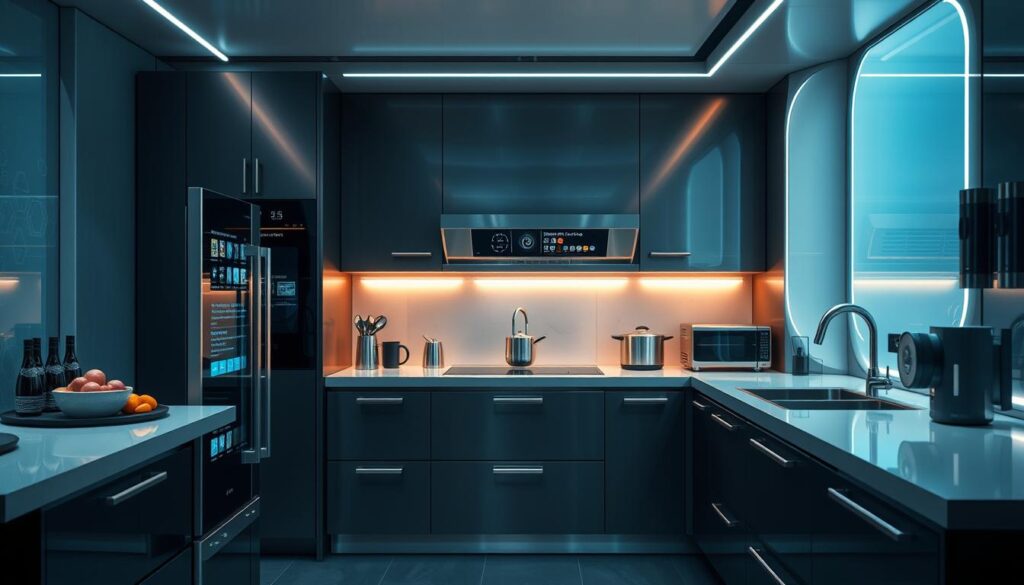
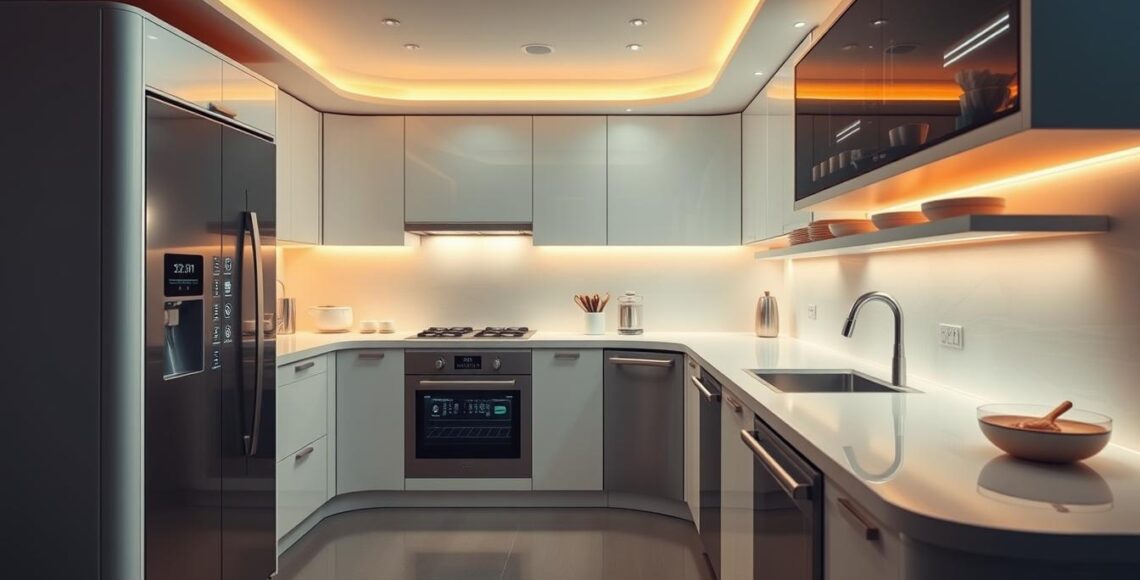
material selection

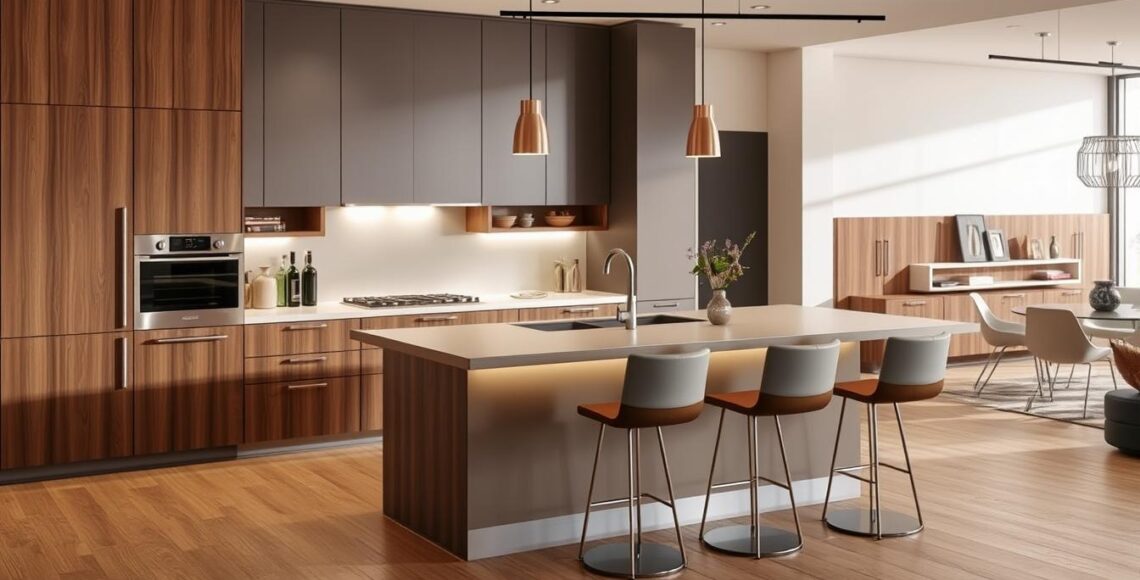
Technical Framework for Kitchen Material Selection

We recognize the significance of a well-structured material selection process in kitchen design, as it directly impacts the overall aesthetic and functional quality of the space. Our collective expertise in custom cabinetry manufacturing enables us to provide a comprehensive framework for kitchen material selection, ensuring that architects and contractors can make informed decisions. The process of material selection is crucial, as it involves evaluating various kitchen materials to determine their suitability for specific applications.

As we delve into the world of kitchen materials, we will explore the various options available, including their characteristics, benefits, and limitations. Our goal is to provide a technical framework that streamlines the material selection process, facilitating the creation of high-end custom cabinetry solutions that meet the precise needs of our clients. By understanding the importance of material selection, we can ensure that the chosen kitchen material aligns with the desired aesthetic and functional requirements, ultimately enhancing the overall quality of the kitchen space.

The material selection process is a critical component of kitchen design, as it involves evaluating various factors, including durability, sustainability, and cost. By considering these factors, architects and contractors can select kitchen materials that not only meet but exceed their clients’ expectations. Our technical framework is designed to provide a structured approach to material selection, ensuring that all relevant factors are considered and that the chosen kitchen material is suitable for the intended application.

Key Takeaways

  • Material selection is a critical component of kitchen design, impacting the overall aesthetic and functional quality of the space.
  • A comprehensive framework for kitchen material selection is essential for making informed decisions.
  • Various kitchen materials have distinct characteristics, benefits, and limitations that must be evaluated.
  • Durability, sustainability, and cost are key factors to consider in the material selection process.
  • A structured approach to material selection ensures that all relevant factors are considered, resulting in the selection of suitable kitchen materials.
  • Our technical framework is designed to streamline the material selection process, facilitating the creation of high-end custom cabinetry solutions.

Understanding the Fundamentals of Material Selection

When it comes to selecting materials for kitchen projects, we consider several factors that influence the decision-making process. As architects and contractors, we need to balance durability requirements with maintenance needs to ensure the chosen materials meet the desired standards. Our goal is to provide a comprehensive understanding of the factors that influence material selection, enabling informed decisions.

We examine various material properties, including their composition, strength, and durability. Industry standards and classifications also play a crucial role in material selection, as they provide a framework for evaluating and comparing different materials. By considering these factors, we can make informed decisions that meet the needs of our clients and the requirements of the project.

Core Material Properties

Core material properties, such as density, hardness, and thermal conductivity, are essential in determining the suitability of a material for a particular application. For instance, materials with high density and hardness are often preferred for countertops and flooring due to their durability and resistance to wear and tear.

Industry Standards and Classifications

Industry standards and classifications, such as those set by the National Kitchen and Bath Association (NKBA) and the International Organization for Standardization (ISO), provide a framework for evaluating and comparing different materials. These standards and classifications help ensure that materials meet specific requirements for safety, quality, and performance.

Material Performance Metrics

Material performance metrics, including durability requirements and maintenance needs, are critical in evaluating the suitability of a material for a particular application. By considering these metrics, we can select materials that meet the desired standards for performance, safety, and sustainability.

By understanding the fundamentals of material selection, including core material properties, industry standards and classifications, and material performance metrics, we can make informed decisions that meet the needs of our clients and the requirements of the project. This knowledge enables us to balance durability requirements with maintenance needs, ensuring the chosen materials meet the desired standards for performance, safety, and sustainability.

Essential Durability Requirements for Kitchen Materials

We consider practical considerations when selecting kitchen materials, taking into account factors such as environmental conditions, usage, and maintenance. The durability of kitchen materials is crucial to ensure they withstand the test of time and heavy use.

When evaluating the durability of kitchen materials, we must consider installation requirements to ensure a proper fit and finish. This includes assessing the material’s ability to withstand various environmental factors, such as temperature and humidity fluctuations.

Some key factors that affect the durability of kitchen materials include:

  • Material composition and quality
  • Manufacturing process and craftsmanship
  • Installation and maintenance procedures

By considering these factors andpractical considerations, we can select kitchen materials that meet our needs and withstand the demands of a busy kitchen.

As we strive to create high-end custom cabinetry manufacturing solutions, we prioritize the selection of durable kitchen materials that balance form and function.

Our goal is to provide a clear understanding of the durability requirements for kitchen materials, enabling architects and contractors to make informed decisions when selecting materials for their projects. By prioritizing installation requirements and practical considerations, we can ensure that our kitchen materials meet the highest standards of quality and durability.

Material Performance Testing and Quality Assurance

When it comes to selecting materials for kitchen projects, we consider the importance of cost analysis and aesthetic integration. This involves evaluating how different materials will perform over time, taking into account factors such as durability, maintenance, and visual appeal.

A thorough material selection process is crucial for ensuring that the chosen materials meet the required standards. This process involves conducting standard testing procedures to assess the material’s performance, including its resistance to heat, moisture, and wear.

Standard Testing Procedures

These procedures are designed to evaluate the material’s properties, such as its strength, flexibility, and chemical resistance. By conducting these tests, we can determine whether the material is suitable for its intended use.

material testing

Quality Control Methods

Quality control methods are essential for ensuring that the materials meet the required standards. This involves inspecting the materials for any defects or irregularities, and conducting regular tests to ensure that they continue to meet the required standards.

By considering cost analysis and aesthetic integration, we can select materials that not only meet the required standards but also fit within the project’s budget and design requirements. This approach enables us to create high-quality kitchen spaces that are both functional and visually appealing.

Cost Analysis Framework and Budget Considerations

When selecting materials for kitchen projects, we consider various factors that affect the cost, including material selection, installation, and maintenance. Environmental factors also play a significant role in this process, as they can impact the overall cost and sustainability of the project.

A thorough cost analysis framework is essential to ensure that the selected materials meet the budget considerations while also considering environmental factors. This involves evaluating the costs of different materials, including their procurement, installation, and maintenance costs.

Some key considerations in the cost analysis framework include:

  • Material costs: The initial cost of the materials, including any necessary hardware or accessories.
  • Installation costs: The cost of labor and equipment required to install the materials.
  • Maintenance costs: The cost of maintaining the materials over their lifespan, including any necessary repairs or replacements.
  • Environmental factors: The impact of the materials on the environment, including their sustainability, recyclability, and potential for waste reduction.

By considering these factors and environmental factors, we can develop a comprehensive cost analysis framework that helps architects and contractors make informed decisions about material selection and budget considerations.

Environmental Impact Assessment of Kitchen Materials

When selecting materials for kitchen projects, it is essential to consider the environmental impact. We must evaluate the sustainability metrics of various materials, including their carbon footprint and recycling potential. By doing so, we can make informed decisions that balance durability requirements with maintenance needs.

A key factor in environmental impact assessment is the material’s life cycle. We must consider the production process, transportation, installation, and eventual disposal or recycling of the material. This comprehensive approach enables us to identify areas for improvement and reduce the overall environmental footprint of our kitchen projects.

To mitigate the environmental impact of kitchen materials, we can adopt several strategies. These include:

  • Specifying materials with high recyclability and reusability
  • Optimizing material usage to minimize waste
  • Implementing sustainable installation and maintenance practices

By incorporating these strategies into our material selection process, we can reduce the environmental impact of our kitchen projects while meeting durability requirements and maintenance needs.

MaterialRecyclabilityCarbon Footprint
WoodHighLow
SteelHighMedium
PlasticLowHigh

By considering the environmental impact of kitchen materials and adopting sustainable practices, we can create kitchen spaces that are not only functional and aesthetically pleasing but also environmentally responsible.

Advanced Material Selection Methodology

When it comes to selecting materials for kitchen projects, we consider practical considerations such as durability, maintenance, and cost. These factors play a crucial role in determining the suitability of a material for a particular project.

In addition to practical considerations, installation requirements must also be taken into account. This includes factors such as the material’s weight, size, and complexity of installation. By considering these factors, we can ensure that the selected material meets the project’s technical and aesthetic requirements.

Some key factors to consider when selecting materials include:

  • Material properties, such as strength and durability
  • Performance metrics, such as water resistance and thermal insulation
  • Environmental impact, such as sustainability and recyclability

By carefully evaluating these factors and considering practical considerations and installation requirements, we can select materials that meet the project’s needs and ensure a successful outcome.

By following this advanced material selection methodology, architects and contractors can make informed decisions and select materials that balance technical, aesthetic, and environmental requirements.

MaterialPractical ConsiderationsInstallation Requirements
WoodDurability, maintenanceWeight, size, complexity of installation
StoneStrength, water resistanceWeight, size, special handling requirements

Integration of Aesthetic Requirements with Technical Specifications

When selecting materials for kitchen projects, it is essential to consider both technical specifications and aesthetic requirements. A thorough cost analysis can help architects and contractors make informed decisions about the materials they choose. This analysis should take into account not only the initial cost of the materials but also their long-term durability and maintenance requirements.

Aesthetic integration is also crucial, as it can greatly impact the overall look and feel of the kitchen. This includes considering factors such as color, texture, and pattern. By carefully evaluating these factors, architects and contractors can create a kitchen that is both functional and visually appealing. A well-designed kitchen can also increase the value of a property, making it an important consideration for homeowners and investors alike.

Some key factors to consider when evaluating aesthetic integration include:

  • Design compatibility: How well do the materials complement the overall design of the kitchen?
  • Surface treatment options: What options are available for treating the surface of the materials, and how will they impact the aesthetic appeal of the kitchen?
  • Visual performance standards: What standards should be used to evaluate the visual performance of the materials, and how will they impact the overall look and feel of the kitchen?

By considering these factors and conducting a thorough cost analysis, architects and contractors can create a kitchen that meets both technical specifications and aesthetic requirements. This can help to ensure that the kitchen is not only functional but also visually appealing, making it a valuable asset for any property.

MaterialCostAesthetic Appeal
GraniteHighHigh
MarbleHighHigh
LaminateLowLow

Installation Requirements and Technical Constraints

When it comes to installing kitchen materials, environmental factors play a significant role. We must consider the impact of our choices on the environment and ensure that our installation methods are sustainable. This includes taking into account the materials’ properties, performance metrics, and environmental factors such as energy efficiency and waste reduction.

To achieve a successful installation, we must consider the following factors:

  • Material compatibility
  • Performance metrics
  • Environmental factors such as energy efficiency and waste reduction

By considering these factors, we can ensure that our kitchen materials are installed in a way that is both technically sound and environmentally responsible.

Our goal is to provide a clear understanding of the installation requirements and technical constraints, enabling architects and contractors to select materials that meet their needs while also considering environmental factors. By working together, we can create kitchen spaces that are both functional and sustainable.

Maintenance Protocol Development

As we consider the various factors that affect the maintenance of kitchen materials, we must prioritize durability requirements and maintenance needs. This involves developing a comprehensive maintenance protocol that addresses cleaning requirements, long-term care specifications, and repair and replacement guidelines.

When selecting materials for kitchen projects, we must consider the potential maintenance needs and durability requirements. This includes evaluating the material’s resistance to wear and tear, as well as its ability to withstand various cleaning products and methods.

Cleaning Requirements

Cleaning requirements are a critical aspect of maintenance protocol development. Different materials have unique cleaning needs, and failure to follow these requirements can result in damage or deterioration. For example, some materials may require gentle cleaning products, while others can withstand more aggressive cleaning methods.

Long-term Care Specifications

Long-term care specifications are also essential for maintaining the quality and durability of kitchen materials. This includes regular inspections, maintenance, and repairs to prevent damage and extend the material’s lifespan. By prioritizing durability requirements and maintenance needs, we can ensure that our kitchen materials remain functional and aesthetically pleasing for years to come.

Repair and Replacement Guidelines

Finally, repair and replacement guidelines are necessary for addressing any damage or deterioration that may occur. This includes identifying the root cause of the issue, selecting the appropriate repair or replacement method, and ensuring that the material is restored to its original condition. By following these guidelines, we can minimize downtime, reduce costs, and maintain the overall quality of our kitchen materials.

By considering durability requirements and maintenance needs, we can develop a comprehensive maintenance protocol that ensures the long-term quality and functionality of our kitchen materials. This involves evaluating cleaning requirements, long-term care specifications, and repair and replacement guidelines to create a tailored maintenance plan that meets the unique needs of each material.

maintenance protocol development

MaterialCleaning RequirementsLong-term Care SpecificationsRepair and Replacement Guidelines
WoodGentle cleaning productsRegular polishing and waxingRefinishing or replacing damaged areas
StonePH-neutral cleaning productsRegular sealing and cleaningRepairing or replacing cracked or damaged areas
LaminateMild cleaning productsRegular cleaning and maintenanceReplacing damaged or worn-out areas

Risk Assessment and Mitigation Strategies

When selecting materials for kitchen projects, we consider various factors that affect risk assessment and mitigation strategies. Practical considerations play a crucial role in this process, as they help us evaluate the potential risks associated with different materials. For instance, the durability and performance of materials are essential factors to consider, as they can impact the overall safety and functionality of the kitchen.

Another critical aspect is installation requirements, which can significantly influence the risk assessment and mitigation strategies. We must consider the specific installation needs of each material, including any special handling or preparation requirements. By taking these factors into account, we can develop effective risk assessment and mitigation strategies that ensure the successful completion of kitchen projects.

To illustrate this, let’s consider the following factors that affect risk assessment and mitigation strategies:

  • Material properties, such as durability and resistance to heat and moisture
  • Performance metrics, including safety and functionality standards
  • Environmental impact, such as sustainability and recyclability

By carefully evaluating these factors and considering practical considerations and installation requirements, we can develop comprehensive risk assessment and mitigation strategies that ensure the successful completion of kitchen projects.

MaterialPractical ConsiderationsInstallation Requirements
WoodDurability, maintenance requirementsSpecial handling, finishing requirements
StoneHeat resistance, slip resistanceSealing requirements, weight considerations

Conclusion: Implementing Your Material Selection Framework

As we conclude our technical framework for kitchen material selection, it’s essential to highlight the key considerations of cost analysis, aesthetic integration, and environmental factors. These elements are crucial in ensuring the success of any kitchen project, from both a practical and design perspective.

By carefully analyzing the cost analysis of materials, you can optimize your budget and make informed decisions that balance performance and value. Similarly, the aesthetic integration of materials is paramount, as it sets the tone for the overall kitchen design and contributes to the overall visual appeal.

Furthermore, the environmental factors surrounding kitchen materials cannot be overlooked. Sustainability, carbon footprint, and recyclability are increasingly important considerations that demonstrate your commitment to responsible design and environmental stewardship.

Implementing this comprehensive material selection framework empowers architects and contractors to create kitchen spaces that not only meet technical requirements but also align with client expectations and broader sustainability goals. By striking the right balance between cost, aesthetics, and environmental impact, you can deliver exceptional kitchen solutions that stand the test of time.
lighting control

Advanced Kitchen Lighting Control Systems

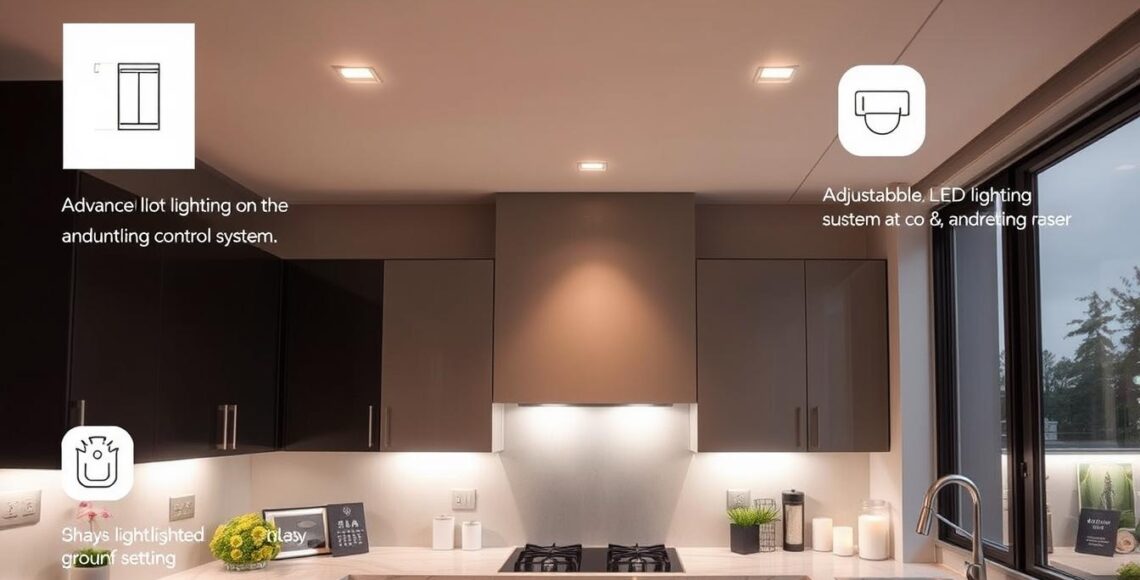
We specialize in creating high-end custom cabinetry manufacturing solutions, and we understand the importance of lighting control in modern kitchens. Lighting control systems can greatly enhance the ambiance, functionality, and energy efficiency of kitchens. With the help of zone control, homeowners can create customized lighting scenes that cater to their specific needs, making zone control a crucial aspect of kitchen design. By incorporating lighting control, zone control, and scene setting, we can help architects and contractors bring their vision to life.

As we work together to bridge architectural vision with manufacturing reality, we recognize the value of advanced kitchen lighting control systems. These systems enable us to create tailored lighting experiences that meet the unique needs of each kitchen, leveraging scene setting to create a seamless and intuitive user experience. By combining our expertise in custom cabinetry manufacturing with cutting-edge lighting control solutions, we can deliver exceptional results that exceed our clients’ expectations, all while emphasizing the importance of lighting control and zone control.

Key Takeaways

  • Lighting control systems can enhance the ambiance and functionality of kitchens
  • Zone control allows for customized lighting scenes that cater to specific needs
  • Scene setting enables tailored lighting experiences that meet unique kitchen needs
  • Advanced kitchen lighting control systems can improve energy efficiency
  • Our expertise in custom cabinetry manufacturing and lighting control solutions can deliver exceptional results
  • Lighting control and zone control are essential aspects of modern kitchen design
  • By working together, we can create high-end custom cabinetry manufacturing solutions that exceed client expectations

Understanding Modern Kitchen Lighting Control

As we delve into the world of kitchen lighting control, it’s essential to understand the components that make up these systems. Lighting control is a crucial aspect of modern kitchen design, as it can significantly impact the ambiance and energy efficiency of the space. A well-designed lighting control system can provide the perfect balance of light and shade, creating a warm and inviting atmosphere.

The user interface is a critical component of any lighting control system, as it allows users to easily adjust and customize the lighting to suit their needs. With the advancement of technology, we now have a wide range of user interface options, from traditional control panels to smart devices and voice control systems.

Components of Control Systems

A typical lighting control system consists of several key components, including sensors, dimmers, and control panels. These components work together to provide a seamless and efficient lighting experience. For instance, sensors can detect the amount of natural light in the room and adjust the artificial lighting accordingly, ensuring energy efficiency.

Benefits of Advanced Controls

Advanced lighting control systems offer numerous benefits, including energy efficiency, convenience, and enhanced ambiance. By installing a lighting control system, homeowners can reduce their energy consumption and lower their utility bills. Additionally, these systems can be integrated with other smart devices, providing a comprehensive and connected home experience.

Current Market Technologies

The current market offers a wide range of lighting control technologies, including wireless and smart lighting control systems. These systems provide users with the flexibility to control their lighting from anywhere, using their smartphones or voice assistants. With the increasing demand for energy efficiency and smart home solutions, the market for lighting control systems is expected to grow significantly in the coming years.

TechnologyBenefits
Wireless Lighting ControlEasy installation, flexible control options
Smart Lighting ControlEnergy efficiency, voice control, smart device integration

Smart Integration Capabilities for Kitchen Lighting

We recognize the importance of seamless integration in kitchen lighting control systems. This is where integration requirements come into play, allowing for the synchronization of lighting with other smart devices and systems in the home, such as thermostats and security systems. By considering these integration requirements, homeowners can create a cohesive and convenient living environment.

Maintenance access is another critical aspect of kitchen lighting control systems. Ensuring easy maintenance access can significantly impact the overall performance and longevity of the system. This includes regular software updates, troubleshooting, and hardware maintenance, all of which contribute to a smooth and reliable user experience.

Some key benefits of smart integration capabilities for kitchen lighting include:

  • Enhanced convenience through voice control and mobile app integration
  • Improved energy efficiency through automated lighting schedules and scenes
  • Increased safety and security through integration with home security systems

By understanding and addressing integration requirements and maintenance access, we can unlock the full potential of kitchen lighting control systems, creating a more comfortable, efficient, and secure living space for homeowners.

Zone-Based Lighting Control Fundamentals

When it comes to creating a well-designed lighting system, zone control is a crucial aspect to consider. By dividing a space into separate zones, each with its own unique lighting requirements, we can create a more efficient and effective lighting system. This approach allows for personalized lighting designs that cater to the specific needs of each zone.

A key factor in scene setting is the ability to adjust lighting levels and color temperatures to create different ambiance and moods. This can be achieved through the use of dimming and color temperature control systems, which enable us to create a wide range of lighting scenes. By incorporating installation planning into the design process, we can ensure that the lighting system is installed correctly and functions as intended.

Some benefits of zone-based lighting control include:

  • Increased energy efficiency
  • Improved lighting flexibility
  • Enhanced ambiance and mood creation

zone control

By understanding the fundamentals of zone-based lighting control, we can create lighting systems that are both functional and aesthetically pleasing. By incorporating zone control, scene setting, and installation planning into the design process, we can create lighting systems that meet the unique needs of each space and enhance the overall user experience.

Zone Control BenefitsDescription
Energy EfficiencyReduced energy consumption through optimized lighting usage
Lighting FlexibilityAbility to adjust lighting levels and color temperatures to create different ambiance and moods
Ambiance and Mood CreationEnhanced ability to create a wide range of lighting scenes and ambiance

Scene Programming and Customization

We understand the importance of creating a personalized lighting experience that enhances the overall quality of life. With scene programming and customization, homeowners can create customized lighting scenes that cater to their specific needs and preferences. This is achieved through a user-friendly user interface that allows for easy scene setting and adjustment.

The user interface options available for scene programming include touchscreens, smartphones, and voice control. These options provide homeowners with the flexibility to control their lighting scenes from anywhere, at any time. By leveraging these technologies, we can create a seamless and intuitive experience that makes it easy to customize and adjust lighting scenes.

Some of the key benefits of scene programming and customization include:

  • Enhanced ambiance and mood creation
  • Increased energy efficiency
  • Improved safety and security
  • Customized lighting scenes for specific activities or events

By providing a range of user interface options and scene programming capabilities, we can help homeowners create a personalized lighting experience that meets their unique needs and preferences. This is achieved through a combination of innovative technologies and a deep understanding of the importance of scene setting and user interface in creating a truly exceptional lighting experience.

Energy Management Through Lighting Control

We recognize the importance of energy efficiency in lighting control systems, which is why we prioritize installation planning and maintenance access. By doing so, we can optimize energy consumption and reduce waste. Energy efficiency is a key consideration in the design and implementation of lighting control systems, as it directly impacts the overall cost-effectiveness and environmental sustainability of a building.

Effective energy management involves the use of consumption monitoring systems, which provide real-time data on energy usage. This information can be used to identify areas of inefficiency and implement optimization strategies, such as scheduling, dimming, and load shedding. By leveraging these strategies, we can enhance energy efficiency and reduce energy consumption.

When it comes to installation planning, we consider factors such as maintenance access and energy efficiency. By designing systems with these factors in mind, we can ensure that our lighting control systems are not only energy-efficient but also easy to maintain and upgrade. This approach enables us to provide our clients with cost-effective and sustainable solutions that meet their unique needs and requirements.

Some key strategies for optimizing energy efficiency include:

  • Implementing smart lighting controls that adjust to occupancy and daylight availability
  • Using energy-efficient lighting fixtures and technologies, such as LED lighting
  • Designing lighting systems with maintenance access in mind, to minimize downtime and reduce maintenance costs

By prioritizing energy efficiency, installation planning, and maintenance access, we can create lighting control systems that are both cost-effective and environmentally sustainable. Our goal is to provide our clients with innovative solutions that meet their unique needs and requirements, while also promoting energy efficiency and reducing waste.

Installation Requirements and Planning

When it comes to kitchen lighting control systems, installation planning is crucial for a seamless and convenient lighting experience. We consider factors such as room layout, wiring requirements, and device compatibility to ensure a smooth installation process. Proper integration requirements are also essential, including compatibility with other smart devices and systems, to create a cohesive and efficient lighting control system.

To achieve this, we work closely with architects and contractors to understand their vision and requirements. By doing so, we can provide tailored solutions that meet their needs and enhance the overall quality of life for homeowners. Effective installation planning and integration requirements are vital in creating a lighting control system that is both functional and aesthetically pleasing.

installation planning

  • Assessing the room layout to determine the optimal placement of lighting fixtures and control devices
  • Evaluating wiring requirements to ensure a safe and efficient installation
  • Ensuring device compatibility to create a seamless and integrated lighting control system

By carefully considering these factors and working closely with industry professionals, we can create kitchen lighting control systems that are both functional and beautiful, enhancing the overall living experience for homeowners.

User Interface Design and Implementation

When it comes to kitchen lighting control systems, the user interface plays a crucial role in ensuring a seamless and intuitive experience. A well-designed user interface can simplify the process of controlling lighting levels, scenes, and schedules, making it easier for users to manage their lighting systems. We consider the importance of maintenance access and integration requirements when designing the user interface, to ensure that it is both functional and easy to use.

The user interface can be accessed through various control panel options, including touchscreens, keypads, and smartphones. Each of these options offers a unique set of features and benefits, allowing users to choose the one that best suits their needs. For example, touchscreens provide a graphical interface that can be easily navigated, while keypads offer a more traditional and straightforward approach. Smartphones, on the other hand, enable users to control their lighting systems remotely, using mobile integration features such as apps and voice control capabilities.

Control Panel Options

  • Touchscreens: offer a graphical interface and can be easily navigated
  • Keypads: provide a traditional and straightforward approach
  • Smartphones: enable remote control using mobile integration features and voice control capabilities

In addition to these control panel options, we also consider the integration requirements of the user interface, to ensure that it can be seamlessly integrated with other systems and devices. This includes ensuring that the user interface is compatible with various protocols and standards, such as Wi-Fi, Bluetooth, and Zigbee. By doing so, we can provide a comprehensive and integrated solution that meets the needs of our users.

System Maintenance and Troubleshooting

Regular maintenance is crucial to ensure the optimal performance of kitchen lighting control systems. This includes maintenance access for software updates and hardware inspections. By prioritizing maintenance, homeowners can prevent issues and ensure a reliable lighting experience. For instance, visiting top kitchen appliance websites can provide valuable insights into maintenance best practices.

When it comes to integration requirements, compatibility with other smart devices and systems is essential. This can impact system maintenance, as incompatible devices may cause issues that require troubleshooting. Some key considerations for integration include:

  • Compatibility with existing smart home systems
  • Device connectivity and communication protocols
  • Software updates and patch management

By understanding these factors, homeowners can ensure seamless integration and maintenance of their kitchen lighting control systems. Proper maintenance and troubleshooting can help prevent issues, reducing the need for costly repairs and ensuring a safe and efficient lighting experience.

By following these guidelines and considering the importance of maintenance access and integration requirements, homeowners can enjoy a reliable and efficient kitchen lighting control system that enhances their overall quality of life.

Conclusion: Future of Kitchen Lighting Control

As we look to the future, the world of kitchen lighting control is poised to undergo a transformative revolution. Emerging technologies like smart lighting, voice-activated controls, and advanced energy efficiency solutions will shape the industry’s trajectory. These innovations promise enhanced convenience, significant energy savings, and a more personalized user interface for homeowners.

Smart lighting systems integrated with home automation platforms will allow homeowners to effortlessly manage their kitchen lighting from their smartphones or voice assistants. Intuitive scene programming and customization features will empower users to create tailored ambiances for various tasks and moods. Robust energy management tools will provide real-time data on energy consumption, enabling homeowners to make informed decisions and optimize their kitchen’s energy efficiency.

While the growing complexity of these control systems may present a challenge, the benefits of enhanced convenience, improved aesthetics, and substantial energy savings will drive the widespread adoption of advanced kitchen lighting control solutions. As the industry continues to evolve, we can expect to see a closer integration of lighting with other smart home technologies, creating a truly seamless and efficient kitchen environment.

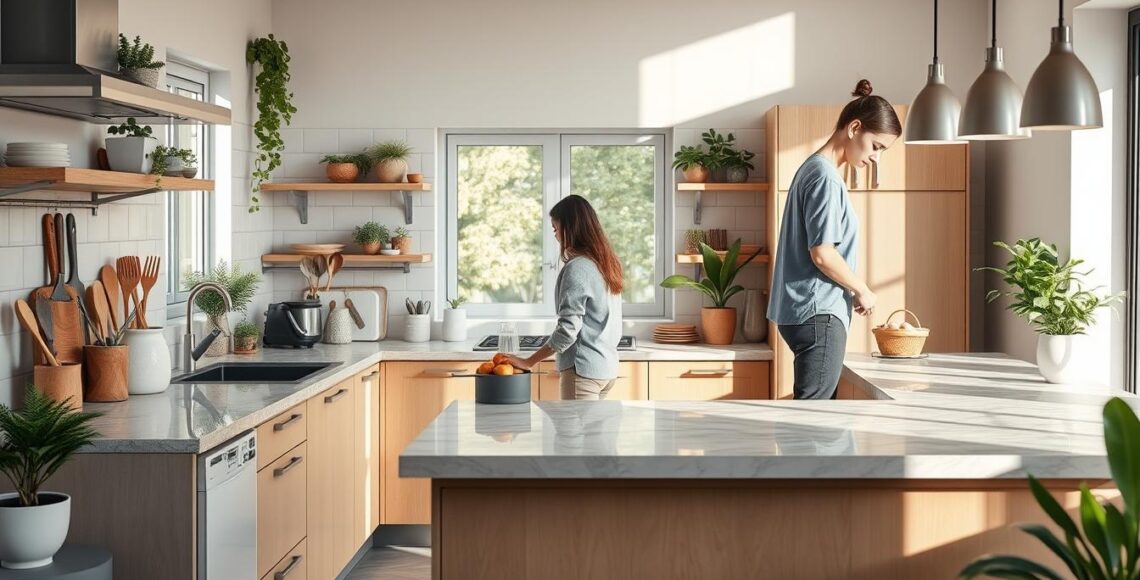
seating integration

Technical Guide to Kitchen Seating Design

We believe that kitchen seating design is a crucial aspect of creating functional and beautiful spaces. As we work together to design the perfect kitchen, we focus on seating integration to maximize space and flow. Our goal is to provide expert solutions for seamless kitchen seating design that meets the needs of our clients.

At our company, we understand the importance of bridging architectural vision with manufacturing reality through precision and expertise. This is why we prioritize seating integration in our kitchen seating design process, ensuring that our solutions are both functional and aesthetically pleasing. By considering kitchen seating design as a key element of the overall kitchen layout, we can create high-end custom cabinetry manufacturing solutions that exceed our clients’ expectations.

Effective seating integration is critical to creating a kitchen that is both beautiful and functional. By incorporating kitchen seating design into our overall design process, we can create spaces that are tailored to our clients’ needs and preferences. Whether it’s a modern kitchen or a traditional one, our expertise in kitchen seating design enables us to deliver solutions that are both practical and visually appealing.

Key Takeaways

  • Seating integration is a critical aspect of kitchen design
  • Kitchen seating design should prioritize both function and aesthetics
  • Effective seating integration can maximize space and flow in the kitchen
  • Our company prioritizes precision and expertise in kitchen seating design
  • Kitchen seating design should be tailored to the client’s needs and preferences
  • Seamless kitchen seating design can enhance the overall kitchen layout
  • Kitchen seating design is essential for creating high-end custom cabinetry manufacturing solutions

Understanding Kitchen Seating Fundamentals

When designing a kitchen, it’s essential to consider the ergonomic requirements of the space. This includes thinking about how people will move through the kitchen and how they will interact with the different elements, such as countertops, appliances, and seating. Effective space utilization is critical to creating a functional and comfortable kitchen. By considering the workflow and traffic patterns in the kitchen, we can design a space that meets the needs of everyone who uses it.

A key aspect of kitchen seating is the type of seating that will be used. This can include island seating, peninsula seating, or banquette seating, each with its own unique design considerations. For example, island seating can provide a convenient place for food preparation and casual dining, while banquette seating can create a cozy nook for more formal meals. By choosing the right type of seating, we can create a kitchen that is both functional and beautiful. Modern kitchen design often incorporates a combination of these seating options to create a unique and functional space.

  • Comfort: The seating should be comfortable and supportive, with adequate cushioning and back support.
  • Style: The seating should fit with the overall style and aesthetic of the kitchen, whether modern, traditional, or something in between.
  • Functionality: The seating should be functional and meet the needs of the people using the kitchen, whether that’s a busy family or a couple who likes to entertain.

By considering these factors and incorporating ergonomic requirements and space utilization into our design, we can create a kitchen that is both beautiful and functional, with seating that meets the needs of everyone who uses it. Effective kitchen design is all about finding the right balance between form and function, and seating is a critical element of this equation.

Essential Measurements for Kitchen Seating

When designing a kitchen, structural support is crucial to ensure the seating area is safe and functional. This includes considering the height and depth of the seating, as well as the clearance planning between the seating and the kitchen workflow.

To create a comfortable and functional kitchen seating area, we need to consider several key measurements. These include:

  • The ideal height and depth for different types of seating
  • The minimum clearance required for comfortable movement
  • The placement of the seating in relation to the kitchen fixtures

By understanding these measurements, architects and contractors can create kitchen seating areas that are both functional and comfortable, providing structural support and adequate clearance planning for a smooth workflow.

Optimal Seating Integration Strategies for Modern Kitchens

When designing a modern kitchen, it’s essential to consider the optimal seating integration strategies to maximize space and flow. This includes counter height configurations, island seating solutions, and breakfast nook optimization. By understanding these strategies, architects and contractors can create kitchen seating areas that are both functional and aesthetically pleasing, taking into account Scandinavian design tips for inspiration.

A well-designed kitchen seating area should prioritize traffic flow and sight lines to create a sense of openness and visibility. This can be achieved by using island seating solutions that provide a clear view of the surrounding area. Additionally, breakfast nook optimization can help to create a cozy and intimate space that is perfect for casual dining.

kitchen seating integration

Some key considerations for optimal seating integration strategies include:

  • Counter height configurations that provide ample seating and workspace
  • Island seating solutions that offer a clear view of the surrounding area
  • Breakfast nook optimization that creates a cozy and intimate space

By incorporating these strategies, architects and contractors can create modern kitchens that are both functional and beautiful, with a focus ontraffic flowandsight lines.

Seating StrategyDescription
Counter Height ConfigurationsProvide ample seating and workspace
Island Seating SolutionsOffer a clear view of the surrounding area
Breakfast Nook OptimizationCreate a cozy and intimate space

Traffic Flow Analysis and Space Planning

When designing a kitchen seating area, we consider the importance of traffic flow analysis and space planning. A well-designed kitchen seating area should allow for easy movement and comfortable seating, while also maximizing space utilization. To achieve this, we analyze the circulation paths in the kitchen, taking into account the placement of seating areas, kitchen fixtures, and other obstacles.

A key aspect of traffic flow analysis is understanding how people move through the kitchen. By identifying the most frequently used paths, we can optimize the placement of seating areas to minimize congestion and maximize comfort optimization. For example, placing a seating area near a kitchen island can create a comfortable and functional space for food preparation and socializing.

Some key considerations for traffic flow analysis and space planning include:

  • Leave enough space between seating areas and kitchen fixtures to allow for easy movement
  • Consider the “work triangle” concept, which aims to minimize the distance between the sink, stove, and refrigerator
  • Use circulation paths to create a sense of flow and guide people through the kitchen

By applying these principles, we can create kitchen seating areas that are both functional and comfortable, making the most of the available space utilization while prioritizing comfort optimization.

By taking a thoughtful and intentional approach to traffic flow analysis and space planning, we can create kitchen seating areas that are tailored to the unique needs and preferences of each client, resulting in a space that is both beautiful and functional.

Ergonomic Requirements for Kitchen Seating

When designing kitchen seating, it’s essential to consider the ergonomic requirements that impact user comfort and well-being. We prioritize comfort optimization by focusing on the ideal height and depth specifications for different types of seating. This includes considering the posture and support guidelines that ensure users can sit comfortably for extended periods.

Some key factors to consider for ergonomic kitchen seating include:

  • Seat height and depth to accommodate various user sizes
  • Backrest and armrest design for optimal support
  • Cushioning and upholstery materials for comfort optimization

By incorporating these ergonomic requirements into kitchen seating design, we can create spaces that are both functional and comfortable. This is particularly important in modern kitchens, where seating areas often serve as a hub for socializing and entertainment. As we strive to bridge architectural vision with manufacturing reality, we must prioritize comfort optimization and ergonomic requirements to create truly exceptional kitchen seating experiences.

Ultimately, the goal of ergonomic kitchen seating design is to create a space that is both beautiful and functional, with comfort optimization at its core. By balancing aesthetic considerations with ergonomic requirements, we can create kitchen seating areas that truly enhance the user experience.

Seating TypeHeight SpecificationDepth Specification
Counter Height36-40 inches24-30 inches
Bar Height40-42 inches24-30 inches
Table Height28-30 inches24-30 inches

Structural Support and Installation Requirements

When designing kitchen seating areas, we must consider the importance of structural support to ensure the seating area is safe and durable. This includes the use of brackets and supports to provide a solid foundation for the seating.

Clearance planning is also crucial to ensure that the seating area is installed correctly and provides enough space for users to move comfortably. We must take into account the height and depth of the seating, as well as the surrounding environment, to create a functional and safe space.

Some key considerations for structural support and installation requirements include:

  • Using high-quality materials and construction methods to ensure the seating area is sturdy and durable
  • Providing adequate clearance and space for users to move comfortably
  • Ensuring the seating area is level and securely installed to prevent accidents

structural support for kitchen seating

By considering these factors and incorporating clearance planning into the design process, we can create kitchen seating areas that are both functional and safe.

Structural Support ConsiderationsClearance Planning Considerations
Material quality and construction methodsHeight and depth of seating
Bracket and support installationSurrounding environment and obstacles

Material Selection for Durability and Maintenance

When designing kitchen seating areas, we consider the importance of space utilization and traffic flow to ensure a functional and comfortable space. Material selection plays a critical role in achieving this goal, as it directly impacts the durability and maintenance of the seating area.

We evaluate various surface materials, including wood, metal, and plastic, to determine the most durable and low-maintenance options. For instance, a hardwood surface can withstand heavy use and is easy to clean, making it an ideal choice for high-traffic areas. On the other hand, metal surfaces can be prone to scratches and require more frequent maintenance.

Surface Materials Guide

  • Wood: durable and easy to clean, but may require periodic refinishing
  • Metal: prone to scratches, but can be durable with proper coating
  • Plastic: low-maintenance and resistant to scratches, but may not be as durable as other options

In addition to surface materials, we also consider framework options, such as metal, wood, and plastic, to ensure the seating area is sturdy and can withstand heavy use. By selecting the right materials and considering factors like space utilization and traffic flow, we can create kitchen seating areas that are both functional and durable.

Weathering and Wear Considerations

Moisture, heat, and heavy use can all impact the durability of kitchen seating areas. We take these factors into account when selecting materials and designing the seating area to ensure it can withstand the demands of a busy kitchen. By doing so, we can create a space that is both beautiful and functional, with a focus on space utilization and traffic flow.

Lighting and Sight Line Optimization

When designing kitchen seating areas, we consider the importance of lighting and sight lines in creating a comfortable and functional space. Proper lighting can greatly impact the ambiance and usability of the area, while sight lines can affect the overall flow and feel of the room. To achieve optimal comfort optimization, we focus on balancing task lighting, ambient lighting, and natural lighting to create a warm and inviting atmosphere.

By carefully planning the placement of seating areas in relation to windows, doors, and other visual obstructions, we can optimize sight lines and create a sense of openness. This not only enhances the aesthetic appeal of the space but also contributes to a more comfortable and relaxing environment. Some key considerations for sight line optimization include:

  • Positioning seating areas to take advantage of natural light and views
  • Using lighting fixtures to create a sense of depth and visual interest
  • Minimizing visual obstructions to maintain a clear line of sight

By incorporating these principles into our design approach, we can create kitchen seating areas that are both functional and comfortable, with optimal sight lines and lighting configurations that enhance the overall user experience.

Lighting TypeDescriptionBenefits
Task LightingDirect lighting for specific tasksImproves visibility and reduces eye strain
Ambient LightingSoft, overall lighting for the spaceCreates a warm and inviting atmosphere
Natural LightingLight from windows and skylightsEnhances mood and reduces energy consumption

Safety Standards and Compliance Requirements

When designing kitchen seating areas, safety standards and compliance requirements are crucial to ensure the well-being of users. We must consider the structural support and clearance planning to prevent accidents and injuries. Proper clearance planning is essential to allow for easy movement and accessibility in the kitchen.

Key considerations for safety standards include:

  • Building codes and regulations
  • ADA compliance guidelines for accessible seating areas
  • Safety feature integration, such as safety rails and non-slip surfaces

By incorporating these safety standards and compliance requirements, architects and contractors can create kitchen seating areas that are both functional and safe. Effective clearance planning and structural support are vital to preventing accidents and ensuring a secure environment for users.

It is essential to note that safety standards and compliance requirements may vary depending on the location and type of kitchen. Therefore, it is crucial to consult with local authorities and experts to ensure that the design meets all necessary requirements.

By prioritizing safety standards and compliance requirements, we can create kitchen seating areas that are not only aesthetically pleasing but also safe and accessible for all users.

Cost Analysis and Budget Planning

As we delve into the world of kitchen seating design, it’s essential to consider the financial aspects that impact the feasibility and affordability of the project. We must analyze the cost factors that influence kitchen seating design, including the cost of materials, labor, and installation. Effective space utilization can significantly reduce costs by optimizing the use of available space.

A thorough traffic flow analysis is also crucial in determining the most cost-effective design. By understanding how people move through the kitchen, we can identify areas where costs can be minimized without compromising functionality. This approach enables architects and contractors to create kitchen seating areas that are both functional and affordable.

Some key considerations in cost analysis and budget planning include:

  • Material selection and costs
  • Labor costs and installation expenses
  • Permitting and inspection fees
  • Long-term maintenance and repair costs

By carefully evaluating these factors and incorporating space utilization and traffic flow considerations, we can develop a comprehensive budget plan that meets the needs of architects, contractors, and homeowners alike. This approach ensures that kitchen seating design projects are completed on time, within budget, and with the desired level of quality.

Conclusion: Creating Your Ideal Kitchen Seating Setup

As we conclude this in-depth exploration of kitchen seating design, it’s clear that creating the ideal setup requires a multifaceted approach. By leveraging the strategies and insights outlined in this comprehensive guide, architects and contractors can seamlessly integrate seating solutions that not only enhance the functionality of the kitchen but also elevate the overall user experience.

From optimizing traffic flow and ensuring ergonomic comfort to selecting durable materials and meeting safety standards, every aspect of kitchen seating design plays a crucial role in delivering a high-end, custom cabinetry manufacturing solution. By partnering with industry experts, professionals can unlock the full potential of their kitchen seating projects, crafting spaces that are both visually stunning and exceptionally user-friendly.

As we move forward, our commitment to innovation and excellence will continue to drive the evolution of kitchen seating design. By staying at the forefront of industry trends and best practices, we can empower our partners to create kitchen environments that truly embody the perfect blend of form and function, ultimately enhancing the quality of life for those who interact with these spaces on a daily basis.

counter heights

Ergonomic Countertop Height Engineering

We understand the importance of considering user demographics in design, particularly when it comes to ergonomic countertop height. As experts in custom cabinetry manufacturing, we bridge architectural vision with manufacturing reality, ensuring that the final product meets both aesthetic and functional requirements. Our goal is to provide a comprehensive guide to ergonomic countertop height engineering, focusing on the significance of counter heights in enhancing user comfort and usability.

By considering user demographics, we can significantly impact the comfort and usability of spaces. This is where our expertise in custom cabinetry manufacturing comes into play, helping to create spaces that are both functional and aesthetically pleasing. With a deep understanding of industry standards and research on ergonomic design principles, we can provide tailored solutions that meet the unique needs of each project.

Our approach to ergonomic countertop height engineering takes into account various factors, including user demographics and counter heights. By doing so, we can create spaces that are not only visually stunning but also highly functional and comfortable. With our expertise, architects and contractors can trust that their vision will be brought to life with precision and expertise.

Key Takeaways

  • Considering user demographics is crucial in ergonomic countertop height engineering
  • Counter heights play a significant role in enhancing user comfort and usability
  • Industry standards and research on ergonomic design principles inform our approach
  • Custom cabinetry manufacturing can bridge architectural vision with manufacturing reality
  • Ergonomic countertop height engineering requires a deep understanding of user needs and preferences
  • Our expertise ensures that the final product meets both aesthetic and functional requirements

Understanding the Fundamentals of Counter Height Design

When it comes to designing countertops, we consider the importance of task analysis in determining the ideal height. This involves assessing the specific tasks that will be performed at the counter, such as food preparation or cooking, and designing the space to meet those practical requirements. By doing so, we can ensure that the counter height is optimized for comfort and efficiency.

Comfort optimization is another crucial aspect of counter height design. We strive to create a space that is ergonomic and user-friendly, taking into account the needs of individuals with varying heights and abilities. This includes considering the height of appliances, sinks, and other fixtures to ensure that they are easily accessible and do not cause strain or discomfort.

Basic Ergonomic Principles

Our approach to counter height design is guided by basic ergonomic principles, which emphasize the importance of designing spaces that are tailored to the needs of the user. This includes considering factors such as posture, reach, and movement patterns to create a space that is both functional and comfortable.

Impact on User Comfort

A well-designed counter height can have a significant impact on user comfort, reducing the risk of injury and improving overall well-being. By incorporating task analysis and comfort optimization into our design process, we can create spaces that are tailored to the needs of the user, promoting a safe and healthy working environment.

Industry Standards Overview

Our designs are informed by industry standards and guidelines, which provide a framework for ensuring that our countertops meet the needs of users. We stay up-to-date with the latest research and developments in the field, incorporating this knowledge into our design process to create spaces that are both functional and comfortable.

By considering task analysis, comfort optimization, and practical requirements, we can create countertops that are tailored to the needs of the user, promoting a safe and healthy working environment. Our goal is to bridge the gap between architectural vision and manufacturing reality, creating spaces that are both functional and beautiful.

The Science Behind Optimal Counter Heights

When designing countertops, visual impact plays a significant role in creating an aesthetically pleasing space. The height of the counter can greatly affect the overall look and feel of the room. According to scientific studies on human factors and ergonomics, optimal counter heights can improve user comfort and efficiency. Adaptation possibilities are also crucial, as they allow for flexibility in design to accommodate different user needs.

A key consideration in determining optimal counter heights is the adaptation possibilities of the design. This involves creating a space that can be easily modified to suit various users, whether it’s a homeowner or a commercial establishment. By incorporating adjustable features, such as customizable counter heights, designers can create a more versatile and user-friendly space.

To achieve optimal counter heights, designers must consider various factors, including:

  • User demographics and preferences
  • Task-specific requirements
  • Industry standards and regulations

By taking these factors into account and incorporatingvisual impactandadaptation possibilitiesinto the design, creators can develop countertops that are both functional and visually appealing.

Demographic Considerations in Height Engineering

When designing counter heights, it’s essential to consider the diverse needs of various user demographics. Our expertise in custom cabinetry manufacturing allows us to accommodate these differences, ensuring that the final product is both functional and accessible. We take into account practical requirements, such as age-related needs, to create tailored solutions that meet the unique demands of each demographic group.

Understanding user demographics is crucial in determining the optimal counter height. For instance, age-related requirements play a significant role in height engineering. Children, adults, and seniors have distinct needs, and our designs must cater to these differences. By considering these factors, we can create countertops that are comfortable and safe for all users, regardless of their age or ability.

Age-Related Requirements

  • Children: lower counter heights to facilitate easy access and minimize the risk of accidents
  • Adults: standard counter heights that promote comfortable working and socializing
  • Seniors: adjustable counter heights to accommodate mobility and flexibility limitations

Additionally, we consider installation specifications to ensure that our countertops meet the necessary accessibility standards. By incorporating these considerations into our design process, we can create custom cabinetry solutions that are both beautiful and functional, meeting the unique needs of each user demographic.

Task-Specific Counter Height Requirements

When designing counters, we consider the various tasks that will be performed on them. Task analysis plays a crucial role in determining the ideal counter height for each activity. By understanding the specific requirements of each task, we can optimize counter heights for comfort optimization and efficiency.

For instance, tasks that involve heavy lifting or bending may require lower counter heights, while tasks that involve fine motor skills or precision work may require higher counter heights. We can break down task-specific counter height requirements into several categories, including:

  • Food preparation: 36-40 inches
  • Cooking: 34-38 inches
  • Cleaning: 32-36 inches

By considering these task-specific requirements, we can design counters that promote comfort optimization and reduce the risk of injury or fatigue. Task analysis is essential in creating effective and ergonomic counter designs that meet the needs of users.

task analysis for counter height

Ultimately, our goal is to create counters that are both functional and comfortable, allowing users to perform tasks with ease and efficiency. By prioritizing task analysis and comfort optimization, we can design counters that meet the unique needs of each user and promote a positive user experience.

Measuring and Implementation Techniques

Accurate measurement and implementation are crucial in ensuring that counter heights meet the required installation specifications and are installed correctly. We emphasize the importance of precise measurement and implementation in counter height engineering, as it directly affects the practical requirements of the space.

Our team follows industry best practices for measurement and implementation, referencing established standards to ensure high-quality outcomes. By committing to precision and expertise, we guarantee that our custom cabinetry solutions meet the highest standards, aligning with the client’s vision and needs.

To achieve this, we employ professional measurement methods, including:

  • On-site measurements to ensure accuracy
  • Computer-aided design (CAD) software for precise planning
  • Regular quality control checks to guarantee compliance with installation specifications

By prioritizing accurate measurement and implementation, we can ensure that our custom cabinetry solutions meet the practical requirements of the space, providing a functional and aesthetically pleasing result.

Material Considerations and Their Impact on Heights

We consider various materials when designing counter heights, as each material has its unique properties that can affect the overall design and functionality. The choice of material can significantly influence the adaptation possibilities of a counter, allowing it to be tailored to specific needs and environments.

For instance, materials like granite and quartz offer a high level of durability and resistance to heat and scratches, making them ideal for high-traffic areas. On the other hand, materials like wood and laminate provide a more affordable and versatile option, with a wide range of styles and finishes to choose from. The visual impact of these materials can also vary greatly, with some offering a sleek and modern look, while others provide a more traditional and warm aesthetic.

Some of the key materials we work with include:

  • Granite: known for its durability and heat resistance
  • Quartz: offers a high level of scratch resistance and a wide range of colors and patterns
  • Wood: provides a warm and traditional look, with a variety of species and finishes to choose from
  • Laminate: a cost-effective and versatile option, with a wide range of styles and finishes available

When selecting a material, we consider factors such as the intended use of the counter, the level of traffic and activity, and the desired aesthetic. By choosing the right material, we can create a counter that not only meets the functional needs of the space but also provides a visual impact that enhances the overall design and atmosphere.

Our expertise in working with various materials allows us to provide guidance on the best options for each project, taking into account factors such as adaptation possibilities and visual impact. By considering these factors, we can create counters that are both functional and visually appealing, meeting the unique needs and goals of each client.

Commercial vs Residential Counter Heights

When it comes to counter heights, there are distinct differences between commercial and residential settings. Understanding these variations is crucial in meeting the unique needs of each space. We consider user demographics and practical requirements to tailor our custom cabinetry solutions.

In commercial settings, workplace safety standards and traffic flow considerations play a significant role in determining counter heights. For instance, a commercial kitchen may require higher counters to accommodate heavy equipment and ensure efficient workflow. In contrast, residential kitchens prioritize comfort and accessibility, with counter heights often designed to suit the user demographics of the household.

Key Considerations

  • Workplace safety standards
  • Traffic flow considerations
  • Durability requirements

Our custom cabinetry solutions can be tailored to meet the unique needs of both commercial and residential spaces. By considering practical requirements and user demographics, we can create functional and comfortable spaces that meet the highest standards.

Whether it’s a commercial or residential setting, our expertise in custom cabinetry manufacturing ensures that we can bridge the gap between architectural vision and manufacturing reality, providing precision and expertise in every project.

SettingCounter HeightKey Considerations
Commercial36-40 inchesWorkplace safety standards, traffic flow
Residential34-36 inchesUser demographics, comfort, accessibility

Integration with Existing Architecture

When integrating new counter heights with existing architecture, we consider the adaptation possibilities and installation specifications to ensure a seamless and functional design solution. This involves assessing the existing space, including the layout, materials, and overall aesthetic, to determine the best approach for integration.

Our team of experts works closely with architects and contractors to understand their vision and requirements, providing customized solutions that meet their needs. We have successfully integrated our custom cabinetry solutions into various existing architectural designs, enhancing both form and function. For example, we have worked with high-end residential and commercial clients to create unique and functional spaces that meet their specific needs.

Some key considerations for integration include:

  • Assessing the existing space and layout
  • Determining the best materials and finishes for the project
  • Ensuring compliance with relevant building codes and regulations

By considering these factors and working closely with our clients, we can create customized solutions that meet their needs and enhance the overall functionality and aesthetic of the space. adaptation possibilities

Our goal is to provide high-quality, customized solutions that bridge the gap between architectural vision and manufacturing reality. By focusing on adaptation possibilities and installation specifications, we can create unique and functional spaces that meet the needs of our clients.

Custom Solutions for Unique Spaces

We understand that every space is unique, and standard counter height solutions may not always be suitable. Our expertise in custom cabinetry manufacturing enables us to create tailored solutions that meet and exceed our clients’ expectations, considering adaptation possibilities and visual impact.

When it comes to custom solutions, we focus on three key areas: space-saving designs, multi-level implementations, and specialized use cases. These areas allow us to maximize the potential of any given space, ensuring that our clients can make the most of their available area.

Space-Saving Designs

Our team of experts can design and manufacture custom cabinetry that is both functional and visually appealing, taking into account the specific needs of each client. By considering adaptation possibilities, we can create solutions that are not only efficient but also aesthetically pleasing, making a significant visual impact on the overall space.

Multi-Level Implementations

Multi-level implementations offer a range of benefits, including increased storage capacity and improved accessibility. Our custom solutions can be designed to incorporate multiple levels, ensuring that our clients can make the most of their available space while also enjoying a seamless and ergonomic user experience.

Specialized Use Cases

We also cater to specialized use cases, such as wheelchair-accessible countertops or custom cabinetry for specific industries. By considering the unique needs of each client, we can create tailored solutions that meet their specific requirements, ensuring a high level of satisfaction and usability.

Our custom solutions are designed to provide a perfect blend of form and function, ensuring that our clients can enjoy a unique and functional space that meets their specific needs. By considering adaptation possibilities and visual impact, we can create solutions that are both efficient and aesthetically pleasing, making a significant difference in the overall user experience.

Custom SolutionBenefits
Space-Saving DesignsMaximizes available space, improves functionality
Multi-Level ImplementationsIncreases storage capacity, improves accessibility
Specialized Use CasesMeets specific client needs, ensures high level of satisfaction

Future Trends in Counter Height Design

As we look to the future, it’s clear that adaptation possibilities will play a significant role in shaping counter height design. With changing user demographics, designers and manufacturers must be prepared to adapt to new needs and preferences. According to industry forecasts, we can expect to see a shift towards more flexible and customizable counter height solutions.

This shift will be driven by the need for greater accessibility and comfort in both residential and commercial spaces. As user demographics continue to evolve, we can expect to see a greater emphasis on adaptation possibilities that cater to diverse user needs. Some potential trends include:

  • Height-adjustable counters that can be customized to meet individual needs
  • Multi-level counters that provide a range of working heights
  • Integrating technology, such as smart countertops, to enhance user experience

At the forefront of these trends, we are committed to innovation and customer satisfaction, positioning us to adapt and innovate to meet the future needs of our clients. By prioritizing adaptation possibilities and user demographics, we can create counter height designs that are both functional and comfortable, meeting the evolving needs of users.

Maintenance and Adaptation Guidelines

Proper maintenance and adaptation of counter heights are crucial for their longevity and functionality. We emphasize the importance of regular maintenance and the potential for adaptations to extend the life and usefulness of our custom cabinetry solutions. By considering practical requirements, such as usage patterns and user needs, we can ensure that our counter heights meet the necessary standards.

When it comes to installation specifications, it is essential to follow precise measurements and guidelines to ensure a seamless and high-quality experience. Our team of skilled professionals is dedicated to delivering flawless installation and customer support, catering to individual tastes and storage needs. For more information on luxury closet designs and installation, visit luxury closet solutions.

Height Adjustment Methods

There are several height adjustment methods that can be employed to adapt counter heights to changing needs. These include:

  • Manual adjustment systems
  • Motorized adjustment systems
  • Hydraulic adjustment systems

Each of these methods has its own set of practical requirements and installation specifications that must be considered to ensure a successful adaptation.

Conclusion: Mastering Ergonomic Counter Height Implementation

In conclusion, mastering the implementation of ergonomic counter heights is essential for creating functional and comfortable spaces. Throughout this article, we’ve explored the fundamental principles of counter height design, delved into the science behind optimal measurements, and considered the diverse user demographics that shape our design decisions.

By combining our expertise in custom cabinetry manufacturing with a deep understanding of ergonomic design, we are uniquely positioned to bridge the gap between architectural vision and manufacturing reality. Our tailored solutions address the specific needs of each project, ensuring that the end result not only meets the highest aesthetic standards but also enhances the quality of life and work for our clients.

As we continue to navigate the evolving landscape of counter height design, we remain committed to staying at the forefront of industry trends and best practices. By consistently refining our processes, collaborating with industry partners, and incorporating the latest research, we are confident in our ability to deliver innovative, ergonomically sound solutions that exceed our clients’ expectations.

ventilation design

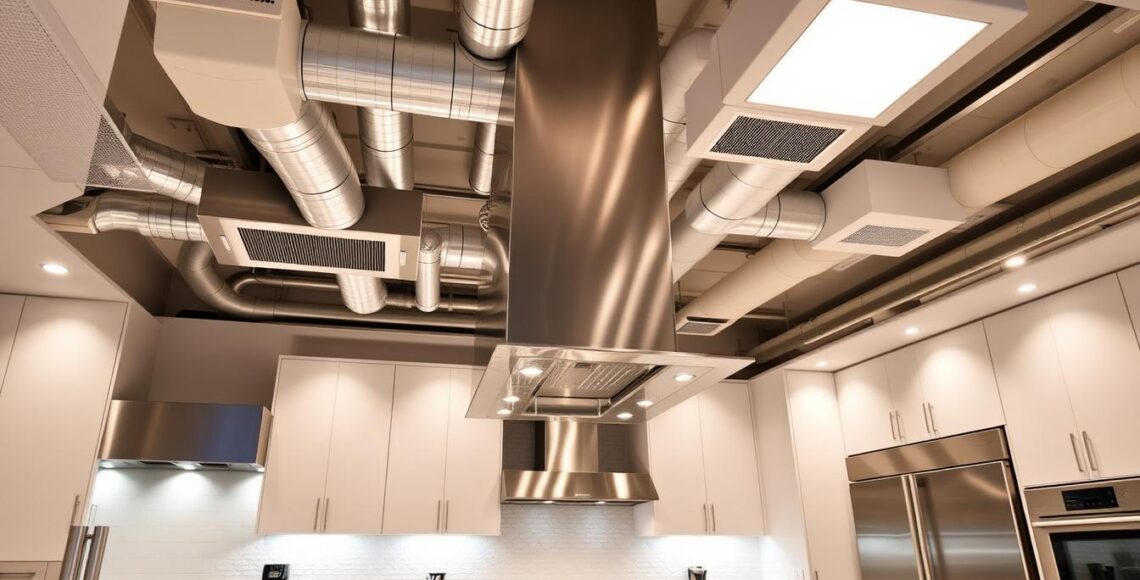
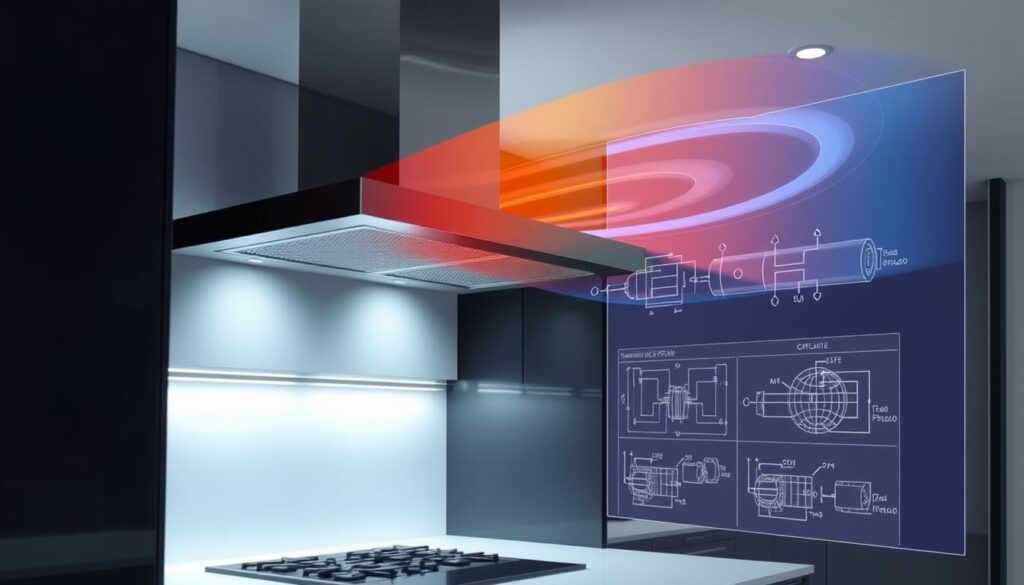
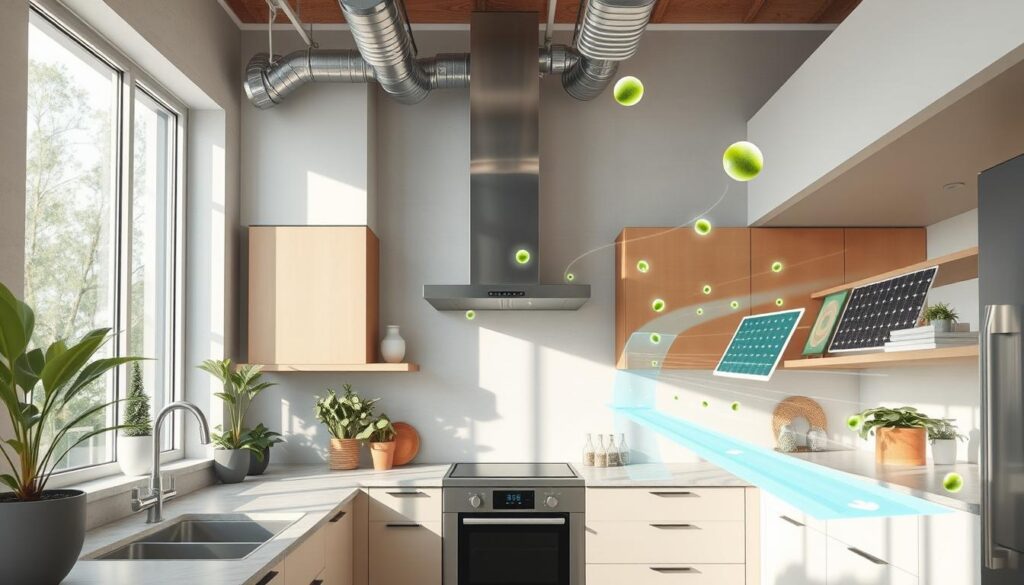
Comprehensive Kitchen Ventilation Engineering

We specialize in creating professional ventilation design solutions that meet the unique needs of each project, taking into account crucial factors such as airflow requirements and duct design to ensure efficient and effective ventilation systems.

Our team collaborates closely with architects and contractors to bridge the gap between architectural vision and manufacturing reality, providing expertise and precision to create functional, safe, and healthy kitchen spaces through meticulous ventilation design.

By considering key elements such as ventilation design, airflow requirements, and duct design, we can create comprehensive kitchen ventilation systems that meet the specific needs of each project, ultimately enhancing the overall quality and functionality of the space.

Key Takeaways

  • We provide professional ventilation design solutions tailored to each project’s unique needs.
  • Our team considers airflow requirements and duct design to ensure efficient ventilation systems.
  • Collaboration with architects and contractors is crucial in bridging architectural vision with manufacturing reality.
  • Effective ventilation design enhances the safety, health, and functionality of kitchen spaces.
  • Our expertise in ventilation design enables us to create comprehensive kitchen ventilation systems that meet specific project needs.
  • By integrating ventilation design, airflow requirements, and duct design, we can create high-quality kitchen spaces.

Understanding Kitchen Ventilation Fundamentals

When it comes to designing effective kitchen ventilation systems, understanding the fundamentals is crucial. We must consider the basic principles of air movement, including the flow of air, pressure, and velocity. This knowledge helps us design systems that meet the unique needs of each kitchen, taking into account ventilation fundamentals and airflow requirements.

A well-designed kitchen ventilation system is essential for maintaining a healthy and safe environment. Health and safety considerations are critical, as poor ventilation can lead to the spread of illnesses and accidents. By grasping these fundamentals, we can create systems that remove heat, moisture, and pollutants from the air, ensuring a safe and comfortable working environment.

Some key factors to consider when designing a kitchen ventilation system include:

  • Airflow rates and patterns
  • Heat and moisture removal
  • Pollutant removal and filtration
  • Noise reduction and acoustic management

By considering these factors and understanding ventilation fundamentals, airflow requirements, and health and safety considerations, we can design effective kitchen ventilation systems that meet the unique needs of each kitchen.

Essential Components of Professional Ventilation Design

When it comes to professional ventilation design, several key components must be considered to ensure a functional and efficient system. Effective duct design is crucial, as it directly impacts the overall performance of the ventilation system. Our team of experts takes into account factors such as duct size, material, and layout to minimize noise control issues and maximize airflow.

A well-designed ventilation system should also incorporate noise control measures to prevent unnecessary sound pollution. This can be achieved through the use of sound-absorbing materials, vibration isolation, and other specialized techniques. By prioritizing professional ventilation design, we can create systems that are both functional and quiet, providing a better working environment for occupants.

Some key considerations for professional ventilation design include:

  • Duct design and layout
  • Noise control measures
  • Airflow management and optimization
  • Material selection and quality

By carefully evaluating these factors and incorporating them into our designs, we can create ventilation systems that meet the unique needs of each space. Whether it’s a commercial kitchen or an industrial facility, our goal is to provide professional ventilation design solutions that are both effective and efficient.

Our team of experts is dedicated to delivering high-quality ventilation design solutions that prioritize duct design, noise control, and overall system performance. By working together, we can create spaces that are safe, healthy, and productive.

Advanced Airflow Calculation Methods

When it comes to designing effective ventilation systems, advanced airflow calculation methods are crucial. Our team uses load assessment techniques to determine the airflow requirements of each kitchen, taking into account factors such as cooking equipment, occupancy, and climate. This information is then used to inform our capacity planning, ensuring that our ventilation systems can handle the required airflow.

Airflow calculation is a critical step in this process, as it allows us to determine the optimal airflow rates for each kitchen. By using advanced calculation methods, we can create ventilation systems that are both efficient and effective. Some of the key considerations in airflow calculation include:

  • Heat gain from cooking equipment
  • Occupancy and ventilation rates
  • Climate and outdoor air requirements

By taking these factors into account, we can ensure that our ventilation systems meet the required performance metrics and standards, such as those set by ASHRAE and NFPA. This not only helps to improve indoor air quality but also reduces the risk of fire and other safety hazards.

airflow calculation

Our team is committed to using the latest advancements in airflow calculation and load assessment to design ventilation systems that meet the unique needs of each kitchen. By combining expertise with cutting-edge technology, we can create systems that are both efficient and effective, providing a safe and healthy environment for kitchen staff and patrons alike.

Strategic Duct System Engineering

As we delve into the world of kitchen ventilation, it becomes clear that duct system engineering plays a vital role in creating efficient and effective ventilation systems. Our team of experts considers factors such as duct size, material, and layout to ensure that our systems are both efficient and easy to install. This strategic approach enables us to minimize energy losses and maximize airflow, resulting in a more functional and efficient ventilation system.

Efficiency testing is a crucial step in our duct system engineering process. We conduct thorough tests to verify that our designs meet industry standards, ensuring that our systems are not only functional but also energy-efficient. By incorporating efficiency testing into our design process, we can identify potential issues and make necessary adjustments to optimize system performance.

Effective installation planning is also essential for a successful ventilation system. Our team works closely with architects and contractors to ensure that our systems are designed with installation in mind. This collaborative approach enables us to create systems that are easy to install, reducing the risk of errors and ensuring a smooth installation process.

Some key considerations in our duct system engineering process include:

  • Duct size and material selection
  • System layout and design
  • Efficiency testing and optimization
  • Installation planning and collaboration

By carefully considering these factors, we can create ventilation systems that are both functional and efficient, meeting the needs of our clients and exceeding industry standards.

Noise Control and Acoustic Management

Effective noise control and acoustic management are crucial components of a well-designed ventilation system. We prioritize noise control to minimize disruptions and ensure a comfortable environment. Our team employs various techniques, including sound attenuation and vibration control methods, to reduce noise levels.

By incorporating sound attenuation techniques, such as acoustic liners and silencers, we can significantly minimize noise levels. Additionally, we utilize vibration control methods, including flexible connections and vibration isolators, to reduce vibration and noise. This comprehensive approach enables us to create ventilation systems that are both functional and quiet.

Our team ensures compliance with local noise regulations, such as those set by OSHA and EPA, to guarantee that our designs meet industry requirements. We strive to create ventilation systems that not only meet but exceed these standards, providing a safe and healthy environment for occupants. By prioritizing noise control and acoustic management, we can create systems that are both efficient and quiet, ultimately enhancing the overall user experience.

Some key considerations for effective noise control and acoustic management include:

  • Sound attenuation techniques, such as acoustic liners and silencers
  • Vibration control methods, including flexible connections and vibration isolators
  • Compliance with local noise regulations, such as those set by OSHA and EPA

By carefully considering these factors and incorporating them into our design process, we can create ventilation systems that are both functional and quiet, providing a comfortable and healthy environment for occupants.

Energy Efficiency Optimization

We prioritize energy efficiency optimization in our ventilation system designs to create functional and sustainable solutions. Our team of experts considers factors such as fan selection, motor efficiency, and control strategies to minimize energy consumption. By conducting efficiency testing, we verify that our designs meet industry standards for energy efficiency and performance optimization.

Our approach to energy efficiency optimization involves a thorough analysis of the ventilation system’s components and their impact on overall energy consumption. We use industry-specific technical terms and clear explanations to design systems that balance energy efficiency with performance optimization. Some key considerations in our design process include:

  • Fan selection and sizing to ensure optimal airflow and energy efficiency
  • Motor efficiency and control strategies to minimize energy consumption
  • System commissioning and testing to verify performance and energy efficiency

By incorporating energy efficiency optimization into our designs, we can create ventilation systems that are both functional and environmentally friendly. Our goal is to provide solutions that meet the needs of our clients while also reducing their environmental footprint. energy efficiency optimization

Our expertise in energy efficiency optimization enables us to provide customized solutions that meet the unique needs of each project. We work closely with our clients to understand their requirements and develop tailored designs that balance energy efficiency with performance optimization. By choosing our services, clients can trust that their ventilation systems will be designed and installed with energy efficiency and sustainability in mind.

Design ConsiderationEnergy Efficiency Benefit
Fan selection and sizingOptimal airflow and reduced energy consumption
Motor efficiency and control strategiesMinimized energy consumption and extended system lifespan
System commissioning and testingVerified performance and energy efficiency

Installation and Implementation Guidelines

When it comes to installing and implementing ventilation systems, we understand the importance of careful planning and execution. Our team of experts provides pre-installation planning services, including site surveys and equipment selection, to ensure that our systems are installed efficiently and effectively.

Effective equipment placement is also crucial to minimize installation costs and maximize system performance. We employ strategies such as optimizing equipment location and layout to achieve this goal. By following our installation guidelines, we can create ventilation systems that are both functional and efficient.

Some key considerations for installation and implementation include:

  • Conducting thorough site surveys to determine the best equipment placement
  • Selecting the right equipment for the specific needs of the project
  • Developing a detailed installation plan to ensure a smooth and efficient process

By following these guidelines and considering these key factors, we can ensure that our ventilation systems are installed and implemented correctly, providing optimal performance and efficiency.

Installation StepDescription
Pre-installation planningConduct site surveys and select equipment
Equipment placementOptimize equipment location and layout
InstallationFollow detailed installation plan

Maintenance and Performance Monitoring

As we emphasize the importance of a well-designed ventilation system, we also recognize the need for regular maintenance and performance monitoring. Our team provides maintenance access to ensure that all components are easily reachable, simplifying maintenance procedures and minimizing downtime. This approach enables us to maximize system performance and extend the lifespan of the ventilation system.

Regular performance optimization is crucial to ensure that the ventilation system operates efficiently. We conduct efficiency testing to identify areas for improvement and implement necessary adjustments to meet industry standards. By doing so, we can guarantee that our ventilation systems provide optimal performance and reliability.

Some key aspects of our maintenance and performance monitoring services include:

  • Developing customized maintenance schedules
  • Conducting routine inspections and repairs
  • Providing training on system operation and maintenance

By incorporating maintenance and performance monitoring into our designs, we can create ventilation systems that are both functional and reliable, meeting the needs of architects and contractors seeking high-end custom solutions.

Conclusion: Ensuring Long-term Ventilation Success

Achieving long-term ventilation success requires a comprehensive approach that integrates expert design, meticulous installation, and proactive maintenance. At Baruchi Kitchens, our team of ventilation specialists works closely with architects and contractors to engineer systems that meet the unique demands of each project. By considering factors like airflow requirements, duct layout, and noise control, we create efficient and reliable ventilation solutions.

Crucial to our approach is the incorporation of maintenance access points and performance optimization strategies. This allows for easy system monitoring and targeted adjustments, ensuring the ventilation success and performance optimization over the lifetime of the installation. Through rigorous testing and compliance with industry standards, we can deliver maintenance access and guarantee the safety and well-being of the occupants.

By partnering with our clients, we bridge the gap between architectural vision and manufacturing reality, creating kitchen spaces that are not only functional but also contribute to the overall comfort and indoor air quality. Our expertise in ventilation engineering empowers us to deliver tailored solutions that exceed expectations and stand the test of time.

storage calculation

Technical Framework for Kitchen Storage Requirements

We understand the importance of a well-planned storage system in kitchen design, as it directly impacts the functionality and efficiency of the space. As we work together to create custom cabinetry manufacturing solutions, we recognize the need for precise calculations to ensure our designs meet the specific needs of our clients. This involves careful storage calculation and capacity planning to optimize the use of space.

Our goal is to provide a comprehensive guide to storage calculation, taking into account factors such as capacity planning and usage patterns. By doing so, we can help architects and contractors create high-end custom cabinetry solutions that meet the unique needs of their clients. Effective storage calculation is crucial in achieving this goal, as it enables us to determine the optimal capacity and configuration of storage solutions.

As we delve into the world of kitchen storage, we will explore the technical framework required to create functional and efficient spaces. Our approach will focus on balancing expertise with accessibility, providing clear explanations and measured statements backed by specific data. By considering factors such as storage calculation and capacity planning, we can create custom cabinetry solutions that bridge architectural vision with manufacturing reality.

Key Takeaways

  • Effective storage calculation is crucial in kitchen design
  • Capacity planning is essential for optimizing storage solutions
  • Usage patterns must be considered when designing storage systems
  • Precise calculations are necessary to ensure custom cabinetry meets client needs
  • Storage calculation and capacity planning are critical components of kitchen design
  • High-end custom cabinetry solutions require careful consideration of storage requirements
  • Our approach balances expertise with accessibility, providing clear explanations and practical examples

Understanding the Fundamentals of Kitchen Storage Planning

When it comes to designing a kitchen, storage planning is a crucial aspect to consider. We need to think about the usage patterns of the kitchen and how often certain items are accessed. This helps us determine the best way to organize the space and maximize storage capacity. By considering access frequency, we can create a more efficient and functional kitchen.

A well-planned kitchen storage system takes into account the different zones of the kitchen, such as the cooking zone, preparation zone, and storage zone. Each zone has its own unique requirements and usage patterns. For example, the cooking zone requires easy access to cooking utensils and ingredients, while the storage zone needs to accommodate less frequently used items.

Key Storage Zones in Modern Kitchens

Modern kitchens often feature several key storage zones, including:

  • Cooking zone: stores cooking utensils, pots, and pans
  • Preparation zone: stores ingredients, cutting boards, and knives
  • Storage zone: stores less frequently used items, such as special occasion dishes and cookbooks

Basic Measurement Principles

When designing a kitchen storage system, it’s essential to consider basic measurement principles, such as the height and depth of cabinets, as well as the width of countertops. These measurements will help determine the optimal storage capacity and accessibility of the kitchen.

Storage Hierarchy Concepts

A storage hierarchy is a system that categorizes items based on their usage patterns and access frequency. This helps to prioritize storage space and ensure that the most frequently used items are easily accessible. By implementing a storage hierarchy, we can create a more efficient and organized kitchen storage system.

Essential Tools and Methods for Storage Calculation

We use various tools and methods for storage calculation to create functional and efficient storage systems. Volume calculation is a crucial aspect of this process, as it helps us determine the amount of storage space needed. By considering the specific needs of each zone, we can apply zone organization principles to optimize storage capacity.

When designing a storage system, we consider the importance of kitchen storage in a small space and how it can be applied to larger areas. This involves calculating the volume of each storage module and organizing them into zones to maximize efficiency.

Some key considerations for storage calculation include:

  • Measuring the dimensions of each storage area
  • Calculating the volume of each storage module
  • Organizing storage modules into zones for optimal efficiency

By applying these principles and using the right tools and methods, we can create storage systems that are both functional and efficient, making the most of the available space and meeting the specific needs of each zone through effective zone organization and volume calculation.

Storage ModuleVolume CalculationZone Organization
Upper CabinetLength x Width x HeightKitchen Utensils
Base CabinetLength x Width x HeightCooking Essentials
PantryLength x Width x HeightFood Storage

Analyzing Kitchen Usage Patterns for Optimal Storage

To create an efficient kitchen storage system, we must analyze the usage patterns of the space. This involves understanding how the kitchen is used on a daily basis, including the frequency of access to different areas and the peak usage times. By examining these factors, we can design a storage system that meets the specific needs of the kitchen, reducing congestion and improving workflow.

One key aspect of analyzing kitchen usage patterns is assessing the traffic flow within the space. This includes identifying the most commonly used paths and areas, as well as any potential bottlenecks or congestion points. By understanding the traffic flow, we can design a storage system that minimizes obstacles and allows for easy movement throughout the kitchen.

Traffic Flow Assessment

A traffic flow assessment involves evaluating the movement of people within the kitchen, including the paths they take and the areas they frequent. This can be done by observing the kitchen in use or by creating a diagram of the space and mapping out the typical traffic patterns.

Frequency of Access Mapping

Frequency of access mapping involves identifying the areas of the kitchen that are used most frequently and designing the storage system accordingly. For example, items that are used daily, such as dishes and utensils, should be stored in easily accessible locations, while less frequently used items, such as special occasion dishes, can be stored in less accessible areas.

Peak Usage Time Considerations

Peak usage time considerations involve designing the storage system to accommodate the busiest times of day. For example, if the kitchen is most frequently used during breakfast and dinner, the storage system should be designed to facilitate easy access to the items needed during these times.

By analyzing kitchen usage patterns and considering factors such as traffic flow, frequency of access, and peak usage times, we can create a storage system that is tailored to the specific needs of the kitchen. This can help to reduce congestion, improve workflow, and make the kitchen a more efficient and enjoyable space to use. The usage patterns and access frequency of the kitchen are crucial in determining the optimal storage solution.

kitchen storage optimization

  • Store frequently used items in easy-to-reach locations
  • Use vertical storage to maximize space
  • Label storage containers to facilitate easy identification
  • Consider the workflow of the kitchen and design the storage system accordingly

By following these guidelines and carefully analyzing the usage patterns of the kitchen, we can create a storage system that is both functional and efficient, making the kitchen a more enjoyable and productive space to use.

Zone-Based Storage Organization Framework

We believe that a well-designed kitchen starts with a solid storage organization framework. This is where zone organization comes into play, allowing us to categorize storage into different zones, such as cooking, preparation, and storage. By doing so, we can create a more functional and efficient kitchen layout.

Effective category management is also crucial in this process. By grouping similar items together, we can improve accessibility and reduce clutter. This approach enables us to create a storage system that is both functional and easy to use. Some key considerations for category management include:

  • Grouping frequently used items together
  • Assigning a designated storage space for each category
  • Using labels and signage to facilitate easy identification

By implementing a zone-based storage organization framework and effective category management, we can create a kitchen that is not only beautiful but also highly functional.

Advanced Storage Calculation Techniques for Custom Cabinetry

When it comes to custom cabinetry, precise storage calculation is crucial for creating a functional and safe storage system. We consider the specific needs of our clients, taking into account the materials and construction methods used in our custom cabinetry to ensure they meet the highest standards of quality and durability. This involves careful volume calculation to determine the optimal storage capacity.

To achieve this, we employ advanced techniques such as capacity planning, which enables us to create a storage system that is tailored to our clients’ needs. By analyzing the volume-to-items ratio, we can ensure that the storage system is efficient and effective.

  • Volume-to-items ratio analysis
  • Clearance requirements
  • Weight distribution factors

By carefully considering these factors, we can create a custom cabinetry storage system that is both functional and safe.

Volume-to-Items Ratio Analysis

This involves calculating the optimal volume of storage needed to accommodate the items to be stored. By getting this ratio right, we can ensure that the storage system is efficient and effective.

Clearance Requirements

Adequate clearance is essential for safe and easy access to stored items. We take into account the size and shape of the items to be stored, as well as the space available, to determine the optimal clearance requirements.

Weight Distribution Factors

Weight distribution is critical in custom cabinetry storage systems, as it affects the stability and safety of the system. We carefully calculate the weight distribution of the stored items to ensure that the system can support the weight and maintain its structural integrity.

Implementing Category Management Systems

Effective kitchen storage planning involves implementing category management systems. This approach enables us to create a storage plan that is both flexible and adaptable, meeting the changing needs of our clients. By considering category management, we can ensure that our storage systems are organized and efficient.

Primary Storage Categories

Primary storage categories are the foundation of a well-organized kitchen. These categories include food, cookware, and dinnerware. By assigning a specific storage space for each category, we can maintain a clutter-free kitchen and make the most of our available space. Considering growth allowance is also crucial in this stage, as it allows us to accommodate future expansion and changes.

Secondary Storage Solutions

Secondary storage solutions are designed to support our primary storage categories. These solutions include baskets, bins, and drawers that can be used to store items such as spices, oils, and cleaning supplies. By incorporating secondary storage solutions, we can maximize our storage capacity and keep our kitchen organized.

Some key considerations for implementing category management systems include:

  • Assigning a specific storage space for each category
  • Using secondary storage solutions to support primary categories
  • Considering growth allowance to accommodate future expansion and changes

category management

Growth Allowance and Expansion Planning

As we design a storage system, it’s essential to consider the concept of growth allowance, which enables us to accommodate future expansion and changing needs. By incorporating a growth allowance into our capacity planning, we can create a flexible and adaptable storage plan that meets the evolving requirements of our clients.

When planning for growth allowance, we must consider the overall aesthetic and design of the kitchen, ensuring that our storage systems integrate seamlessly with the surrounding environment. This involves careful consideration of the kitchen’s layout, traffic flow, and frequency of access to different storage areas.

To effectively implement growth allowance and expansion planning, we can follow these key steps:

  • Assess the client’s current and future storage needs
  • Design a flexible storage system that can adapt to changing requirements
  • Incorporate a growth allowance into the capacity planning process

By taking a proactive approach to growth allowance and expansion planning, we can create storage systems that are both functional and aesthetically pleasing, meeting the unique needs of our clients and enhancing their overall kitchen experience.

Technical Specifications for Different Storage Types

When it comes to designing a functional and efficient storage system, we must consider the technical specifications for different storage types. This includes storage calculation and volume calculation to ensure that our storage systems meet the specific needs of our clients.

A thorough storage calculation is crucial in determining the optimal storage capacity for a given space. This involves assessing the available space, the type of items to be stored, and the frequency of access. By considering these factors, we can create a storage system that is both functional and efficient.

Upper Cabinet Calculations

Upper cabinet calculations involve determining the optimal height, width, and depth of the cabinets to maximize storage capacity. This requires careful consideration of the items to be stored, as well as the volume calculation to ensure that the cabinets are proportionate to the available space.

Base Cabinet Requirements

Base cabinet requirements involve assessing the type and quantity of items to be stored, as well as the frequency of access. This information is used to determine the optimal size and configuration of the base cabinets, taking into account the storage calculation and volume calculation to ensure a functional and efficient storage system.

Pantry Space Formulas

Pantry space formulas involve calculating the optimal storage capacity for a given pantry space. This requires consideration of the type and quantity of items to be stored, as well as the volume calculation to ensure that the pantry space is utilized efficiently. By applying these formulas, we can create a pantry space that is both functional and efficient.

Storage TypeStorage CalculationVolume Calculation
Upper CabinetHeight x Width x DepthLength x Width x Height
Base CabinetWidth x Depth x HeightLength x Width x Height
Pantry SpaceLength x Width x HeightVolume = Length x Width x Height

Integration of Smart Storage Solutions

We believe that effective storage systems are crucial for a functional and efficient kitchen. By incorporating smart storage solutions, we can create a space that is both flexible and adaptable, meeting the changing needs of our clients. This is where category management comes into play, allowing us to categorize and prioritize storage needs based on usage and importance.

A well-planned zone organization system is also essential, as it enables us to designate specific areas for different activities and storage needs. This approach helps to maximize space, reduce clutter, and improve overall workflow. By integrating smart storage solutions, we can create a seamless and efficient kitchen environment that enhances the cooking experience.

Some key considerations for integrating smart storage solutions include:

  • Assessing storage needs and categorizing items based on frequency of use
  • Designating specific zones for different activities and storage needs
  • Implementing a category management system to prioritize storage needs
  • Utilizing vertical space and optimizing storage capacity

By incorporating these strategies, we can create a kitchen environment that is both functional and aesthetically pleasing, meeting the unique needs of our clients. Our goal is to provide innovative and effective storage solutions that enhance the overall cooking experience.

Conclusion: Implementing Your Kitchen Storage Framework

In this final section, we have outlined a comprehensive technical framework to help you address your kitchen storage requirements effectively. By understanding the fundamental principles of storage planning, utilizing essential tools and methods, and analyzing usage patterns, you can create a highly efficient and functional storage system tailored to your specific needs.

The key to success lies in implementing a zone-based storage organization framework, leveraging advanced calculation techniques, and integrating smart storage solutions. Careful consideration of capacity planning, growth allowance, and technical specifications for different storage types will ensure your kitchen remains organized and adaptable over time.

Remember, a well-designed kitchen storage system not only improves workflow and reduces clutter but also enhances the overall functionality and value of your kitchen. By following the guidelines presented in this article, you can confidently create a storage framework that optimizes both your kitchen’s efficiency and your family’s lifestyle.

workflow optimization

Scientific Approach to Kitchen Workflow Design

We believe that a scientific approach to kitchen workflow design is crucial for optimizing commercial kitchen efficiency. By leveraging data-driven design processes, we can enhance workflow optimization and maximize productivity in commercial kitchens. Our goal is to provide architects and contractors with the expertise to create high-end custom cabinetry manufacturing solutions that meet the unique needs of commercial kitchens, ultimately improving commercial kitchen efficiency.

As we delve into the world of kitchen workflow design, it’s essential to consider the importance of workflow optimization in commercial kitchen settings. By understanding the principles of kitchen workflow design, we can create spaces that are not only functional but also efficient, leading to improved commercial kitchen efficiency.

Introduction to Workflow Optimization

Our team is committed to bridging the gap between architectural vision and manufacturing reality through precision and expertise. We recognize that commercial kitchen efficiency is critical to the success of any food service operation, and we’re dedicated to providing solutions that drive workflow optimization and productivity.

Key Takeaways

  • Implementing a scientific approach to kitchen workflow design can significantly improve commercial kitchen efficiency
  • Workflow optimization is critical to maximizing productivity in commercial kitchens
  • Data-driven design processes can enhance commercial kitchen efficiency
  • High-end custom cabinetry manufacturing solutions can meet the unique needs of commercial kitchens
  • Our team is committed to providing expertise in kitchen workflow design to drive commercial kitchen efficiency
  • Commercial kitchen efficiency is critical to the success of any food service operation
  • Workflow optimization is essential for improving productivity and efficiency in commercial kitchens

Understanding Kitchen Workflow Optimization Fundamentals

We recognize the importance of optimizing kitchen workflow to enhance productivity and efficiency. By analyzing movement patterns and implementing effective zone planning, we can streamline kitchen operations and reduce waste. This approach enables us to create a more functional and efficient kitchen design.

Key components of efficient kitchen design include a well-organized layout, adequate storage, and strategically placed equipment. By considering these factors, we can create a kitchen that supports smooth movement patterns and minimizes unnecessary movement. Effective zone planning also plays a crucial role in optimizing kitchen workflow, as it helps to separate different areas of the kitchen and reduce congestion.

Basic Principles of Commercial Kitchen Flow

In commercial kitchens, a well-designed workflow is essential for maintaining productivity and efficiency. This involves understanding the basic principles of commercial kitchen flow, including the movement of staff, ingredients, and equipment. By applying these principles, we can create a kitchen that is both functional and efficient.

Key Components of Efficient Kitchen Design

Efficient kitchen design involves several key components, including a well-organized layout, adequate storage, and strategically placed equipment. These components work together to support smooth movement patterns and minimize unnecessary movement. By considering these factors, we can create a kitchen that is both functional and efficient.

Impact of Workflow on Productivity

The impact of workflow on productivity cannot be overstated. A well-designed workflow can significantly enhance productivity, while a poorly designed workflow can lead to inefficiencies and waste. By understanding the importance of movement patterns and zone planning, we can create a kitchen that supports smooth workflow and maximizes productivity.

The Science Behind Movement Patterns in Commercial Kitchens

Understanding the science behind movement patterns in commercial kitchens is crucial for optimizing kitchen design and workflow. By conducting a thorough task analysis, we can identify areas of inefficiency and opportunities for improvement. This involves studying how staff move within the kitchen, how tasks are performed, and how equipment and layout impact workflow.

A key aspect of this analysis is distance optimization, which aims to reduce unnecessary movement and enhance efficiency. By strategically placing equipment, workstations, and storage areas, we can minimize travel distances and reduce fatigue among kitchen staff. This, in turn, can improve productivity, reduce errors, and enhance overall kitchen performance.

  • Time-motion studies to analyze staff movement and task performance
  • Layout design software to simulate and optimize kitchen layouts
  • Equipment placement guidelines to ensure efficient workflow

By applying these principles and techniques, we can create commercial kitchens that are optimized for efficiency, productivity, and safety. This not only benefits kitchen staff but also enhances the overall dining experience for customers.

Strategic Zone Planning for Maximum Efficiency

As we delve into the world of kitchen workflow design, it becomes clear that strategic zone planning is a crucial aspect of maximizing efficiency. By dividing the kitchen into distinct zones, we can optimize the flow of food preparation, cooking, and cleaning, ultimately impacting our efficiency metrics. Zone planning is an art that requires careful consideration of the kitchen’s layout, equipment, and staff movement patterns.

Our approach to zone planning involves creating a harmonious balance between different areas of the kitchen. This includes the hot zone, where cooking takes place, and the cold preparation areas, where ingredients are prepared. We also focus on storage and retrieval optimization, ensuring that essential items are easily accessible, and cleaning and sanitation zones, where staff can efficiently clean and sanitize equipment and surfaces.

Key Zones in Kitchen Workflow Design

  • Hot Zone: where cooking takes place
  • Cold Preparation Areas: where ingredients are prepared
  • Storage and Retrieval Optimization: ensuring easy access to essential items
  • Cleaning and Sanitation Zones: where staff can efficiently clean and sanitize equipment and surfaces

By implementing strategic zone planning, we can significantly improve our kitchen’s efficiency metrics, reducing waste, and increasing productivity. As industry experts, we understand the importance of balancing expertise with accessibility, providing practical solutions that cater to the unique needs of each kitchen. Our goal is to bridge the gap between architectural vision and manufacturing reality, providing high-end custom cabinetry manufacturing solutions that meet the highest standards of quality and efficiency.

Implementing Time-Motion Studies in Kitchen Operations

We recognize the importance of optimizing kitchen workflow to enhance efficiency and reduce staff fatigue. A key aspect of this optimization is the implementation of time-motion studies in kitchen operations. By analyzing the time and motion required for tasks, we can design kitchens that are more efficient and reduce the risk of staff fatigue and injury. This approach takes into account ergonomic considerations, ensuring that kitchen layouts and equipment are tailored to the needs of staff.

A time-motion study involves breaking down tasks into individual components and measuring the time required to complete each one. This data can then be used to identify areas for improvement and optimize kitchen workflows. For example, by analyzing the movement patterns of staff, we can identify opportunities to reduce walking distances and minimize unnecessary motion. This can be achieved through strategic placement of equipment and supplies, as well as the implementation of efficient storage and retrieval systems.

Some key benefits of implementing time-motion studies in kitchen operations include:

  • Improved efficiency and productivity
  • Reduced staff fatigue and injury
  • Enhanced customer satisfaction through faster service
  • Increased profitability through reduced labor costs and improved resource allocation

By incorporating time-motion study and ergonomic considerations into kitchen design, we can create workflows that are tailored to the needs of staff and optimized for efficiency. This approach requires a deep understanding of kitchen operations and the ability to analyze complex data. As experts in kitchen design and optimization, we are well-equipped to help you implement time-motion studies and create a more efficient and effective kitchen workflow.

time-motion study in kitchen operations

Ergonomic Design Principles for Kitchen Spaces

When designing kitchen spaces, we consider ergonomic considerations to create an environment that is safe, efficient, and comfortable for staff. This involves workstation height optimization, which is crucial in reducing the risk of accidents and improving overall productivity. By applying ergonomic design principles, we can bridge the gap between architectural vision and manufacturing reality, ultimately enhancing the kitchen workflow.

Ergonomic design principles are based on the understanding that a well-designed kitchen space can improve the overall efficiency and productivity of the staff. This includes equipment placement guidelines that take into account the workflow and movement patterns of the staff. By optimizing the placement of equipment, we can reduce the risk of accidents and improve the overall safety of the kitchen space.

To achieve this, we follow guidelines for ergonomic design in commercial kitchens, which include:

  • Workstation height optimization to reduce strain and improve comfort
  • Equipment placement guidelines to improve workflow and reduce accidents
  • Safety considerations in design to ensure a safe working environment

By incorporating these principles into our design, we can create kitchen spaces that are not only efficient and productive but also safe and comfortable for staff. This, in turn, can improve the overall quality of the food and service, ultimately enhancing the customer experience.

Distance Optimization Techniques

As we strive to enhance kitchen efficiency, distance optimization plays a crucial role in reducing unnecessary movement. By analyzing movement patterns, we can design kitchens that minimize travel distances, reduce fatigue, and increase productivity. This is achieved by strategically placing equipment, workstations, and storage areas to reduce the distance between them.

A well-designed kitchen layout can significantly impact the overall efficiency of the kitchen. For instance, placing frequently used items in easily accessible locations can save time and effort. Some key considerations for distance optimization include:

  • Placing cooking stations near food preparation areas
  • Positioning storage areas for easy access to frequently used ingredients
  • Optimizing the placement of cleaning and sanitation stations

By implementing these distance optimization techniques, kitchens can experience a significant reduction in movement and an increase in productivity. As we continue to explore ways to enhance kitchen efficiency, it’s essential to consider the impact of distance optimization on the overall workflow.

Measuring and Analyzing Kitchen Efficiency Metrics

To assess the performance of a commercial kitchen, we need to measure and analyze its efficiency metrics. This involves tracking key performance indicators such as labor productivity, food costs, and customer satisfaction. By understanding these metrics, we can identify areas for improvement and implement data-driven strategies to enhance overall efficiency.

Some of the key efficiency metrics to track include:

  • Food preparation time
  • Service time
  • Customer wait time
  • Inventory turnover
  • Waste reduction

These metrics can be measured using various data collection methods, such as manual observation, automated sensors, or software systems. Once the data is collected, it can be analyzed using performance analysis tools to identify trends and areas for improvement.

For example, a kitchen may find that its food preparation time is longer than expected due to inefficient workflow. By analyzing the data, the kitchen can identify the root cause of the issue and implement changes to improve workflow and reduce preparation time. This can lead to increased customer satisfaction, reduced labor costs, and improved overall efficiency.

By regularly measuring and analyzing kitchen efficiency metrics, commercial kitchens can optimize their operations, reduce costs, and improve customer satisfaction. This can be achieved by tracking key performance indicators, using data collection methods, and analyzing the data to identify areas for improvement.

Industry standards for measuring kitchen efficiency include tracking key performance indicators such as efficiency metrics and comparing them to industry benchmarks. By doing so, commercial kitchens can assess their performance, identify areas for improvement, and implement strategies to enhance their efficiency.

As we continue to discuss the importance of measuring and analyzing kitchen efficiency metrics, it’s essential to remember that these metrics are crucial in assessing the performance of a commercial kitchen. By tracking key performance indicators and using data collection methods, kitchens can identify areas for improvement and implement data-driven strategies to enhance their efficiency.

Technology Integration for Workflow Enhancement

We recognize the significance of technology integration in enhancing kitchen workflow, which is why we emphasize its importance in our approach to kitchen design and build processes. By leveraging technology, commercial kitchens can streamline operations, reduce manual labor, and improve efficiency. This is achieved through technology integration, which enables the optimization of tasks and enhances customer service.

Some key examples of technology integration in commercial kitchens include:

  • Automated inventory management systems
  • Smart kitchen appliances with scheduling capabilities
  • Mobile apps for ordering and payment processing

These technologies contribute to workflow optimization by minimizing wait times, reducing errors, and enhancing the overall dining experience. By adopting such technologies, commercial kitchens can stay competitive in a rapidly evolving market and improve their bottom line.

As we continue to navigate the complexities of kitchen workflow design, it’s essential to consider the role of technology in workflow optimization. By doing so, we can create more efficient, productive, and profitable commercial kitchens that meet the demands of an ever-changing industry.

technology integration

Staff Training for Optimal Workflow Adherence

Investing in staff training is crucial for commercial kitchens to ensure their teams work efficiently, safely, and effectively. We believe that by providing staff training, kitchens can optimize their workflow adherence, leading to increased productivity and success. Staff training encompasses various aspects, including movement pattern training, which focuses on optimizing the flow of staff within the kitchen to minimize unnecessary movement and maximize efficiency.

Some best practices for staff training in commercial kitchens include:

  • Providing regular training sessions to refresh staff on optimal workflow procedures
  • Encouraging open communication among staff to identify areas for improvement
  • Implementing efficiency monitoring systems to track and analyze workflow adherence

By incorporating movement pattern training into staff training programs, commercial kitchens can experience significant improvements in workflow efficiency. This, in turn, can lead to increased customer satisfaction, reduced wait times, and improved overall kitchen performance. As we emphasize the importance of staff training, we also recognize the need for continuous improvement protocols to ensure that kitchens stay up-to-date with the latest best practices and technologies.

Ultimately, investing in staff training is a critical step in optimizing workflow adherence and achieving success in commercial kitchens. By prioritizing staff training and movement pattern training, kitchens can position themselves for long-term success and growth.

Staff Training AspectBenefits
Movement Pattern TrainingOptimized workflow, reduced unnecessary movement, increased efficiency
Efficiency Monitoring SystemsImproved tracking and analysis of workflow adherence, data-driven decision making
Continuous Improvement ProtocolsStay up-to-date with latest best practices and technologies, ensure long-term success and growth

Return on Investment in Kitchen Workflow Design

We understand that investing in kitchen workflow design can be a significant decision, and it’s essential to consider the return on investment. A well-designed kitchen can lead to increased efficiency, productivity, and profitability. By optimizing the kitchen workflow, we can reduce labor costs, improve food quality, and enhance the overall dining experience.

Studies have shown that a optimized kitchen workflow design can result in a significant return on investment. For example, a case study by a leading restaurant chain found that implementing a new kitchen workflow design resulted in a 25% reduction in labor costs and a 15% increase in sales. This translates to a significant return on investment, making it a worthwhile consideration for any food service establishment.

  • Increased efficiency and productivity
  • Improved food quality and safety
  • Enhanced customer experience
  • Reduced labor costs and improved staff morale

By considering these benefits and weighing the potential return on investment, we can make informed decisions about investing in kitchen workflow design and optimization.

BenefitReturn on Investment
Increased Efficiency10-20%
Improved Food Quality5-15%
Enhanced Customer Experience15-25%

As we can see, the return on investment in kitchen workflow design can be significant, and it’s essential to consider these benefits when making decisions about investing in kitchen design and optimization.

Common Workflow Design Challenges and Solutions

We often encounter workflow design challenges in commercial kitchens, which can hinder efficiency and productivity. Two of the most significant challenges are workflow design challenges and space constraints management. Effective space constraints management is crucial to ensure a smooth workflow, even in the most demanding conditions.

Some common workflow design challenges include:

  • Insufficient storage and retrieval systems
  • Inadequate cleaning and sanitation zones
  • Poorly designed workstations and equipment placement

To overcome these challenges, we can implement solutions such as optimizing kitchen layouts, investing in efficient equipment, and providing staff training on workflow optimization techniques. By addressing these workflow design challenges and implementing effective space constraints management, commercial kitchens can improve their overall efficiency and productivity.

By understanding the common workflow design challenges and implementing effective solutions, we can create a more efficient and productive commercial kitchen. This, in turn, can lead to improved customer satisfaction, increased revenue, and a competitive edge in the market.

Conclusion: Implementing Your Scientific Kitchen Workflow Strategy

As we’ve explored throughout this article, adopting a scientific approach to kitchen workflow design can yield significant benefits for commercial kitchens. By understanding the fundamental principles of efficient movement patterns, strategic zone planning, and data-driven optimization, architects, contractors, and kitchen owners can create high-performance spaces that meet the demands of today’s culinary landscape.

The implementation of a scientific kitchen workflow strategy is a crucial step in enhancing productivity, reducing operational costs, and delivering an exceptional dining experience for customers. By integrating the techniques and insights discussed in this article, you can develop a comprehensive plan to implement your kitchen workflow strategy and unlock the full potential of your commercial kitchen.

Remember, the key to successful implementation lies in a holistic, data-driven approach that considers all aspects of kitchen operations, from equipment placement to staff training. By embracing a culture of continuous improvement and regularly evaluating your workflow metrics, you can continuously refine and optimize your kitchen’s performance, staying ahead of the curve in an ever-evolving industry.

corner solutions

Engineering Efficient Corner Cabinet Solutions

We specialize in custom cabinetry manufacturing, and we recognize the significance of efficient corner solutions in modern architecture. Our expertise enables us to create high-end custom cabinetry solutions that meet the needs of our clients, focusing on space utilization and mechanism selection to optimize corner cabinet solutions.

As we delve into the world of corner cabinet solutions, it’s essential to consider the latest industry trends and best practices. Our goal is to provide architects and contractors with the knowledge and expertise needed to create exceptional custom cabinetry solutions, emphasizing the importance of corner solutions in enhancing overall space utilization and incorporating effective mechanism selection.

By exploring the fundamental principles of corner solutions design and advanced space utilization techniques, we can help our clients achieve their vision. Our approach combines expertise with accessibility, ensuring that our solutions are both functional and aesthetically pleasing, with a focus on efficient corner cabinet solutions and informed mechanism selection.

Key Takeaways

  • Efficient corner cabinet solutions are crucial in modern architecture
  • Space utilization is a key factor in optimizing corner cabinet solutions
  • Mechanism selection plays a significant role in enhancing corner cabinet functionality
  • Our expertise in custom cabinetry manufacturing enables us to create high-end solutions
  • Corner solutions design and advanced space utilization techniques are essential for exceptional results
  • Our approach combines expertise with accessibility, ensuring functional and aesthetically pleasing solutions

Understanding Corner Space Dynamics in Modern Architecture

As we delve into the world of corner cabinet solutions, it’s essential to understand the dynamics of corner spaces in modern architecture. Corner spaces can be challenging to design and utilize efficiently, but with the right approach, they can become a valuable asset in any room. We believe that by optimizing access to these areas, we can create more functional and efficient spaces that meet the needs of our clients.

When it comes to corner spaces, storage calculation is crucial. By carefully planning the storage capacity of corner cabinets, we can maximize the use of available space and create a more organized and clutter-free environment. Additionally, weight distribution plays a significant role in ensuring the stability and safety of corner cabinets, particularly when they are loaded with heavy items.

Analyzing Corner Space Challenges

Some common challenges associated with corner spaces include limited accessibility, inadequate lighting, and poor ventilation. To overcome these challenges, we can employ various strategies, such as installing corner carousel units or lazy susans, which can improve access optimization and make it easier to reach items stored in these areas.

By understanding the dynamics of corner spaces and addressing the associated challenges, we can create more efficient and functional designs that enhance the overall user experience. As we continue to explore the world of corner cabinet solutions, we will discuss current industry trends and how they are influencing the design of these spaces.

Impact on Room Layout Efficiency

A well-designed corner space can have a significant impact on the overall efficiency of a room. By optimizing the use of corner spaces, we can create more functional and organized environments that improve productivity and reduce clutter. As we will discuss in the next section, a thorough understanding of corner space dynamics is essential for creating effective and efficient corner cabinet solutions.

Fundamental Principles of Corner Solutions Design

We believe that the design of corner cabinet solutions is critical to their efficiency and functionality. When it comes to corner solutions, it’s essential to consider the importance of space utilization. By optimizing the use of available space, we can create high-end custom cabinetry solutions that meet the needs of our clients.

One of the key principles of corner solutions design is mechanism selection. The right mechanism can make a significant difference in the functionality and accessibility of the corner cabinet. We consider factors such as the type of door or drawer, the hinge system, and the type of handle or pull to ensure that the corner solution is both functional and aesthetically pleasing.

Some of the benefits of well-designed corner solutions include:

  • Improved space utilization, making the most of available space
  • Enhanced functionality, with easy access to stored items
  • Aesthetically pleasing design, with a range of styles and finishes to choose from

By applying these fundamental principles of corner solutions design, we can create high-end custom cabinetry solutions that meet the needs of our clients and enhance the overall functionality and aesthetic of the room.

Corner Solution TypeSpace UtilizationMechanism Selection
Blind CornerOptimized for tight spacesSoft-close hinges and drawers
Diagonal CornerMaximizes storage capacityAdjustable shelves and baskets
L-Shaped CornerEfficient use of corner spaceSwing-out doors and drawers

Advanced Space Utilization Techniques

When designing corner cabinet solutions, it’s essential to consider advanced space utilization techniques to maximize storage capacity. This involves careful storage calculation to ensure that the available space is used efficiently. By optimizing storage capacity, we can create more functional and accessible corner cabinets that meet the needs of our clients.

Weight distribution is another critical factor to consider when designing corner cabinets. By carefully planning the weight distribution of the cabinet’s contents, we can create a more stable and secure storage solution. This is particularly important for heavy items, such as kitchen utensils or cleaning supplies, which can put a strain on the cabinet’s structure.

Movement patterns also play a significant role in the design of corner cabinets. By studying how users interact with the cabinet, we can design the storage solution to accommodate their needs. For example, by placing frequently used items in easy-to-reach locations, we can create a more user-friendly and efficient storage system. To learn more about luxury closet solutions and how they can be integrated with custom cabinetry, visit luxury closet design pages.

Some key considerations for advanced space utilization techniques include:

  • Maximizing vertical storage to make the most of available space
  • Using adjustable shelves to accommodate items of different sizes
  • Implementing a pull-out system to improve access to stored items

Mechanism Selection for Corner Cabinets

When it comes to designing corner cabinets, mechanism selection plays a crucial role in determining the overall efficiency and functionality of the space. We consider the importance of access optimization to ensure that the selected mechanism allows for smooth and effortless access to the stored items.

A well-designed corner cabinet should also take into account storage calculation to maximize the available space. By carefully selecting the right mechanism, we can create a corner cabinet that is both functional and aesthetically pleasing.

Some key factors to consider when selecting a mechanism for a corner cabinet include:

  • Space constraints
  • Weight capacity
  • Accessibility requirements

By carefully evaluating these factors and selecting the right mechanism, we can create a corner cabinet that meets the needs of our clients and provides a seamless user experience.

Weight Distribution and Structural Requirements

When designing corner cabinet solutions, it is essential to consider the weight distribution and structural requirements to ensure safety and functionality. This involves calculating the load-bearing capacity of the cabinet and selecting materials that can support the weight while allowing for smooth movement patterns.

Load-Bearing Calculations

Load-bearing calculations are critical in determining the weight distribution of the cabinet. This involves calculating the total weight of the cabinet, including the shelves, doors, and any other components, and ensuring that the cabinet can support this weight without compromising its structural integrity.

Material Selection Criteria

The selection of materials is also crucial in ensuring that the cabinet can support the weight and allow for smooth movement patterns. This involves choosing materials that are strong, durable, and can withstand the weight and stress of the cabinet.

Support System Design

A well-designed support system is essential in meeting the installation requirements of the cabinet. This involves designing a system that can support the weight of the cabinet and allow for easy installation and adjustment.

By considering these factors, we can create high-end custom cabinetry solutions that meet the needs of our clients and provide a safe and functional storage space.

Some key considerations for weight distribution and structural requirements include:

  • Calculating the load-bearing capacity of the cabinet
  • Selecting materials that can support the weight and allow for smooth movement patterns
  • Designing a support system that can meet the installation requirements

Movement Pattern Analysis and Optimization

When designing corner cabinet solutions, understanding user movement patterns is crucial. By analyzing how users interact with the space, we can optimize access optimization and create more efficient designs. This involves considering the flow of traffic and the placement of frequently used items to minimize obstacles and maximize convenience.

A key aspect of this process is storage calculation, which helps determine the optimal storage capacity for the given space. By carefully planning the storage layout, we can ensure that the corner cabinet solution meets the user’s needs while also providing a seamless user experience. For instance, a well-designed corner cabinet can provide easy access to frequently used items, making it a valuable addition to any kitchen.

movement patterns optimization

  • User interaction flows
  • Access path planning
  • Storage capacity and layout

By carefully analyzing and optimizing these elements, we can create corner cabinet solutions that are both functional and aesthetically pleasing, providing a superior user experience.

Installation Requirements and Best Practices

When it comes to corner cabinet solutions, installation requirements play a critical role in ensuring safety and functionality. We consider factors such as weight distribution and movement patterns to create high-end custom cabinetry solutions that meet the needs of our clients.

To achieve this, we follow best practices that include careful planning, precise measurements, and expert execution. This approach enables us to deliver corner cabinet solutions that are both aesthetically pleasing and highly functional.

Some key considerations for installation include:

  • Assessing the space to determine the optimal corner cabinet configuration
  • Ensuring proper weight distribution to maintain stability and safety
  • Designing the cabinet to accommodate natural movement patterns and user interaction

By focusing on these aspects, we can create corner cabinet solutions that not only meet but exceed our clients’ expectations.

Our team of experts works closely with architects and contractors to ensure seamless integration with existing cabinetry systems, resulting in a cohesive and functional space that enhances the overall user experience.

Integration with Existing Cabinetry Systems

When designing and installing corner cabinet solutions, it’s crucial to consider their integration with existing cabinetry systems. This involves assessing the compatibility of the new solution with the existing infrastructure, including the space utilization, mechanism selection, and access optimization. By doing so, we can ensure a seamless and efficient integration that enhances the overall functionality of the space.

To achieve this, we conduct thorough compatibility assessments, taking into account the materials, dimensions, and mechanisms used in the existing cabinetry system. This allows us to identify potential issues and develop effective transition solutions that minimize disruptions and ensure a unified design approach.

Key Considerations for Integration

  • Space utilization: maximizing storage capacity while maintaining accessibility
  • Mechanism selection: choosing the right hardware and mechanisms to ensure smooth operation
  • Access optimization: designing the cabinet layout to facilitate easy access and retrieval of items

By carefully considering these factors and adopting a unified design approach, we can create high-end custom cabinetry solutions that not only meet but exceed our clients’ expectations. Our goal is to bridge the gap between architectural vision and manufacturing reality, delivering precision-crafted solutions that enhance the functionality and aesthetic appeal of any space.

Through our expertise and commitment to excellence, we can help architects and contractors create exceptional spaces that showcase the perfect blend of form and function. By prioritizing space utilization, mechanism selection, and access optimization, we can ensure that our corner cabinet solutions integrate seamlessly with existing cabinetry systems, resulting in a cohesive and efficient design that meets the needs of our clients.

Performance Metrics and Quality Assurance

We consider performance metrics and quality assurance crucial to the efficiency and functionality of corner solutions. When designing and manufacturing corner cabinets, we focus on space utilization, mechanism selection, and access optimization to create high-end custom cabinetry solutions that meet our clients’ needs.

Our approach to corner solutions involves careful consideration of the following factors:

  • Space utilization: We aim to maximize storage capacity while maintaining a sleek and minimalist design.
  • Mechanism selection: We choose mechanisms that provide smooth and effortless access to stored items, ensuring a seamless user experience.
  • Access optimization: We design our corner solutions to provide easy access to stored items, reducing the need for unnecessary movement or strain.

By integrating these factors into our design and manufacturing process, we can create corner solutions that not only meet but exceed our clients’ expectations. Our commitment to quality assurance ensures that every corner cabinet solution we produce meets the highest standards of performance, durability, and aesthetic appeal.

As we strive to bridge architectural vision with manufacturing reality, we recognize the importance of balancing expertise with accessibility. Our goal is to provide corner solutions that are both functional and beautiful, making them an integral part of any room’s design.

corner solutions

By prioritizing performance metrics and quality assurance, we can ensure that our corner solutions provide long-term value and satisfaction to our clients. Whether you’re an architect or contractor, we invite you to explore our range of corner cabinet solutions and experience the difference that our expertise and commitment to quality can make.

Performance MetricsQuality Assurance
Space utilizationMaterial selection and testing
Mechanism selectionManufacturing process control
Access optimizationFinal product inspection and testing

Maintenance and Long-Term Sustainability

As we strive to create high-end custom cabinetry solutions, we must consider the importance of maintenance and long-term sustainability. This involves not only ensuring the initial quality of our products but also providing our clients with the knowledge and tools necessary to maintain them over time. By doing so, we can help extend the lifespan of our creations and reduce the need for frequent repairs or replacements.

Preventive Maintenance Schedules

To achieve this, we recommend establishing preventive maintenance schedules that take into account factors such as storage calculation, weight distribution, and movement patterns. By regularly inspecting and maintaining our cabinetry solutions, we can identify potential issues before they become major problems. This proactive approach can help prevent damage, reduce downtime, and minimize the need for costly repairs.

Component Longevity Factors

In addition to preventive maintenance, we must also consider component longevity factors when designing and manufacturing our custom cabinetry solutions. This includes selecting materials and components that are durable, reliable, and resistant to wear and tear. By carefully evaluating factors such as storage calculation, weight distribution, and movement patterns, we can create products that are built to last and provide our clients with years of trouble-free service.

Conclusion: Future-Proofing Your Corner Cabinet Solutions

As we conclude our comprehensive exploration of corner solutions, space utilization, and mechanism selection, it is clear that the design and engineering of custom cabinetry requires a multifaceted approach. By embracing the principles and techniques discussed throughout this article, architects and contractors can create innovative and future-proof corner cabinet solutions that seamlessly integrate with their clients’ needs and architectural visions.

The key lies in a deep understanding of space dynamics, a meticulous focus on access optimization, and a commitment to selecting the right mechanisms and materials. Through thoughtful planning, rigorous performance assessments, and a keen eye for long-term sustainability, we can empower the custom cabinetry industry to deliver solutions that stand the test of time.

At the heart of this endeavor is a shared mission to bridge the gap between architectural design and manufacturing realities, ensuring that every corner cabinet solution not only fulfills its functional purpose but also enhances the overall aesthetic and flow of the space. By embracing this holistic approach, we can continue to push the boundaries of what is possible in the world of custom cabinetry, paving the way for a future where efficiency, accessibility, and timeless beauty converge seamlessly.

appliance integration

Technical Guide to Seamless Appliance Integration

We specialize in high-end custom cabinetry, and we understand the importance of seamless appliance integration in our designs. Appliance integration is a critical aspect of custom cabinetry, as it requires careful planning and execution to ensure a functional and aesthetically pleasing result. Our goal is to provide a comprehensive guide to professional installation standards, focusing on the technical aspects of integrating appliances into custom cabinetry.

As experts in custom cabinetry, we recognize that appliance integration is a key factor in creating a cohesive and functional space. By mastering the art of appliance integration, architects and contractors can create high-end custom cabinetry that meets the needs of their clients. In this article, we will explore the technical aspects of appliance integration, including the benefits and challenges of built-in solutions, and provide practical tips and guidelines for successful implementation.

Our approach to appliance integration is centered on precision and expertise, with a focus on bridging the gap between architectural vision and manufacturing reality. We believe that by working together, architects, contractors, and manufacturers can create custom cabinetry that is both beautiful and functional. In the following sections, we will delve into the details of appliance integration, including planning, installation, and maintenance.

Key Takeaways

  • Seamless appliance integration is critical to high-end custom cabinetry
  • Appliance integration requires careful planning and execution
  • Mastering appliance integration can create a cohesive and functional space
  • Precision and expertise are essential to successful appliance integration
  • Collaboration between architects, contractors, and manufacturers is key to success
  • Custom cabinetry with integrated appliances can enhance the overall aesthetic and functionality of a space

Understanding Appliance Integration Fundamentals

As we delve into the world of appliance integration, it’s essential to grasp the underlying principles that govern this complex process. At its core, appliance integration involves the seamless incorporation of various appliances into a unified system, ensuring efficient operation and optimal performance. To achieve this, we must consider critical factors such as ventilation requirements and power planning, as they play a vital role in determining the success of the integration process.

Proper ventilation requirements are crucial for removing heat and moisture from appliances, thereby preventing damage and ensuring a safe operating environment. Similarly, power planning is essential for guaranteeing that the electrical infrastructure can support the appliances’ power requirements, thus preventing overload and potential hazards. By carefully considering these factors, we can create a harmonious and efficient appliance integration system.

Types of Integrated Appliances

There are various types of integrated appliances, each with its unique characteristics and requirements. These include:

  • Refrigeration units
  • Cooking appliances
  • Dishwashing machines
  • Heating and cooling systems

Benefits of Built-in Solutions

Built-in solutions offer numerous benefits, including enhanced aesthetic appeal, improved functionality, and increased efficiency. By integrating appliances into a unified system, we can create a cohesive and streamlined environment that meets the needs of users while minimizing energy consumption and reducing waste.

Common Integration Challenges

Despite the benefits of appliance integration, there are common challenges that arise during the process. These include compatibility issues, space constraints, and ventilation requirements. By understanding these challenges and developing effective strategies to address them, we can ensure a successful integration process that meets the needs of users and exceeds their expectations.

Essential Pre-Installation Planning Steps

When it comes to appliance integration, careful planning is crucial to ensure a seamless and functional installation. We emphasize the importance of measuring the space, selecting the right appliances, and planning the electrical and plumbing infrastructure. This stage is critical in achieving a successful custom cabinetry project.

To begin, we consider the overall aesthetic and functional goals of the project. This involves assessing the available space, determining the optimal layout, and choosing appliances that fit the desired design and functionality. By doing so, we can ensure that the final result meets the client’s expectations and requirements.

Some key considerations during the pre-installation planning stage include:

  • Assessing the electrical and plumbing infrastructure to ensure it can support the chosen appliances
  • Measuring the space to determine the optimal layout and appliance placement
  • Selecting appliances that fit the desired design and functionality
  • Planning for ventilation and clearance requirements

By following these essential pre-installation planning steps, we can ensure a successful appliance integration project that meets the client’s needs and exceeds their expectations. Our team of experts is dedicated to providing high-quality custom cabinetry solutions that combine functionality and aesthetics.

Comprehensive Power Planning and Electrical Requirements

When it comes to appliance integration, power planning is a critical aspect that cannot be overlooked. We must consider the electrical requirements of each appliance, including circuit load calculations and outlet placement strategies. Proper clearance specifications are also essential to prevent overheating and reduce the risk of electrical fires.

Effective power planning involves calculating the total circuit load to ensure that the electrical system can handle the demand. This includes considering the power requirements of each appliance, as well as any potential backup power considerations. By doing so, we can ensure safe and efficient appliance operation, while also reducing the risk of electrical hazards. Heat management is also crucial, as excessive heat can damage appliances and compromise their performance.

  • Conduct thorough circuit load calculations to determine the total electrical demand.
  • Develop a strategic outlet placement plan to ensure safe and convenient access to power.
  • Consider backup power options, such as generators or uninterruptible power supplies, to ensure continuous operation in the event of a power outage.

By following these guidelines and considering the importance of clearance specifications and heat management, we can ensure that our appliance integration projects are safe, efficient, and effective.

Mastering Ventilation Requirements for Built-in Appliances

When it comes to appliance integration, ventilation is a critical aspect to consider. Proper ventilation is essential for maintaining good indoor air quality and reducing moisture buildup. We will discuss the importance of mastering ventilation requirements for built-in appliances, including the types of ventilation systems and installation considerations.

There are several types of ventilation systems that can be used for built-in appliances, including range hoods, exhaust fans, and whole-house ventilation systems. Each type of system has its own unique characteristics and benefits. For example, range hoods are designed to capture grease and moisture from cooking, while exhaust fans are designed to remove stale air from the kitchen.

Some key considerations for ventilation requirements include:

  • Ventilation rates: The rate at which air is exchanged in the kitchen or other room where the appliance is installed.
  • Installation considerations: The location and type of ventilation system, as well as any local building codes or regulations.
  • Appliance integration: The way in which the ventilation system is integrated with the built-in appliance, such as a range or cooktop.

By mastering ventilation requirements and appliance integration, we can create a healthier and more efficient kitchen environment. This includes reducing moisture buildup, improving indoor air quality, and increasing the overall performance of the appliance.

ventilation requirements

Ventilation SystemVentilation RateInstallation Considerations
Range Hood100-200 CFMInstalled above range or cooktop
Exhaust Fan50-100 CFMInstalled in kitchen or bathroom
Whole-House Ventilation System200-500 CFMInstalled in attic or crawl space

Critical Clearance Specifications and Space Management

When it comes to appliance integration, clearance specifications and space management are crucial for safe and efficient operation. We consider the importance of maintenance access in ensuring easy maintenance and repair of appliances. Proper clearance specifications also enable panel matching, which is essential for a seamless and aesthetically pleasing installation.

To achieve this, we plan the space carefully, taking into account the minimum distance requirements between appliances and other components. This includes access point planning, which involves strategically locating access points for maintenance and repair. By doing so, we can ensure that appliances are easily accessible, reducing the risk of damage or injury.

Future maintenance considerations are also critical in the planning process. We consider the type of maintenance that may be required, such as filter cleaning or replacement, and plan the space accordingly. This includes providing adequate clearance for panel matching and ensuring that access points are easily accessible.

Minimum Distance Requirements

  • Appliances should be installed at a minimum distance of 3 inches from any combustible material.
  • A minimum clearance of 1 inch should be maintained between appliances and any adjacent surfaces.

Access Point Planning

Access points should be strategically located to enable easy maintenance and repair. This includes providing adequate clearance for tools and equipment.

Professional Appliance Integration Techniques

When it comes to achieving seamless custom cabinetry and appliance integration, precision and expertise are essential. We use various techniques to ensure a professional-grade finish, including cabinet modification methods, alignment procedures, and securing mechanisms.

Our team of experts has extensive experience in appliance integration, and we understand the importance of attention to detail. We work closely with architects and contractors to ensure that our custom cabinetry solutions meet their specific needs and requirements.

Cabinet Modification Methods

We use a range of cabinet modification methods to ensure a perfect fit for our appliances. These methods include:

  • Custom cutting and shaping of cabinets
  • Adjustment of cabinet sizes and configurations
  • Installation of specialized hardware and fixtures

By using these methods, we can ensure that our custom cabinetry solutions are tailored to meet the specific needs of our clients.

Alignment Procedures

Proper alignment is critical to ensuring that our appliances function correctly and safely. We use specialized tools and techniques to ensure that our appliances are properly aligned and secured.

Our team of experts is dedicated to providing the highest level of service and support, from initial consultation to final installation. We work closely with our clients to ensure that their custom cabinetry and appliance integration needs are met, and that they are completely satisfied with the final result.

TechniqueDescription
Cabinet ModificationCustom cutting and shaping of cabinets to fit appliances
Alignment ProceduresSpecialized tools and techniques to ensure proper alignment and securing of appliances
Securing MechanismsInstallation of specialized hardware and fixtures to secure appliances in place

Advanced Heat Management Solutions

As we delve into the world of appliance integration, it becomes clear that heat management is a critical aspect of the process. Proper heat management is essential for ensuring the optimal performance and longevity of integrated appliances. We specialize in providing customized heat management solutions, tailored to the specific needs of each client.

Our approach to heat management involves a combination of thermal insulation, ventilation systems, and heat sinks. By carefully selecting and installing these components, we can effectively manage heat generated by high-heat appliances, reducing the risk of damage and improving overall system efficiency. This is particularly important in appliance integration, where multiple appliances are often installed in close proximity.

Some of the benefits of proper heat management in appliance integration include:

  • Improved appliance performance
  • Reduced energy consumption
  • Increased system reliability
  • Enhanced safety

By prioritizing heat management in our appliance integration solutions, we can create systems that are not only functional and efficient but also safe and reliable. Our team of experts is dedicated to providing customized heat management solutions that meet the unique needs of each client, ensuring optimal performance and longevity of integrated appliances.

Custom Panel Matching and Aesthetic Integration

When it comes to custom cabinetry, achieving a seamless look is crucial. This is where custom panel matching comes into play. By selecting the right materials and matching the color and texture of the panels to the surrounding cabinetry, we can create a cohesive and professional-grade finish.

Material selection is a critical aspect of custom panel matching. We consider factors such as durability, maintenance, and aesthetic appeal when choosing the materials for our custom cabinetry. For example, wood veneer can add a touch of elegance to the design, while laminate can provide a more affordable and low-maintenance option.

Key Considerations for Custom Panel Matching

  • Material selection: choosing the right materials for the panels and cabinetry
  • Color and texture matching: ensuring a cohesive look by matching the color and texture of the panels to the surrounding cabinetry
  • Hardware coordination: selecting hardware that complements the design and functionality of the custom cabinetry

By paying attention to these details, we can create custom cabinetry that not only looks great but also functions flawlessly. With our expertise in panel matching and custom cabinetry, we can help architects and contractors bring their vision to life.

custom panel matching

Performance Optimization Strategies

As we strive for seamless appliance integration, performance optimization plays a vital role in ensuring our integrated appliances function at their best. By focusing on performance optimization, we can improve the overall lifespan of our appliances and reduce energy consumption. This is where appliance integration comes into play, as it enables us to create a harmonious and efficient system.

Our approach to performance optimization involves a combination of techniques, including airflow management, energy efficiency tips, and noise reduction methods. By implementing these strategies, we can create an environment that allows our appliances to perform optimally, resulting in a better user experience and reduced maintenance costs.

Airflow Management

Airflow management is critical in maintaining the performance of our integrated appliances. Proper airflow helps to prevent overheating, reduces noise levels, and improves overall efficiency. We recommend ensuring that there is sufficient clearance around appliances and that vents are not obstructed, allowing for optimal airflow.

Energy Efficiency Tips

To optimize energy efficiency, we suggest using appliances with high Energy Star ratings and implementing smart home technology to monitor and control energy usage. Additionally, regular maintenance of appliances can help to prevent energy waste and reduce consumption. By adopting these energy efficiency tips, we can minimize our environmental footprint while reducing energy costs.

Noise Reduction Techniques

Noise reduction is another essential aspect of performance optimization. We recommend using noise-reducing materials, such as sound-absorbing panels, and ensuring that appliances are properly installed and balanced to minimize vibration. By implementing these noise reduction techniques, we can create a more comfortable and peaceful living environment.

By incorporating these performance optimization strategies into our appliance integration plans, we can create a more efficient, sustainable, and enjoyable living space. As we continue to innovate and improve our integration methods, we remain committed to providing the best possible solutions for our clients, focusing on performance optimization and appliance integration.

StrategyBenefits
Airflow ManagementImproved efficiency, reduced noise
Energy Efficiency TipsReduced energy consumption, lower costs
Noise Reduction TechniquesImproved comfort, reduced disturbance

Maintenance Access Planning and Design

When it comes to appliance integration, maintenance access is a crucial aspect to consider. We believe that easy maintenance and repair of appliances are essential for ensuring their longevity and optimal performance. To achieve this, appliance integration must be carefully planned and designed.

Some key considerations for maintenance access planning include:

  • Designing accessible panels and doors to allow for easy maintenance and repair
  • Providing sufficient clearance around appliances for comfortable maintenance and repair
  • Ensuring that maintenance access points are clearly marked and easily accessible

By prioritizing maintenance access planning and design, we can ensure that our appliance integration solutions are not only functional and efficient but also easy to maintain and repair. This is particularly important for appliance integration projects, where maintenance access can make all the difference in the long run.

At our company, we understand the importance of maintenance access and appliance integration in ensuring the overall success of a project. That’s why we work closely with our clients to design and implement customized maintenance access solutions that meet their unique needs and requirements.

Troubleshooting Common Integration Issues

When it comes to appliance integration, we often encounter common issues that can hinder the seamless execution of our design plans. These issues can range from installation problems to performance concerns and aesthetic challenges. In our experience, addressing these challenges requires a deep understanding of appliance integration and custom cabinetry.

Some common integration issues include:

  • Improper measurement and sizing of appliances
  • Inadequate ventilation and clearance
  • Insufficient power supply and electrical requirements

To overcome these challenges, we employ a range of strategies, including careful planning, precise measurement, and collaboration with our clients. By working together, we can ensure that our custom cabinetry and appliance integration solutions meet the highest standards of quality and functionality.

By troubleshooting common integration issues and providing effective solutions, we can create custom cabinetry and appliance integration solutions that exceed our clients’ expectations. Our expertise in appliance integration and custom cabinetry enables us to deliver high-quality results that enhance the overall aesthetic and functionality of any space.

Common IssueSolution
Improper measurement and sizingPrecise measurement and sizing
Inadequate ventilation and clearanceProper ventilation and clearance planning
Insufficient power supply and electrical requirementsAdequate power supply and electrical planning

Conclusion: Achieving Professional-Grade Appliance Integration

In conclusion, seamless appliance integration requires a steadfast commitment to precision, attention to detail, and a deep understanding of the technical nuances involved. By carefully planning power requirements, ensuring proper ventilation, and meticulously managing clearance specifications, we can create integrated solutions that not only function flawlessly but also seamlessly blend with the custom cabinetry design.

Throughout this guide, we’ve explored the essential steps and strategies necessary to achieve professional-grade results. From pre-installation planning to advanced heat management techniques, each section has provided valuable insights and practical advice to help you navigate the complexities of appliance integration. By applying these principles, you can elevate your projects, delivering exceptional outcomes that exceed your clients’ expectations.

Remember, successful integration is not just about the technical aspects – it’s also about maintaining a keen eye for aesthetics and functionality. By carefully selecting materials, coordinating colors and textures, and optimizing performance, you can create built-in solutions that seamlessly blend form and function, elevating the overall design aesthetic.

As you embark on your next appliance integration project, embrace the knowledge and best practices outlined in this comprehensive guide. With a steadfast commitment to quality and a willingness to adapt to the unique challenges of each project, you’ll be well on your way to achieving the level of integration that distinguishes true industry leaders.

small kitchen design

Space Optimization: Engineering Compact Kitchen Solutions

We specialize in creating high-end custom cabinetry manufacturing solutions, focusing on space efficiency in small kitchen design. As we bridge architectural vision with manufacturing reality, our goal is to provide solutions that meet the needs of architects and contractors, optimizing space in compact kitchens. For inspiration, consider exploring space efficiency tips to enhance your kitchen’s functionality.

Our approach to small kitchen design emphasizes the importance of engineering compact kitchen solutions, ensuring that every element, from cabinetry to appliances, contributes to a cohesive and functional space. By prioritizing space efficiency, we can create kitchens that are not only aesthetically pleasing but also highly functional.

Key Takeaways

  • Optimizing space in small kitchen design is crucial for functionality and aesthetic appeal.
  • Engineering compact kitchen solutions requires careful consideration of every element, from cabinetry to appliances.
  • Prioritizing space efficiency can lead to highly functional and visually appealing kitchens.
  • Custom cabinetry manufacturing solutions can help bridge architectural vision with manufacturing reality.
  • High-end custom cabinetry can enhance the overall look and feel of a compact kitchen.
  • Small kitchen design requires a focus on practical problem-solving and expertise.
  • Effective space optimization can make a significant difference in the usability and enjoyment of a kitchen.

Understanding the Challenges of Limited Kitchen Space

We often face challenges in urban homes where kitchen space is limited. This can impact the functionality and workflow of the kitchen, making it difficult to prepare meals efficiently. To address these challenges, we need to identify priority areas for improvement, focusing on storage maximization and workflow optimization.

Some common space constraints in urban homes include narrow aisles, limited counter space, and inadequate storage. These constraints can be addressed through clever design and engineering, such as installing wall-mounted shelves, using multi-tiered storage solutions, and optimizing the layout of the kitchen to improve workflow.

Common Space Constraints in Urban Homes

  • Narrow aisles and limited mobility
  • Limited counter space and inadequate storage
  • Inefficient layout and workflow

Impact on Functionality and Workflow

The impact of limited kitchen space on functionality and workflow can be significant. It can lead to increased preparation time, reduced productivity, and a higher risk of accidents. By optimizing the layout and design of the kitchen, we can improve workflow and reduce these risks.

Identifying Priority Areas for Improvement

To improve the functionality and workflow of a kitchen with limited space, we need to identify priority areas for improvement. This includes optimizing storage, improving the layout, and selecting space-efficient appliances. By focusing on storage maximization and workflow optimization, we can create a more efficient and productive kitchen.

Area of ImprovementStorage MaximizationWorkflow Optimization
Counter SpaceInstall wall-mounted shelvesOptimize layout for efficient workflow
StorageUse multi-tiered storage solutionsSelect space-efficient appliances

The Science of Small Kitchen Design

When it comes to small kitchen design, we must consider the science behind creating a functional and visually appealing space. This involves appliance integration, which requires careful planning to ensure that all necessary appliances fit seamlessly into the kitchen. By integrating appliances in a way that maximizes space, we can create a more efficient workflow and improve the overall functionality of the kitchen.

To achieve visual expansion, we can use various techniques such as lighting, color, and texture. For example, using light-colored surfaces and installing additional lighting can create the illusion of a larger space. Additionally, incorporating mirrors or other reflective surfaces can help to bounce light around the kitchen, making it feel more spacious.

Some key considerations for small kitchen design include:
* Measuring the space carefully to determine the best layout
* Selecting appliances that are compact and energy-efficient
* Using vertical storage solutions to maximize storage space
* Incorporating multi-functional elements, such as a kitchen island with built-in storage

By applying the principles of small kitchen design, we can create a space that is both functional and beautiful, even in the smallest of kitchens. With careful planning and attention to detail, we can make the most of the available space and create a kitchen that meets our needs and exceeds our expectations.

Design ElementBenefits
Appliance IntegrationMaximizes space, improves workflow
Visual ExpansionCreates illusion of larger space, improves ambiance

Maximizing Vertical Storage Solutions

As we strive for storage maximization in small kitchens, it’s essential to consider the often-overlooked vertical space. By utilizing wall-mounted organization systems, we can keep countertops clear and create a more streamlined workflow, ultimately contributing to functionality preservation. This approach allows us to make the most of the available space, ensuring that every element, from cookware to dinnerware, has its designated place.

Wall-Mounted Organization Systems

Wall-mounted shelves, hooks, and baskets are excellent examples of storage solutions that can be easily installed to maximize vertical space. These systems can be customized to fit specific needs, such as storing frequently used items like spices, oils, or cleaning supplies, thus enhancing functionality preservation. By keeping these essentials within easy reach, we can optimize our kitchen’s workflow and reduce clutter.

Ceiling-Height Cabinet Optimization

Ceiling-height cabinets are another effective way to achieve storage maximization. By installing cabinets that reach the ceiling, we can significantly increase storage capacity while maintaining a sense of openness in the kitchen. This approach also helps to keep less frequently used items out of the way, ensuring that our kitchen remains clutter-free and functional.

By implementing these vertical storage solutions, we can create a more efficient and organized kitchen that supports our cooking and dining needs, all while preserving the functionality of the space.

Engineering Corner Space Utilization

We recognize the importance of maximizing space efficiency in small kitchens, particularly when it comes to corner spaces. By engineering corner space utilization, we can significantly improve movement patterns and overall workflow. This can be achieved through the use of custom cabinetry, such as carousel units or lazy susans, which allow for easy access to stored items.

Some key considerations for engineering corner space utilization include:

  • Measuring the corner space to determine the best type of cabinetry or storage solution
  • Selecting materials and finishes that complement the surrounding kitchen design
  • Ensuring that the chosen solution does not obstruct movement patterns or workflow

By carefully planning and executing corner space utilization, we can create a more functional and efficient kitchen space. This, in turn, can enhance the overall cooking and dining experience, making it more enjoyable and convenient for users. As we strive to bridge architectural vision with manufacturing reality, we prioritize space efficiency and movement patterns to create high-end custom cabinetry solutions that meet the unique needs of each client.

Our approach to engineering corner space utilization is centered around the principles of space efficiency and movement patterns. By applying these principles, we can create kitchen spaces that are not only functional but also visually appealing and comfortable to use.

Corner Space SolutionBenefits
Carousel UnitsEasy access to stored items, maximized storage capacity
Lazy SusansConvenient access to frequently used items, reduced clutter
Custom CabinetryTailored to meet specific needs, enhanced aesthetic appeal

Smart Appliance Integration Strategies

When it comes to designing a small kitchen, appliance integration is crucial for maximizing space and optimizing workflow optimization. By selecting the right appliances and integrating them seamlessly into the kitchen design, we can create a more efficient and functional cooking space.

Space-Efficient Appliance Selection

To achieve space-efficient appliance selection, consider the following factors:

  • Compact appliance sizes
  • Energy-efficient models
  • Multifunctional appliances

These factors can help reduce the overall footprint of the appliances, making the kitchen feel more spacious.

Built-in Solutions for Seamless Integration

Built-in solutions, such as built-in ovens and microwaves, can provide seamless integration with the surrounding cabinetry and countertops. This not only saves space but also creates a more streamlined look.

Multi-functional Appliance Considerations

Multi-functional appliances, such as a combination oven and microwave, can help reduce clutter and optimize workflow optimization in the kitchen. By considering these factors, we can create a more efficient and functional cooking space that meets the needs of homeowners.

Workflow Optimization Through Strategic Layout

As we strive to create efficient and functional kitchen spaces, workflow optimization becomes a crucial aspect of the design process. By strategically planning the layout of the kitchen, we can significantly improve the overall workflow, making it easier to prepare and cook meals. This, in turn, contributes to functionality preservation, ensuring that the kitchen remains a functional and enjoyable space.

To achieve workflow optimization, it’s essential to consider the specific needs and habits of the kitchen users. This can be done by creating a list of priorities, such as:

  • Identifying the most frequently used appliances and tools
  • Designating specific areas for food preparation and cooking
  • Optimizing storage solutions to minimize clutter and maximize accessibility

By implementing these strategies, we can create a kitchen layout that not only preserves functionality but also enhances the overall cooking experience. As we continue to explore the possibilities of kitchen design, it’s clear that workflow optimization plays a vital role in creating a space that is both efficient and enjoyable.

workflow optimization

Innovative Counter Space Solutions

When it comes to small kitchens, every inch counts. That’s why we focus on space efficiency and visual expansion to create functional and aesthetically pleasing spaces. One key area to consider is the counter space, where meal preparation and cooking take place.

Expandable Work Surfaces

Expandable work surfaces are a great solution for small kitchens, providing extra space when needed. These surfaces can be folded up against the wall or extended to create more counter space. This innovative solution enhances space efficiency and visual expansion by keeping the countertops clear and clutter-free.

Multi-functional Counter Designs

Multi-functional counter designs are another approach to maximizing space efficiency. For example, a counter with built-in appliances or a sink can help reduce clutter and create a more streamlined look, contributing to visual expansion.

Space-Saving Counter Alternatives

For kitchens with extremely limited space, space-saving counter alternatives like cart islands or wall-mounted counters can be effective. These solutions not only enhance space efficiency but also contribute to visual expansion by maintaining a sense of openness in the kitchen.

By incorporating these innovative counter space solutions, we can create kitchens that are not only functional but also visually appealing, making the most of the available space and enhancing the overall cooking experience.

Lighting Engineering for Visual Space Enhancement

We recognize the significance of lighting engineering in creating a sense of visual expansion in small kitchens. By strategically designing lighting solutions, we can improve movement patterns and overall workflow. This approach enables us to transform compact spaces into functional and efficient areas.

Some key considerations for lighting engineering in small kitchens include:

  • Task lighting to illuminate specific work areas, such as countertops and sinks
  • Ambient lighting to create a warm and inviting atmosphere
  • Accent lighting to draw attention to specific design elements or features

By incorporating these lighting strategies, we can create a sense of visual expansion and enhance the overall aesthetic of the kitchen. For instance, installing LED lights under cabinets can create a sense of depth and make the space feel more expansive. Additionally, using light-colored surfaces and reflective materials can help to bounce light around the room, further contributing to the sense of visual expansion.

As we consider the importance of lighting engineering in small kitchen design, it’s essential to remember that every detail counts. By carefully planning and executing lighting solutions, we can create kitchens that are not only functional but also beautiful and inviting.

Material Selection for Space Optimization

When it comes to optimizing space in small kitchens, material selection plays a crucial role in achieving space efficiency and preserving functionality. We consider materials that not only provide a sense of openness but also enhance the overall aesthetic of the kitchen.

Some key considerations for material selection include light-reflecting surface options, such as glass or metallic finishes, which can create the illusion of more space. Additionally, space-enhancing color schemes can make a significant difference in the perceived size of the kitchen. For example, using lighter colors on walls and countertops can help reflect light and create a sense of openness.

For durable and space-saving materials, we often recommend using compact appliances and multi-functional furniture pieces. These can help reduce clutter and optimize the use of available space. By incorporating these materials and design strategies, we can create kitchens that are not only functional but also visually appealing. Visit kitchen design ideas for more inspiration on space optimization.

Some popular material options for space optimization include:

  • Glass or metallic finishes for light reflection
  • Compact appliances for reduced clutter
  • Multi-functional furniture pieces for optimized space use

space efficiency materials

By carefully selecting materials that prioritize space efficiency and functionality preservation, we can create kitchens that are both beautiful and functional, making the most of the available space.

Advanced Storage Mechanisms and Technologies

We specialize in designing and manufacturing custom cabinetry solutions that prioritize storage maximization and workflow optimization. By leveraging cutting-edge technologies and innovative materials, we can create kitchens that are both functional and aesthetically pleasing.

Some of the advanced storage mechanisms we utilize include pull-out drawers, rotating shelves, and hidden compartments. These features enable homeowners to make the most of their kitchen space, reducing clutter and improving overall workflow. For instance, a pull-out drawer can be equipped with dividers and inserts to store utensils, spices, and other kitchen essentials, keeping them organized and within easy reach.

Our team of experts works closely with architects and contractors to design and install custom cabinetry solutions that meet the unique needs of each project. We use industry-specific technical terms and provide clear explanations to ensure that our clients are informed and involved throughout the process. By bridging the gap between architectural vision and manufacturing reality, we can deliver high-end custom cabinetry solutions that exceed our clients’ expectations.

Some benefits of our advanced storage mechanisms and technologies include:

  • Increased storage capacity
  • Improved workflow and efficiency
  • Enhanced aesthetic appeal
  • Customizable solutions to meet unique needs

By investing in advanced storage mechanisms and technologies, homeowners can create a kitchen that is both beautiful and functional. Our team is committed to delivering exceptional results and exceeding our clients’ expectations. With our expertise and innovative solutions, we can help transform any kitchen into a high-efficiency space that meets the needs of modern living.

Storage MechanismDescriptionBenefits
Pull-out DrawersEquipped with dividers and inserts to store utensils, spices, and other kitchen essentialsIncreased storage capacity, improved workflow and efficiency
Rotating ShelvesProvide easy access to stored items, reducing clutter and improving overall workflowEnhanced aesthetic appeal, customizable solutions to meet unique needs
Hidden CompartmentsConceal valuable or sensitive items, maintaining a clutter-free kitchen environmentIncreased storage capacity, improved security and peace of mind

Conclusion: Transforming Your Small Kitchen into a High-Efficiency Space

As we’ve explored, optimizing the limited space in your kitchen is an intricate yet rewarding challenge. By implementing strategic small kitchen design techniques and embracing space efficiency principles, you can transform your compact kitchen into a high-functioning culinary haven.

From maximizing vertical storage and corner space utilization to seamlessly integrating smart appliances and innovative counter solutions, each element we’ve discussed plays a crucial role in unlocking your kitchen’s full potential. By carefully curating your materials, lighting, and advanced storage mechanisms, you can create an illusion of spaciousness and enhance the overall workflow in your small kitchen.

Remember, the key to a successful small kitchen transformation lies in striking the perfect balance between form and function. With the right design strategies and a commitment to optimizing every inch, you can create a kitchen that not only looks stunning but also operates with remarkable efficiency, meeting your culinary needs with ease.