Tips, tricks and the latest news from Baruchi

aging in place

Ergonomic Design: Kitchen Solutions for Active Seniors

We believe that our homes should adapt to our changing needs as we age. By incorporating universal design and ergonomic solutions, we can create a safe and accessible kitchen environment that enhances the quality of life for active seniors. Our goal is to provide expertise and practical problem-solving guidance to help create a kitchen that meets the unique needs of seniors, focusing on universal design and ergonomic solutions.

As we explore the importance of ergonomic design in kitchen solutions, we will discuss how universal design can benefit active seniors. With a collective approach, we will provide insights into creating a kitchen that is both functional and accessible, using ergonomic solutions to improve the overall quality of life.

Our approach to kitchen design is centered around balancing expertise with accessibility, maintaining professional warmth and a collective perspective. We will provide practical examples and industry-specific technical terms to help architects and contractors create high-end custom cabinetry manufacturing solutions that meet the needs of active seniors.

Key Takeaways

  • Universal design and ergonomic solutions can enhance the quality of life for active seniors.
  • A safe and accessible kitchen environment is crucial for seniors aging in place.
  • Ergonomic design can improve the overall functionality and accessibility of a kitchen.
  • Our approach focuses on balancing expertise with accessibility and maintaining professional warmth.
  • Practical examples and industry-specific technical terms will be used to guide the design process.
  • High-end custom cabinetry manufacturing solutions can be tailored to meet the unique needs of seniors.
  • Universal design and ergonomic solutions are essential for creating a kitchen that is both functional and accessible.

Understanding the Impact of Kitchen Design on Senior Independence

As we consider the evolving needs of seniors, it’s essential to examine how kitchen design influences their independence. Incorporating safety features and considering mobility considerations are crucial in creating an accessible environment. By understanding these factors, we can develop kitchens that support seniors’ autonomy and overall well-being.

A well-designed kitchen can significantly enhance a senior’s quality of life. For instance, a kitchen with modern and traditional design elements can provide a comfortable and functional space. Key considerations include:

  • Accessible storage and countertops
  • Easy-to-use appliances and fixtures
  • Clear pathways and minimal clutter

By prioritizing these elements and incorporating safety features such as non-slip flooring and secure cabinet storage, we can create kitchens that promote independence and reduce the risk of accidents. Effective mobility considerations also play a vital role in ensuring seniors can navigate their kitchen with ease.

Essential Elements of Aging in Place Kitchen Design

When designing a kitchen for aging in place, we consider the importance of reach zones and adaptive technology in facilitating independence. Our goal is to create a kitchen that is both functional and safe for seniors. To achieve this, we focus on incorporating accessible storage, easy-to-use appliances, and adaptive technology that cater to the needs of seniors.

A well-designed kitchen should have reach zones that allow seniors to easily access frequently used items, reducing the need for stretching or straining. This can be achieved by installing shelves, cabinets, and countertops at comfortable heights. Additionally, adaptive technology such as touchless faucets, automatic door openers, and voice-controlled appliances can greatly enhance the cooking experience for seniors.

Some key features to consider when designing an aging in place kitchen include:

  • Accessible storage solutions, such as pull-out shelves and lazy susans
  • Easy-to-use appliances, such as microwave ovens with simple controls
  • Adaptive technology, such as voice-controlled lighting and thermostats
  • Comfortable flooring options, such as non-slip mats and rugs

By incorporating these features and considering the needs of seniors, we can create a kitchen that is both functional and safe, allowing them to maintain their independence and enjoy cooking and socializing with family and friends.

Smart Space Planning for Optimal Accessibility

When designing a kitchen for active seniors, we consider the importance of smart space planning to ensure optimal accessibility. This involves creating a functional and safe environment that meets the unique needs of seniors. By incorporating universal design principles, we can create a kitchen that is accessible and enjoyable for everyone.

Our approach to smart space planning involves several key elements, including work triangle optimization, clear traffic patterns, and storage solutions at accessible heights. We also consider lighting requirements to ensure that the kitchen is well-lit and safe for seniors to navigate.

Key Elements of Smart Space Planning

  • Work triangle optimization to reduce walking distances and improve workflow
  • Clear traffic patterns to prevent accidents and improve navigation
  • Storage solutions at accessible heights to reduce strain and improve accessibility
  • Lighting requirements to ensure adequate lighting and prevent accidents

By incorporating these elements, we can create a kitchen that is safe, functional, and enjoyable for active seniors. Our goal is to provide a kitchen design that meets the unique needs of seniors, while also promoting independence and accessibility.

kitchen design for seniors

At our company, we specialize in creating custom kitchen designs that meet the unique needs of our clients. We believe that universal design principles and smart space planning are essential for creating a kitchen that is accessible and enjoyable for everyone. By considering lighting requirements and incorporating key elements of smart space planning, we can create a kitchen that is safe, functional, and beautiful.

Countertop and Cabinet Modifications

We recognize the importance of creating a kitchen that is both functional and safe for seniors. To achieve this, we focus on incorporating ergonomic solutions and safety features into countertop and cabinet modifications. By doing so, we can significantly enhance the accessibility and usability of the kitchen space.

Some key considerations for countertop modifications include:

  • Lowering countertop heights to reduce strain and improve accessibility
  • Installing pull-out shelves and drawers to minimize reaching and bending
  • Using non-slip materials and rounded edges to reduce the risk of injury

These modifications can be tailored to meet the specific needs of seniors, ensuring that their kitchen is a safe and comfortable space.

In terms of cabinet modifications, we recommend:

  • Installing easy-to-use handles and knobs
  • Adding pull-down shelves and lazy susans to improve accessibility
  • Using adjustable shelving to accommodate different heights and mobility levels

By incorporating these ergonomic solutions and safety features, we can create a kitchen that is both functional and safe for seniors.

As we strive to bridge architectural vision with manufacturing reality, we prioritize precision and expertise in our countertop and cabinet modifications. Our goal is to create a kitchen that is tailored to the unique needs of each senior, providing them with a safe and comfortable space to cook, socialize, and thrive.

Lighting Solutions for Enhanced Visibility and Safety

When it comes to kitchen design for seniors, lighting is a critical aspect to consider. We must take into account mobility considerations and incorporate adaptive technology to create a safe and accessible environment. Proper lighting can help prevent accidents and improve overall visibility.

Some key considerations for lighting solutions include task lighting requirements, natural light optimization, and motion-sensor integration. By incorporating these elements, we can create a kitchen that is both functional and safe for seniors. For example, under-cabinet lighting can provide focused task lighting, while natural light optimization can be achieved through the strategic placement of windows and skylights.

Additionally, motion-sensor integration can provide an added layer of safety and convenience. By installing motion-sensor lights, we can ensure that the kitchen is always well-lit, even when seniors are navigating through the space at night. This can help reduce the risk of falls and other accidents, and provide peace of mind for both seniors and their caregivers.

By considering mobility considerations and incorporating adaptive technology, we can create a kitchen that is safe, accessible, and enjoyable for seniors. With the right lighting solutions, we can help seniors maintain their independence and quality of life, while also providing a functional and beautiful space for cooking and socializing.

Flooring Options for Enhanced Stability

When designing a kitchen for active seniors, we consider the importance of reach zones and lighting requirements to create a safe and accessible space. Flooring options play a significant role in enhancing stability and preventing slips, trips, and falls. As we explore the various options, we prioritize non-slip materials, comfort considerations, and maintenance requirements to ensure a kitchen that is both functional and secure.

Non-slip materials, such as textured vinyl or rubber flooring, can significantly reduce the risk of falls. These materials provide traction, even when wet, and are easy to clean and maintain. Additionally, we consider comfort considerations, such as cushioning and warmth, to create a comfortable cooking and dining experience. By evaluating maintenance requirements, we can select flooring options that are durable and resistant to wear and tear, reducing the need for frequent repairs or replacements.

Key Considerations for Flooring Options

  • Non-slip materials for enhanced traction
  • Comfort considerations, such as cushioning and warmth
  • Maintenance requirements, including durability and ease of cleaning

By carefully evaluating these factors and considering reach zones and lighting requirements, we can create a kitchen that is safe, accessible, and enjoyable for active seniors. With the right flooring options, we can help prevent accidents and ensure a comfortable cooking and dining experience.

flooring options for kitchen

Smart Technology Integration for Kitchen Safety

We believe that smart technology integration is crucial for enhancing kitchen safety, particularly for seniors. By incorporating universal design principles and ergonomic solutions, we can create a kitchen that is both functional and safe. For instance, voice-controlled appliances and automated lighting systems can be easily integrated into the kitchen, making it more accessible and convenient for seniors.

Some key features of smart technology integration in the kitchen include:

  • Automated lighting systems that adjust to the user’s needs
  • Voice-controlled appliances for easy operation
  • Smart refrigerators that can track expiration dates and suggest recipes
  • Induction cooktops with automatic shut-off for added safety

By incorporating these features, we can create a kitchen that is not only safe but also enjoyable to use. As we continue to age, our needs and abilities change, and our kitchens should adapt to these changes. With smart technology integration, we can create a kitchen that is tailored to our needs, providing us with a sense of independence and confidence.

As experts in custom cabinetry manufacturing, we understand the importance of creating a kitchen that is both functional and safe. By combining universal design principles with smart technology integration, we can create a kitchen that is perfect for seniors and individuals with disabilities. Our goal is to provide a kitchen that is not only beautiful but also safe and accessible, allowing our clients to enjoy cooking and socializing with ease.

By investing in smart technology integration, we can create a kitchen that is future-proof and adaptable to our changing needs. With the help of universal design principles and ergonomic solutions, we can create a kitchen that is safe, accessible, and enjoyable to use, regardless of age or ability.

Appliance Selection and Placement Strategies

When designing a kitchen for active seniors, we consider the importance of safety features and mobility considerations in appliance selection and placement. This involves choosing appliances that are easy to use and access, reducing the risk of accidents and injuries. By incorporating safety-enhanced models and strategically placing them, we can create a kitchen that is both functional and secure.

Some key considerations include easy-access appliance features, such as front-mounted controls and automatic shut-off. We also look for safety-enhanced models with features like child safety locks and anti-tip brackets. Height and reach considerations are also crucial, as appliances should be placed at a comfortable height to avoid straining or bending.

Easy-Access Appliance Features

  • Front-mounted controls for easy access
  • Automatic shut-off for added safety
  • Large display screens for clear visibility

Safety-Enhanced Models

Safety-enhanced models are designed with mobility considerations in mind, featuring anti-tip brackets and child safety locks. These appliances are designed to provide peace of mind for seniors and their families, ensuring a safe and secure cooking environment.

Height and Reach Considerations

Strategic placement of appliances is critical to ensuring safety and accessibility. We consider the height and reach of each appliance, placing them at a comfortable level to avoid straining or bending. This not only reduces the risk of injury but also makes cooking and meal preparation more enjoyable and manageable for seniors.

Color and Contrast in Ergonomic Design

When it comes to creating a safe and accessible kitchen, color and contrast play a crucial role. By incorporating adaptive technology and considering reach zones, we can design a kitchen that is both functional and safe for seniors. Universal design principles can be applied to create a kitchen that is accessible to everyone, regardless of age or ability.

A well-designed kitchen should have clear lighting solutions that enhance visibility and safety. This can be achieved by using a combination of task, accent, and ambient lighting. Additionally, the use of adaptive technology, such as motion sensors, can help to create a safe and accessible kitchen environment.

Some key considerations for color and contrast in ergonomic design include:

  • Using high-contrast colors to create visual clarity
  • Avoiding clutter and minimizing visual noise
  • Using adaptive technology to enhance safety and accessibility

By considering reach zones and incorporating adaptive technology, we can create a kitchen that is safe and accessible for seniors. This can include features such as easy-to-reach storage, comfortable seating, and clear walkways. By applying universal design principles and using adaptive technology, we can create a kitchen that is both functional and safe for everyone.

Design ElementConsiderations
ColorHigh-contrast colors, visual clarity
ContrastVisual clarity, safety
Adaptive TechnologyReach zones, safety, accessibility

Budget-Friendly Adaptation Options

When it comes to creating a safe and accessible kitchen, budget-friendly adaptation options are essential. We understand that incorporating universal design principles and meeting specific lighting requirements can seem daunting, but there are ways to achieve this without breaking the bank. By considering the needs of seniors and individuals with mobility issues, we can create a functional and safe kitchen environment.

One of the key considerations is to assess the current kitchen layout and identify areas that can be improved. This includes evaluating the lighting requirements and determining if additional task lighting is needed. By incorporating energy-efficient lighting solutions, we can not only improve visibility but also reduce energy costs.

Immediate Improvements

Some immediate improvements that can be made include installing grab bars, non-slip flooring, and adjusting the height of countertops and cabinets to meet individual needs. These modifications can be made at a relatively low cost and can significantly improve the safety and accessibility of the kitchen.

Long-Term Investment Solutions

For long-term investment solutions, considering a universal design approach can be beneficial. This includes incorporating features such as wide walkways, accessible storage, and adaptable workstations. By investing in these solutions, we can create a kitchen that is not only safe and accessible but also functional and enjoyable to use.

Financial Planning Resources

To help with financial planning, there are various resources available, including government grants and non-profit organizations that provide funding for home modifications. By exploring these options and planning carefully, we can create a budget-friendly adaptation plan that meets the needs of seniors and individuals with mobility issues, while also incorporating universal design principles and meeting specific lighting requirements.

  • Evaluate current kitchen layout and identify areas for improvement
  • Assess lighting requirements and install energy-efficient lighting solutions
  • Install grab bars, non-slip flooring, and adjust countertop and cabinet heights
  • Consider universal design approach for long-term investment solutions
  • Explore financial planning resources, including government grants and non-profit organizations

Conclusion: Creating Your Perfect Age-Friendly Kitchen

In conclusion, designing an ergonomic kitchen that caters to the needs of active seniors is a crucial step in promoting their independence and quality of life. By incorporating safety features and universal design principles, we can create a space that empowers seniors to thrive in their homes.

Throughout this article, we’ve explored the essential elements of an age-friendly kitchen, from smart space planning and countertop modifications to lighting solutions and technology integration. By addressing the unique physical challenges faced by seniors, we can design a kitchen that enhances their mobility, accessibility, and overall well-being.

Whether you’re a homeowner seeking to adapt your existing kitchen or a professional working on a new build, our expertise in kitchen design and manufacturing can provide practical and budget-friendly solutions to create the perfect age-friendly kitchen. By prioritizing ergonomics and safety, we can help you craft a space that allows seniors to age gracefully in the comfort of their own homes.

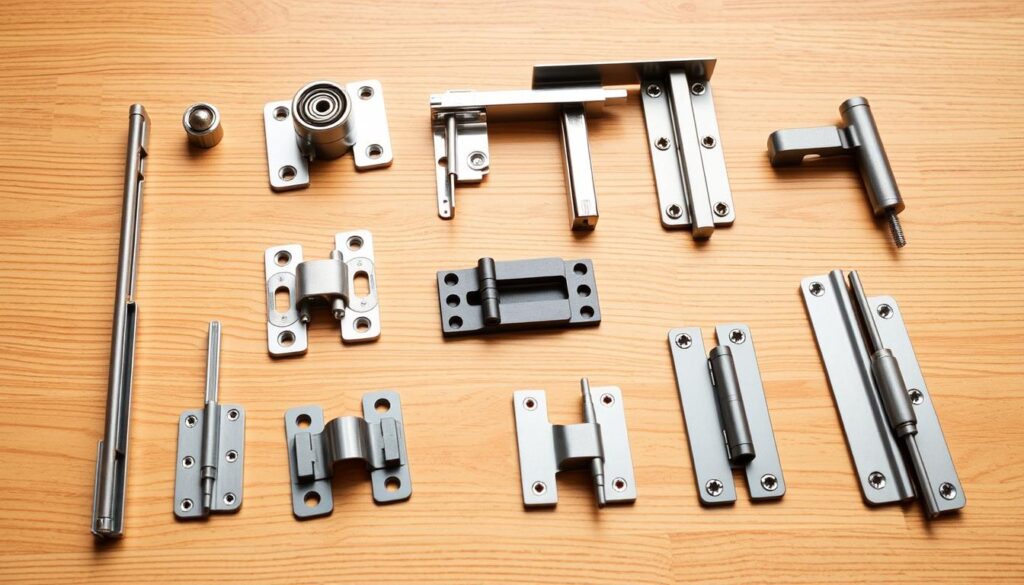
hardware selection

Hardware Engineering: Performance-Based Selection Guide

We believe in bridging architectural vision with manufacturing reality through precision and expertise, providing high-end custom cabinetry manufacturing solutions that meet the needs of architects and contractors. Our approach to hardware selection emphasizes the importance of load capacity and durability testing to ensure optimal performance.

When it comes to hardware selection, we consider factors such as load capacity, durability testing, and overall system performance to provide the best solutions for our clients. By understanding the intricacies of hardware selection, we can help architects and contractors make informed decisions that meet their specific needs.

Our goal is to provide a comprehensive guide to hardware selection, focusing on performance-based selection to ensure that our clients receive the best possible solutions. By considering factors such as load capacity and durability testing, we can help our clients achieve their desired outcomes.

Key Takeaways

  • Hardware selection is critical to ensuring optimal performance and load capacity
  • Durability testing is essential to evaluating the longevity of hardware components
  • Performance-based selection is key to making informed decisions about hardware
  • Load capacity and durability testing are crucial factors in hardware selection
  • Our approach to hardware selection emphasizes precision and expertise
  • We provide high-end custom cabinetry manufacturing solutions that meet the needs of architects and contractors
  • Our comprehensive guide to hardware selection will help architects and contractors make informed decisions

Understanding the Fundamentals of Hardware Selection

When it comes to selecting hardware, we must consider several key factors to ensure that our choices meet the required standards. Ergonomic design plays a crucial role in determining the suitability of hardware for a particular application. The finish durability of the hardware is also essential, as it directly affects the overall performance and lifespan of the product.

In our experience, mechanism selection is a critical aspect of hardware selection. We must carefully evaluate the various mechanisms available and choose the one that best suits our needs. This involves considering factors such as load capacity, durability, and environmental compatibility.

Some key considerations for hardware selection include:

  • Load capacity and durability
  • Environmental compatibility and resistance to corrosion
  • Finish durability and resistance to wear and tear
  • Mechanism selection and integration

By carefully evaluating these factors and considering the ergonomic design and finish durability of the hardware, we can make informed decisions that meet our specific needs. Mechanism selection is also critical, as it directly affects the overall performance and efficiency of the product.

Ultimately, our goal is to bridge the gap between architectural vision and manufacturing reality through precision and expertise. By understanding the fundamentals of hardware selection and carefully evaluating the various factors involved, we can create high-quality products that meet the required standards and exceed our customers’ expectations.

Critical Factors in Performance-Based Engineering

When it comes to hardware selection, several critical factors must be considered to ensure the chosen hardware meets the required standards. Our team of experts has extensive experience in performance-based engineering and can provide guidance on selecting the most suitable hardware for your application. Load capacity is one of the key factors, as it directly affects the overall performance and durability of the hardware.

In addition to load capacity, maintenance requirements are also crucial. Regular maintenance can help extend the lifespan of the hardware and prevent unexpected downtime. We consider these factors when evaluating hardware selection options, ensuring that our clients receive the best possible solutions for their needs.

Some of the key considerations in hardware selection include:

  • Load capacity and its impact on performance
  • Maintenance requirements and scheduling
  • Hardware selection and its effect on overall system performance

By carefully evaluating these factors, we can provide our clients with the most suitable hardware solutions for their applications, ensuring optimal performance and minimizing maintenance requirements.

Our approach to hardware selection is centered around performance-based engineering, taking into account the specific needs and requirements of each client. By doing so, we can provide tailored solutions that meet the required standards and ensure the best possible outcomes.

Advanced Load Capacity Analysis

When it comes to selecting hardware, we must consider the load capacity to ensure the chosen components can withstand the required loads. This involves evaluating static load requirements, dynamic load considerations, and safety factor calculations. Our team utilizes advanced software and simulation tools to analyze load capacity and provide recommendations for hardware selection, taking into account factors such as durability testing and ergonomic design.

Load capacity is a critical factor in hardware selection, as it directly impacts the performance and longevity of the system. We consider the following key aspects:

  • Static load requirements: The maximum weight or force the hardware can support without deforming or failing.
  • Dynamic load considerations: The ability of the hardware to withstand varying loads, vibrations, and other external factors.
  • Safety factor calculations: The margin of safety built into the hardware design to account for unexpected loads or stresses.

By carefully evaluating these factors and conducting thorough durability testing, we can ensure that the selected hardware meets the required load capacity and provides a reliable, ergonomic design. This approach enables us to bridge the gap between architectural vision and manufacturing reality, delivering high-quality custom cabinetry manufacturing solutions that meet the needs of architects and contractors.

Our expertise in load capacity analysis and durability testing allows us to provide informed recommendations for hardware selection, ensuring that the chosen components meet the required standards for load capacity, ergonomic design, and overall performance.

Strategic Hardware Selection Process

When it comes to selecting hardware, we consider a range of factors, including mechanism selection, usage patterns, and maintenance requirements. Our team evaluates these factors to provide recommendations for hardware selection that meet the required standards.

We assess material properties, such as corrosion resistance, temperature range, and humidity, to ensure that the selected hardware is compatible with the environment. This involves analyzing the top kitchen appliances and their components to determine the best fit for our clients’ needs.

Some key considerations in our strategic hardware selection process include:

  • Material properties assessment
  • Environmental compatibility
  • Cost-performance ratio analysis

These factors help us determine the most suitable hardware for each project, taking into account the client’s requirements and budget.

By considering mechanism selection, usage patterns, and maintenance requirements, we can ensure that the selected hardware meets the required standards and provides optimal performance.

Durability Testing Protocols

As we emphasize the importance of durability testing in ensuring the quality of hardware, our team employs advanced testing equipment and protocols to evaluate the load capacity and finish durability of various hardware components. This rigorous testing process enables us to provide informed recommendations for hardware selection, ultimately enhancing the overall performance and lifespan of the final product.

Our approach to durability testing involves a comprehensive assessment of the hardware’s ability to withstand various environmental and operational stresses. By doing so, we can identify potential weaknesses and provide targeted solutions to mitigate these risks, ensuring that the selected hardware meets the required standards for load capacity and finish durability.

The following are key aspects of our durability testing protocols:

  • Evaluation of hardware components under simulated operational conditions
  • Assessment of finish durability using advanced testing equipment
  • Analysis of load capacity to determine the hardware’s ability to withstand various stresses

By prioritizing durability testing and considering factors such as load capacity and finish durability, we can ensure that the selected hardware meets the required standards, ultimately enhancing the overall quality and performance of the final product.

Ergonomic Design Considerations

When it comes to selecting hardware, we consider the importance of ergonomic design in ensuring a user-friendly experience. Our team evaluates usage patterns to provide recommendations for hardware selection that meet the required standards.

We consider factors such as ease of use, comfort, and safety to ensure that the selected hardware meets the needs of the user. This involves assessing mechanism selection and its impact on the overall user experience.

Some key considerations in ergonomic design include:

  • Intuitive user interface
  • Accessibility features
  • Safety considerations

By prioritizing ergonomic design and considering usage patterns and mechanism selection, we can create hardware solutions that are both functional and user-friendly.

ergonomic design considerations

Mechanism Selection and Integration

When it comes to mechanism selection, our team evaluates the suitability of mechanisms for a particular application, considering factors such as load capacity, durability, and maintenance requirements. This process is crucial in ensuring that the selected hardware selection meets the required standards.

We consider the following factors in our mechanism selection process:

  • Load capacity: The ability of the mechanism to withstand the required loads without compromising its performance or safety.
  • Durability: The mechanism’s ability to withstand wear and tear, corrosion, and other environmental factors.
  • Maintenance requirements: The ease of maintenance, repair, and replacement of the mechanism.

By carefully evaluating these factors, we provide recommendations for mechanism selection and integration to ensure that the selected hardware selection meets the required standards and optimizes the overall performance of the system, considering the load capacity and other critical parameters.

Our goal is to bridge architectural vision with manufacturing reality through precision and expertise, ensuring that our clients receive high-quality, custom cabinetry manufacturing solutions that meet their specific needs and requirements.

FactorDescription
Load CapacityThe ability of the mechanism to withstand the required loads without compromising its performance or safety.
DurabilityThe mechanism’s ability to withstand wear and tear, corrosion, and other environmental factors.
Maintenance RequirementsThe ease of maintenance, repair, and replacement of the mechanism.

Performance Optimization Techniques

When it comes to hardware selection, we consider various factors to ensure the chosen hardware meets the required standards. Our team evaluates efficiency metrics, system integration parameters, and performance monitoring methods to provide recommendations for hardware selection. This includes assessing energy efficiency, system compatibility, and performance monitoring to ensure the selected hardware meets the needs of the application, taking into account load capacity and durability testing.

In the context of hardware selection, efficiency metrics play a crucial role in determining the overall performance of the system. We analyze these metrics to identify areas for improvement and optimize the system’s performance. This involves evaluating the system’s load capacity and conducting durability testing to ensure it can withstand various operating conditions.

Efficiency Metrics

  • Energy consumption
  • System responsiveness
  • Throughput

By considering these factors and evaluating efficiency metrics, we can ensure that the selected hardware meets the required standards and performs optimally, which is critical in applications where hardware selection, load capacity, and durability testing are essential.

System Integration Parameters

Our team also evaluates system integration parameters to ensure seamless integration of the selected hardware with other system components. This involves assessing compatibility, scalability, and reliability to ensure the system operates efficiently and effectively.

By following these performance optimization techniques, we can ensure that the selected hardware meets the required standards and performs optimally, which is critical in applications where hardware selection, load capacity, and durability testing are essential.

Maintenance Planning and Lifecycle Management

When it comes to hardware selection, we consider the entire lifecycle of the product, including maintenance requirements. This involves evaluating the load capacity of the hardware and determining the best maintenance schedule to ensure optimal performance. By doing so, we can help architects and contractors minimize downtime and reduce maintenance costs.

Our team assesses various factors, including the hardware selection process, to provide recommendations for maintenance planning. We consider the environmental conditions in which the hardware will be used, as well as the expected usage patterns, to determine the most effective maintenance schedule. This approach enables us to identify potential issues before they become major problems, reducing the need for costly repairs and replacements.

Preventive Maintenance Schedules

A well-planned maintenance schedule is crucial to ensuring the longevity and performance of the hardware. We work with our clients to develop a customized maintenance plan that takes into account the specific needs of their hardware and the load capacity it is expected to handle. This plan may include regular inspections, software updates, and replacement of worn-out parts.

Performance Degradation Analysis

Our team also conducts performance degradation analysis to identify potential issues that may affect the hardware’s performance over time. This involves monitoring the hardware’s performance and analyzing data to detect any signs of degradation. By doing so, we can recommend proactive maintenance measures to prevent performance degradation and ensure the hardware continues to operate at optimal levels.

maintenance requirements

By considering maintenance requirements, hardware selection, and load capacity, we can provide our clients with a comprehensive maintenance planning and lifecycle management strategy. This approach enables us to help architects and contractors ensure their hardware operates efficiently and effectively, minimizing downtime and reducing maintenance costs.

Conclusion: Implementing Your Hardware Selection Strategy

In conclusion, implementing an effective hardware selection strategy is crucial for ensuring optimal performance, durability, and long-term efficiency. By carefully considering factors such as load capacity, durability testing, and comprehensive hardware selection, organizations can choose the most suitable components for their specific applications.

Our team of experts is dedicated to guiding you through this process, providing tailored recommendations and practical solutions to meet your unique requirements. With a deep understanding of industry standards and a commitment to performance optimization, we can help you navigate the complexities of hardware selection and ensure your projects achieve sustained success.

Remember, investing in the right hardware selection strategy is an investment in the future of your organization. By prioritizing quality, reliability, and efficiency, you can unlock the full potential of your operations and stay ahead of the competition. Let us help you implement a hardware selection strategy that will drive your business forward.

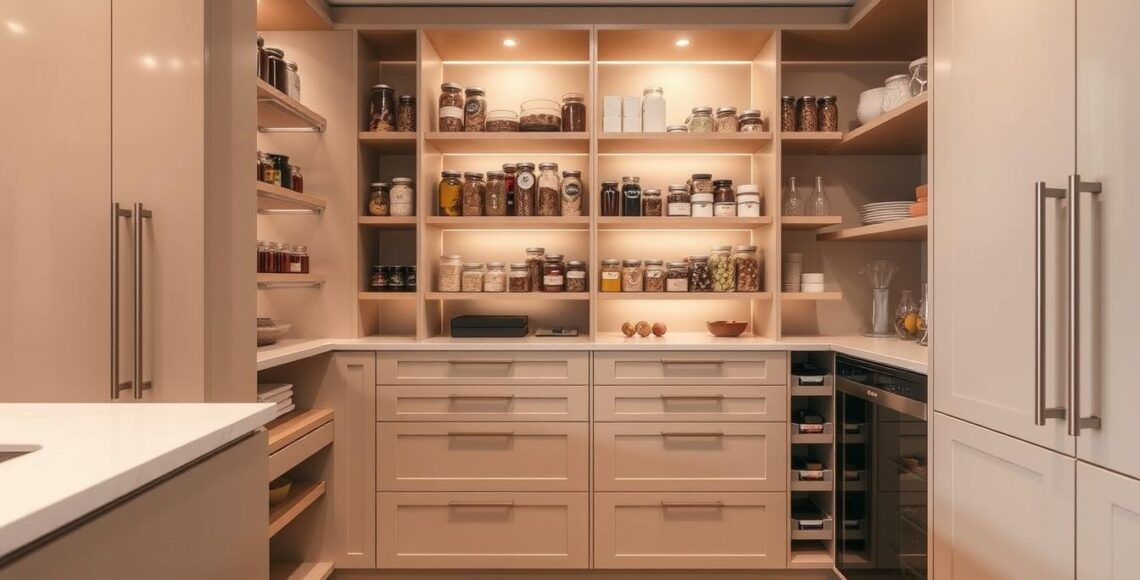
pantry integration

Maximizing Functionality: Technical Guide to Pantry Design

We believe in bridging architectural vision with manufacturing reality through precision and expertise, which is why we’re excited to share our technical guide to pantry design and integration. A well-designed pantry can improve the overall efficiency and aesthetic of a kitchen, making it a crucial aspect of any kitchen design project. Effective pantry integration requires careful consideration of storage calculation, access planning, and overall functionality.

As we delve into the world of pantry design, it’s essential to consider the importance of pantry integration in creating a seamless and functional kitchen space. By incorporating thoughtful storage calculation and access planning, we can create a pantry that not only meets but exceeds our clients’ expectations. Our goal is to provide a comprehensive guide that covers all aspects of pantry design, from initial planning to final installation, including key considerations for pantry integration and storage calculation.

At our company, we understand the value of a well-designed pantry and its impact on the overall kitchen experience. By focusing on precision and expertise, we aim to provide architects and contractors with the tools and knowledge needed to create high-end custom cabinetry manufacturing solutions that meet the unique needs of each client. Whether it’s storage calculation, access planning, or overall pantry integration, we’re committed to helping our clients achieve their vision.

Key Takeaways

  • Effective pantry integration is crucial for a functional and efficient kitchen
  • Storage calculation and access planning are key considerations in pantry design
  • A well-designed pantry can improve the overall aesthetic and value of a kitchen
  • Pantry integration requires careful consideration of client needs and preferences
  • Our technical guide will provide a comprehensive overview of pantry design and integration
  • By focusing on precision and expertise, we can create high-end custom cabinetry manufacturing solutions
  • Our goal is to bridge architectural vision with manufacturing reality through precision and expertise

Understanding the Fundamentals of Pantry Integration

When it comes to pantry design, we understand the importance of balancing functionality with aesthetics. As we partner with architects and contractors, we recognize that a well-designed pantry is crucial for seamless integration into the overall kitchen space. Effective pantry design requires careful consideration of various factors, including lighting design and ventilation requirements.

A key aspect of pantry integration is assessing space requirements. This involves evaluating the available space and determining the optimal layout to maximize storage capacity. By considering the specific needs of the household, we can create a customized pantry design that meets their unique requirements. Some key considerations for seamless integration include:

  • Assessing the workflow and traffic flow in the kitchen
  • Evaluating the types of food and cookware to be stored
  • Considering the lighting design and ventilation requirements

By taking a holistic approach to pantry design, we can create a space that is both functional and visually appealing. As experts in custom cabinetry manufacturing, we are committed to bridging the gap between architectural vision and manufacturing reality. Our goal is to provide high-end solutions that meet the unique needs of each client, while also ensuring that the final product is both durable and functional.

In the context of pantry design, lighting design plays a critical role in creating a functional and safe space. Proper lighting can help to reduce eye strain and improve visibility, making it easier to navigate the pantry. Additionally, effective ventilation requirements are essential for maintaining a healthy and safe environment. By incorporating these elements into the pantry design, we can create a space that is both functional and enjoyable to use.

Essential Planning Steps for Your Pantry Project

We understand that a well-planned pantry is crucial for maximizing functionality and efficiency in the kitchen. When it comes to access planning, it’s essential to consider the flow of traffic and the ease of accessing stored items. This involves careful consideration of shelf depths and door mechanisms to ensure a seamless user experience.

As we delve into the planning process, we recommend starting with a thorough assessment of your space requirements. This includes measuring the available area, taking into account any obstacles or limitations, and determining the optimal layout for your pantry. By doing so, you’ll be able to create a customized plan that meets your specific needs and preferences.

Some key factors to consider during the planning phase include:

  • Access planning: ensuring easy access to stored items and minimizing congestion
  • Shelf depths: selecting the optimal depth to accommodate your stored items and maximize storage capacity
  • Door mechanisms: choosing the right type of door mechanism to ensure smooth operation and ease of use

By carefully considering these factors and taking a thoughtful approach to planning, you’ll be able to create a pantry that is both functional and efficient.

As we emphasize the importance of precision and expertise in pantry design and integration, we encourage you to take a proactive approach to planning your pantry project. By doing so, you’ll be able to create a space that meets your unique needs and enhances your overall kitchen experience.

Calculating Optimal Storage Capacity

As we partner with architects and contractors to create high-end custom cabinetry manufacturing solutions, we understand the importance of calculating optimal storage capacity. This involves considering various factors, including storage calculation, climate control, and ventilation requirements. By taking a comprehensive approach, we can ensure that our designs meet the unique needs of our clients.

When it comes to storage calculation, we consider the volume assessment methods and weight distribution guidelines. This helps us determine the optimal shelf load calculations, taking into account the materials and hardware used in the design. For instance, we can use industry-specific software to simulate different storage scenarios and identify the most efficient solutions.

Volume Assessment Methods

Our team uses various volume assessment methods to determine the optimal storage capacity. This includes measuring the available space, considering the size and shape of the items to be stored, and evaluating the accessibility of the storage area. By taking a thorough approach, we can create customized storage solutions that meet the specific needs of our clients.

Weight Distribution Guidelines

In addition to volume assessment, we also consider weight distribution guidelines to ensure that our storage solutions are safe and functional. This involves evaluating the weight of the items to be stored, as well as the materials and hardware used in the design. By following established weight distribution guidelines, we can create storage solutions that are both efficient and reliable.

Shelf Load Calculations

Finally, we use shelf load calculations to determine the optimal storage capacity of our designs. This involves considering the size and weight of the items to be stored, as well as the materials and hardware used in the design. By taking a comprehensive approach, we can create customized storage solutions that meet the unique needs of our clients, while also ensuring that our designs are safe, functional, and efficient.

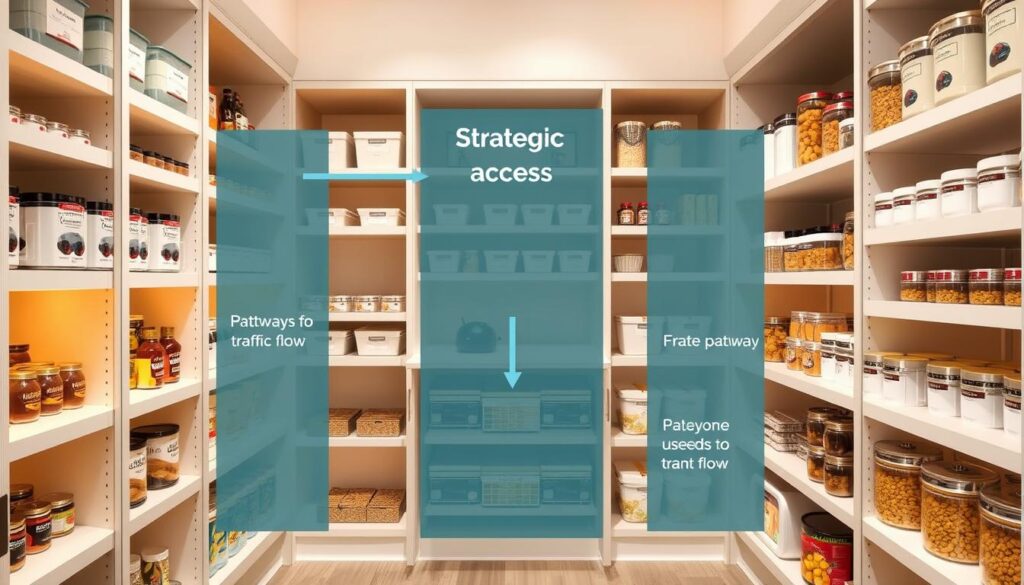
Strategic Access Planning and Traffic Flow

We recognize the importance of strategic access planning and traffic flow in pantry design, as it directly impacts the functionality and usability of the space. Effective access planning ensures that all areas of the pantry are easily reachable, while also considering the flow of traffic to prevent congestion.

When designing a pantry, it’s essential to consider the door mechanisms and how they will impact the overall flow of the space. For example, a swinging door may not be the best option if it will obstruct the pathway or limit access to certain areas. Instead, a sliding door or a door with a soft-close mechanism may be more suitable.

In addition to door mechanisms, lighting design also plays a crucial role in access planning. Proper lighting can help to illuminate the space, making it easier to navigate and find what you need. A combination of task lighting, such as under-cabinet lighting, and ambient lighting can help to create a well-lit and functional space.

Some key considerations for strategic access planning and traffic flow include:

  • Measuring the space to determine the optimal layout
  • Selecting door mechanisms that promote easy access
  • Designing a lighting plan that illuminates the space
  • Considering the flow of traffic to prevent congestion

By taking a strategic approach to access planning and traffic flow, we can create a pantry that is both functional and efficient. As we continue to explore the world of pantry design, we will delve deeper into the importance of access planning, door mechanisms, and lighting design in creating a space that meets your needs.

access planning

Design ElementImportanceConsiderations
Access PlanningHighMeasuring the space, selecting door mechanisms
Door MechanismsMediumType of door, soft-close mechanism
Lighting DesignHighTask lighting, ambient lighting, illumination

Implementing Effective Lighting Design Solutions

As we partner with architects and contractors to create high-end custom cabinetry manufacturing solutions, we understand the importance of implementing effective lighting design solutions. Lighting design plays a crucial role in enhancing the functionality and ambiance of a pantry. It is essential to consider lighting design, ventilation requirements, and climate control to create a well-designed pantry.

A well-designed lighting system can improve the overall user experience. We recommend considering task lighting specifications, ambient light requirements, and energy-efficient options. For instance, under-cabinet lighting can provide task lighting for food preparation, while ambient lighting can create a warm and inviting atmosphere.

Task Lighting Specifications

Task lighting is essential for specific tasks such as food preparation and cooking. We suggest using LED lights, which are energy-efficient and provide excellent task lighting. Additionally, consider the color temperature of the lights, as it can affect the ambiance of the pantry.

Ambient Light Requirements

Ambient lighting is necessary to create a warm and inviting atmosphere in the pantry. We recommend using soft, warm-toned lights to create a cozy ambiance. Furthermore, consider the ventilation requirements and climate control to ensure a comfortable environment.

By considering lighting design, ventilation requirements, and climate control, we can create a well-designed pantry that meets the unique needs of our clients. Our goal is to provide comprehensive guidance on implementing effective lighting design solutions, ensuring that our clients receive the best possible outcome for their pantry design and integration projects.

Lighting TypeColor TemperatureEnergy Efficiency
LED2700K-5000KHigh
Halogen2800K-3000KMedium
Fluorescent3500K-4100KMedium

Advanced Ventilation Systems and Climate Control

We recognize the importance of advanced ventilation systems and climate control in pantry design, as they directly impact the ventilation requirements and overall storage environment. By incorporating effective climate control measures, we can create a stable and optimal storage condition, which is crucial for preserving the quality and freshness of stored items.

A key aspect of pantry design is storage calculation, which involves determining the optimal storage capacity and configuration to meet specific needs. By considering factors such as shelf load, weight distribution, and storage volume, we can create a well-organized and functional pantry space that meets the needs of its users.

Some essential considerations for advanced ventilation systems and climate control include:

  • Air exchange rates and ventilation requirements
  • Temperature and humidity control
  • Insulation and air sealing
  • Energy-efficient solutions

By addressing these factors and incorporating advanced ventilation systems and climate control measures, we can create a pantry space that is not only functional and efficient but also provides a healthy and safe storage environment.

Determining Ideal Shelf Depths and Heights

When designing a pantry, determining ideal shelf depths and heights is crucial for maximizing storage capacity and accessibility. We consider factors such as shelf depths, door mechanisms, and access planning to create a functional and efficient space.

Standard measurement guidelines suggest that shelf depths should be between 12 and 24 inches, depending on the type of items being stored. However, customization options are available to accommodate specific needs, such as deeper shelves for bulk storage or shallower shelves for easy access.

Key Considerations for Shelf Placement

  • Ergonomic considerations, such as placing frequently used items at waist level
  • Access planning, including the location of doors and windows
  • Door mechanisms, such as swing direction and handle type

By taking these factors into account, we can create a pantry design that is both functional and accessible, with shelf depths and heights that meet the unique needs of the user.

Ultimately, the key to determining ideal shelf depths and heights is to consider the specific needs and preferences of the user, while also taking into account the overall design and functionality of the pantry.

Shelf DepthShelf HeightAccess Planning
12-18 inches30-36 inchesEasy access for frequently used items
18-24 inches36-42 inchesStandard access for general storage
24-30 inches42-48 inchesDeep storage for bulk items

Door Mechanism Selection and Installation

When it comes to pantry design, door mechanisms play a crucial role in ensuring smooth operation and accessibility. As we consider the various aspects of pantry integration, it’s essential to balance door mechanisms with lighting design and ventilation requirements to create a functional and comfortable space.

A well-designed door mechanism can make a significant difference in the overall user experience. We recommend considering the following factors when selecting a door mechanism:

  • Type of door: sliding, swinging, or folding
  • Door material: wood, metal, or glass
  • Hardware: handles, hinges, and locks

Proper installation is also critical to ensure the door mechanism functions as intended. We suggest consulting with a professional to ensure accurate measurement and installation. Additionally, considering ventilation requirements and lighting design can enhance the overall ambiance and functionality of the pantry.

By carefully selecting and installing the right door mechanism, we can create a pantry that is both functional and aesthetically pleasing. As we strive to bridge architectural vision with manufacturing reality, attention to detail is crucial in achieving high-end custom cabinetry manufacturing solutions.

door mechanisms

Material Selection for Durability and Function

When it comes to creating a high-end custom cabinetry manufacturing solution, we understand the importance of material selection for durability and function. As we partner with architects and contractors, we recognize that the right materials can make all the difference in meeting the unique needs of their clients. In this section, we will delve into the key considerations for material selection, including surface materials comparison, hardware options, and moisture-resistant solutions.

A critical aspect of material selection is storage calculation, as it directly impacts the overall functionality of the pantry. By carefully assessing the storage needs and selecting materials that can withstand the demands of frequent use, we can create a space that is both efficient and durable. Additionally, climate control and ventilation requirements must be taken into account to ensure a healthy and safe environment.

Surface Materials Comparison

When it comes to surface materials, there are several options to consider, each with its own unique benefits and drawbacks. Some popular choices include:

  • Wood: a classic choice for its warmth and aesthetic appeal
  • Laminate: a cost-effective option that is easy to clean and maintain
  • Stone: a durable and luxurious option that is perfect for high-end designs

Hardware Options

In addition to surface materials, hardware options also play a crucial role in the overall functionality and durability of the pantry. From hinges and handles to drawers and shelves, we must carefully select hardware that can withstand the demands of frequent use and meet the unique needs of our clients.

Moisture-Resistant Solutions

Finally, moisture-resistant solutions are essential for creating a pantry that is both functional and durable. By selecting materials and hardware that can withstand the humid conditions often found in kitchens, we can create a space that is safe, healthy, and easy to maintain.

Smart Storage Solutions and Organization Systems

We understand the importance of maximizing functionality in pantry design, which is why we emphasize the need for smart storage solutions and organization systems. By incorporating effective storage calculation methods, we can ensure that our pantry design is tailored to meet the specific needs of our clients. This involves assessing the available space and determining the optimal storage capacity to maximize efficiency.

When it comes to access planning, we consider the flow of traffic and the ease of navigation within the pantry. This includes strategically placing shelves, cabinets, and other storage units to minimize congestion and ensure that frequently used items are easily accessible. By doing so, we can create a seamless and functional space that meets the needs of our clients.

In addition to storage calculation and access planning, lighting design also plays a crucial role in creating a functional and inviting pantry space. By incorporating task lighting, ambient lighting, and energy-efficient options, we can create a well-lit space that is both functional and aesthetically pleasing. This not only enhances the overall user experience but also increases the value of the space.

Some key considerations for smart storage solutions and organization systems include:

  • Customizable shelving and cabinet units
  • Adjustable storage compartments
  • Integrated lighting solutions
  • Ergonomic design principles

By incorporating these elements, we can create a pantry space that is not only functional and efficient but also visually appealing. As we continue to emphasize the importance of precision and expertise in our designs, we remain committed to providing high-end custom cabinetry manufacturing solutions that meet the unique needs of our clients.

Maintenance and Cleaning Specifications

As we partner with architects and contractors to create high-end custom cabinetry manufacturing solutions, we understand the importance of maintenance and cleaning specifications in ensuring the longevity and functionality of pantry designs. Regular maintenance schedules, cleaning best practices, and troubleshooting common issues are crucial in preventing damage and maintaining optimal performance.

Proper ventilation requirements and climate control are essential in preventing moisture buildup and maintaining a healthy environment. By incorporating effective door mechanisms, we can ensure easy access and minimize the risk of damage. For instance, a well-designed pantry with adequate ventilation and climate control can be found in luxury apartments, as seen in the guide to 7 steps to great luxury apartment interior.

Regular Maintenance Schedule

A regular maintenance schedule should include daily, weekly, and monthly tasks to ensure the pantry remains clean and functional. Some tasks include:

  • Daily: Wipe down surfaces and sweep the floor
  • Weekly: Clean the shelves and check for any damage
  • Monthly: Deep clean the pantry and check the ventilation requirements and climate control systems

Cleaning Best Practices

Cleaning the pantry requires attention to detail and the use of gentle cleaning products to prevent damage to the surfaces and door mechanisms. Some best practices include:

  • Using microfiber cloths to clean surfaces
  • Avoiding harsh chemicals and abrasive cleaners
  • Regularly cleaning the ventilation requirements and climate control systems to prevent dust buildup

Troubleshooting Common Issues

Common issues that may arise in pantry design and integration include faulty door mechanisms, inadequate ventilation requirements, and poor climate control. By troubleshooting these issues promptly, we can prevent further damage and maintain optimal performance.

Conclusion: Optimizing Your Pantry Integration for Long-Term Success

As we’ve explored the intricate details of pantry integration, it’s clear that successful design requires a meticulous balance of functionality, accessibility, and aesthetics. By carefully considering storage calculation and access planning, you can create a customized pantry solution that not only meets your client’s needs but also enhances the overall efficiency and flow of their kitchen.

The key is to leverage industry-leading expertise while maintaining a practical, user-centric approach. By incorporating the insights and techniques covered in this guide, architects and contractors can collaborate seamlessly with custom cabinetry manufacturers to develop high-end solutions that exceed their clients’ expectations. From optimizing storage capacity to ensuring ergonomic accessibility, every aspect of the pantry design process plays a vital role in delivering a long-lasting, sustainable outcome.

As you embark on your next pantry integration project, remember to prioritize functionality, flexibility, and attention to detail. With the right planning, execution, and ongoing maintenance, your clients will enjoy a pantry that not only looks stunning but also enhances their daily kitchen experience for years to come.

Italian kitchen design

Technical Framework for Modern Italian Kitchen Design

We believe in bridging architectural vision with manufacturing reality through precision and expertise, which is why we’re creating a comprehensive guide to Italian kitchen design. This guide will serve as a technical framework, balancing aesthetics with functionality to meet the needs of discerning clients. Our goal is to provide architects and contractors with the necessary tools to create high-end custom cabinetry solutions.

A comprehensive guide to Italian kitchen design must include a technical framework that addresses the evolution of design principles, essential components, and material selection. By exploring these key elements, we can create a technical framework that supports the development of modern Italian kitchens. Our approach to Italian kitchen design is centered around a technical framework that prioritizes precision and expertise.

As we delve into the world of Italian kitchen design, it’s essential to consider the technical framework that underlies each project. By doing so, we can ensure that our designs are both beautiful and functional, meeting the needs of clients who demand the best. Our technical framework for Italian kitchen design is designed to provide a comprehensive guide to creating high-end custom cabinetry solutions.

Key Takeaways

  • Italian kitchen design requires a technical framework that balances aesthetics with functionality
  • A comprehensive guide to Italian kitchen design must include a technical framework
  • Precision and expertise are essential components of our approach to Italian kitchen design
  • Our technical framework prioritizes the needs of discerning clients
  • Italian kitchen design must consider the evolution of design principles and material selection
  • A technical framework is necessary for creating high-end custom cabinetry solutions
  • Our goal is to provide architects and contractors with the necessary tools to create exceptional Italian kitchen designs

The Evolution of Italian Kitchen Design Principles

Italian kitchen design has undergone significant transformations over the centuries, shaped by historical influence and contemporary design philosophies. The evolution of Italian kitchen design principles is a story of innovation and adaptation, reflecting the country’s rich cultural heritage and its people’s passion for beauty and functionality.

The historical influence on modern Italian kitchen design techniques is evident in the use of traditional materials, such as marble and wood, and the incorporation of classic design elements, like ornate moldings and intricate carvings. However, contemporary Italian kitchen design has also been shaped by modern technologies and innovative manufacturing methods, allowing for greater flexibility and customization.

Key Elements of Contemporary Italian Kitchen Design

  • Simple, clean lines and minimal ornamentation
  • Use of high-quality materials, such as stone and wood
  • Incorporation of advanced technologies, like smart appliances and automated systems

As we explore the evolution of Italian kitchen design principles, we can see how historical influence and contemporary design philosophies have come together to create a unique and captivating style. By understanding these principles, architects and contractors can create Italian kitchens that are both beautiful and functional, meeting the needs of discerning clients.

Essential Components of Professional Italian Kitchen Design

When it comes to professional Italian kitchen design, there are several essential components that must be considered to create a functional and beautiful space. We believe that a well-designed kitchen should incorporate ergonomic flow, allowing cooks to move easily between different stations, minimizing fatigue and maximizing productivity.

The key to achieving this is to consider the workflow and movement patterns within the kitchen. By analyzing how cooks interact with the space, we can identify areas for improvement and optimize the layout to facilitate efficient movement. This is where ergonomic flow comes into play, as it enables a smooth and logical workflow, making the cooking experience more enjoyable and efficient.

Some of the essential components of professional Italian kitchen design include:

  • A well-planned layout that incorporates ergonomic flow
  • High-quality materials and finishes that are both durable and aesthetically pleasing
  • Functional storage solutions that keep frequently used items within easy reach

By incorporating these essential components, we can create a professional Italian kitchen design that is both functional and beautiful, providing a space that is perfect for cooking, entertaining, and relaxing.

In our experience, a well-designed kitchen is not just about aesthetics; it’s about creating a space that is functional, efficient, and enjoyable to use. By prioritizing ergonomic flow and incorporating essential components, we can create a kitchen that meets the needs of even the most discerning cooks, making it a true heart of the home.

Material Selection and Technical Specifications

When it comes to Italian kitchen design, material selection plays a crucial role in determining the overall aesthetic and functionality of the space. We consider the importance of premium surface materials, such as granite, marble, and quartz, in creating a high-end look and feel. The technical specifications of these materials, including their durability and maintenance requirements, are also essential factors to consider.

In terms of cabinet construction, we prioritize standards that ensure stability, durability, and precision. This includes the use of high-quality materials, precise craftsmanship, and attention to detail. By combining premium surface materials with expert cabinet construction, we can create a kitchen that is both beautiful and functional.

Key Considerations for Material Selection

  • Durability and maintenance requirements
  • Aesthetics and style
  • Functionality and performance
  • Cost and budget

By carefully evaluating these factors and considering the technical specifications of various materials, we can make informed decisions about material selection and create a kitchen that meets our clients’ needs and exceeds their expectations.

Ergonomic Flow Analysis and Space Planning

We understand the importance of workspace optimization in Italian kitchen design, as it directly impacts the functionality and efficiency of the space. By conducting an ergonomic flow analysis, we can identify areas where the kitchen can be optimized to reduce fatigue and improve productivity. This analysis involves studying the workflow and movement patterns of cooks to create a kitchen that is tailored to their needs.

Effective space planning is crucial in achieving this goal. It involves carefully considering the layout of the kitchen, including the placement of appliances, cabinets, and countertops. By optimizing the use of space, we can create a kitchen that is not only functional but also aesthetically pleasing. Some key considerations in space planning include:

  • Work triangle: The distance between the sink, stove, and refrigerator should be minimized to reduce movement and increase efficiency.
  • Counter space: Ample counter space is essential for food preparation and cooking.
  • Storage: Adequate storage is necessary to keep the kitchen organized and clutter-free.

By incorporating ergonomic flow analysis and space planning into our design process, we can create kitchens that are both beautiful and functional. Our goal is to provide our clients with a kitchen that meets their unique needs and enhances their overall cooking experience. With careful attention to workspace optimization, we can create a kitchen that is truly exceptional.

Advanced Storage Integration Systems

As we continue to evolve in our understanding of modern Italian kitchen design, the importance of advanced storage integration systems becomes increasingly evident. By incorporating modular organization solutions, homeowners can maximize their storage capacity while minimizing clutter. This approach enables a more efficient use of space, making it ideal for kitchens of all sizes.

Modular organization solutions, such as pull-out pantries and drawer organizers, provide a tailored approach to storage. These solutions can be customized to meet the specific needs of each kitchen, ensuring that every available space is utilized effectively. Additionally, smart storage technologies, such as automated drawers and doors, can further enhance the functionality of these systems.

Benefits of Modular Organization

  • Maximized storage capacity
  • Minimized clutter
  • Customizable solutions
  • Enhanced functionality with smart storage technologies

By incorporating advanced storage integration systems, including modular organization and smart storage technologies, into Italian kitchen design, we can create spaces that are not only aesthetically pleasing but also highly functional. This harmonious balance of form and function is at the heart of our approach to kitchen design, and it is what sets our creations apart.

Professional Appliance Integration Methodology

When it comes to designing a high-end Italian kitchen, professional appliance integration is crucial for achieving a seamless and functional space. As we consider the technical requirements for built-in systems, it’s essential to prioritize ventilation engineering and utility planning to ensure a safe and efficient kitchen environment.

To achieve this, we must consider several key factors, including:

  • Technical specifications for built-in appliances
  • Ventilation requirements for optimal air quality
  • Utility planning for water, gas, and electrical connections

By carefully evaluating these factors, we can ensure that our professional appliance integration meets the highest standards of quality and performance. This, in turn, will enable us to create a kitchen space that is not only aesthetically pleasing but also highly functional and efficient. With a focus on technical requirements and ventilation engineering, we can guarantee a superior cooking experience for homeowners.

professional appliance integration

Ultimately, our goal is to provide a comprehensive and integrated approach to kitchen design, one that balances form and function to create a truly exceptional space. By prioritizing professional appliance integration and technical requirements, we can ensure that our designs meet the needs of discerning homeowners and set a new standard for excellence in Italian kitchen design.

Precision Manufacturing in Modern Italian Kitchen Design

In the realm of modern Italian kitchen design, precision manufacturing plays a vital role in creating custom cabinetry solutions that meet the exacting standards of discerning clients. We specialize in precision manufacturing, leveraging cutting-edge technology to craft intricate designs and complex shapes that elevate the aesthetic and functional appeal of any kitchen. By combining precision manufacturing with modern Italian kitchen design principles, we can create truly unique and functional spaces that reflect the client’s personal style and preferences.

At the heart of our precision manufacturing process is a commitment to attention to detail and a passion for delivering exceptional quality. We believe that custom cabinetry should not only be visually stunning but also highly functional, which is why we work closely with clients to understand their specific needs and preferences. By visiting modern Italian kitchen design websites, you can explore the various options available and get inspiration for your own project.

Some of the benefits of precision manufacturing in modern Italian kitchen design include:

  • Increased accuracy and precision in the manufacturing process
  • Improved quality and durability of the final product
  • Enhanced aesthetic appeal and customization options

By embracing precision manufacturing and modern Italian kitchen design, we can create kitchens that are not only beautiful but also highly functional and efficient. Our team of experts is dedicated to delivering exceptional results, and we invite you to explore the possibilities of precision manufacturing in modern Italian kitchen design.

Lighting Technology and Implementation

When it comes to Italian kitchen design, lighting technology plays a crucial role in creating both functionality and visual appeal. As we explore the various options for lighting technology, it’s essential to consider the importance of task lighting in kitchen design. Task lighting is a type of lighting that is designed to illuminate specific areas of the kitchen, such as countertops, sinks, and cooking surfaces.

According to experts at Baruchi Kitchens, task lighting is a critical component of a well-designed kitchen. It provides focused lighting that helps to reduce eye strain and improve visibility, making it easier to perform tasks such as food preparation and cooking. Some popular task lighting solutions include under-cabinet lighting, pendant lights, and LED strip lighting.

In addition to task lighting, ambient lighting is also an important consideration in Italian kitchen design. Ambient lighting provides overall illumination to the kitchen, creating a warm and inviting atmosphere. Some popular ambient lighting solutions include ceiling-mounted fixtures, recessed lighting, and smart control integration. Smart control integration allows homeowners to control their lighting systems remotely, adjusting brightness and color temperature to suit their needs.

Key Considerations for Lighting Technology

  • Task lighting should be designed to provide focused illumination to specific areas of the kitchen
  • Ambient lighting should be designed to provide overall illumination to the kitchen
  • Smart control integration can enhance the functionality and energy efficiency of lighting systems

By incorporating task lighting, ambient lighting, and smart control integration into Italian kitchen design, homeowners can create a space that is both functional and visually appealing. As we continue to explore the world of lighting technology, it’s clear that the right lighting solutions can make all the difference in creating a kitchen that is truly exceptional.

Workspace Optimization Techniques

When it comes to Italian kitchen design, workspace optimization is crucial for efficiency and productivity. We believe that a well-designed workspace can greatly impact the overall functionality of the kitchen. One key aspect of workspace optimization is counter height engineering, which involves carefully planning the height of countertops to ensure comfortable working conditions.

By analyzing movement pattern analysis, we can identify areas where workflow can be improved. This involves studying how individuals move within the kitchen and identifying potential bottlenecks. By optimizing the workspace, we can reduce fatigue and improve overall productivity. Some benefits of optimized workspace include:

  • Improved workflow and reduced congestion
  • Enhanced comfort and reduced fatigue
  • Increased productivity and efficiency

By incorporating workspace optimization techniques, such as counter height engineering and movement pattern analysis, we can create a more functional and efficient Italian kitchen design. This approach not only enhances the aesthetic appeal of the kitchen but also improves the overall user experience.

workspace optimization

Quality Control and Installation Standards

As we emphasize the importance of quality control in Italian kitchen design, we recognize that it plays a critical role in ensuring the overall quality and durability of the finished product. In custom cabinetry manufacturing, quality control is essential to guarantee that materials and fabrication techniques meet the required standards.

We consider several key factors when specifying materials and fabrication techniques for custom cabinetry, including the type of wood, hardware, and finishes used. By carefully evaluating these factors, we can ensure that our custom cabinetry meets the exacting standards of discerning clients. Quality control is an ongoing process that involves regular inspections and testing to identify any defects or issues that may arise during production.

Our installation standards are equally important, as they ensure that the finished product is installed correctly and functions as intended. We follow strict installation standards to guarantee that our custom cabinetry is properly secured and aligned, and that all hardware and fixtures are properly installed. By combining rigorous quality control with meticulous installation standards, we can deliver high-quality custom cabinetry that meets the needs of our clients.

Some of the key considerations for quality control and installation standards in custom cabinetry manufacturing include:

  • Material selection and inspection
  • Fabrication techniques and quality control
  • Hardware and fixture installation
  • Finishing and painting
  • Final inspection and testing

By prioritizing quality control and installation standards, we can ensure that our custom cabinetry is of the highest quality and meets the exacting standards of our clients.

Conclusion: Achieving Technical Excellence in Italian Kitchen Design

In conclusion, crafting technically excellent Italian kitchen designs requires a deep understanding of the principles and innovations that define this captivating style. From the historical influences that have shaped modern techniques to the contemporary focus on precision manufacturing and smart storage integration, each element plays a crucial role in creating custom cabinetry solutions that meet the exacting standards of discerning clients.

By mastering the technical specifications for premium surface materials, cabinet construction, and appliance integration, architects and contractors can showcase their expertise and deliver exceptional results. Moreover, a keen eye for ergonomic flow analysis and workspace optimization ensures that these beautifully designed kitchens are not only visually stunning but also highly functional and efficient.

Ultimately, achieving technical excellence in Italian kitchen design is a testament to the dedication and skill of industry professionals who seamlessly blend architectural vision with manufacturing reality. By embracing the latest advancements in lighting, storage, and quality control, they can create custom cabinetry that not only captivates the senses but also stands the test of time.

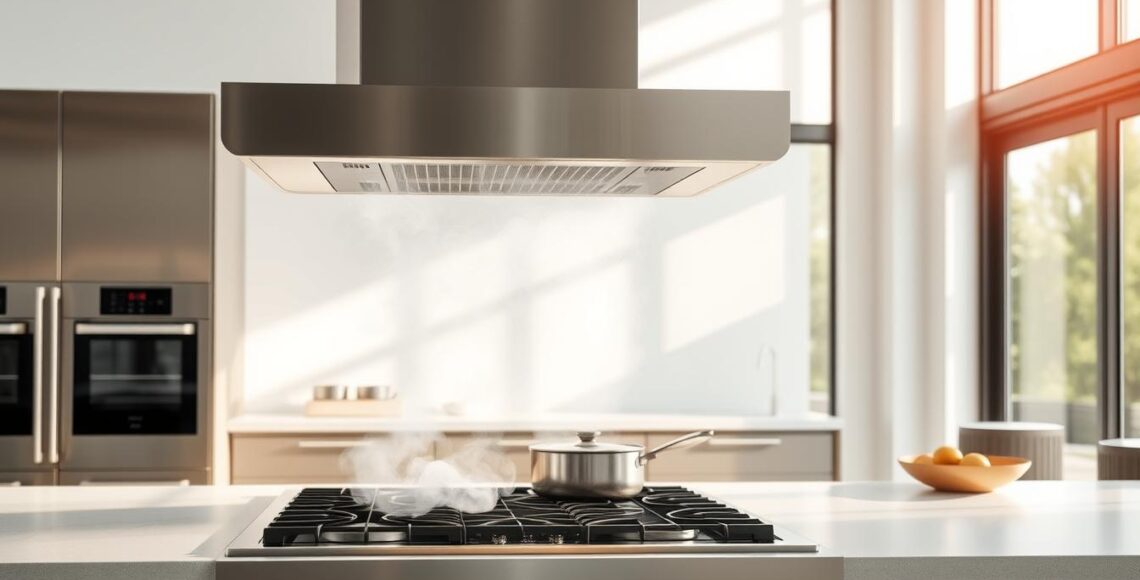
downdraft ventilation

Engineering Success: Technical Solutions for Downdraft Ventilation

We strive for engineering success in downdraft ventilation by understanding the importance of technical solutions in achieving optimal performance. Downdraft ventilation systems provide efficient airflow and ventilation in kitchens, and with the right technical solutions, we can ensure these systems meet the highest standards of quality and performance. Our company bridges architectural vision with manufacturing reality through precision and expertise, delivering exceptional results in downdraft ventilation.

By focusing on technical solutions, we can achieve engineering success in downdraft ventilation. This involves understanding the latest advancements in the field and applying them to real-world problems. With our expertise in downdraft ventilation, we can help architects and contractors create high-end custom cabinetry manufacturing solutions that meet their needs. Our goal is to provide efficient airflow and ventilation in kitchens, and we believe that technical solutions are the key to achieving this goal.

As we explore the technical aspects of downdraft ventilation, we will discuss the latest advancements in the field and provide insights into how to achieve optimal performance. Our approach combines technical expertise with a deep understanding of the needs of architects and contractors, allowing us to provide tailored solutions that meet their specific requirements. By working together, we can achieve engineering success in downdraft ventilation and create high-end custom cabinetry manufacturing solutions that exceed expectations.

Key Takeaways

  • Technical solutions are essential for achieving optimal performance in downdraft ventilation
  • Downdraft ventilation systems provide efficient airflow and ventilation in kitchens
  • Our company bridges architectural vision with manufacturing reality through precision and expertise
  • We focus on delivering exceptional results in downdraft ventilation
  • Technical expertise is crucial for creating high-end custom cabinetry manufacturing solutions
  • Collaboration is key to achieving engineering success in downdraft ventilation

Understanding Modern Downdraft Ventilation Systems

Modern downdraft ventilation systems have revolutionized the way we approach kitchen ventilation. These systems are designed to provide efficient and effective ventilation, capturing and removing cooking fumes and odors. At the heart of these systems are the core components, including the vent, motor, and control panel, which work together to create a seamless ventilation experience.

The evolution of downdraft technology has led to significant improvements in performance and efficiency. With advancements in materials and design, modern downdraft ventilation systems offer several advantages over traditional ventilation systems, including improved airflow, reduced noise, and increased energy efficiency. By understanding the core components and functionality of these systems, we can better appreciate the benefits they offer and make informed decisions when selecting a system for our kitchen.

Core Components and Functionality

The core components of modern downdraft ventilation systems include:

  • Vent: responsible for capturing cooking fumes and odors
  • Motor: powers the ventilation system, creating a smooth and efficient airflow
  • Control panel: allows for easy operation and customization of the ventilation system

Evolution of Downdraft Technology

The evolution of downdraft technology has been shaped by advances in materials and design. Modern downdraft ventilation systems are designed to be more efficient, effective, and environmentally friendly. As we continue to push the boundaries of innovation, we can expect to see even more exciting developments in the world of downdraft ventilation.

Advantages Over Traditional Ventilation

Modern downdraft ventilation systems offer several advantages over traditional ventilation systems, including:

  1. Improved airflow, resulting in a cleaner and healthier kitchen environment
  2. Reduced noise, creating a more peaceful cooking experience
  3. Increased energy efficiency, helping to reduce energy costs and minimize environmental impact

By understanding the benefits and functionality of modern downdraft ventilation systems, we can create a more efficient, effective, and enjoyable cooking experience. As we continue to innovate and push the boundaries of downdraft technology, we can expect to see even more exciting developments in the world of kitchen ventilation.

Essential Technical Specifications for Optimal Performance

To achieve optimal performance from a downdraft ventilation system, it’s crucial to consider the technical specifications. We focus on the CFM requirements, which determine the system’s ability to capture and remove cooking fumes and odors. The CFM requirement depends on the size of the kitchen, the type of cooking being done, and the desired level of ventilation.

When selecting a downdraft ventilation system, we look at the technical specifications to ensure optimal performance. This includes the system’s noise level, energy efficiency, and durability. By choosing a system with the right technical specifications, we can ensure our kitchen is well-ventilated and free from cooking fumes and odors. Some key factors to consider are:

  • CFM requirements based on kitchen size and cooking type
  • Noise level and energy efficiency
  • Durability and maintenance needs

By understanding these technical specifications, we can make informed decisions when selecting a downdraft ventilation system, ultimately achieving optimal performance and a better cooking experience.

CFM Requirements and Airflow Dynamics

When it comes to downdraft ventilation systems, understanding CFM requirements and airflow dynamics is crucial for optimal performance. We need to consider the size of the kitchen, the type of cooking being done, and the desired level of ventilation to determine the necessary CFM rating. This calculation helps us select a system that meets our needs and provides the required airflow.

Airflow pattern analysis is also essential, as it helps us understand how the system will perform in different scenarios. By analyzing airflow patterns, we can identify potential issues and optimize the system’s performance. Performance metrics and standards, such as those set by the Home Ventilating Institute (HVI), provide a framework for evaluating the system’s efficiency and effectiveness.

Calculating Necessary CFM Ratings

To calculate the necessary CFM rating, we need to consider the following factors:

  • Kitchen size and layout
  • Type of cooking and heat output
  • Desired level of ventilation

By taking these factors into account, we can determine the required CFM rating and select a system that meets our needs.

Airflow Pattern Analysis

Airflow pattern analysis involves studying the movement of air within the kitchen and the ventilation system. This helps us identify potential issues, such as:

  • Air stagnation
  • Turbulence
  • Inadequate ventilation

By analyzing airflow patterns, we can optimize the system’s performance and ensure effective ventilation.

CFM requirements and airflow dynamics

Performance Metrics and Standards

Performance metrics and standards, such as those set by the HVI, provide a framework for evaluating the system’s efficiency and effectiveness. These metrics include:

MetricDescription
CFM ratingMeasures the system’s airflow capacity
Static pressureMeasures the system’s ability to overcome resistance
Noise levelMeasures the system’s sound output

By understanding these metrics and standards, we can select a system that meets our needs and provides optimal performance.

Mechanical Integration in Modern Kitchens

When designing modern kitchens, mechanical integration is a critical aspect to consider. This involves integrating various components, such as cooktops and ranges, with the ventilation system to create a seamless and efficient cooking experience. Mechanical integration is essential in modern kitchens, as it enables the creation of a functional and aesthetically pleasing space.

A well-designed duct planning system is also crucial, as it ensures that the ventilation system is properly installed and functions as intended. This can help reduce noise, improve airflow, and increase the overall efficiency of the system. By considering mechanical integration and duct planning, we can create a modern kitchen that meets the evolving needs of users.

Some key considerations for mechanical integration in modern kitchens include:

  • Integrating the ventilation system with other kitchen components
  • Designing a duct system that is efficient and effective
  • Ensuring that the system is properly installed and maintained

By focusing on mechanical integration and duct planning, we can create modern kitchens that are both functional and aesthetically pleasing. This approach enables us to bridge the gap between architectural vision and manufacturing reality, resulting in high-end custom cabinetry manufacturing solutions that meet the needs of architects and contractors.

Advanced Duct Planning and Design Considerations

When it comes to downdraft ventilation systems, advanced duct planning is crucial for optimal performance. We consider factors such as ductwork configuration, space utilization, and material selection to create a functional and efficient system. By taking a holistic approach to duct planning, we can minimize visual impact and maximize airflow.

Advanced duct planning involves careful consideration of the ductwork configuration. This includes choosing between rectangular and round ducts, each with its own advantages and disadvantages. For example, rectangular ducts can be more space-efficient, while round ducts can provide better airflow. By selecting the right ductwork configuration, we can ensure that the system operates efficiently and effectively.

Ductwork Configuration Options

  • Rectangular ducts: ideal for space-efficient installations
  • Round ducts: provide better airflow and can be more cost-effective
  • Flexible ducts: offer flexibility in installation and can be used in tight spaces

Space utilization is also a critical factor in advanced duct planning. By using compact duct systems and flexible ducts, we can minimize the visual impact of the ductwork and create a more streamlined appearance. This is particularly important in modern kitchens, where aesthetics play a significant role in design.

Space Utilization Strategies

Our team of experts uses advanced duct planning techniques to optimize space utilization and ensure that the ductwork is both functional and efficient. By considering the specific needs of each project, we can create a customized duct system that meets the unique requirements of the space.

Installation Requirements and Best Practices

Proper installation is critical to ensuring the optimal performance of a downdraft ventilation system. We consider installation requirements, such as those related to duct sizing and routing, to be crucial in this process. By following best practices in ventilation system installation, we can improve the system’s ventilation efficiency and reduce energy consumption.

To achieve optimal performance, we recommend the following:

  • Sealing duct leaks to prevent air leakage and reduce energy losses
  • Ensuring proper ventilation rates to maintain good indoor air quality
  • Regularly maintaining the system to prevent malfunction and reduce downtime

ventilation efficiency

By following these guidelines and considering the specific installation requirements of our downdraft ventilation system, we can ensure that our system is installed correctly and provides optimal performance, while also improving ventilation efficiency and reducing energy consumption.

Performance Optimization Techniques

To optimize the performance of a downdraft ventilation system, we employ various techniques. By adjusting the fan speed and duct sizing, we can improve the system’s efficiency and reduce energy consumption through airflow adjustment methods. This is a crucial step in performance optimization, as it directly affects the system’s overall performance.

System calibration procedures are also essential, as they ensure the system is functioning as intended. This involves balancing the airflow and adjusting the ventilation rates to achieve optimal performance. By implementing these procedures, we can enhance the system’s efficiency and reduce energy consumption. Additionally, efficiency enhancement strategies, such as using energy-efficient motors and optimizing the duct system, can further improve the system’s performance.

Some key strategies for performance optimization include:

  • Airflow adjustment methods, such as adjusting fan speed and duct sizing
  • System calibration procedures, including balancing airflow and adjusting ventilation rates
  • Efficiency enhancement strategies, such as using energy-efficient motors and optimizing the duct system

By implementing these strategies, we can optimize the performance of our downdraft ventilation system, creating a more efficient and effective kitchen.

TechniqueDescription
Airflow AdjustmentAdjusting fan speed and duct sizing to improve efficiency
System CalibrationBalancing airflow and adjusting ventilation rates for optimal performance
Efficiency EnhancementUsing energy-efficient motors and optimizing the duct system

Maintenance and Troubleshooting Guidelines

Regular maintenance is crucial to ensuring the optimal performance of a downdraft ventilation system. By incorporating maintenance into our routine, we can prevent issues and improve the system’s efficiency. This includes tasks such as cleaning the filters and checking the ductwork.

When issues arise, troubleshooting techniques can help resolve them. Common problems, such as reduced airflow and increased noise, can often be resolved by checking the fan speed and adjusting the duct sizing. Performance monitoring is also essential to identify potential issues and optimize the system’s performance.

To ensure our downdraft ventilation system is functioning properly, we can follow these guidelines:

  • Regularly clean the filters to prevent clogs and maintain airflow
  • Check the ductwork for any blockages or damage
  • Monitor the system’s performance to identify potential issues

By following these maintenance and troubleshooting guidelines, we can ensure our downdraft ventilation system provides optimal performance and meets our needs. Performance monitoring and regular maintenance are key to a well-functioning system, and by incorporating these practices into our routine, we can enjoy the benefits of a efficient and effective downdraft ventilation system.

Conclusion: Maximizing Your Downdraft Ventilation Investment

As we conclude this comprehensive guide, it’s clear that a well-designed downdraft ventilation system is a valuable investment for any modern kitchen. By understanding the technical specifications, integrating the system seamlessly, and following best practices for maintenance and optimization, we can unlock the full potential of this efficient ventilation solution.

Whether you’re a homeowner seeking to enhance your cooking experience or a professional contractor aiming to deliver exceptional results, this article has provided the insights and practical strategies to maximize your ventilation efficiency. By carefully considering factors such as airflow dynamics, duct planning, and performance optimization, we can create a healthier, more comfortable, and more enjoyable cooking environment.

As you embark on your next downdraft ventilation project, remember the importance of staying informed, following industry guidelines, and partnering with experienced professionals. With the right approach, you can ensure that your investment in this transformative technology delivers lasting benefits and satisfaction.

kitchen lighting design

Strategic Lighting Design: Creating Depth and Functionality

We believe that a well-designed kitchen lighting plan is essential to creating a space that is both functional and aesthetically pleasing. As architects and contractors, we face the challenge of balancing the need for task lighting with the desire for ambient light that creates a warm and inviting atmosphere. By layering different types of lighting, including task lighting and ambient light, we can create a kitchen that is both beautiful and functional. For inspiration, consider exploring kitchen lighting design ideas that incorporate a mix of lighting types to achieve the perfect balance.

Effective kitchen lighting design is crucial to creating a space that meets the needs of homeowners. By understanding the different types of lighting, including task lighting, ambient light, and accent lighting, we can create a comprehensive lighting plan that enhances the overall functionality and visual appeal of the kitchen.

Key Takeaways

  • A well-designed kitchen lighting plan is essential to creating a functional and aesthetically pleasing space.
  • Layering different types of lighting, including task lighting and ambient light, can create a beautiful and functional kitchen.
  • Kitchen lighting design should balance the need for task lighting with the desire for ambient light.
  • Understanding the different types of lighting is crucial to creating a comprehensive lighting plan.
  • A comprehensive lighting plan can enhance the overall functionality and visual appeal of the kitchen.
  • Task lighting, ambient light, and accent lighting all play important roles in a well-designed kitchen lighting plan.

Understanding the Fundamentals of Kitchen Lighting Design

When it comes to kitchen lighting design, we must consider the various elements that come together to create a functional and inviting space. Lighting zones, light layers, and color temperature all play a crucial role in setting the mood and ambiance of a kitchen. By understanding the fundamentals of kitchen lighting design, architects and contractors can make informed decisions about lighting choices that enhance the overall aesthetic and functionality of the space.

A key aspect of kitchen lighting design is the creation of different lighting zones. These zones are designed to provide task lighting, ambient lighting, and accent lighting, each serving a specific purpose. For example, task lighting is used to illuminate specific areas, such as countertops and sinks, while ambient lighting provides overall illumination to the space. By layering these different types of light, we can create a cohesive and functional lighting plan that meets the needs of the kitchen.

The Science of Light Distribution

The distribution of light in a kitchen is critical to its overall functionality. We must consider the color temperature of the light, which can range from warm to cool, and how it affects the ambiance of the space. Warm light, typically in the range of 2700K-3000K, creates a cozy and inviting atmosphere, while cool light, typically in the range of 3500K-5000K, provides a brighter and more energizing environment. By selecting the right color temperature, we can create a lighting plan that enhances the mood and functionality of the kitchen.

Basic Principles of Kitchen Illumination

When designing a kitchen lighting plan, we must consider the basic principles of kitchen illumination. This includes providing adequate lighting for tasks, such as cooking and food preparation, as well as creating a comfortable and inviting atmosphere. By balancing lighting zones, light layers, and color temperature, we can create a kitchen that is both functional and beautiful.

Creating Effective Lighting Zones in Your Kitchen

When designing a kitchen, it’s essential to consider the different lighting zones that will be used. Task lighting is crucial for areas where specific tasks will be performed, such as food preparation and cooking. This type of lighting should be bright and focused to provide adequate illumination for these tasks.

Ambient light, on the other hand, provides overall illumination to the kitchen and can be achieved through the use of LED integration. This type of lighting can be adjusted to different levels of brightness and color temperature to create a comfortable and inviting atmosphere.

Some key considerations for creating effective lighting zones in your kitchen include:

  • Identifying the different task areas and providing adequate task lighting
  • Using ambient light to create a comfortable and inviting atmosphere
  • Integrating LED lighting to provide energy efficiency and design flexibility

By considering these factors and using a combination of task lighting, ambient light, and LED integration, you can create a well-lit and functional kitchen that meets your needs and enhances your cooking experience.

Professional Kitchen Lighting Design: A Strategic Approach

When it comes to kitchen lighting design, we consider the space as a whole, taking into account the various activities that will take place in it. A well-designed lighting plan can greatly impact kitchen safety and overall functionality. By understanding the importance of lighting design, we can create a space that is not only aesthetically pleasing but also safe and efficient.

A key aspect of professional kitchen lighting design is defining work areas and considering traffic flow. This involves identifying the different zones within the kitchen, such as cooking, preparation, and cleaning areas, and ensuring that each zone has adequate lighting. We also need to consider compliance standards to ensure that the lighting design meets all relevant regulations and codes.

Defining Work Areas

Defining work areas is crucial in kitchen lighting design. This involves identifying the different tasks that will be performed in each area and providing adequate lighting to support those tasks. For example, a cooking area may require brighter lighting than a preparation area.

Traffic Flow Considerations

Traffic flow is another important consideration in kitchen lighting design. We need to ensure that the lighting design does not create glare or shadows that could obstruct movement or create hazards. By carefully planning the lighting design, we can create a safe and efficient kitchen environment.

For more information on creating a well-designed kitchen, visit ultra-luxurious kitchen designs. By following these guidelines and considering lighting design, kitchen safety, and compliance standards, we can create a kitchen that is both beautiful and functional.

Mastering Task Lighting Implementation

Task lighting is a critical component of kitchen lighting design, focusing on providing sufficient light for specific tasks. We will delve into the implementation of task lighting, discussing various solutions and best practices. Our goal is to provide architects and contractors with the necessary expertise to create effective task lighting systems.

When it comes to task lighting, under-cabinet lighting is an essential consideration. This type of lighting provides focused illumination for countertops and work areas, making it ideal for food preparation and cooking. LED solutions are particularly well-suited for under-cabinet lighting, offering flexibility, energy efficiency, and design possibilities.

Key Considerations for Task Lighting

  • Under-cabinet lighting: provides focused illumination for countertops and work areas
  • Island and preparation areas: require sufficient lighting for food preparation and cooking
  • Sink and cooktop illumination: must be carefully planned to ensure safety and visibility

By incorporating task lighting, under-cabinet lighting, and LED solutions into kitchen design, we can create functional and visually appealing spaces. As experts in custom cabinetry manufacturing, we understand the importance of balancing aesthetics and functionality. Our team is dedicated to providing high-end solutions that meet the unique needs of each project.

By working together, we can create kitchens that are not only beautiful but also functional and safe. Our expertise in task lighting implementation, combined with our commitment to quality and precision, ensures that every project meets the highest standards.

Lighting TypeBenefits
Task LightingProvides focused illumination for specific tasks
Under-Cabinet LightingOffers flexibility, energy efficiency, and design possibilities
LED SolutionsDelivers high-quality light with minimal energy consumption

The Role of Ambient Light in Kitchen Spaces

Ambient light plays a significant role in setting the mood and ambiance of a kitchen, creating a welcoming and comfortable environment. We believe that a well-designed lighting plan should incorporate a balance of ambient, task, and accent lighting to achieve a harmonious lighting design.

When it comes to kitchen ambiance, ambient light can make or break the atmosphere. By using a combination of natural and artificial light sources, we can create a warm and inviting space that is perfect for cooking, entertaining, and socializing. Some ways to achieve this include:

  • Using ambient light to create a sense of depth and dimension in the kitchen
  • Incorporating natural light sources, such as skylights or large windows, to enhance the kitchen ambiance
  • Installing dimmable lighting fixtures to adjust the lighting design to suit different tasks and moods

By considering the role of ambient light in kitchen spaces, we can create a lighting design that is both functional and aesthetically pleasing, enhancing the overall kitchen ambiance and making the space a joy to be in.

Advanced LED Integration Techniques

As we continue to explore the world of kitchen lighting, it’s essential to discuss the role of LED integration in creating a functional and aesthetically pleasing space. LED integration offers a range of benefits, including energy efficiency and design flexibility. When it comes to color temperature, it’s crucial to select the right tone to enhance the ambiance of the kitchen.

Color Temperature Selection

The color temperature of LED lights can significantly impact the mood and atmosphere of the kitchen. Warm white lights, with a color temperature of around 2700K-3000K, can create a cozy and inviting ambiance, while cool white lights, with a color temperature of around 3500K-5000K, can produce a brighter and more energizing atmosphere.

Dimming Systems and Controls

Dimming systems and controls are essential components of LED integration, allowing for flexibility and adjustability in lighting levels. By installing dimming systems, homeowners can easily adjust the lighting to suit their needs, whether it’s for cooking, dining, or entertaining. Some popular dimming systems include pulse-width modulation (PWM) and analog dimming.

Here are some benefits of dimming systems:

  • Energy efficiency: Dimming systems can help reduce energy consumption by adjusting the lighting levels according to the task at hand.
  • Flexibility: Dimming systems allow for adjustability in lighting levels, making it easy to create the perfect ambiance for any occasion.
  • Longer lifespan: Dimming systems can help extend the lifespan of LED lights by reducing the heat generated by the lights.

LED integration techniques

Energy Efficiency Considerations

When it comes to LED integration, energy efficiency is a top priority. By selecting the right LED lights and dimming systems, homeowners can significantly reduce their energy consumption and lower their utility bills. Some popular energy-efficient LED options include LED strips and LED panels.

By incorporating these advanced LED integration techniques, homeowners can create a kitchen that is not only functional and efficient but also aesthetically pleasing and inviting.

Eliminating Shadows and Dark Spots

We understand that shadows and dark spots can significantly detract from the functionality and ambiance of a kitchen. To address this issue, we focus on strategies for shadow elimination through effective lighting design. This involves careful placement of light sources, use of reflective surfaces, and integration of kitchen lighting design elements.

A well-lit kitchen space is not only more inviting but also safer and more functional. By incorporating the right lighting design elements, we can create a space that is both beautiful and functional. Some key considerations for shadow elimination include:

  • Task lighting: Providing sufficient light for specific tasks, such as cooking or food preparation.
  • Ambient lighting: Creating a warm and inviting atmosphere through the use of overhead lighting or natural light.
  • Accent lighting: Highlighting specific design elements or features in the kitchen.

By carefully balancing these different types of lighting, we can create a kitchen lighting system that is both functional and aesthetically pleasing. This, in turn, can help to eliminate shadows and dark spots, creating a more welcoming and inviting kitchen space.

Through our expertise in lighting design and kitchen lighting, we can help you create a space that is both beautiful and functional. By working together, we can eliminate shadows and dark spots, creating a kitchen that is perfect for cooking, entertaining, and making memories.

Lighting TypePurposeBenefits
Task LightingProvides light for specific tasksImproves safety and functionality
Ambient LightingCreates a warm and inviting atmosphereEnhances mood and ambiance
Accent LightingHighlights specific design elementsAdds visual interest and depth

Layering Light for Maximum Impact

When it comes to creating a comprehensive and engaging lighting design, layering light is a technique that can elevate the aesthetic and functional appeal of a kitchen. By combining primary light sources, accent lighting, and decorative lighting elements, we can create a space that is both beautiful and functional.

Layering light involves using different types of lighting to create a layered effect, with each layer serving a specific purpose. Primary light sources, such as overhead lighting, provide overall illumination, while accent lighting is used to highlight specific features or tasks, and decorative lighting adds a touch of style and sophistication.

Primary Light Sources

Primary light sources are the foundation of a layered lighting design. These can include overhead lighting, such as ceiling fixtures or recessed lights, which provide overall illumination and set the tone for the space.

Accent Lighting Placement

Accent lighting is used to draw attention to specific features or tasks, such as under-cabinet lighting or pendant lights over an island. By strategically placing accent lighting, we can create a sense of depth and visual interest in the space.

Decorative Lighting Elements

Decorative lighting elements, such as chandeliers or sconces, add a touch of style and sophistication to the space. These elements can be used to create a sense of ambiance and personality in the kitchen, and can be layered with other types of lighting to create a unique and engaging design.

By layering light in this way, we can create a kitchen that is not only functional and efficient but also beautiful and inviting. Whether you’re a homeowner looking to update your kitchen or a designer seeking to create a unique and engaging space, layering light is a technique that can help you achieve your goals.

Color Temperature and Mood Enhancement

We understand that the color temperature of lighting can significantly influence the mood and ambiance of a kitchen. As we explore the impact of color temperature, it’s essential to consider the balance between natural and artificial light. This balance is crucial in creating a harmonious atmosphere, and it’s where natural light balance plays a vital role.

When it comes to mood enhancement, different color temperatures can be used to create specific moods or atmospheres. For instance, warm color temperatures can create a cozy and inviting atmosphere, while cool color temperatures can create a more energizing and refreshing ambiance. By selecting the right color temperature for various kitchen areas and activities, we can enhance the overall mood and functionality of the space.

Natural vs. Artificial Light Balance

Achieving a balance between natural and artificial light is crucial in maintaining a comfortable and inviting atmosphere. By considering the time-of-day factors, we can adjust the lighting to complement the natural light and create a seamless transition between day and night. This balance is essential in creating a natural light balance that enhances the overall mood and ambiance of the kitchen.

color temperature and mood enhancement

Time-of-Day Considerations

As we consider the time-of-day factors, it’s essential to think about how the lighting can be adjusted to complement the natural light. By using color temperature to our advantage, we can create a lighting system that adapts to the changing light conditions throughout the day. This not only enhances the mood and ambiance but also provides a functional and efficient lighting solution.

Future-Proofing Your Kitchen Lighting System

As technology continues to evolve, future-proofing a kitchen lighting system is essential to ensure it remains relevant and functional. We believe that integrating smart lighting technologies is a crucial step in this process. By incorporating smart lighting, homeowners can enjoy increased energy efficiency, convenience, and flexibility in their kitchen lighting design.

Some strategies for future-proofing a kitchen lighting system include:

  • Designing a flexible lighting plan that can adapt to changing needs and technologies
  • Specifying lighting fixtures and controls that are compatible with emerging trends and technologies
  • Considering the potential for integration with other smart home systems

By taking a proactive approach to future-proofing, architects and contractors can help homeowners create a kitchen lighting system that is both functional and forward-thinking. This approach can also help to ensure that the system remains relevant and effective over time, even as new technologies and trends emerge.

Conclusion: Implementing Your Strategic Lighting Plan

As we’ve explored throughout this article, a strategic approach to kitchen lighting design is essential for creating a functional, visually appealing, and energy-efficient space. By understanding the fundamentals of light distribution, defining effective lighting zones, and mastering task lighting techniques, you can transform your kitchen into a harmonious blend of form and function.

To implement your strategic lighting plan, start by working closely with your clients to understand their lifestyle, aesthetic preferences, and specific needs. Collaborate with them to select the right mix of lighting fixtures, ensuring that each element serves a purpose and contributes to the overall cohesion of the design. Remember to consider factors such as color temperature, dimming capabilities, and energy efficiency to future-proof your lighting system.

By following the principles and strategies outlined in this article, you can create a kitchen that not only looks stunning but also provides the perfect balance of illumination for every task and activity. Embrace the power of strategic kitchen lighting design and elevate your clients’ culinary experience to new heights.

Coordinating Trades in Kitchen Renovations: Solutions for Common Installation Conflicts

Kitchen renovation coordination can be tricky, especially with many trades involved. It’s key to schedule and sequence installations well for a smooth project. Our experience in custom cabinetry helps us solve common installation problems.

We aim to make architectural dreams a reality with precision and skill. Focusing on coordination, scheduling, and sequence helps us tackle challenges. Our goal is to guide you through trade coordination and avoid conflicts for a great kitchen renovation.

We’ve learned a lot from managing complex kitchen projects. Good coordination, scheduling, and sequence planning are crucial. They help avoid delays, save money, and ensure quality. In this article, we’ll share our knowledge and offer tips to overcome installation conflicts and achieve a successful kitchen renovation.

Understanding the Complexity of Kitchen Renovation Coordination

Kitchen renovation coordination is complex and needs careful planning. We know how important it is to understand this to get good results. Architects and contractors can handle challenges better and avoid delays by knowing the details.

Effective conflict resolution is key in kitchen renovation projects. It helps solve problems quickly, avoiding cost overruns and delays. A good site coordination plan is essential. It outlines who does what and has a strong workflow management system to keep tasks on track.

Key Trades Involved in Kitchen Renovations

The main trades in kitchen renovations are electrical, plumbing, and mechanical. Knowing where these trades overlap is crucial for a smooth project. For example, electrical and plumbing work must be coordinated to avoid problems.

Common Points of Trade Overlap

Some common areas where trades overlap include:

  • Electrical and plumbing installations
  • Mechanical system integration
  • Flooring and cabinet installations

Critical Path Dependencies

Identifying critical path dependencies is important for managing the project timeline. It involves looking at the task sequence and finding the most important ones. This way, architects and contractors can plan better and use resources wisely.

Pre-Construction Planning: Setting the Foundation for Success

We know how key pre-construction planning is in kitchen makeovers. A clear trade scheduling and installation sequence help architects and contractors work together smoothly. This reduces the chance of delays and conflicts.

Our team is ready to create a detailed pre-construction plan for your project. This plan will outline a project schedule, spot potential risks, and have a backup plan. Good trade scheduling means resources are used well and there’s less downtime.

A smart installation sequence is also key. It makes sure each trade is done in the right order, avoiding extra work and delays. With solid pre-construction planning, we can turn your vision into reality. This means delivering top-notch custom cabinetry that meets your needs.

  • Defining project scope and objectives
  • Establishing a realistic timeline and budget
  • Identifying potential risks and developing mitigation strategies
  • Coordinating with all stakeholders, including architects, contractors, and suppliers

By sticking to these steps and focusing on pre-construction planning, we make sure our kitchen renovation projects are done right. They’re completed efficiently, effectively, and to the highest quality standards.

Creating an Effective Trade Schedule Timeline

Effective site coordination is key for a successful kitchen renovation. A well-planned trade schedule timeline helps ensure all trades work together smoothly. This way, the project finishes on time.

Creating a good trade schedule timeline starts with setting a work sequence. You need to know the critical steps and add extra time for surprises. This helps manage the project timeline well, making sure all trades work together.

Sequence of Work Guidelines

  • Identify critical path dependencies
  • Allocate buffer time for unexpected delays
  • Establish a sequence of work guidelines for all trades

Our team can create a custom trade schedule timeline for your project. We consider your project’s specific needs. This way, your kitchen renovation will be done on time and within budget.

Following these guidelines helps architects and contractors succeed in their kitchen renovation projects. With good site coordination, workflow management, and mechanical systems integration, you can meet your project goals and deliver quality results.

Mechanical, Electrical, and Plumbing Integration Strategies

We know how key effective MEP integration is in kitchen makeovers. By crafting special electrical planning plans, architects and builders can make sure all systems work well together. This avoids problems and keeps the project flowing smoothly.

Our skilled team can create custom plumbing integration plans for your project. We focus on your specific needs and goals. This includes:

  • Working with trades to install things on time and right
  • Doing detailed site checks to spot any issues early
  • Creating detailed plans to lower risks and follow rules

By focusing on MEP integration, we aim to make your kitchen renovation projects top-notch.

Integration StrategyBenefits
Customized electrical planningMinimized conflicts, improved workflow
Tailored plumbing integrationEnhanced efficiency, reduced risks

Managing Space Conflicts Between Different Trades

Effective site coordination is key in handling space issues between trades. Architects and contractors can avoid delays and keep the workflow smooth. Reports show that good planning can cut conflict chances by up to 30%.

Our team crafts space management plans for each project. We focus on ceiling and wall cavity coordination, floor plan optimization techniques, and access point planning. This way, we make sure all trades have enough room to work. It reduces conflicts and boosts site coordination.

Important steps for managing space conflicts include:

  • Coordinating installations to avoid overlap
  • Optimizing floor plans to cut down on congestion
  • Planning access points for better workflow

By focusing on conflict resolution and site coordination, we aim for projects that are on time, within budget, and top quality.

Communication Protocols for Successful Kitchen Renovation Coordination

Good communication is key to a successful kitchen renovation. We need clear rules to keep everyone informed and working together. This means using digital tools, writing down what we need, and having daily meetings.

Digital tools help us manage the work and keep the site running smoothly. They let architects, contractors, and workers work together better. This cuts down on mistakes and delays. Tools like project management software and communication apps are very helpful.

Digital Tools for Trade Management

  • Project management software to track progress and deadlines
  • Communication platforms for real-time collaboration and issue resolution
  • Data sharing systems to ensure accurate and up-to-date information

Keeping detailed records is also important. We need to track progress, changes, and any problems. This makes sure we follow the rules and everyone knows what’s happening.

Documentation Requirements

Having regular meetings is another key part of good communication. These meetings help us talk about how things are going, solve problems, and make sure we’re all on the same page. This way, we build trust and work together towards our goals.

Resolving Common Installation Conflicts on Site

When we bring architectural dreams to life, we sometimes face installation conflicts. Our team is ready to help architects and contractors find solutions. We focus on conflict resolution strategies that fit each project. This way, we can solve problems fast and keep the installation sequence moving.

Studies show that conflict resolution is key to a smooth construction process. By working together, we can spot and fix issues early. This teamwork is what drives our mission to make architectural visions a reality with precision and skill.

Here are some important steps for conflict resolution:

  • Clear communication and documentation
  • Regular site meetings and updates
  • Being proactive in finding and fixing problems

Quality Control Measures Across Trade Work

We aim to provide top-notch custom cabinetry solutions. Quality control is key to meeting standards. Our team focuses on quality control, including inspections, documentation, and compliance checks. This ensures all work is done to the highest level, showing our dedication to precision and skill.

Our quality control is based on workflow management. This helps us manage processes, spot issues early, and fix them fast. It prevents mistakes, cuts down on rework, and makes sure work is done well and quickly. By combining quality control with workflow management, we promise our clients the best products and services.

Key Quality Control Measures

  • Regular inspection checkpoints to verify compliance with industry standards and regulations
  • Documentation procedures to record and track all aspects of the trade work, including materials, labor, and timelines
  • Compliance verification processes to ensure that all work meets the required standards and regulations

By using these quality control steps, we ensure our work is top-notch. Our team is committed to outstanding results. We believe our quality control approach is crucial to achieving this goal.

Emergency Response Protocols for Installation Issues

Even with the best plans, installation problems can still happen. It’s key to have emergency plans ready for conflict resolution and to avoid delays. Our team can create emergency plans that fit your project’s needs, ensuring smooth site coordination.

Studies on project management show the need for being ready for surprises. With a plan, architects and contractors can tackle issues fast. This helps avoid delays and cost increases. Important parts of emergency plans include:

  • Spotting risks and finding ways to lessen them
  • Setting up clear ways to report problems
  • Having a backup plan for unexpected delays

By focusing on conflict resolution and site coordination, we help you manage kitchen renovation projects well. Our knowledge in custom cabinetry lets us offer specific help and advice at every project stage.

Conclusion: Mastering Multi-Trade Kitchen Renovation Management

Mastering kitchen renovation coordination is key to successful projects. It ensures they are done on time, within budget, and meet high standards. By using the strategies and best practices from this article, architects and contractors can handle multi-trade challenges well.

Good planning, detailed trade scheduling, and clear communication are crucial. They help integrate the work of different tradespeople smoothly. This way, professionals can avoid delays and keep the project moving forward.

Understanding the industry’s complexities is vital. It’s also important to use the latest tools and techniques. Our team is here to help you turn your vision into reality. We offer solutions that improve the customer experience and boost your reputation.

Critical Milestones: Timeline Planning for Custom Cabinetry Projects

A well-planned custom cabinetry timeline is key to any project’s success. Our team works hard to turn architectural dreams into reality. We focus on the timeline to avoid delays and ensure quality results that meet our clients’ needs.

We plan every custom cabinetry project carefully, from the first meeting to the final installation. Breaking the project into phases helps us manage it well. This includes choosing materials, preparing the site, and installing the cabinetry. We work closely with our clients to make sure their vision is brought to life.

By focusing on planning and managing the timeline, we avoid delays. Our goal is to deliver outstanding results. In the next sections, we’ll share more about planning custom cabinetry projects. This will help architects and contractors plan with confidence.

Understanding the Custom Cabinetry Timeline: A Comprehensive Overview

Custom cabinetry projects need a solid manufacturing schedule for timely completion. We team up with architects and contractors to craft a installation timeline that fits their needs and deadlines.

Custom cabinetry projects usually take 6 to 12 weeks. This depends on the design’s scope and complexity. Our experts will help you from the start to the end, making the process smooth and efficient.

Typical Project Duration Expectations

The time it takes for a custom cabinetry project varies. Here are some general guidelines:

  • Simple designs: 6-8 weeks
  • Medium-complexity designs: 8-10 weeks
  • High-complexity designs: 10-12 weeks

Key Phases of Cabinet Production

The cabinet production process has several key phases. These include design, material selection, and manufacturing. Each phase is crucial for the manufacturing schedule and installation timeline.

Factors Affecting Timeline Length

Several factors can change a custom cabinetry project’s timeline. These include design changes, material availability, and production capacity. Our team works with clients to spot risks and find ways to avoid them. This ensures a smooth and efficient project timeline.

Initial Consultation and Design Phase

We start by meeting with architects and contractors for an initial consultation. We work together to understand their vision and what they need for the custom cabinetry project. This is a key step to make sure the project is possible and meets their expectations.

Our team of experts helps with design choices, picking materials, and setting a budget. These are all important for getting design approval.

Next, we dive into project planning to make a detailed design plan. This includes 3D renderings and specific details. This plan is the base of the project, covering the scope, timeline, and budget.

By working closely with our clients, we make sure the final product is what they want and more.

Some important parts of our initial consultation and design phase are:

  • Talking about design options and materials
  • Creating a detailed design plan and 3D renderings
  • Setting a project timeline and budget
  • Working with architects and contractors for a unified vision

We aim to give our clients a smooth and efficient experience, from the first meeting to the final installation. By focusing on design approval and project planning, we make sure every part of the custom cabinetry project is well thought out and done right.

Material Selection and Sourcing Process

The material selection and sourcing process is key in a custom cabinetry project. Our team will help you choose the right materials. They must meet the project’s needs for both function and look. This step is vital in the coordination schedule, affecting the project’s timeline.

We offer many wood and finish options, like exotic hardwoods and custom finishes. Our team will help pick the best materials for your project. They consider things like sustainability and durability. The schedule will be adjusted to get the materials on time.

Wood and Finish Options

We have a variety of wood species and finishes to choose from, including:

  • Oak
  • Maple
  • Cherry
  • Walnut

Our team will help you find the perfect wood and finish for your needs.

Hardware Selection Timeline

Choosing the right hardware is also important. We’ll help you pick the perfect hardware for your cabinetry. It must fit the project’s needs for both function and look. The hardware selection timeline will be part of the overall schedule for a smooth project.

Special Material Considerations

We also consider special material needs, like sustainability and durability. Our team will help choose the best materials for your project. They consider environmental impact and long-term performance. The schedule will be adjusted to ensure timely delivery of the materials.

Project Planning and Documentation Requirements

Effective project planning is key for a successful custom cabinetry project. We help clients create a detailed plan. This includes a timeline, budget, and what needs to be done.

Our team makes sure all important documents are ready before we start. This includes permits and approvals.

During site preparation, we take precise measurements and create templates. This helps us avoid problems and adjust the plan if needed.

Some important parts of our planning and documentation are:

  • Creating a detailed project schedule
  • Setting a budget and scope of work
  • Getting the necessary permits and approvals
  • Preparing the site, including measurements and templating

By working closely with our clients and following a strict planning and documentation process, we ensure their project is done on time and within budget. It will also meet their exact needs.

Manufacturing Schedule Breakdown

We know how crucial a well-planned manufacturing schedule is for quality custom cabinetry. Our team works closely with clients. We make sure every part, from custom doors to hardware, meets our high standards.

Our manufacturing schedule is made for a smooth and efficient process. It has many quality control checks. This helps us catch and fix any problems quickly, so the final product is just what our clients want.

Custom Component Production

We create custom parts like doors, drawers, and shelves. We use top-notch materials and precise craftsmanship. This ensures every part meets our quality standards.

Quality Control Checkpoints

Our quality control has many checks. We inspect raw materials, semi-finished parts, and finished products. This way, we can quickly find and fix any issues, making sure the final product is perfect.

Assembly Process Timeline

Our assembly timeline is carefully planned. We make sure every part is put together correctly and efficiently. We mix traditional craftsmanship with modern technology for perfect joints and finishes.

By sticking to our manufacturing schedule and quality control, we ensure every custom cabinetry project is top-notch. It meets our high standards and exceeds our clients’ expectations.

Site Preparation Guidelines

Proper site preparation is key for a successful custom cabinetry installation. We team up with our clients to get the site ready for installation. This includes removing old cabinets and preparing walls and floors.

This step is vital for a smooth installation process. It directly affects the installation timeline.

Our team will help you through the site preparation. This includes measuring and templating for a perfect fit. We catch any issues early and fix them before starting, keeping the project on track.

  • Clear the area where the cabinets will be installed, removing any debris or obstacles.
  • Verify that the walls and floors are level and secure, making any necessary adjustments before installation.
  • Plan for the installation timeline, taking into account the time required for site preparation, cabinet delivery, and the actual installation process.

By following these guidelines and working together, we ensure your custom cabinetry project is done efficiently. We focus on site preparation and a well-planned installation timeline.

Coordination Between Stakeholders

Getting everyone on the same page is key for a custom cabinetry project to succeed. We keep the lines of communication open with designers, contractors, and clients. A detailed coordination schedule makes sure everything runs smoothly and on time.

Our team works hand in hand with designers to set up a designer communication schedule. We share updates and progress reports regularly. This teamwork helps us tackle any issues or changes quickly, keeping the project moving forward.

We also make sure contractors fit into the contractor integration timeline seamlessly. This ensures the custom cabinetry is installed right on schedule.

We make sure to get client approval at key points in the project. Keeping our clients in the loop and happy is important to us. This way, we can make any needed changes and deliver a top-notch custom cabinetry solution that meets their dreams.

  • Improved communication among stakeholders
  • Enhanced project efficiency
  • Increased client satisfaction

By focusing on coordination and client approval, we guarantee every custom cabinetry project meets the highest standards. We make sure it meets the unique needs and expectations of our clients.

Delivery and Installation Planning

We know how crucial timely delivery and installation are in custom cabinetry projects. Our team works closely with clients to find a delivery and installation time that fits their schedule. We consider the delivery timing and installation timeline carefully. This ensures a smooth process that doesn’t disrupt the client’s work.

Our team coordinates with architects, contractors, and clients for a seamless process. We use technical terms and clear explanations to keep everyone informed. For instance, we give detailed info on the installation timeline, including how long it will take and any prep work needed.

Some important things we consider in our planning include:

  • Ensuring the custom cabinetry is properly packed and transported to the site
  • Working with contractors and architects for a smooth installation
  • Keeping clients updated on the delivery timing and installation timeline

By working together, we make sure the delivery and installation go smoothly. We aim to match the client’s vision with the reality of manufacturing. Our precision and expertise help us plan the delivery timing and installation timeline carefully.

Quality Assurance and Inspection Protocols

As we near the end of our custom cabinetry project, our team does a detailed quality check. We look for any damage or defects in the custom cabinetry. This ensures our clients get a perfect final product.

Our quality control process is detailed and includes many checks. We do a final inspection to make sure everything meets our high standards. This includes the materials and the craftsmanship.

Pre-Installation Checks

Before we install the custom cabinetry, we do a series of checks. These checks include:

  • Verifying the accuracy of the cabinetry’s dimensions and design
  • Inspecting the materials and finishes for any defects or damage
  • Confirming that all hardware and components are properly installed and functioning correctly

Post-Installation Verification

After installing the custom cabinetry, we do a thorough check. This includes a final inspection to make sure it’s installed right. We check if it’s level and securely fastened.

By following strict quality control and inspection protocols, we ensure our custom cabinetry is top-notch. It meets the highest standards and exceeds our clients’ expectations.

Managing Timeline Adjustments and Contingencies

Effective project planning is key for a successful custom cabinetry project. We know changes can happen, and timeline adjustments might be needed. Our team is flexible and adaptable, keeping the project on track and meeting client expectations.

We create a backup plan for possible issues, like design changes or material shortages. This plan includes:

  • Regular talks with clients to update on project progress and solve concerns
  • Finding and fixing potential problems before they start
  • Making timeline adjustments when needed to keep the project on schedule

By working closely with our clients and using project planning and timeline adjustments, we ensure the final product meets their needs and goes beyond their expectations.

We aim to offer top-notch custom cabinetry solutions that match architectural dreams with real-world manufacturing. By focusing on project planning and being proactive with timeline adjustments, we achieve outstanding results and build lasting relationships with our clients.

Project PhaseTimeline Adjustment Strategy
DesignRegular design reviews and revisions as needed
ManufacturingImplementation of lean manufacturing principles to optimize production
InstallationCoordinated installation scheduling to minimize delays

Conclusion: Ensuring Your Custom Cabinetry Project’s Success

The success of your custom cabinetry project depends on careful planning and attention to detail. By following the steps in this article, you can ensure your project is done on time and within budget. It will also meet your expectations fully.

At ABC Custom Cabinetry, we aim to make your vision a reality. Our team of experts has the experience and knowledge to guide you through every step. Whether you’re an architect, contractor, or homeowner, you can count on us to deliver top-notch custom cabinetry.

Starting your custom cabinetry project? Remember, good communication and teamwork are crucial. Working with our team, you’ll manage the custom cabinetry timeline smoothly. This way, your project success is guaranteed.

custom cabinet hardware

Specifying Custom Cabinetry Hardware: A Technical Guide for Architects

Choosing custom cabinet hardware can be tricky with so many options and technical needs. Our team of experts is here to help. We aim to guide architects through the technical side of custom cabinetry hardware. This ensures your designs fit perfectly and look great.

Reports show that custom cabinetry hardware is key in luxury interior design. It needs careful planning and installation. We’ll cover the important parts of custom cabinetry hardware, like choosing the right hardware. This way, architects can design spaces that are both unique and useful for their clients.

In this guide, we’ll dive into the technical details of custom cabinetry hardware. We’ll use examples and industry terms to make it clear. Our knowledge in custom cabinet hardware and selection will help architects make better choices. This leads to cabinetry that is not only high-quality but also meets client expectations.

Understanding Custom Cabinet Hardware Fundamentals

Understanding custom cabinet hardware is key for architects. We’ll look at the basics of hardware in custom cabinets. This includes door mechanisms and choosing the right hardware. The American National Standards Institute (ANSI) has guidelines for these aspects.

Exploring custom cabinet hardware means looking at different parts and materials. Material selection is important for quality and durability. Common materials are stainless steel, brass, and aluminum.

Types of Hardware Components

  • Door hinges
  • Drawer slides
  • Handles and knobs

Choosing the right hardware is crucial. It affects both function and look of the cabinets. For example, soft-close mechanisms make doors quiet and smooth. High-quality handles and knobs add elegance.

Material Considerations

Material choice is critical in custom cabinet hardware. It affects how well the hardware works and lasts. Architects should think about corrosion resistance, durability, and upkeep when picking materials. The right materials and components ensure top-quality cabinets.

Essential Factors in Hardware Selection Process

When picking custom cabinetry hardware, we look at a few key things. Functionality and aesthetics are very important. They affect how well the cabinet works and how it looks. A study by the National Kitchen and Bath Association (NKBA) shows that custom pulls and drawer slides are vital.

Choosing the right custom pulls and drawer slides is crucial. We check things like how strong they are, how much they can hold, and how easy they are to use. Here are some important things to think about:

  • Material and finish
  • Weight capacity and durability
  • Ease of installation and maintenance
  • Aesthetics and design compatibility

By carefully picking these factors, we make sure the custom cabinetry works well and looks great.

Hardware ComponentMaterial OptionsWeight Capacity
Custom PullsBrass, Bronze, Stainless SteelUp to 50 lbs
Drawer SlidesSteel, Aluminum, WoodUp to 100 lbs

Load-Bearing Specifications and Technical Requirements

When we talk about custom cabinetry hardware, load-bearing specs and tech requirements are key. We need to make sure the hardware can handle the load it’s meant for. This ensures safety and durability. The International Code Council (ICC) gives us guidelines on load-bearing specs and tech requirements.

The load capacity of custom cabinetry hardware is very important. Proper hardware installation is crucial to make sure it can handle the load. We need to look at weight capacity guidelines and stress testing parameters to figure out the max load it can handle.

Weight Capacity Guidelines

The weight capacity guidelines help us figure out the max load custom cabinetry hardware can handle. These guidelines consider the type of hardware, its material, and its use. For example, hardware for heavy-duty places like commercial kitchens needs to handle more load than residential hardware.

Stress Testing Parameters

Stress testing parameters help us see how well custom cabinetry hardware performs under different loads and conditions. These parameters help us know if the hardware can handle stress and fatigue over time. By looking at these parameters, we can pick hardware that meets the load capacity and tech requirements.

By following load-bearing specs and tech requirements, we can make sure our custom cabinetry hardware is safe and durable. Hardware installation is a big part of this. We need to work with architects and contractors to make sure the hardware is installed right and works as it should.

Hardware TypeLoad CapacityStress Testing Parameters
Heavy-Duty Hinges500 lbs100,000 cycles
Standard Hinges200 lbs50,000 cycles

Premium Door Mechanism Options

Premium door mechanisms are key in high-end interior design. They offer both better functionality and looks. Soft-close and push-to-open systems are popular for their ability to improve design and function in custom cabinets.

These mechanisms come with enhanced durability and smooth operation. They are a top choice for architects and contractors looking for high-end custom cabinetry. They work well in different cabinets, like kitchen, bathroom, and closet systems.

Using premium door mechanisms in custom cabinetry designs helps us create top-notch solutions. These meet the high standards of our discerning clients.

Premium door mechanisms are a key component of high-end custom cabinetry, offering a unique blend of form and function that can elevate the overall design and functionality of a room.

As we explore new designs in custom cabinetry, premium door mechanisms will become even more crucial. They help us create innovative and practical solutions for architects, contractors, and homeowners.

Advanced Drawer Slide Technologies

Advanced drawer slide technologies are key in custom cabinetry. They bring better function, durability, and looks. This makes them great for architects and contractors wanting unique, useful spaces.

Ball-Bearing Systems

Ball-bearing systems use ball bearings to cut down on friction. This makes drawers move smoothly and quietly. It’s perfect for places that get a lot of use.

Soft-Close Mechanisms

Soft-close mechanisms let drawers close slowly and quietly. This helps avoid damage and injury. It’s great for busy areas like kitchens and bathrooms.

Push-to-Open Solutions

Push-to-open solutions get rid of handles or knobs. This makes the look sleek and modern. It also makes it easy to get into the drawer.

Using advanced drawer slide technologies in custom cabinetry lets architects and contractors make beautiful, functional spaces. With ball-bearing systems, soft-close mechanisms, and push-to-open solutions, the options are endless.

  • Enhanced functionality
  • Increased durability
  • Improved aesthetics
  • Smooth and quiet operation

Choosing the right advanced drawer slide technologies helps architects and contractors make custom cabinetry that’s both beautiful and functional. This meets and exceeds their clients’ needs.

Custom Cabinet Hardware Finishes and Materials

Custom cabinet hardware’s finishes and materials are key to its design and function. Thinking about hardware finishes and material considerations is crucial. We need to balance durability, looks, and upkeep. The American Society for Testing and Materials (ASTM) offers guidelines for these aspects, including metal types and properties.

Metal Types and Properties

Brass, bronze, and stainless steel are common metals in custom cabinet hardware. Each metal has special qualities like corrosion resistance and strength. These qualities make them perfect for various uses.

Protective Coatings

The protective coating also matters a lot. Powder coating, electroplating, and anodizing are common ones. These coatings offer benefits like corrosion and scratch resistance, and they keep the color looking good.

Environmental Resistance Factors

It’s also key to think about how the hardware will handle humidity, temperature, and chemicals. Choosing hardware that stands up to these factors helps keep the cabinetry looking and working well for a long time.

Installation Specifications and Best Practices

Proper hardware installation is key for the safety, durability, and function of custom cabinetry. The National Association of the Remodeling Industry (NARI) stresses the importance of following best practices. They recommend checking the NARI guidelines for detailed installation specs.

For a successful installation, consider these important factors:

  • Load-bearing capacity
  • Material compatibility
  • Stress testing parameters

By following these guidelines and sticking to best practices in hardware installation, architects and contractors can make high-quality custom cabinetry. This meets the needs of their clients. As professionals, we know how crucial precision and expertise are in turning architectural dreams into reality.

Durability Testing and Quality Assurance Protocols

Custom cabinetry hardware is key, but we must focus on its durability and quality. At our company, we make sure our products pass durability testing to meet top standards.

The International Organization for Standardization (ISO) sets rules for quality assurance protocols. These include cycle testing and standards for resisting corrosion. These are crucial for checking how well custom cabinetry hardware works and lasts.

Cycle Testing Methods

Cycle testing makes hardware go through lots of use to see how it holds up. It finds weak spots and makes sure our products can handle daily life.

Corrosion Resistance Standards

Standards for resisting corrosion are vital. They help ensure our hardware won’t get damaged by moisture or humidity. Following these standards means our products stay strong and work well for a long time.

By focusing on durability testing and quality assurance protocols, we improve the quality and performance of custom cabinetry hardware. This gives our clients durable and lasting solutions for their designs.

Integration with Different Cabinet Styles

Custom cabinetry hardware needs to fit well with various cabinet styles. We work with architects and contractors to make sure our hardware matches different designs. This includes modern, traditional, and transitional styles.

Integrating hardware with different cabinet styles has many benefits. It improves both function and looks. Homeowners get more storage and a consistent look. Our team looks at the cabinet’s design, material, and finish to make sure everything fits well together.

Some popular cabinet styles we work with include:

  • Modern: known for clean lines, simple designs, and focus on function.
  • Traditional: has classic looks, detailed designs, and a cozy feel.
  • Transitional: mixes modern and traditional, offering a balanced look.

We tailor our solutions to fit each cabinet style’s unique features. Whether it’s a modern kitchen or a traditional bedroom, our hardware fits perfectly. This enhances both function and beauty in the space.

Maintenance Requirements and Long-Term Performance

Regular maintenance is key to keeping custom cabinetry hardware in top shape. We suggest setting up a schedule to check and clean the hardware often. This helps avoid damage and keeps it working well for longer.

Our experience shows that maintenance requirements depend on the hardware type and how much it’s used. For example, places with lots of people passing through need more cleaning. We can give specific advice on long-term performance and upkeep based on these factors.

Preventive Maintenance Schedules

  • Inspect hardware components every 6 months
  • Clean hardware with a soft cloth and mild detergent
  • Apply lubricant to moving parts as needed

By sticking to these steps, architects and contractors can make sure the custom cabinetry hardware they choose meets maintenance requirements. This boosts the user experience and saves money on repairs and replacements.

Replacement Considerations

When it’s time to replace hardware, matching the original specs and materials is crucial. We advise keeping records of each project’s hardware, including the brand, model, and when it was installed. This makes future replacements and upkeep easier.

Conclusion: Ensuring Success in Custom Cabinet Hardware Specification

Specifying custom cabinet hardware is key for safety, durability, and function in top architectural projects. We’ve looked at what matters when picking the right hardware. This includes understanding the parts, technical needs, and how to install them.

Architects and contractors can make cabinets that look great and work well by focusing on important details. They need to think about how much weight the hardware can hold, the finishes available, and how it fits with different cabinet styles. Testing and quality checks also play a big role in making sure the hardware lasts and makes users happy.

The success of custom cabinet hardware comes from combining the designer’s dream with what’s possible in making and installing it. With the right knowledge and following standards, experts can create hardware that goes beyond what clients expect.

The Hidden Complexities of Waterfall Countertop Installations: Solutions for Perfect Alignment

We know how important precision and skill are in making perfect waterfall countertops. These countertops need careful planning and the right techniques to look great. We consider the thickness of the material and how it’s made to get a smooth finish.

Our team is great at making custom cabinets. We make sure the design and the making of the countertop match perfectly. This way, we get amazing results in installing waterfall countertops. We focus on the details of material thickness and making the countertop to ensure it’s perfect.

Exploring waterfall countertop installations, we’ll look at the details of making the countertop and material thickness. We’ll share examples and facts to show our expertise. Our aim is to help architects and contractors make flawless waterfall countertops. We want to make sure their designs come to life with our precision and skill.

Understanding Waterfall Countertop Installation Fundamentals

Waterfall countertop installations need a deep understanding of key components and design principles. We must look at the countertop material, edge profile, and supporting structure. This helps us tackle the challenges and offer effective solutions.

The process of stone matching is vital for a beautiful result. It involves picking and arranging stone slabs for a smooth transition. Also, the structural support must be well-planned to ensure the countertop’s stability and longevity.

Key Components of Waterfall Edges

The main parts of waterfall edges are the countertop material, edge profile, and supporting structure. These must be chosen and designed to work well together. The countertop material should be durable and look good, while the edge profile should smoothly connect the horizontal and vertical surfaces.

Basic Design Principles

Design principles like proportion and balance are key in waterfall countertop design. The installation should look good and work well, focusing on a smooth transition between parts. By thinking about these principles, we can make installations that are both beautiful and practical.

waterfall countertop installation

Material Considerations and Limitations

Material choices and limitations are important in waterfall countertop design and installation. The weight and thickness of the material must be considered for stability. Understanding these aspects helps us create installations that are both functional and attractive.

Essential Tools and Equipment for Professional Installation

Installing waterfall countertops requires the right tools and equipment for success. We use tools like laser levels and templating systems for precise work. A strong support structure is also key to prevent the countertop from moving or cracking.

Our team uses various installation techniques to ensure top-notch results. Here are some of the tools we rely on:

  • Laser levels for precise alignment
  • Templating systems for accurate template creation
  • Specialized cutting tools for smooth edges
  • Clamping systems for secure countertop installation

Using the right tools, we aim for a professional installation that boosts the countertop’s beauty and function. Our skills in installation techniques and support structure design help us meet our clients’ high expectations.

We strive for a smooth installation process, from start to finish. With our expertise and tools, we help architects and contractors achieve their vision. This results in beautiful and functional spaces that highlight the waterfall countertop’s beauty.

Pre-Installation Planning and Measurements

Planning and measuring before installing a waterfall countertop is key. We carefully check the site for any challenges. We make sure our team is ready by evaluating the material thickness and structural support needed.

Our team uses a detailed site assessment to get all the necessary information. We measure the space, check the walls and floors, and look for any obstacles. This helps us make accurate templates and figure out how much material we need, avoiding waste and making the installation smooth.

Important things to think about during planning include:

  • Checking the material thickness to handle the countertop’s weight and stress
  • Looking at the structural support to avoid sagging or cracking
  • Creating detailed templates for precise cutting of the countertop material
  • Figuring out how much material we need to avoid waste and ensure a smooth installation

By planning and measuring well, we can avoid expensive mistakes and have a perfect installation. Our aim is to offer top-notch, custom cabinetry solutions that fit each project’s unique needs.

Material Selection and Stone Matching Techniques

Creating a stunning waterfall countertop starts with the right materials and matching techniques. We focus on pattern, grain, and color to make it look seamless. This ensures the countertop looks great and flows well.

We use special techniques like book-matching and end-matching. These help keep the pattern and texture smooth. This way, we make sure the stone matching looks good and lasts long. We also pay close attention to seam alignment for a perfect finish.

To make the countertop even more beautiful, we match grains and colors. This means choosing materials that look good together. It helps us create a stunning waterfall countertop that our clients love.

Important things to think about include:

  • Pattern continuation methods
  • Grain matching strategies
  • Color consistency considerations

By focusing on these details and using the right techniques, we make amazing waterfall countertops. They show off our skill and care in every detail.

Support Structure Requirements and Implementation

A well-designed support structure is key for a stable and lasting waterfall countertop. We need to think about the countertop’s weight and stress. Also, we must consider how temperature and humidity changes might affect it.

With a strong support structure, the countertop won’t shift or crack. This makes the installation durable and easy to maintain. The right installation techniques are crucial for a countertop that lasts.

Important things to think about for support structure needs include:

  • Material selection and compatibility
  • Load-bearing capacity and weight distribution
  • Adjustability and flexibility for uneven surfaces

By considering these factors and using the right installation techniques, we can build a support structure that fits each countertop perfectly. This ensures a stable and long-lasting result.

Advanced Seam Alignment Techniques

When we dive into waterfall countertop installation, perfect seam alignment is key. Mastering advanced techniques helps us create countertops that are flawless and durable. These countertops meet the highest quality standards.

We use precision cutting tools, laser levels, and alignment tools for accurate placement. This focus on detail is crucial for a seamless joint. It looks great and works well.

Mitering Best Practices

Mitering is vital for seam alignment. Our team follows best practices for precise cuts and joints. This way, we make joints that are almost invisible.

Seam Positioning Strategies

Seam positioning is also critical. We use laser levels and tools to place seams perfectly. This results in a flawless finish.

Adhesive Selection and Application

Choosing and applying adhesives is key for a successful installation. We pick the best adhesives for each project. Then, we apply them to ensure a strong bond.

By combining these techniques with our installation skills, we create stunning countertops. Our team works hard to exceed client expectations. We focus on quality and craftsmanship, whether it’s for homes or businesses.

Our seam alignment approach is all about precision and detail. We understand materials and techniques well. This expertise helps us make exceptional countertops that last.

Seam Alignment TechniqueDescription
MiteringPrecision cutting technique used to create seamless joints
Seam PositioningUse of laser levels and alignment tools to ensure accurate placement and alignment
Adhesive Selection and ApplicationCareful selection and application of adhesives to ensure a strong and durable bond

Troubleshooting Common Installation Challenges

Installing waterfall countertops can be tricky. We need to know how to handle common problems. Good installation methods and a solid support structure are key to avoiding gaps and ensuring the surface is level. Understanding these issues helps us find ways to fix them and ensure a great installation.

Challenges like uneven walls, gaps, and adjusting the surface level are common. We can use special sealants and fillers to prevent gaps. Shims and leveling tools help make sure the countertop is perfectly level. For uneven walls, we might need creative solutions like custom-cut countertops or adjustable supports.

Gap Prevention Methods

To stop gaps, we use special sealants and fillers during installation. These materials fill gaps, making the joint between the countertop and wall seamless.

Surface Level Adjustment

Adjusting the surface level is crucial for a perfect installation. We use shims and leveling tools to make sure the countertop is level and plumb. This prevents water from pooling and protects the countertop and surrounding areas.

Dealing with Uneven Walls

Uneven walls need creative solutions. We might use custom-cut countertops or adjustable supports. Assessing the wall and finding a tailored solution ensures a successful installation that meets the client’s needs.

Finishing Touches and Surface Treatment

As we near the end of a waterfall countertop installation, focusing on the finishing touches is key. Countertop fabrication techniques like polishing and honing are vital. They improve the countertop’s look and durability. The material thickness and finish greatly affect the countertop’s appearance and function.

We consider each project’s unique needs. We take into account the client’s preferences and the material’s characteristics. For example, a thicker material might need extra support to avoid cracking or breaking. This attention to detail helps us create a beautiful and functional waterfall countertop that our clients love.

Some important things to think about for finishing touches and surface treatment include:

  • Polishing and honing techniques to achieve the desired finish
  • Sealing and protecting the material to prevent damage and stains
  • Ensuring the countertop is level and even to prevent water accumulation and other issues

By carefully focusing on these details, we can deliver a top-notch waterfall countertop. It meets our clients’ needs and goes beyond their expectations.

Conclusion: Ensuring Long-Term Success in Waterfall Countertop Projects

The secret to lasting success in waterfall countertop installation is in the details. Understanding stone matching and seam alignment is key. This way, we can make stunning, long-lasting installations that impress our clients.

At ABC Countertops, our team is all about turning dreams into reality. We use our deep knowledge and skill to make sure every project is top-notch. This shows our dedication to excellence in every waterfall countertop we create.

Our process is all about quality. From the first site visit to the final finish, we aim for perfection. We keep up with the latest in the industry and use the best tools. This lets our clients confidently bring their design dreams to life.

Looking ahead, we’re committed to staying innovative and making our customers happy. This will keep us as the go-to for amazing waterfall countertop installations that last.